Tongkat ali, also sold as longjack, is the common name for root extract of Eurycoma longifolia, a plant native to Southeast Asia. It is marketed as a testosterone support or energy supplement and sold without a prescription. Employers, clinics, and people who take the supplement regularly ask whether it will trigger a positive result on a workplace, sports, or clinical drug screen. Based on how standard panels are built and how the ingredient is classified, the short answer is that tongkat ali itself is not a target analyte on any standard immunoassay panel and is not a controlled substance. The longer answer involves understanding the difference between a screening test and a confirmation test, and the separate risk that comes from product quality rather than the herb itself.
What a standard drug test is actually built to detect
A workplace or clinical urine, oral fluid, or hair screen is an immunoassay. It uses antibodies designed to bind to a specific drug class or metabolite, such as amphetamines, opiates, cannabinoids (THC), cocaine metabolite, or PCP. A sample only screens positive when it contains enough of a targeted substance, or a molecule close enough in structure to cross react with that antibody, to cross the assay's cutoff concentration. When a screening immunoassay is positive, laboratories confirm the result with gas chromatography mass spectrometry (GC/MS) or liquid chromatography mass spectrometry (LC/MS), methods that identify the exact molecule present rather than a class of look alike compounds.
Tongkat ali's active constituents, primarily quassinoids such as eurycomanone, are not chemically similar to any Substance Abuse and Mental Health Services Administration (SAMHSA) five panel or expanded panel target, and they are not included in the standard reagent sets manufacturers build their immunoassays around. The Food and Drug Administration (FDA) maintains an online reference of dietary supplement ingredients it has reviewed for safety and legal status, and tongkat ali does not appear there as a controlled or scheduled substance. FDA's dietary supplement ingredient page is the place to check an ingredient's current regulatory status.
Is tongkat ali an anabolic steroid for testing purposes?
No. Marketing copy for tongkat ali often references testosterone, which leads some people to assume it behaves like an anabolic androgenic steroid on a drug panel. It does not. Anabolic steroid panels, used in some sports, military, and specialty workplace programs, are built around synthetic or exogenous androgens and their metabolites, confirmed by LC/MS or GC/MS against a defined reference list. Eurycoma longifolia is a plant extract, not a steroid hormone, and it is not included on standard anabolic steroid testing menus. If a program specifically screens for anabolic agents, the laboratory can confirm which analytes its panel covers, and a person using tongkat ali should still disclose supplement use to the medical review officer (MRO) so it is documented if questions ever arise about a result.
Where the real risk sits: product quality, not the herb
The documented risk with tongkat ali is not that the herb itself trips a panel. It is that supplements marketed for sexual enhancement, energy, or "natural testosterone support," a category tongkat ali products are frequently sold under, have repeatedly been found by FDA to contain undeclared prescription drug ingredients that were never listed on the label. FDA's ongoing public health notifications on this category describe products spiked with sildenafil, tadalafil, or related analog compounds that are not approved for use in dietary supplements. FDA's tainted sexual enhancement and energy product notifications page lists the agency's public warnings in this category and is the primary source to check before assuming any over the counter "natural" product is free of undeclared drug content.
In practical terms, an undeclared prescription ingredient in an adulterated bottle could itself be detected on a relevant test, not because tongkat ali was present, but because an unlisted drug was mixed into the product during manufacturing. This is a supply chain and manufacturing oversight issue, not evidence that the herb has any cross reactivity with immunoassay reagents. The National Center for Complementary and Integrative Health (NCCIH), part of the National Institutes of Health, publishes general guidance on dietary supplement quality control gaps, since supplements do not go through the same premarket approval process as prescription drugs. NCCIH's guidance on using dietary supplements wisely explains why label accuracy cannot be assumed for every product on the market.
| Question | What applies to tongkat ali |
|---|---|
| Federally controlled substance | No. Not scheduled under the Controlled Substances Act. |
| Target of SAMHSA five panel or expanded panel | No. Not an immunoassay target analyte. |
| Target of anabolic steroid testing panels | No. It is a plant extract, not an androgen. |
| Confirmed cross reactivity published | No credible published cross reactivity with standard immunoassays was identified. |
| Known risk category | Adulteration risk in sexual enhancement and energy supplement products generally, per FDA notifications. |
| What to do if flagged on any screen | Report all supplement and medication use to the MRO; request confirmation testing. |
How employers should treat a disclosed supplement
Workplace programs that follow the federal model, including U.S. Department of Transportation regulated testing, route every screened positive result to review by a qualified medical review officer before it is reported to an employer as verified positive. The medical review officer's job is to contact the donor, review prescriptions and documentation, and determine whether a legitimate medical explanation accounts for a result. 49 CFR Part 40, the federal workplace drug testing procedure rule published in the Electronic Code of Federal Regulations, sets out this review process and the confirmation testing requirement that applies to regulated programs. A disclosed, over the counter supplement like tongkat ali is not itself a defense to a true positive for a controlled substance, since it is not expected to produce one, but documentation still matters if a donor wants to explain any unusual result during MRO review.
Non-regulated employers who build their own drug-free workplace policy can model the same structure. SAMHSA maintains program guidance for employers setting up a compliant drug-free workplace policy, including panel selection, specimen validity testing, and MRO review steps. SAMHSA's Drug-Free Workplace Programs page is a useful starting reference for employers building or auditing a policy, independent of any one supplement question.
What a person taking tongkat ali should actually do before a test
Disclose all supplements and medications to the collector or MRO at the time of the test, the same as any prescription drug. Buy from a source that can provide a certificate of analysis or third party testing, since adulteration risk tracks the manufacturer, not the plant. If a result comes back unexpectedly positive for any analyte, request that the laboratory confirm with GC/MS or LC/MS rather than relying on the screening immunoassay alone, and let the MRO review process run its course. None of this is medical advice about whether to take the supplement at all; anyone with questions about an herbal product's effects or interactions should talk to a physician or pharmacist, not rely on a blog post.
Panel selection for employers who want broad coverage
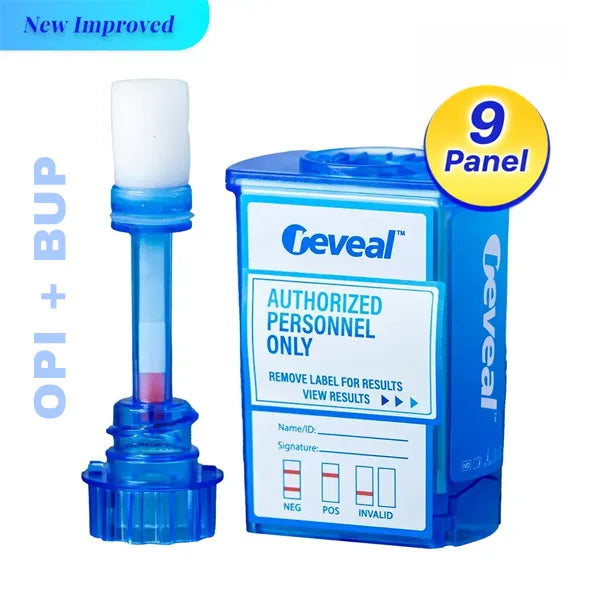
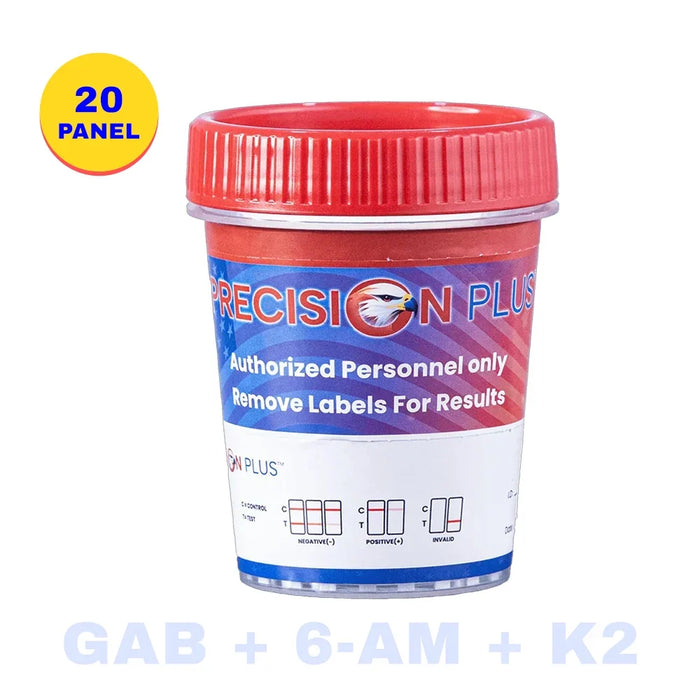
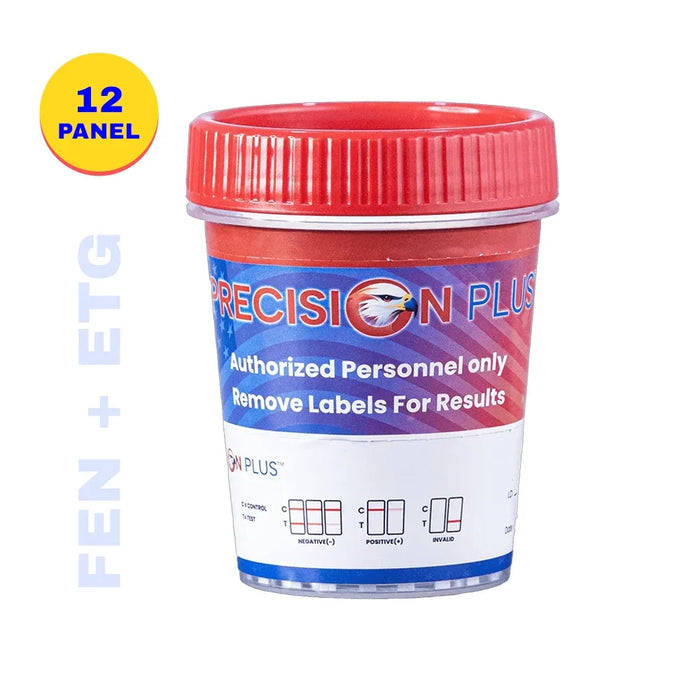
Employers who want a program that catches the substances most likely to matter, rather than chasing rare supplement questions, generally do better focusing panel design on documented workplace risks: amphetamines, cannabinoids, cocaine, opiates, and PCP at minimum, with expanded panels adding benzodiazepines, barbiturates, methadone, and synthetic opioids where the workforce or industry risk profile calls for it. American Screening Corporation supplies cups, dip cards, and oral fluid devices across these panel configurations for employers building or auditing a testing program, available through the drug test cup collection, alongside bulk ordering through the wholesale portal at wholesale.americanscreeningcorp.com for clinics and employers buying in volume.
For related supplement questions, see Does Testosterone Show Up on a Drug Test? and How Anabolic Steroid Testing Works and Who Actually Tests for It for how exogenous hormone and anabolic agent testing actually works, since those programs are structured very differently from a standard five panel screen.
Frequently asked questions
Will tongkat ali make me fail a standard workplace drug test?
There is no credible published evidence that tongkat ali cross reacts with standard immunoassay panels, and it is not a target analyte on any routine screen. Report it to the collector or MRO regardless.
Is tongkat ali a controlled substance?
No. It is sold as an over the counter dietary supplement in the United States and is not scheduled under the Controlled Substances Act.
Can tongkat ali trigger a positive anabolic steroid test?
No. Anabolic steroid panels target synthetic or exogenous androgens and their metabolites. Tongkat ali is a plant extract, not a steroid hormone, and is not on anabolic steroid testing menus.
Why does FDA warn about products marketed like tongkat ali?
FDA has repeatedly found sexual enhancement and energy supplements, a category that includes some tongkat ali branded products, adulterated with undeclared prescription drug ingredients. The concern is manufacturing quality control, not a property of the tongkat ali plant itself.
What should I tell the medical review officer if I take tongkat ali?
Disclose it along with any medications or other supplements you take. The MRO reviews documentation for any result that needs explanation and can request confirmation testing.
Does a positive screen always mean tongkat ali or any specific drug was present?
No. A screening immunoassay result is presumptive. Confirmation by GC/MS or LC/MS identifies the exact substance before any workplace result is finalized.
This article is general information, not legal or medical advice. Employers should consult qualified counsel and a medical review officer for program specific decisions, and individuals should consult a physician or pharmacist about supplement use.