Turkesterone is a plant compound sold as a bodybuilding and recovery supplement, usually extracted from Ajuga turkestanica. It belongs to a class of molecules called ecdysteroids, which are structurally related to insect and plant hormones, not to testosterone or its synthetic derivatives. A standard employment drug test, whether it is a urine cup, a dip card, or an oral fluid swab, is not built to detect turkesterone, and turkesterone is not classified as an anabolic steroid under United States federal law. This article explains how workplace drug tests and anabolic steroid confirmation panels are actually built, why turkesterone falls outside both, and what the science on ecdysteroids currently supports.
The short answer
No. Turkesterone is not a target analyte on a standard 5, 10, or 12 panel urine drug test, on a DOT panel, or on the specialized anabolic steroid confirmation panels that some employers or sports programs order separately. Those panels are built around specific antibody reagents or mass spectrometry reference standards for named drug classes, and turkesterone is not one of the compounds they are calibrated to find. There is also no published, peer reviewed evidence that turkesterone or other ecdysteroids trigger a false positive on the immunoassay screens used for opiates, amphetamines, benzodiazepines, or anabolic steroid classes. Where evidence is limited or absent, the honest answer is that it is limited or absent, not that a result is promised either way.
Screening immunoassay versus confirmation testing
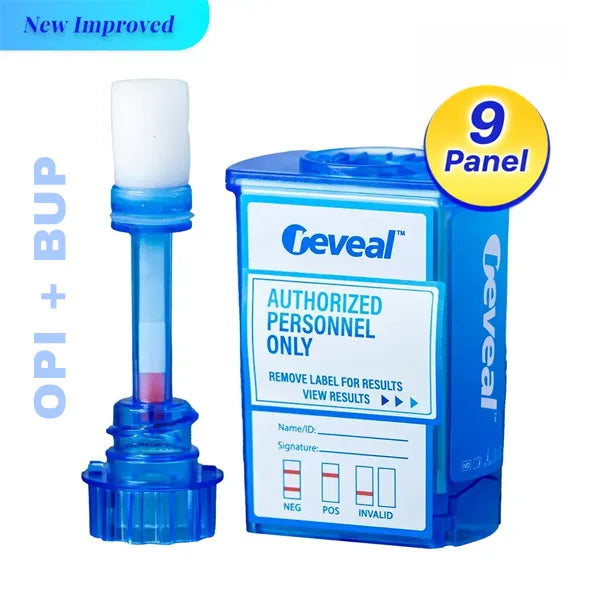
Workplace testing happens in two stages. The first stage is an immunoassay screen, the kind used in onsite cups and dip cards, which flags a specimen as presumptive positive or negative for broad drug classes using antibodies that bind to a target molecule and close chemical relatives of it. The second stage, used to confirm any presumptive positive, is gas chromatography mass spectrometry (GC/MS) or liquid chromatography mass spectrometry (LC/MS), which identifies the exact molecule present rather than a class of look alike compounds. The federal Mandatory Guidelines that govern this two step model are described on the Substance Abuse and Mental Health Services Administration's drug free workplace program page, which lays out how screening and confirmatory methods are supposed to work together in a compliant program. SAMHSA's drug free workplace guidance is the reference point most employer programs are built around, even outside federally mandated testing.
Immunoassay screens are not open ended. Each one is manufactured to react to a defined drug class, such as opiates, amphetamines, or a specific steroid panel, and only to compounds that are chemically similar enough to cross react with that specific antibody. Ecdysteroids like turkesterone and its close relative ecdysterone have a steroid shaped backbone, which sometimes raises informal questions, but a shared general shape is not the same as the specific molecular similarity that produces a cross reactive signal. No manufacturer markets an immunoassay that lists turkesterone or ecdysterone as a target or cross reactant for standard drug of abuse panels.
Why turkesterone is not an anabolic steroid under federal law
Employers, athletes, and supplement users sometimes assume turkesterone is a steroid in the legal sense because marketing around it uses words like "anabolic." The federal Controlled Substances Act defines which drugs and hormonal substances count as anabolic steroids, and that definition is codified in regulation. Under 21 CFR 1300.01, an anabolic steroid is any drug or hormonal substance chemically and pharmacologically related to testosterone, other than estrogens, progestins, corticosteroids, and dehydroepiandrosterone, that promotes muscle growth in a manner comparable to testosterone. The Drug Enforcement Administration's schedule of controlled anabolic steroids at 21 CFR 1308.13 names specific compounds such as boldenone, nandrolone, oxandrolone, stanozolol, and testosterone itself. Turkesterone and ecdysterone do not appear on that list, and they are not testosterone derivatives. They are phytoecdysteroids, plant compounds that act on an entirely different hormone receptor system found in insects and some invertebrates, which is why some researchers describe their mechanism in humans as unresolved rather than confirmed.
Because turkesterone is not a scheduled anabolic steroid, it is sold as a dietary supplement rather than a controlled substance or a prescription drug, and it does not appear on the standard list of analytes covered by any workplace steroid confirmation panel built around the scheduled compounds above.
What the ecdysteroid research actually shows
The scientific literature on ecdysteroids is smaller and more mixed than supplement marketing suggests, and most of it studies ecdysterone (20 hydroxyecdysone), turkesterone's better researched relative, rather than turkesterone itself. Anti doping laboratories have taken enough interest in ecdysterone's claimed performance effects to develop analytical methods for finding it in human serum, which is a research and monitoring exercise, not evidence that it appears on routine workplace drug panels. A method validation study describing how to detect and quantify ecdysterone in human serum using liquid chromatography tandem mass spectrometry is indexed on PubMed. That detection method was built specifically because standard drug testing does not already capture this compound, which is itself evidence that ecdysteroids sit outside ordinary panels.
Separately, researchers have raised concerns about product quality in this supplement category. A labelling reliability study on ecdysterone supplements, also indexed on PubMed, found that commercial products did not always contain the ecdysterone content or purity claimed on the label. That analysis of ecdysterone supplement labelling is a useful reminder that bodybuilding supplements in this category are not reviewed by the Food and Drug Administration before they reach the market the way a prescription drug is, and contamination or mislabeling is a real risk. The FDA maintains a Health Fraud Product Database that tracks illegally marketed products, including some bodybuilding supplements found to contain undeclared drug ingredients. The FDA's health fraud tracking tool is a good resource for anyone sourcing performance supplements for a team or facility, because a mislabeled product, not turkesterone itself, is the realistic way an unexpected substance could end up in someone's system.
Turkesterone compared with compounds that do matter on panels
| Compound or category | Legal status | On standard workplace panels | Notes |
|---|---|---|---|
| Turkesterone / ecdysterone | Unscheduled dietary supplement ingredient | No | Not chemically related to testosterone; no published cross reactivity with standard immunoassays |
| DHEA | Dietary supplement, specifically excluded from the anabolic steroid definition | No | Named exclusion in 21 CFR 1300.01 |
| Testosterone, nandrolone, stanozolol, boldenone | Schedule III controlled substances | Only on a separately ordered steroid confirmation panel, not a standard 5 or 10 panel | Listed at 21 CFR 1308.13 |
| Marijuana, cocaine, opioids, amphetamines, PCP | Controlled substances, the core DOT analytes | Yes, on the standard DOT five panel | Panel and testing procedures set by 49 CFR Part 40 |
What employers and specimen donors should do
If a donor discloses turkesterone or another ecdysteroid supplement before or during a collection, the correct response is the same one used for any over the counter supplement: document it, and let the laboratory and the medical review officer (MRO) handle anything that actually screens positive. The MRO verifies any confirmed positive result against prescription and medical history before it is reported to the employer, and that review process, not an employee's own explanation at the collection site, is what resolves ambiguous results. No one at the collection point should be asked to guess whether a supplement will interfere with a result, and no test result should be treated as final before MRO review when one applies.
Employers who want certainty about what a specific product can and cannot detect should ask the testing lab which analytes a given cup, card, or confirmation panel actually covers, rather than assuming a broad label like "steroid panel" includes every compound marketed as anabolic. This is the same caution that applies to kratom testing, where a standard opiate panel will not catch mitragynine without a dedicated strip, and lab confirmation is the only reliable way to identify a specific unlisted compound.
Related reading
For a broader look at how anabolic steroid testing is structured and who actually orders it, see how anabolic steroid testing works. For a different category of performance supplement that raises similar workplace questions, see do SARMs show up on a drug test.
Employers and clinics building or updating a testing program can review cup and panel options through the drug test cup collection, and distributors can review account options through the wholesale portal.
Frequently asked questions
Is turkesterone the same thing as an anabolic steroid?
No. Turkesterone is a phytoecdysteroid, a plant compound unrelated in structure to testosterone. Federal regulations define anabolic steroids specifically as substances chemically related to testosterone, and turkesterone does not meet that definition or appear on the DEA's scheduled list of anabolic steroids.
Will turkesterone cause a false positive on a steroid panel?
There is no published cross reactivity evidence showing that turkesterone or ecdysterone trigger a positive result on standard workplace or steroid confirmation immunoassays. If a result looks unexpected, confirmation testing and medical review officer evaluation are the correct next steps rather than assuming the supplement is the cause.
Do standard 5 or 10 panel drug tests look for turkesterone?
No. Standard panels target specific drug classes such as marijuana, cocaine, opioids, amphetamines, and PCP, as set out in 49 CFR Part 40 for DOT testing. Turkesterone is not one of the target analytes on those panels or on general workplace panels modeled after them.
Can a lab test specifically for turkesterone if an employer wants to?
Specialized laboratories can develop or run targeted mass spectrometry methods for specific ecdysteroids, similar to research methods used in anti doping science, but this is not part of routine workplace drug screening and would need to be arranged directly with a confirmation laboratory.
Is turkesterone regulated by the FDA as a drug?
Turkesterone is marketed as a dietary supplement ingredient, not an approved drug, so it does not go through FDA premarket drug review. The FDA's health fraud tracking resources are a useful check for whether a specific bodybuilding product has been flagged for undeclared ingredients.
Should an employee tell an employer they take turkesterone before a drug test?
Disclosing any supplement is reasonable, but it is not required for a legal, unscheduled product, and it does not change how a standard panel is processed. Any confirmed, unexpected result still goes through medical review officer evaluation rather than being resolved by self report alone.
This article is general information, not medical or legal advice.