Quick answer: No. Imodium (loperamide) does not show up on standard 5-panel, 10-panel or DOT urine drug tests, because those panels target morphine, codeine and other specific analytes, not loperamide. Only specialized laboratory methods detect it, and rare cross-reactivity reports mean any presumptive positive should go to lab confirmation.
- Loperamide is not a target analyte on federal or common commercial panels.
- It can be found only with specific lab methods such as LC-MS/MS.
- Treat every unexpected presumptive positive as unconfirmed until a laboratory confirms it.
Why Imodium does not appear on standard panels
Imodium's active ingredient, loperamide, acts on opioid receptors in the gut to slow diarrhea. It is chemically different from morphine and codeine, the opiates that urine immunoassays are built to detect. According to the SAMHSA workplace drug testing program, federally regulated urine testing uses an initial opiate cutoff of 2,000 ng/mL for morphine and codeine and a separate 10 ng/mL cutoff for 6-acetylmorphine (SAMHSA, Workplace Drug Testing). Loperamide is not on that list.
Need drug tests for your clinic, program or workplace?
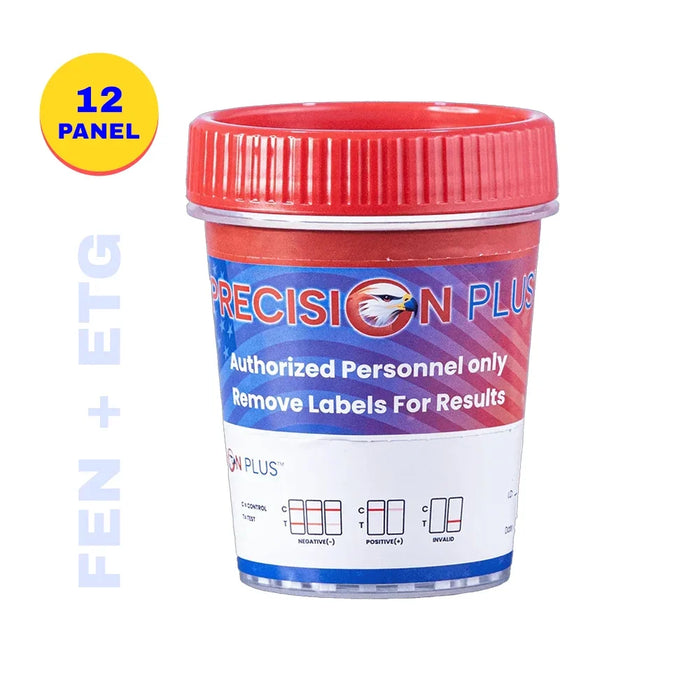
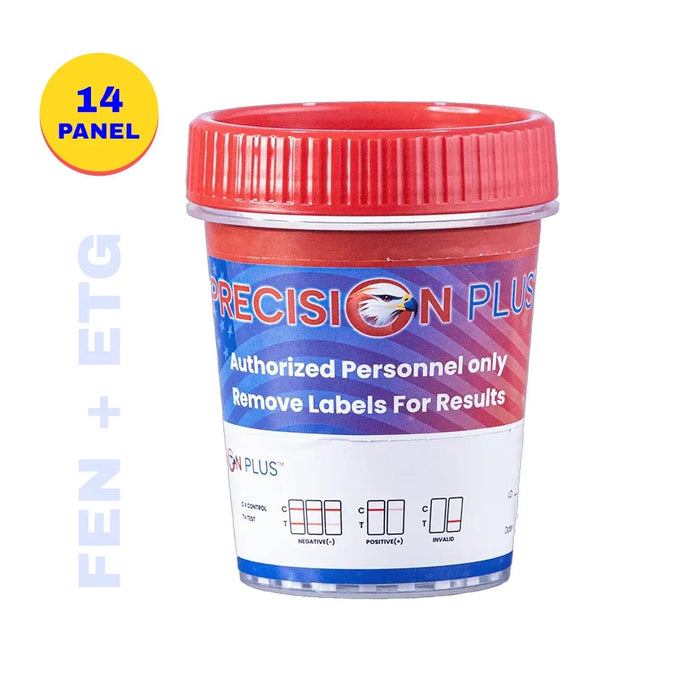
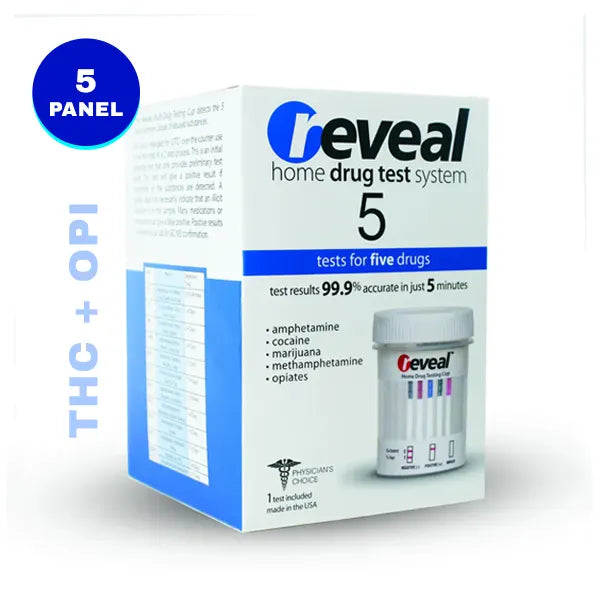
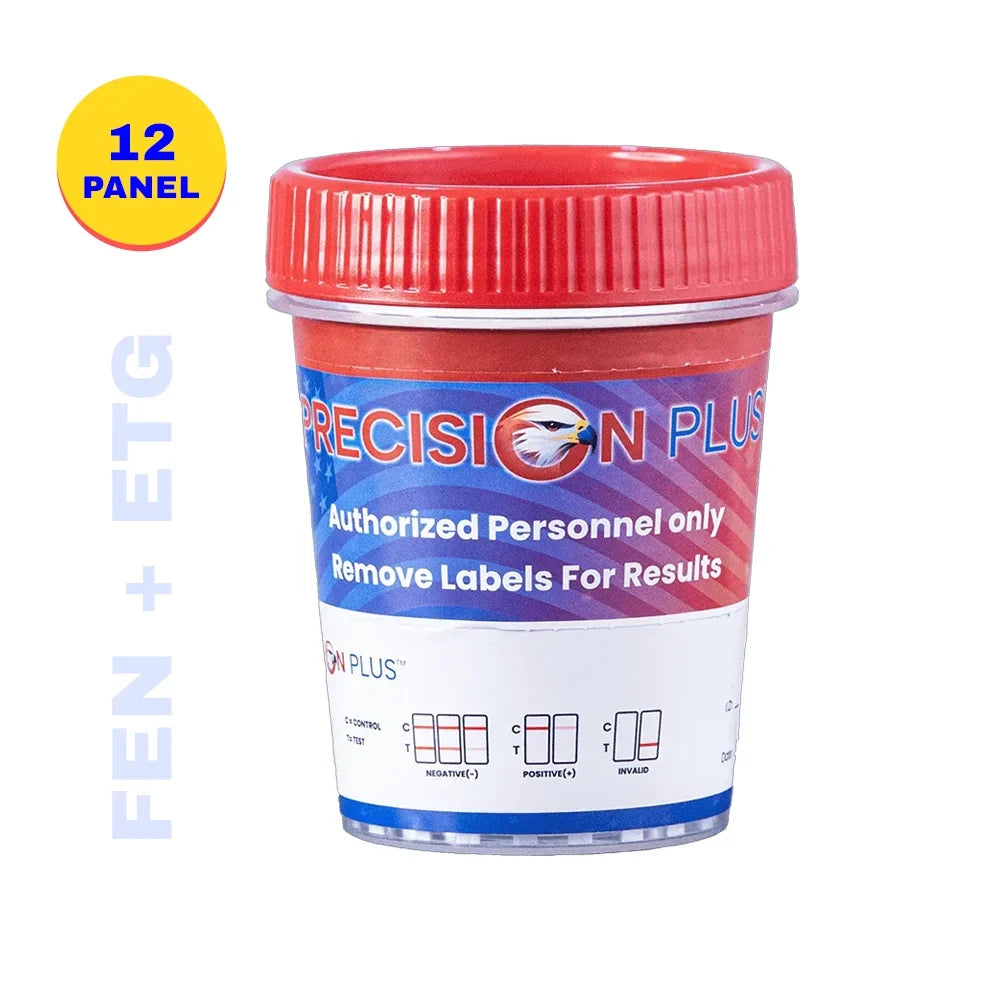
American Screening Corp has supplied FDA-cleared, CLIA-waived tests at wholesale pricing since 2004. Popular options:
Ordering 100+ tests? Request volume pricing.
The same is true for typical instant cups and dip cards. They use antibodies aimed at specific drug classes: amphetamines, cocaine metabolite, marijuana metabolite, opiates, PCP, and often others such as benzodiazepines, methadone or oxycodone. Loperamide is not one of them.
What each test type does with loperamide
| Test type | Targets loperamide? | What to do |
|---|---|---|
| Instant urine cup or dip card (5 to 12 panel) | No | Read at the labeled time; send any presumptive positive for confirmation. |
| Oral fluid test | No | Same: confirm presumptives at a laboratory. |
| DOT / federal 5-panel (lab-based) | No | Medical Review Officer reviews any laboratory-confirmed positive. |
| Expanded lab method (LC-MS/MS) | Yes, if specifically requested | Used in clinical, toxicology or treatment settings with a clinical reason. |
The caveat: misuse and cross-reactivity
The FDA has warned that taking far more than the labeled dose of loperamide can cause serious heart problems, and that some people misuse it to self-treat opioid withdrawal or to get high (FDA, Drug Safety Communication on loperamide). For addiction-treatment centers, probation programs and clinics, that is the relevant risk: not a failed standard panel, but a patient or client who may be using loperamide in large amounts.
There are also isolated reports in clinical literature of very high loperamide concentrations interfering with some immunoassays. Because screening immunoassays can cross-react, the practical rule is the same for every substance: a screening result is presumptive, and a laboratory confirmation decides it. Do not make an adverse decision on an instant result alone.
Normal dose versus high dose
A person taking the labeled over-the-counter dose for diarrhea should not trigger a standard panel. MedlinePlus lists the typical adult dosing and the maximum daily amounts on the label (MedlinePlus, Loperamide). Concerns arise only with doses far above those limits, which is a clinical question rather than a screening one.
How to handle a questionable result
Checklist for program staff
- Read the result only within the window stated in the device instructions.
- Record the lot number, expiration date and reading time on the chain-of-custody or intake form.
- Ask the donor to disclose prescription and over-the-counter medications before collection, and document the answer.
- Send any presumptive positive to a laboratory for confirmation using a method specific to the drug.
- If a clinical concern exists about loperamide misuse, request a specific loperamide assay rather than relying on the standard panel.
- For DOT or federally regulated tests, route confirmed positives to the Medical Review Officer.
- Do not take employment, custody or treatment action on a screening result alone.
Choosing supplies for your program
For routine screening, the device matters less than the panel and process. Facilities that collect many specimens usually prefer integrated drug test cups for temperature checks and fast reads, while high-volume or field programs may choose drug test dip cards. Before buying, confirm the panel analytes and cutoff concentrations (ng/mL) listed in the package insert, and check the device's FDA clearance status in that documentation. If you need help matching a panel to your policy or setting up lab confirmation, contact American Screening Corp.
Frequently asked questions
Does Imodium cause a false positive for opiates?
Not at labeled doses. Loperamide is not structurally targeted by standard opiate immunoassays, which look for morphine and codeine at 2,000 ng/mL in federal urine testing. Rare reports exist at very high exposures, so confirm any presumptive positive.
Can a lab detect loperamide if we ask for it?
Yes. Specialized methods such as LC-MS/MS can identify loperamide in urine or blood, but the test must be specifically ordered and is not part of standard employment or DOT panels.
Should donors report taking Imodium?
It is reasonable to document all medications at collection, but Imodium at normal doses is not expected to affect a standard panel. Documentation helps the reviewer if a result is unclear.
Is Imodium on the DOT drug testing panel?
No. DOT and federal testing cover marijuana, cocaine, amphetamines, opioids and phencyclidine. Loperamide is not among the tested drugs, though confirmed opioid positives go through MRO review.
Sources
- SAMHSA: Workplace Drug Testing
- FDA: Drug Safety Communication on high-dose loperamide (Imodium)
- MedlinePlus: Loperamide
This article is general information, not legal or medical advice.