Huperzine A is a compound extracted from Huperzia serrata, a club moss used in traditional preparations and now sold in the United States as a dietary supplement marketed for memory and focus. It shows up in many nootropic stacks, sometimes alongside caffeine, alpha GPC, or other cognitive support ingredients. Employees who take it before a pre employment or random workplace drug screen often want to know whether it could affect the result. Based on how huperzine A is classified and how standard drug test panels are built, the short answer is that it is not a controlled substance, it is not an analyte on any standard workplace panel, and there is no published evidence that it cross reacts with the screening tests employers use.
This guide explains what huperzine A is, how the immunoassay screens built into drug test cups and dip cards actually work, why huperzine A does not fit any panel category, and what to do if a screen comes back positive while someone is taking it or any other supplement.
What Huperzine A Is and Why People Take It
Huperzine A is a small alkaloid molecule that inhibits the enzyme acetylcholinesterase, which breaks down the neurotransmitter acetylcholine. By slowing that breakdown, huperzine A temporarily raises acetylcholine levels in the brain. That mechanism is why it has been studied for memory support and why it appears in supplements aimed at focus, studying, and general cognitive performance. It is sold over the counter as a dietary ingredient, typically in capsule form, and it is not a prescription drug and not a product the Food and Drug Administration has approved for any medical condition. The National Institutes of Health tracks huperzine A as a dietary supplement ingredient in its Dietary Supplement Label Database, which catalogs how the ingredient appears across thousands of marketed supplement products, confirming it is handled as a supplement ingredient rather than a regulated drug or controlled substance.
The NIH Dietary Supplement Label Database entry for huperzine A reflects that supplement classification. Dietary supplements in the United States are regulated under a different framework than prescription or over the counter drugs, and the FDA's dietary supplement program does not require premarket approval of ingredients like huperzine A the way it does for new drugs. That matters for drug testing purposes because workplace panels are built around specific controlled substances and their metabolites, not around the broader universe of supplement ingredients.
What Standard Workplace Drug Panels Actually Screen For
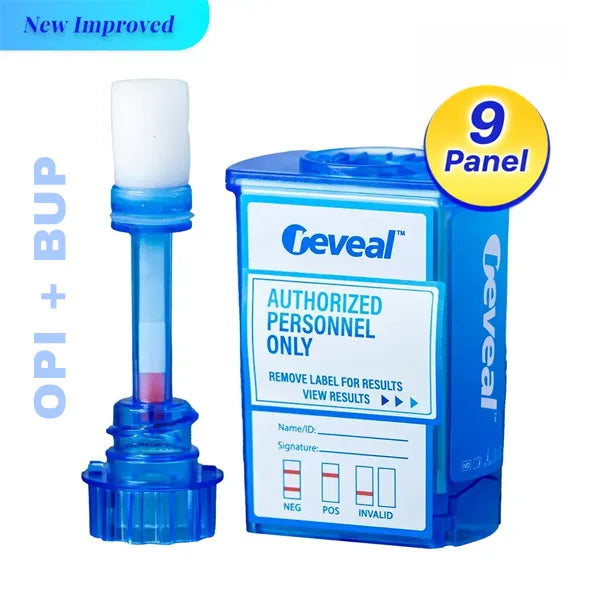
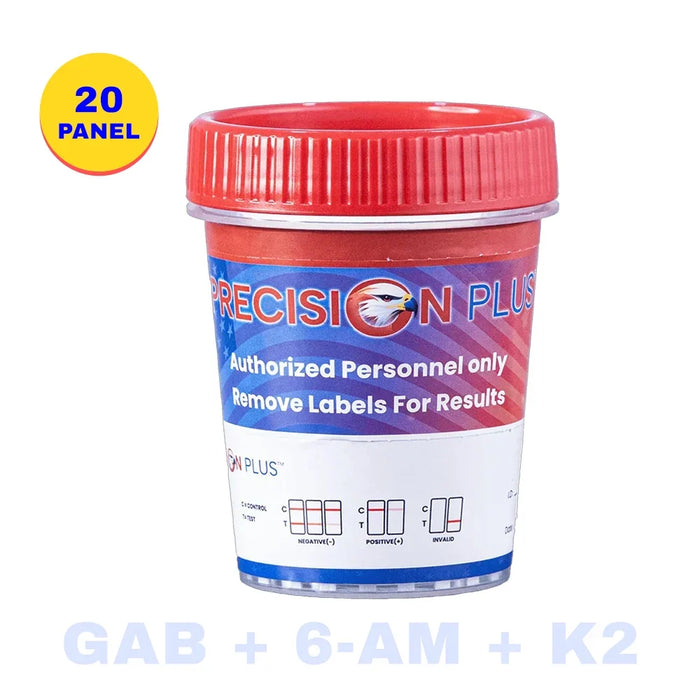
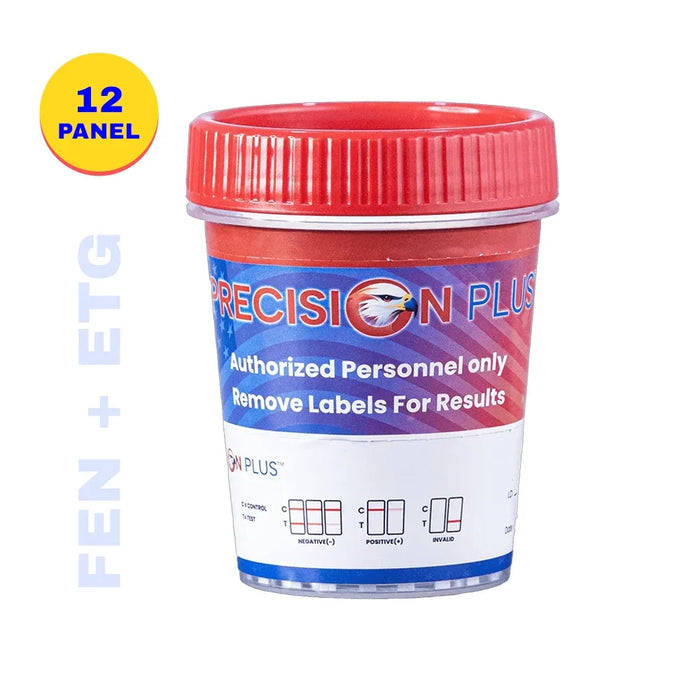
Workplace drug test cups, dip cards, and oral fluid devices are immunoassay tests. Each panel on the device contains antibodies tuned to detect a specific drug class or its metabolites at a set cutoff concentration. A compound only produces a positive screen if it binds to one of those antibodies closely enough to trigger a reaction, which is why cross reactivity, not simple presence in the body, is the relevant question for any supplement or medication.
| Common panel class | Primary targets | Does huperzine A fit this class |
|---|---|---|
| Amphetamines and methamphetamine | Amphetamine, methamphetamine, MDMA | No |
| Cocaine metabolite | Benzoylecgonine | No |
| Opiates and opioids | Morphine, codeine, oxycodone, fentanyl | No |
| Cannabinoids (THC) | THC metabolite (THC COOH) | No |
| Phencyclidine (PCP) | PCP | No |
| Benzodiazepines and barbiturates | Diazepam, alprazolam, phenobarbital class compounds | No |
Huperzine A does not belong to any of these drug classes, and it is not a stimulant, opioid, benzodiazepine, or cannabinoid chemically. The federal procedures at 49 CFR Part 40 that govern regulated workplace testing programs define the drug classes and confirmation process used across these panels, and huperzine A does not appear among them.
Screening Immunoassay vs Lab Confirmation
Drug testing at the workplace level is normally a two step process. The first step is the immunoassay screen performed on a cup, dip card, or oral fluid device, which gives a quick presumptive result. If a screen comes back non negative, a certified laboratory runs a confirmation test using gas chromatography mass spectrometry (GC/MS) or liquid chromatography tandem mass spectrometry (LC/MS), which identifies the exact molecule present rather than relying on an antibody reaction. The MedlinePlus overview of drug testing describes this same screen then confirm structure used across clinical and workplace testing. Confirmation testing is the step that would catch a genuine false positive from the screening stage, and it is also the step that would rule out huperzine A as a cause if it were ever flagged, because the lab is looking for the specific controlled substance molecule, not a generic reaction.
Is There Cross Reactivity Evidence for Huperzine A?
There is no published cross reactivity evidence showing that huperzine A triggers a positive result on any standard immunoassay drug panel. It is not chemically related to amphetamines, opioids, cannabinoids, benzodiazepines, or PCP, the drug classes that make up most workplace panels, and it is not included as a target analyte on any standard 5 panel, 10 panel, or extended panel configuration. Where the evidence is limited or where a specific manufacturer's assay has not been studied against huperzine A, the accurate statement is that there is no credible cross reactivity evidence on record, not that a false positive is impossible under every circumstance with every assay. Anyone with a specific concern about a particular test cartridge should ask the laboratory or the test manufacturer which analytes and cross reactants that specific assay covers.
If a Screen Comes Back Positive While Taking Huperzine A
If an employee who takes huperzine A or any other supplement receives a non negative screening result, the cause is almost certainly unrelated to the huperzine A itself, since it is not a target analyte. The standard next step in a compliant program is the same regardless of what supplement someone was taking:
- The sample goes to a certified laboratory for GC/MS or LC/MS confirmation rather than a decision being made off the screening result alone.
- A medical review officer (MRO) reviews the confirmed result, contacts the donor, and asks about prescription medications, recent food or supplement use, and any other explanation before the result is reported to the employer.
- The employee should be prepared to provide documentation for any prescription medication and can mention supplement use, though supplements generally do not require a prescription record the way a controlled medication does.
- Employers should let the MRO process run rather than acting on a screening only result.
This MRO review step is part of the structure built into federally regulated testing under 49 CFR Part 40, and most non regulated employer programs follow a similar review model through their third party administrator or laboratory. The Substance Abuse and Mental Health Services Administration's workplace resources and its employer resource page outline how drug free workplace programs are typically structured, including the role of certified laboratories and MRO review in a compliant program.
What Employers and Programs Should Keep in Mind
Because huperzine A is an unregulated dietary supplement, employers generally cannot rely on a drug test panel to detect its use, and there is no compliance reason to try. Workplace policies that address supplement use, if any, are a matter of internal policy rather than a drug testing concern, since standard panels are not built to flag nootropics, vitamins, or similar over the counter products. Programs that want flexibility in panel configuration, including cup and dip card formats with different drug class combinations, can review the options in the drug test cup collection to match a panel to the substances actually relevant to the role.
Employers evaluating a supplement related question on their own program may also find it useful to compare it against how other non controlled substances are handled. Posts on kanna and standard panels and sea moss and standard panels walk through similar supplement questions using the same screen and confirm framework described above.
Frequently asked questions
Does huperzine A show up on a 5 panel or 10 panel drug test?
No. Huperzine A is not a target analyte on standard 5 panel, 10 panel, or extended workplace drug panels, because it is not a controlled substance and is not chemically related to the drug classes those panels screen for.
Is huperzine A a controlled substance?
No. Huperzine A is sold as a dietary supplement ingredient in the United States and is not scheduled as a controlled substance.
Can huperzine A cause a false positive on a drug test?
There is no published cross reactivity evidence showing huperzine A causes a false positive on standard immunoassay drug panels. If a concern exists about a specific assay, ask the laboratory or test manufacturer which analytes that assay targets.
What happens if someone tests positive while taking huperzine A or another supplement?
A non negative screen should go to a certified laboratory for GC/MS or LC/MS confirmation, and a medical review officer reviews the confirmed result with the donor before it is reported, which is how any unrelated cause would be identified.
Is huperzine A approved by FDA?
No. Huperzine A is marketed as a dietary supplement and has not been approved by the FDA as a drug for any medical condition.
Does the Dietary Supplement Label Database list huperzine A?
Yes. The NIH Dietary Supplement Label Database includes huperzine A as a tracked supplement ingredient, reflecting its regulatory status as a supplement rather than a drug.
This article is general information, not medical or legal advice. Employers and individuals with specific testing or compliance questions should consult their medical review officer, testing laboratory, or legal counsel.