Sea moss, also sold as Irish moss, is a red seaweed (Chondrus crispus) that has become a popular dietary supplement, usually as a raw dried thallus, a soaked gel, or encapsulated powder. People use it for general nutrition, mainly as a source of iodine and trace minerals. It is not a drug, and it contains no THC, opioids, amphetamines, or any other controlled substance. Short answer: sea moss does not show up on a standard drug test, a DOT test, or a typical pre employment panel, because none of those panels test for anything sea moss contains.
That said, employers, clinics, and people preparing for a screening often ask this question because sea moss supplements are unregulated the same way most dietary supplements are, and unregulated products occasionally raise two legitimate, separate concerns: iodine intake and contamination. Neither of those concerns involves a drug test result. This article explains what standard panels actually screen for, what sea moss actually contains, why iodine is not a drug test analyte, and what the prescription and lab confirmation process looks like when any result does need a second look.
What a standard drug test panel actually screens for
Workplace and clinical drug tests are built around a defined list of drug classes, not a general "any foreign substance" scan. The federal program that sets the model for most workplace testing, including all U.S. Department of Transportation safety sensitive positions, specifies the analytes and procedures in 49 CFR Part 40. That regulation defines the screening immunoassay cutoffs and the confirmation method, gas chromatography mass spectrometry or liquid chromatography mass spectrometry, for a fixed panel of drug classes such as marijuana metabolites, cocaine metabolites, opioids, amphetamines, and phencyclidine.
Outside the regulated transportation space, most employer and clinical programs still follow the same immunoassay first, confirmation second model. SAMHSA's workplace resources describe how federally regulated and voluntary private sector programs are structured around that same five or seven drug class design, and how a nonnegative screening result is always sent for confirmation before any decision is made, as outlined on the SAMHSA workplace program pages. Sea moss, Irish moss, carrageenan, and the minerals in seaweed are not among the drug classes any of these panels are built to detect, so there is no analyte for sea moss to trigger, whether on the initial immunoassay or on confirmation.
What sea moss actually contains
Sea moss is a whole food seaweed. Depending on the product, it is sold as a dried raw thallus, a blended gel, capsules, or a powder, usually marketed for its iodine, potassium, calcium, and other trace mineral content, along with polysaccharides like carrageenan that give the gel its texture. The FDA regulates sea moss the way it regulates most dietary supplements, under the framework described on its dietary supplements pages: manufacturers are responsible for the safety of their own ingredients and label claims, and the FDA does not pre approve supplements for effectiveness before they reach the market the way it does for drugs. Supplement ingredient claims and labeling requirements are summarized further on FDA's dietary supplement products and ingredients page. None of that regulatory framework involves drug testing, and none of the compounds naturally found in sea moss are scheduled controlled substances.
Iodine is a nutrient, not a drug test target
The main nutritional talking point around sea moss is iodine. Seaweeds, including Irish moss, can contain substantial and highly variable amounts of iodine depending on species, growing water, and processing, which matters for thyroid health because the thyroid gland depends on dietary iodine to make hormone, as described in the physiology overview on the NIH Bookshelf iodine reference. Too much supplemental iodine from concentrated seaweed products can affect thyroid function in sensitive people, which is a reason to talk to a doctor before adding a concentrated sea moss product to a daily routine, especially for anyone with an existing thyroid condition or taking thyroid medication.
None of that is a drug testing issue. Iodine is not screened for on any workplace, DOT, criminal justice, or clinical drug panel, because it is a mineral nutrient, not a drug of abuse. A drug test immunoassay is built to bind to a specific class of drug metabolites; it does not react to iodine, potassium, or the polysaccharides in a seaweed gel. This article does not provide dosing guidance, and anyone with thyroid concerns should direct those questions to a physician rather than to a drug testing resource.
The real quality concern: contamination, not cross reactivity
The legitimate safety concern with unregulated sea moss products is contamination, not a false positive drug screen. Seaweed grows in ocean water and can bioaccumulate heavy metals such as arsenic, cadmium, and lead from its growing environment, a concern the FDA addresses broadly on its metals and your food page covering environmental contaminants in foods. Because dietary supplements are not required to undergo the same premarket approval as drugs, buyers of any seaweed based supplement, sea moss included, should look for products tested by an independent lab and be cautious of sourcing from unverified sellers. Again, this is a food safety and quality issue, separate from, and unrelated to, drug test results.
Sea moss compounds compared with standard panel drug classes
| Sea moss component | What it is | Detected on a standard 5 or 7 panel drug test |
|---|---|---|
| Carrageenan and other polysaccharides | Structural gel forming carbohydrates from the seaweed | No, not a screened drug class |
| Iodine | Trace mineral nutrient, variable by product | No, not a drug test analyte |
| Potassium, calcium, and other minerals | Trace minerals naturally present in seaweed | No, not a drug test analyte |
| Trace heavy metals (contamination risk) | Possible contaminant from growing water, product dependent | No, a food safety concern, not a drug panel target |
| THC, opioids, amphetamines, cocaine metabolites, PCP | Controlled substance classes defined by 49 CFR Part 40 and SAMHSA guidance | Yes, these are the actual screened analytes; sea moss does not contain any of them |
What to do if a sea moss user gets an unexpected result
Because sea moss is not associated with any documented cross reactivity on standard immunoassays, a nonnegative result in someone who uses a sea moss supplement should be treated the same as any other nonnegative screen: it goes to confirmation testing and, in a regulated program, to the medical review officer (MRO) before any employment decision is made. The MRO reviews confirmed results, contacts the individual, and considers any legitimate medical explanation, including current prescriptions, which is why keeping prescription documentation on hand and disclosing current medications to the MRO is standard practice under the Part 40 process referenced above. Supplement use alone is not a recognized medical explanation for a positive result on any of the actual screened drug classes, because sea moss has no mechanism to produce one.
Frequently asked questions
Does sea moss cause a false positive on a drug test?
There is no published or credible evidence that sea moss, Irish moss, or carrageenan cross reacts with the immunoassays used on standard, DOT, or workplace drug panels. Sea moss is not chemically related to any screened drug class.
Is iodine tested on a drug test?
No. Iodine is a nutrient, and drug test panels are built around specific drug classes such as THC metabolites, opioids, amphetamines, cocaine metabolites, PCP, and benzodiazepines, not minerals or nutrients.
Can sea moss affect a drug test in any way?
Sea moss has no documented effect on immunoassay screening or on confirmation testing by GC/MS or LC/MS. The only documented health considerations with concentrated sea moss products involve iodine intake and thyroid function, and potential heavy metal contamination in unregulated products, neither of which relates to drug testing.
Is sea moss approved by FDA?
Sea moss is sold as a dietary supplement, and dietary supplements are not approved by the FDA for safety or effectiveness before sale the way drugs are. The FDA's dietary supplement framework places responsibility for ingredient safety and label claims on the manufacturer.
Does a workplace drug testing program need to specifically screen for sea moss?
No. Standard panel designs, including the federal model in 49 CFR Part 40, are built around defined controlled substance classes. There is no analyte, cutoff, or confirmation method aimed at seaweed supplements because they are not a controlled substance.
What should an employer do if an employee mentions taking sea moss after a positive result?
Treat it like any other nonnegative screen. The sample goes to confirmation, and the medical review officer reviews the confirmed result along with any prescription documentation the individual provides. A supplement like sea moss is not a recognized explanation for a confirmed positive on an actual screened drug class.
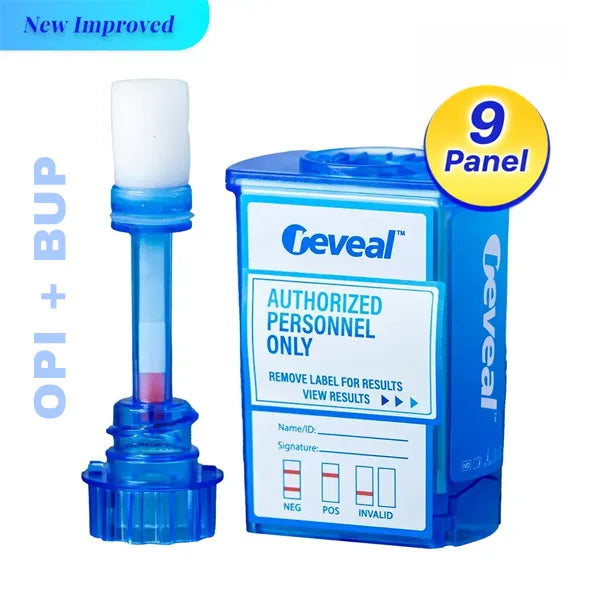
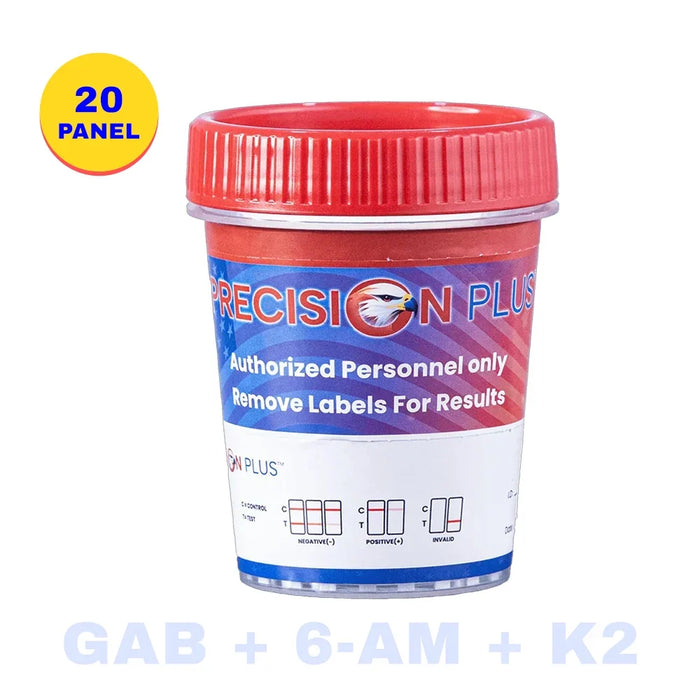
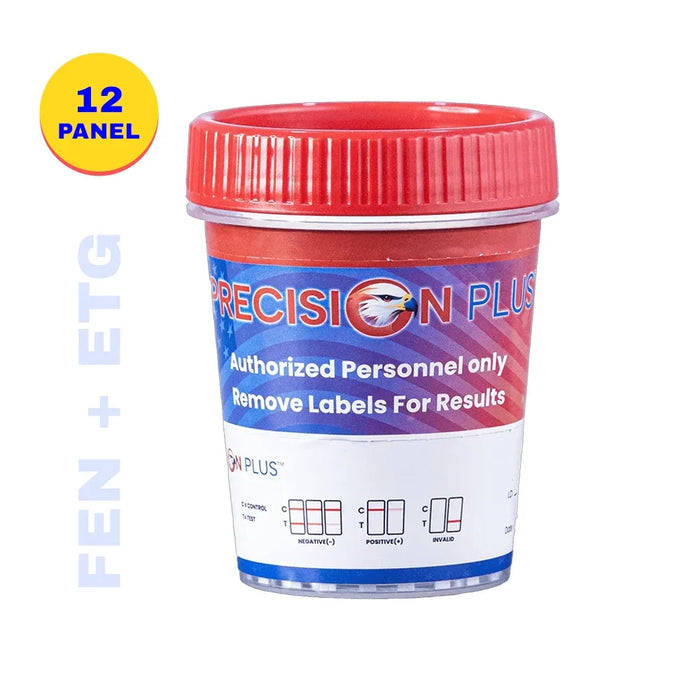
Employers building or reviewing a testing program, including panel selection and cup or oral fluid device choice, can review device options through the wholesale portal at wholesale.americanscreeningcorp.com or browse drug test cups directly.
For related reading, see Does Lion's Mane Show Up on a Drug Test? and Does DHEA Show Up on a Drug Test? for how other common supplements compare against standard panels.
This article is general information about drug testing science and supplement regulation, not legal or medical advice. Anyone with a thyroid condition or other health concern should consult a physician before adding a concentrated iodine source to their diet, and employers should consult counsel on program design.