Kanna is the common name for Sceletium tortuosum, a succulent plant native to South Africa that has been used traditionally and is now sold worldwide as a mood and stress support supplement. People ask whether taking kanna can cause a positive result on a pre employment or workplace drug screen. Based on current published research and on how standard immunoassay panels are built, kanna and its primary alkaloid, mesembrine, are not included in any standard drug test panel, and there is no published evidence of immunoassay cross reactivity between mesembrine and the antibody classes those panels use. This article explains what kanna is, how it works in the body, why it is not expected to trigger a standard panel, how screening differs from lab confirmation, and what employees and employers should know about legal status, medication interactions, and safety sensitive work.
What Kanna Is and How It Works
Sceletium tortuosum has a long history of traditional use among the Khoikhoi and San peoples of South Africa, who chewed or brewed a fermented form of the plant, sometimes called kougoed, to relieve thirst, fatigue, and stress, as summarized in a plant science and pharmacology review on PubMed Central. The plant contains a group of alkaloids, the most studied of which is mesembrine, along with mesembrenone and mesembrenol. Modern pharmacology research on a standardized extract of the plant found that it acts through two mechanisms at once: inhibition of the serotonin transporter, which is the same general target that selective serotonin reuptake inhibitor (SSRI) antidepressants act on, and selective inhibition of the phosphodiesterase 4 (PDE4) enzyme, documented in a neuroimaging study of the extract published on PubMed Central. That dual mechanism is why kanna extracts are marketed for mood, stress, and focus support, and it is also why the compound is sometimes grouped loosely with other serotonergic botanicals in consumer discussion, even though it is chemically unrelated to cannabinoids, opioids, amphetamines, or any other class a standard workplace panel is designed to catch.
Why Standard Panels Do Not Flag Kanna
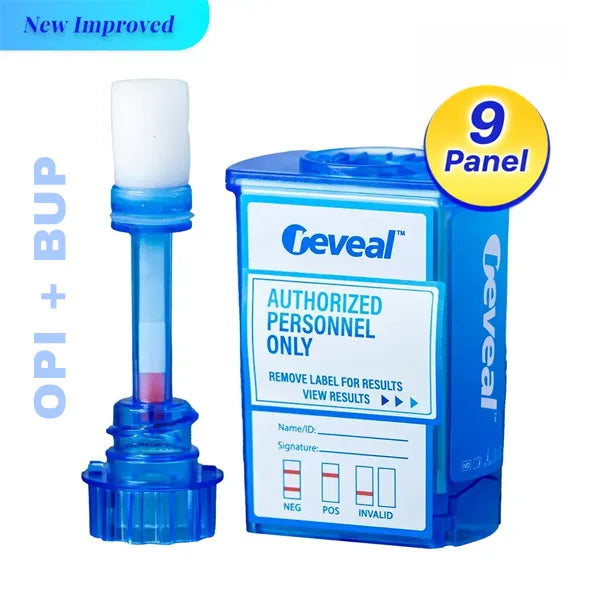
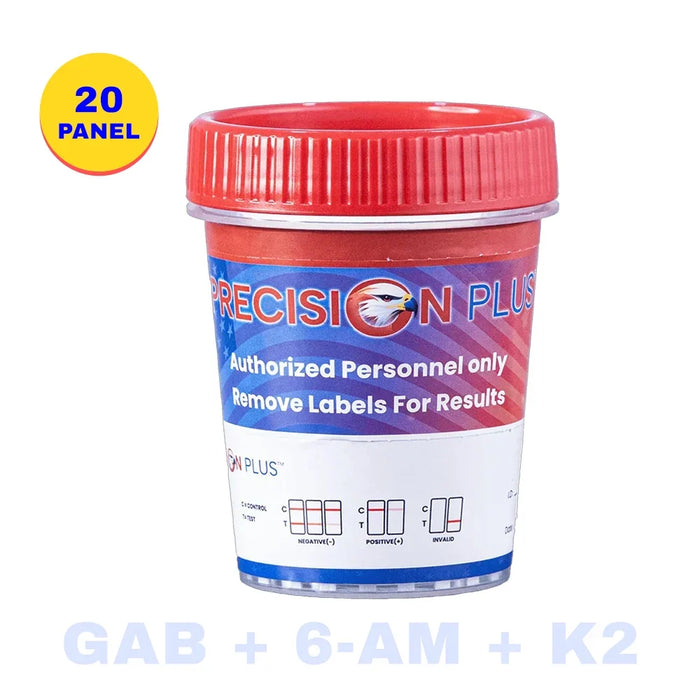
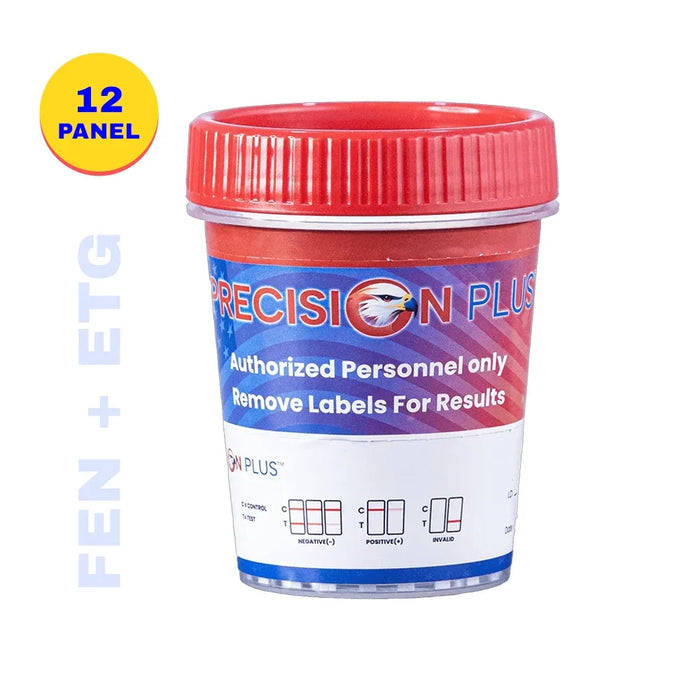
A standard workplace urine panel, whether a basic 5 panel cup or an expanded 10 or 12 panel cup or dip card, works by using antibodies tuned to bind to specific drug classes: amphetamines, cocaine metabolite, opiates, phencyclidine, and THC metabolite on a basic panel, with classes such as benzodiazepines, barbiturates, methadone, methamphetamine, and oxycodone sometimes added on expanded panels. Each antibody is built to recognize a particular chemical backbone shared by a drug family. Mesembrine and the other Sceletium alkaloids do not share a structural backbone with any of those drug classes, and no published study has reported immunoassay cross reactivity between kanna alkaloids and any standard antibody class. The evidence here is an absence of any published cross reactivity finding, not a dedicated clinical cross reactivity trial, so this article describes the current, limited state of the evidence rather than claiming the question has been exhaustively studied.
Oral fluid and rapid dip card panels are built around the same antibody based chemistry, so the same reasoning applies across specimen types. A person taking kanna as a supplement should not expect it, on its own, to cause a presumptive positive on any standard panel class, including the class most often confused with mood botanicals: benzodiazepines. Readers evaluating a similar herbal mood product can review a related breakdown of whether kava shows up on a drug test.
Screening Immunoassay vs GC/MS or LC/MS Confirmation
Workplace drug testing generally happens in two stages. The first stage is an immunoassay screen, the chemistry used in most rapid cups, dip cards, and initial laboratory testing. It is fast and inexpensive, but it reports a presumptive result based on antibody binding to a class of molecules, not identification of one specific compound. The second stage, used only after a specimen screens positive, is confirmation by gas chromatography mass spectrometry (GC/MS) or liquid chromatography tandem mass spectrometry (LC/MS), which identifies the exact substance present. Federal workplace testing built on this two stage model, including the structure set out in the Department of Transportation's testing regulation at 49 CFR Part 40, relies on confirmation to rule out false positives before any result reaches an employer.
Because mesembrine is not a target of any standard screening antibody, a specimen from someone taking kanna should not screen positive for benzodiazepines, amphetamines, or any other standard class, so it would not advance to confirmation testing in the first place. A laboratory could, in theory, build a dedicated assay targeting mesembrine specifically, but that is not part of routine employment drug testing menus and would only happen if a program ordered that analyte by name for a specific clinical or research reason.
Kanna at a Glance for Workplace Testing
| Feature | Kanna (Sceletium tortuosum, mesembrine) |
|---|---|
| Legal status under the federal Controlled Substances Act schedules | Not listed among the controlled substance schedules in 21 CFR Part 1308 |
| Regulatory category | Marketed as a dietary supplement; see FDA guidance on dietary supplement regulation |
| Standard 5 panel coverage | Not included |
| Standard expanded panel (benzodiazepine, amphetamine, opiate) coverage | Not included; no published immunoassay cross reactivity |
| Dedicated lab test available | Not part of routine workplace menus; would require a named, specific order |
| Primary mechanism of interest | Serotonin transporter inhibition and PDE4 inhibition |
Legal Status and State Variation
Kanna is not listed among the controlled substance schedules maintained under the federal Controlled Substances Act, which are codified at 21 CFR Part 1308. In the United States it is generally sold and marketed as a dietary ingredient rather than as an approved drug, which places it under the dietary supplement framework the Food and Drug Administration describes for consumers using dietary supplements, meaning the FDA does not review or approve these products for safety or effectiveness before they reach the market the way it does for prescription drugs. State level treatment of specific plant derived alkaloids can vary, and some states have passed separate rules for individual botanicals in recent years. Employers and consumers should not assume kanna is treated identically in every state, and anyone with a specific compliance question should check that state's own statutes rather than rely on a generalization, since this research did not identify a verified state law that names kanna or mesembrine specifically.
Serotonergic Interactions Deserve Caution
Because mesembrine affects the serotonin transporter, the same general system that SSRIs and monoamine oxidase inhibitors (MAOIs) act on, combining kanna with a prescribed serotonergic medication is a question that belongs with a pharmacist or prescribing clinician rather than a drug test discussion. Published clinical research on a standardized Sceletium extract has evaluated its effects on mood and cognition in healthy volunteers, as reported in the neuroimaging study on PubMed Central, but it does not establish how the supplement behaves when combined with a prescribed SSRI, MAOI, or other serotonergic drug in routine use. This article does not give dosing or treatment advice. Anyone taking a prescribed antidepressant or mood medication who is considering a supplement like kanna should disclose that supplement to their prescriber, exactly as they would disclose any other over the counter product.
Safety Sensitive Work and Fitness for Duty
A drug test measures the presence of specific substances a program has chosen to screen for. It does not measure whether a person is fit for duty on a given shift. Because kanna is marketed for calming and mood related effects, and because its full interaction profile with other medications is not established in published clinical trials, employers in safety sensitive roles, including commercial driving, machine operation, or other positions covered by federal testing rules, generally rely on a reasonable suspicion or fitness for duty process to address observed impairment from any substance, supplement or otherwise, rather than expecting a standard panel to catch it. Background on federal workplace testing program design is available through the Substance Abuse and Mental Health Services Administration's workplace resources.
What This Means for Employers and Employees
For an employer, the practical point is that a standard panel, whether a urine cup, a dip card, or an oral fluid device, is not a tool for identifying who has used a mood supplement like kanna, and panel selection should be driven by the drug classes the program actually needs to screen for. Any concern about on the job impairment from a sedating or mood altering supplement should generally be handled through a documented fitness for duty or reasonable suspicion policy rather than an expectation that a drug test will flag it. Employers sourcing panels for a documented testing program can review current cup, dip card, and oral fluid options through the drug test cup collection.
For an employee, the practical point is that using kanna as directed on its label should not, based on the current published evidence, cause a positive result on a standard workplace panel, and there is no documented immunoassay cross reactivity to be concerned about. Anyone taking prescribed medication that affects serotonin, or any other medication, should keep documentation of what they take and be ready to disclose it to a medical review officer (MRO) if a different, unrelated result on a regulated test ever needs explanation. The MRO verification process is described in 49 CFR Part 40, Subpart G, and it exists specifically to confirm legitimate medical explanations for substances that actually appear in a confirmed laboratory result, not to evaluate every supplement a person may take.
Frequently asked questions
Will kanna cause a positive drug test?
Kanna (Sceletium tortuosum, mesembrine) is not included in standard 5 panel or expanded panel immunoassay testing, and there is no published cross reactivity between mesembrine and the benzodiazepine, amphetamine, opiate, or other antibody classes those panels use, so it should not cause a positive result on a standard workplace drug test.
Is kanna a controlled substance?
No. Kanna and its primary alkaloid mesembrine are not listed among the federal controlled substance schedules in 21 CFR Part 1308. It is generally sold in the United States as a dietary supplement rather than an approved drug.
Does kanna interact with SSRIs or MAOIs?
Mesembrine affects the serotonin transporter, the same general system SSRIs and MAOIs act on, so combining kanna with those medications is a question for a pharmacist or prescriber. This article does not provide medical or dosing advice, and published research has not established how kanna behaves in routine combination with prescribed serotonergic medications.
Can an employer test specifically for kanna or mesembrine?
Routine workplace drug testing menus do not include a dedicated mesembrine assay. A laboratory could run a specific test for it only if a program ordered that analyte by name, which is not part of standard employment panels.
Does state law treat kanna differently than federal law?
State regulation of individual plant alkaloids can vary, and this research did not find a verified state statute that names kanna or mesembrine specifically. Anyone with a compliance question should check that state's own current law rather than assume it matches federal treatment.
What should an employee using kanna and a prescribed mood medication do before a workplace test?
Keep documentation of any prescribed medication, disclose it to a medical review officer if asked about any drug test result, and discuss any supplement use with the prescribing clinician or a pharmacist, since the MRO process exists to verify legitimate medical explanations for substances that actually appear on a confirmed result.
This article is general information, not legal or medical advice. Employers and employees should consult qualified legal or medical professionals for guidance specific to their situation.