Quick answer: Yes, sometimes. Dextromethorphan (DXM) is not a target of standard federal 5-panel urine tests, but at high doses it can trigger a false-positive on PCP and, less often, opiate immunoassays. Any non-negative instant result should go to laboratory confirmation (GC-MS or LC-MS/MS) before action is taken.
- DXM is not a listed analyte on the federal panel; it matters because of cross-reactivity, not direct detection.
- An instant screen is presumptive only. A confirmation test tells you whether PCP or an opiate is truly present.
- A written policy for non-negative results protects your program, your donors and your decisions.
What dextromethorphan is and why it matters to testing programs
Dextromethorphan is a cough suppressant found in many over-the-counter cold and cough products. According to the National Library of Medicine's MedlinePlus, it is used for temporary cough relief, and taking more than directed can cause serious effects. For a clinic, court, treatment center or employer, the question is not whether DXM is on your panel. It is whether a person taking it, or misusing it, could produce a result that looks like a drug you do test for.
Need drug tests for your clinic, program or workplace?
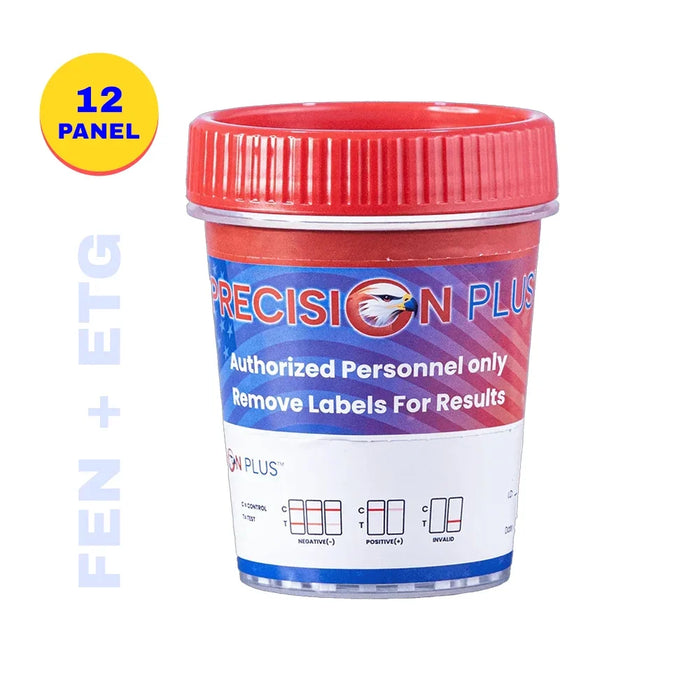
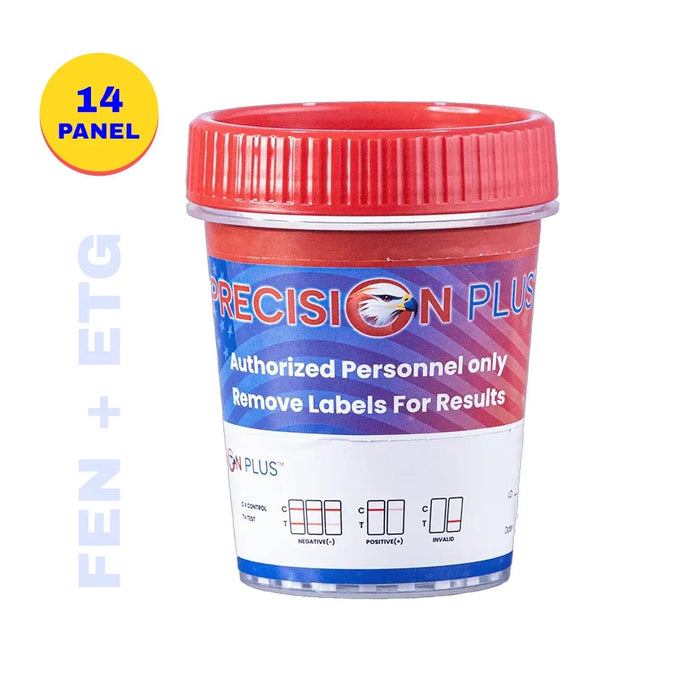
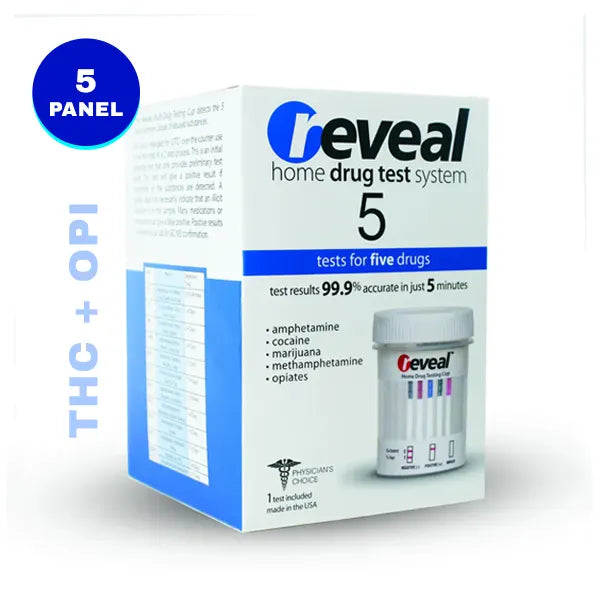
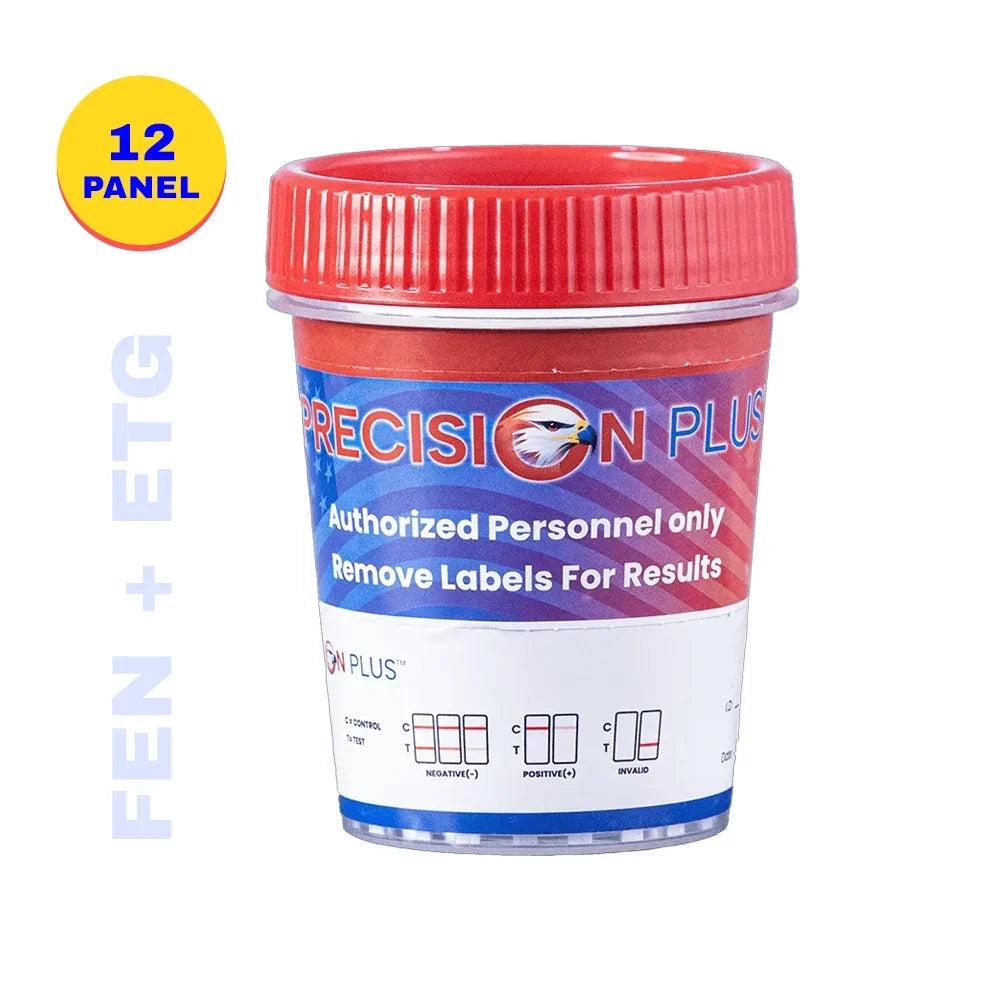
American Screening Corp has supplied FDA-cleared, CLIA-waived tests at wholesale pricing since 2004. Popular options:
Ordering 100+ tests? Request volume pricing.
Does DXM show up on a standard drug test?
Not as DXM itself on a typical panel. The federal urine panel covered by SAMHSA's Mandatory Guidelines includes marijuana metabolites, cocaine metabolites, amphetamines, opioids and phencyclidine (PCP). DXM is not among them. The same applies to most commercial instant cups and dip cards.
The problem is cross-reactivity. Immunoassay screens use antibodies that can bind to molecules with a similar structure. DXM and its metabolite dextrorphan are structurally related to PCP and to opioid compounds, so a high dose can occasionally produce a presumptive positive on a PCP screen. Opiate cross-reactions are reported less often. Whether it happens depends on the dose, timing and the specific assay.
Cutoff levels to know
Under the HHS Mandatory Guidelines for urine testing (SAMHSA), the initial PCP cutoff is 25 ng/mL. The initial opiate cutoff for codeine and morphine is 2,000 ng/mL. Many commercial instant tests use the same or similar cutoffs, but confirm the cutoff printed on each product insert rather than assuming it.
Screening result decision table
| Instant screen result | Possible DXM link? | Recommended action |
|---|---|---|
| Negative on all panels | No concern | Record the result per your policy. |
| Presumptive positive for PCP | Yes, cross-reactivity is possible | Send the specimen for lab confirmation; ask about medications through a proper review process. |
| Presumptive positive for opiates | Less likely, but possible | Confirm at a lab; do not assume the cause. |
| Positive on other panels (THC, cocaine, amphetamines) | DXM is not the usual cause | Follow standard confirmation procedures. |
How to read and handle a non-negative instant result
- Read the result within the window stated in the product insert, and do not read it after that window.
- Treat any line pattern indicating a non-negative result as presumptive, not final.
- Check that the specimen was valid: temperature strip, collection process and control line.
- Split or retain the specimen and send it for laboratory confirmation by GC-MS or LC-MS/MS.
- If your program uses a Medical Review Officer (MRO), route confirmed positives there so legitimate medication use can be reviewed.
Why lab confirmation is the safeguard
Confirmation methods identify the specific molecule instead of relying on antibody binding. A confirmed PCP result means PCP is present; a DXM cross-reaction produces no confirmed PCP. For DOT-regulated testing, 49 CFR Part 40 sets out procedures, including MRO review of results, and the U.S. Department of Transportation's ODAPC publishes them. Non-DOT programs are not bound by those rules but benefit from following the same logic.
Selecting screening products for your program
If you buy testing supplies in volume, choose a format that fits your collection setting. A drug test cup suits on-site collection with built-in temperature control, while dip cards are a lean option for high-volume or supervised settings. Whichever you choose, ask your supplier for the FDA 510(k) clearance and CLIA-waiver documentation for the specific product, the printed cutoff for each analyte, and the product insert's cross-reactivity information. Do not assume that every instant test performs the same.
Policy checklist for non-negative results
- State in writing that instant results are presumptive.
- Name the lab that will perform confirmation and the turnaround expected.
- Define who reviews medications and how (MRO or equivalent).
- Train collectors to read results within the window and document them.
- Keep chain-of-custody forms for any specimen that may be confirmed.
- Avoid adverse action until confirmation is back.
- Review product inserts when you change test lots or suppliers.
Related hiring checks
If you also verify candidates before they reach the collection site, Reveal Background, our sister division, runs employment background checks that can sit alongside your testing program.
FAQ
Can cough syrup cause a false positive on a drug test?
Syrups containing dextromethorphan can cause a false-positive PCP screen at high doses, and occasionally an opiate screen. Confirmation by GC-MS or LC-MS/MS distinguishes DXM from the actual drug.
Is dextromethorphan on the federal 5-panel drug test?
No. The federal panel covers marijuana, cocaine, amphetamines, opioids and PCP. DXM is not a target, so it matters only through cross-reactivity.
What should a clinic or employer do after a presumptive PCP positive?
Treat it as presumptive, send the specimen for laboratory confirmation, and have a medication review done by an MRO or equivalent before any decision.
Do all instant tests cross-react with DXM the same way?
No. Cross-reactivity varies by manufacturer, antibody and cutoff. Review each product insert and ask your supplier for performance data; you can contact American Screening Corp with product questions.
Sources
- SAMHSA – Workplace Drug Testing and Mandatory Guidelines
- U.S. DOT ODAPC – 49 CFR Part 40
- MedlinePlus (NIH) – Dextromethorphan
This article is general information, not legal or medical advice.