

Saliva Stik
5 Panel Oral Fluid Pen Rapid Drug Test Device
SMSPD-7154-EUO
AMP50, COC20, MET50, OPI40, THC40
as low as$1.48each
View Product →DRUG TESTING BY INDUSTRY · BULK PRICING
When DEA pulls a clinic's records, the question is rarely "did you test?" It's "can you prove the test you ran on Patient X was the lot you say it was, on the date you say it was, with the chain-of-custody intact?" ASC supplies are built for that question, with chain-of-custody forms and dated documentation for your records.
Saliva Stik
SMSPD-7154-EUO
AMP50, COC20, MET50, OPI40, THC40
as low as$1.48each
View Product →
Saliva Stik
SMSPD-3126A-EUO
AMP50, BAR50, BUP5, BZO50, COC20, MET50, MTD50, OPI40, OXY20, PCP10, THC40, ALCO20
as low as$2.18each
View Product →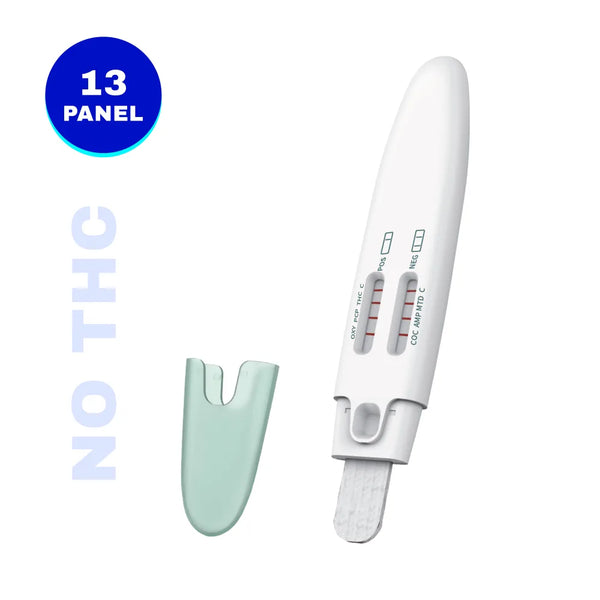
Saliva Stik
SMSPD-5127NTAK-EUO
AMP50, BAR50, BUP5, BZO50, COC20, MET50, MTD30, OPI40, OXY20, PCP10, FEN20, ALCO20, K220
as low as$2.14each
View Product →
ASC
CDOA-7105FUO
FEN20, AMP1000, BUP10, BZO300, COC300, MET1000, MTD300, OPI300, OXY100, THC50
as low as$1.92each
View Product →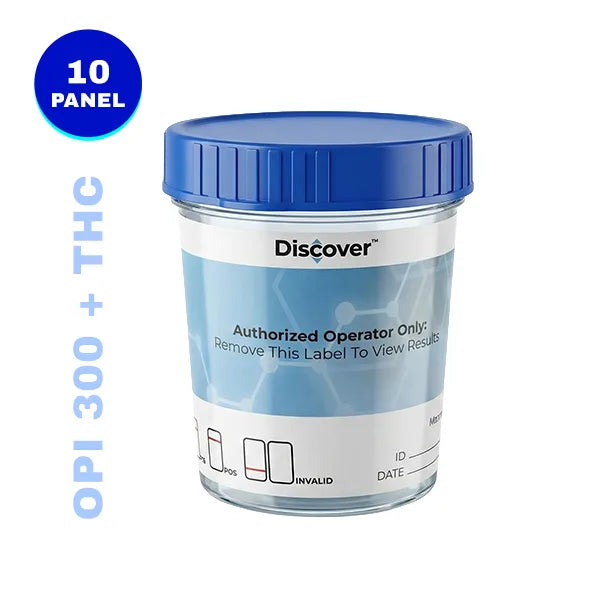
Discover Plus
DISP-CUP5104N$
MOP(OPI)300, OXY100, COC150, MET500, MTD300, BAR300, BZO300, AMP500, THC50, BUP10
as low as$2.58each
View Product →
ASC
HCDOAV-10115
AMP1000, BAR300, BUP10, BZO300, COC300, MDMA500, MET1000, MOP300, MTD300, OXY100, PCP25
as low as$3.28each
View Product →
ASC
HCDOAV-1145
AMP1000, BAR300, BUP10, BZO300, COC300, MDMA500, MET1000, MOP300, MTD300, OXY100, PCP25, PPX300, TCA1000, THC50
as low as$2.84each
View Product →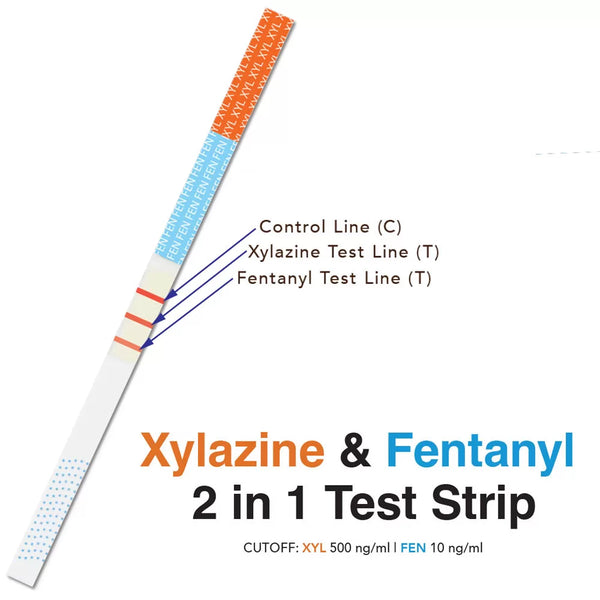
ASC
DOA-101
XYL500, FEN 10
as low as$0.55each
View Product →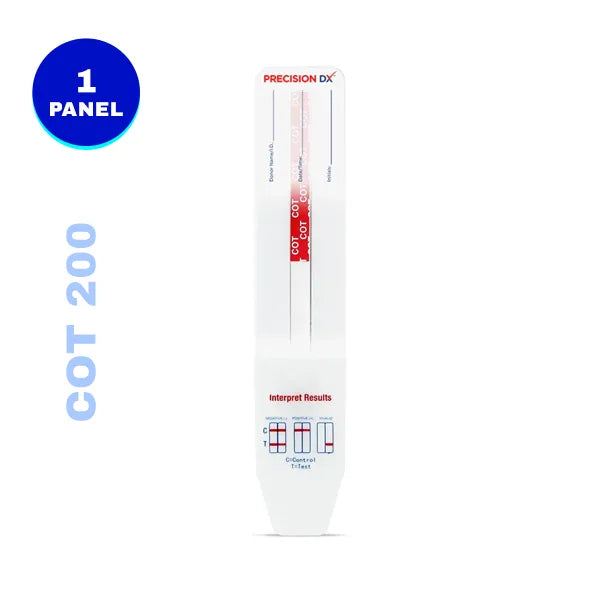
Precision DX
PREDX-MDCT-U23
COT 200
as low as$0.47each
View Product →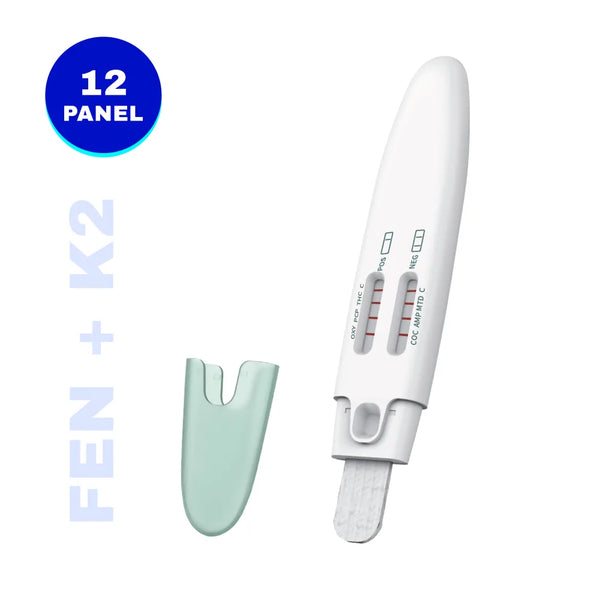
Saliva Stik
SMSPD-4126AFK-EUO
AMP50, BAR50, BUP5, BZO50, COC20, MET50, MTD30, OPI40, OXY20, FYL20, ALCO20, K220
as low as$2.01each
View Product →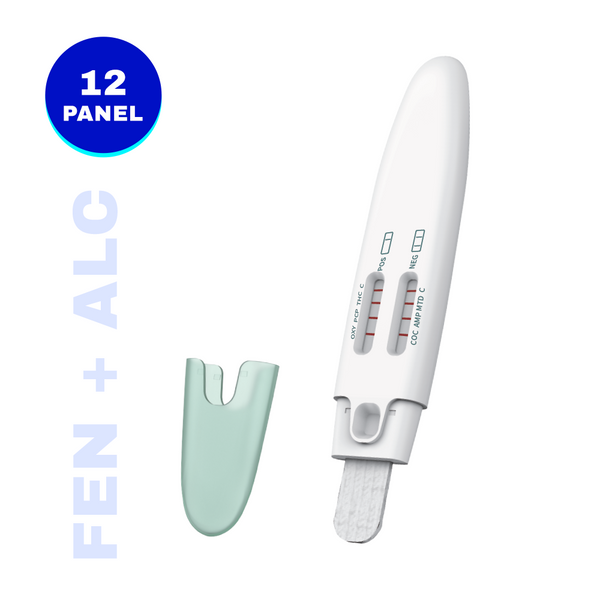
Saliva Stik
SMSPD-7126AF-FUO
AMP50, BAR50, BUP5, BZO50, COC20, MDMA50, MET50, MTD30, OPI40, OXY20, FEN20, ALCO20
as low as$2.01each
View Product →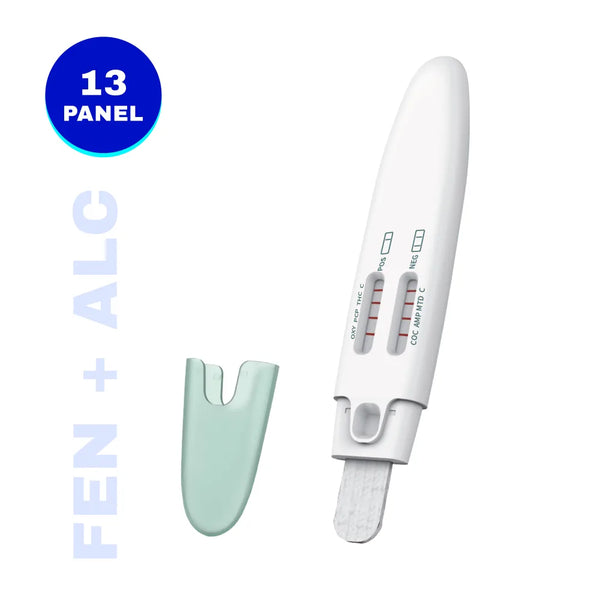
Saliva Stik
SMSPD-1227NT-EUO
AMP50, BAR50, BUP5, BZO50, COC20, MDMA50, MET50, MTD30, OPI40, OXY20, PCP10, FEN20, ALCO20
as low as$2.44each
View Product →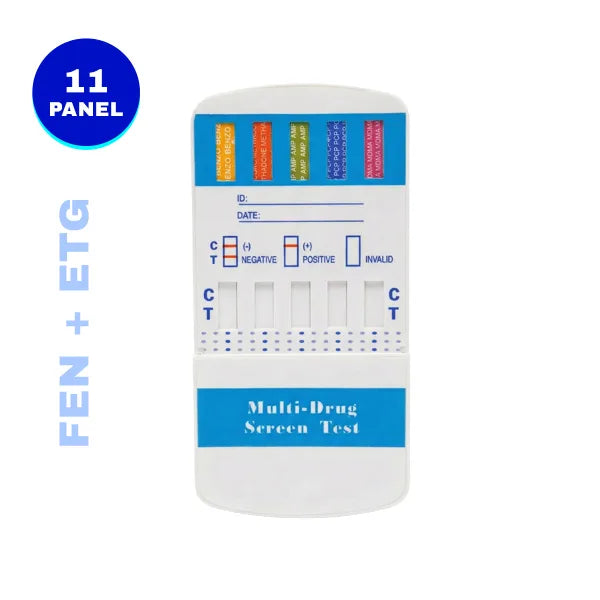
ASC
W28114W/ETG
AMP, BUP, BZO, COC, FEN, MAMP, MDMA, MOR, MTD, OXY, THC, ETG
as low as$2.75each
View Product →
Reveal
REVEAL-EMP
AMP, THC, MAMP, OPI, PCP, BAR, BZO, MTD, OXY, MDMA, TCA, COC
as low as$61.13each
View Product →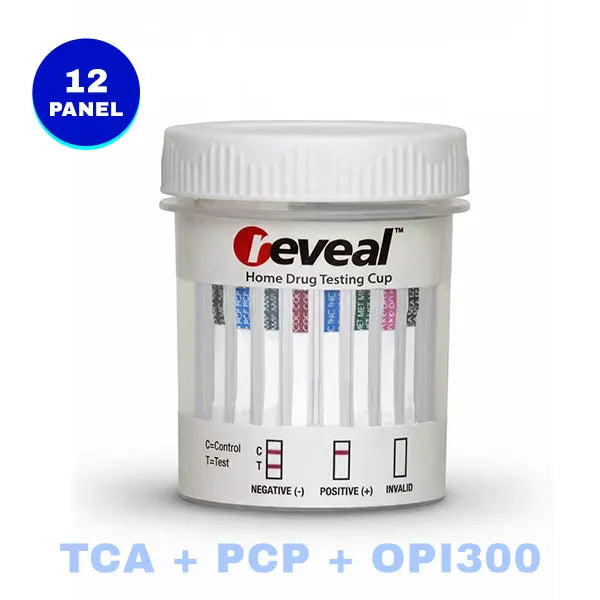
Reveal
ASCRCUP3124NDI
THC, COC, AMP, OPI300, MAMP, PCP, BAR, BZO, MTD, MDMA, OXY, TCA
as low as$2.66each
View Product →
Precision DX
DISPDOA7134NHS
COC, FEN, MAMP, THC, BZO, OPI, OXY, MOP, BUP, MTD, AMP, TRA, ETG
as low as$0.08each
View Product →




ASC
WET-25
ETG 300
as low as$0.51each
View Product →
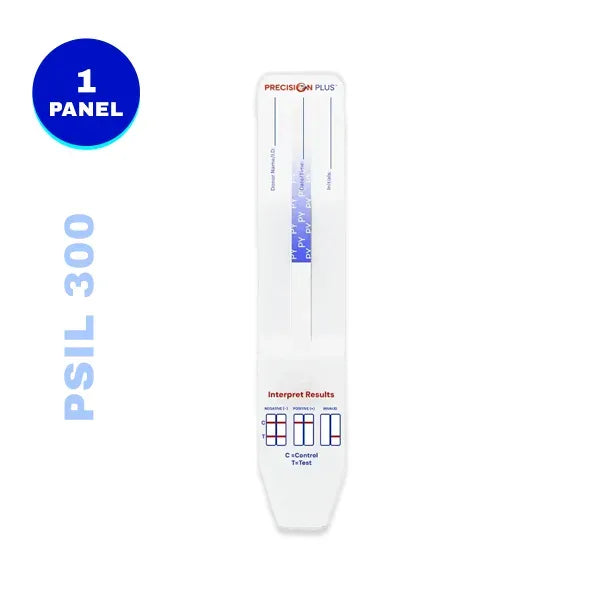
Precision Plus
PREDX-PY-114N
PSIL 300
as low as$0.51each
View Product →

Saliva Stik
SALIVASTIK-2125
AMP50, BAR50, BUP5, BZO50, COC20, MDMA50, MET50, MTD30, OPI40, OXY20, FEN20, ALC20
as low as$2.42each
View Product →Saliva Stik
SALIVASTIK-2135
AMP50, BAR50, BUP5, BZO50, COC20, MET50, MTD30, OPI40, OXY20, PCP10, FEN20, ALC20, K220
as low as$2.71each
View Product →
ASC
HETG-105c
ETG 300
as low as$0.48each
View Product →

ASC
HETG-105A
ETG 500
as low as$0.48each
View Product →


No products match your filters. Try another panel count, brand or search.
Patient on prescribed oxycodone should test positive for oxycodone, not for a generic "opiates" hit. ASC's pain-clinic panel separates OXY, OPI, FEN, BUP, MTD so expected vs. unexpected is unambiguous.
Heroin metabolite, fentanyl, or street-source opioid on a patient prescribed only oxycodone: flagged on the POC test, confirmed by LC-MS-MS, documented in the patient agreement workflow.
Low-risk patients quarterly. Moderate-risk monthly. High-risk weekly with prescriber notification. CDC-guideline-aligned schedule built into your subscription.
Lot, COA, COC, and result archive searchable by patient, date, or DEA inspection request. Records held indefinitely for the 5-year DEA inspection window and beyond.
The CDC 2022 opioid prescribing guideline calls for UDS at initiation and at least annually, more frequently for higher-risk patients. In practice, defensible pain-clinic programs use risk stratification: low-risk quarterly, moderate-risk monthly, high-risk weekly with prescriber-of-record review. Patients on doses above 50 MME/day generally move to at-minimum quarterly. Patients with a documented history of substance use disorder, prior unexpected findings, or social risk factors stay on monthly or weekly. The exact cadence is a clinical judgment; ASC sizes supply to whichever cadence your protocol mandates.
Expected: prescribed medication appears in the result. Patient on oxycodone tests positive for oxycodone. Unexpected: anything else. A prescribed-oxycodone patient testing positive for heroin metabolites, fentanyl, methamphetamine, or unprescribed benzos is unexpected. Equally unexpected: the prescribed medication is absent (suggests diversion or non-adherence). The 14-panel pain cup separates OXY, OPI, FEN, BUP, MTD precisely to make the expected-vs-unexpected logic clean. Generic "opiates" hits without specificity create false-conflicts that confound the workflow.
No. Only the clinically actionable ones. Expected-positive results (prescribed medication present at expected concentration) usually don't need confirmation. Unexpected positives, unexpected negatives (prescribed med missing), and dilute or adulterated specimens always need LC-MS-MS confirmation before a prescribing decision changes. The split-specimen-or-confirm rule lives in your pain agreement; the patient signs acknowledging confirmation testing may be ordered.
PDMP is the prescription side; UDS is the adherence side. They corroborate each other but don't replace each other. A patient PDMP-clean but UDS-positive for unprescribed substances tells one story; PDMP showing multi-prescriber activity with UDS-clean for prescribed medications tells another. Most pain practices query PDMP at every refill encounter and run UDS on the schedule. Records of both go into the chart, and when DEA or the medical board reviews, they expect to see both data streams reconciled.
Don't act on a POC alone. Confirm with LC-MS-MS. Once confirmed, the response options live in your patient pain agreement and clinical judgment: dose taper, addiction medicine referral, transition to buprenorphine treatment if opioid use disorder is identified, discontinuation, or discharge from the practice per the signed agreement. The clinical conversation with the patient happens; the documentation of the conversation, decision, and rationale lives in the chart. Sudden tapers without supportive transition are rarely the right answer; the CDC 2022 guideline specifically warns against forced rapid discontinuation.
State medical marijuana programs vary enormously in their interaction with chronic opioid therapy. Some pain practices accept medical-card-holding patients with documented THC use; others discharge any THC-positive patient. The decision is clinical and policy-driven, not regulatory. DEA doesn't mandate either approach. Whichever position your practice takes belongs in the written pain agreement at intake. Document the decision rationale in the chart. The UDS panel includes THC by default; some practices remove it for medical-marijuana-permissive states to avoid documenting a finding they won't act on.
UDS results are part of the medical record and follow state medical-record retention statutes, typically several years and longer for minors. Practice closure can add further retention obligations. ASC retains the supply-side documentation (lot, COA, COC) indefinitely, searchable by date or lot. Your EMR retains the result. Together they reconstruct any historical test if DEA pulls a chart years later.