Quick answer: Treatment-center oral fluid kits are saliva immunoassay screens for THC, cocaine, amphetamines, opioids, and PCP. HHS initial cutoffs include THC 4 ng/mL and amphetamines 50 ng/mL. Most drugs are detectable for 24-48 hours. FDA-cleared, CLIA-waived kits give results in 5-10 minutes. Every positive is preliminary; confirm by GC/MS or LC-MS/MS.
- Observed saliva collection cuts substitution risk and supports intake, random, and court-ordered screens.
- Match panel count and ng/mL cutoffs to program rules; add fentanyl when the local supply requires it.
- American Screening Corp supplies FDA-cleared, CLIA-waived oral fluid kits; confirm every preliminary positive by GC/MS or LC-MS/MS.
What do treatment-center oral fluid kits detect?
Oral fluid testing is a point-of-care immunoassay of saliva. Treatment programs use it at intake, on random or for-cause days, and when a court or probation officer needs a same-visit screen.
A core panel screens for delta-9-tetrahydrocannabinol (THC), cocaine, amphetamines and methamphetamine, opiates (morphine and codeine), and phencyclidine (PCP). Expanded devices add oxycodone, hydrocodone, hydromorphone, oxymorphone, 6-acetylmorphine, buprenorphine, methadone, benzodiazepines, barbiturates, and fentanyl.
Most drugs are typically detectable in oral fluid for about 24-48 hours after use. THC is often closer to 12-24 hours. Alcohol in saliva usually reflects hours, not days. Dose, frequency, cutoff, and residual drug in the mouth change those windows, so staff must follow the device insert rather than a single chart.
Treatment-center buyers most often ask whether saliva can replace urine at intake and whether fentanyl is on the device. Standard opiate antibodies do not reliably detect fentanyl. If fentanyl is in the local supply, specify a fentanyl analyte and send every non-negative result to laboratory confirmation.
What cutoff levels and FDA or CLIA status should you require?
A cutoff is the ng/mL concentration at which the immunoassay is designed to call a screen non-negative. If a payer, court, or state contract does not set cutoffs, many buyers reference the HHS Mandatory Guidelines for Federal Workplace Drug Testing Programs using Oral Fluid (Federal Register, October 25, 2019).
Those HHS initial cutoffs include THC at 4 ng/mL, cocaine at 15 ng/mL, codeine and morphine at 30 ng/mL, hydrocodone and hydromorphone at 30 ng/mL, oxycodone and oxymorphone at 30 ng/mL, 6-acetylmorphine at 4 ng/mL, phencyclidine at 10 ng/mL, and amphetamines at 50 ng/mL. Confirmatory cutoffs are lower. A treatment program is not a federal workplace unless a contract says so; print the kit's labeled cutoffs in your policy.
FDA-cleared means the device has 510(k) clearance for the intended use on the label. CLIA-waived (Clinical Laboratory Improvement Amendments) means a waived site may run the test as instructed, which is how most outpatient programs operate. Kits labeled forensic use only are not for clinical diagnostic claims. Verify 510(k) and CLIA status on the product record before results enter a patient chart.
SAMHSA describes federal workplace oral-fluid testing on its Drug Testing page, as of November 2026. DOT procedures in 49 CFR Part 40 allow oral fluid in transportation testing when collectors and laboratories meet Part 40. Do not mix a waived clinic screen with a DOT collection unless you follow Part 40 from collection through Medical Review Officer review.
When should a treatment center use oral fluid instead of urine?
Choose oral fluid when collection must be fully observed in an office, when substitution has been a problem, or when the clinical question is recent use. Choose urine when you need a longer look-back or when your protocol already depends on urine immunoassay cups and specimen-validity checks.
Oral fluid does not replace urine for every decision. It answers a shorter window with a cleaner chain of observation. Many programs keep both methods and apply the same confirmation rule to each.
| Factor | Oral fluid kit | Urine cup |
|---|---|---|
| Collection | Fully observed in an office | Restroom; observed urine needs a same-sex observer |
| Typical detection window | About 24-48 hours for many drugs | Often days, analyte-dependent |
| Substitution risk | Low when observed | Higher if unobserved |
| Bathroom required | No | Yes |
| Time to result | Often 5-10 minutes | Often about 5 minutes |
| Positive result | Preliminary; confirm by GC/MS or LC-MS/MS | Preliminary; confirm by GC/MS or LC-MS/MS |
If some visits still require urine, keep drug test cups on the same confirmation pathway as saliva. For wholesale or private-label oral fluid inventory, contact American Screening Corp.
How do you collect oral fluid and read the kit?
Run every device exactly as the package insert states. The sequence below is a typical waived-site workflow, not a substitute for the insert or for state laboratory rules.
- Verify identity and explain that this is a saliva screen, not a diagnosis.
- Check device lot and expiration. Do not use damaged pouches.
- Follow the insert for food, drink, smoking, or tobacco (often a 10-minute wait).
- Have the donor place the collector in the mouth until the volume indicator shows enough oral fluid.
- Seat the collector in the device and start the timer immediately.
- Read at the insert's read time (commonly 5-10 minutes). Do not read after the maximum time.
- Record donor, device lot, start time, read time, and the person who read the device. Photograph only if policy allows.
- Treat any non-negative, invalid, or out-of-time result as not negative. Send confirmation specimens per your lab protocol.
What belongs on a treatment-center purchasing checklist?
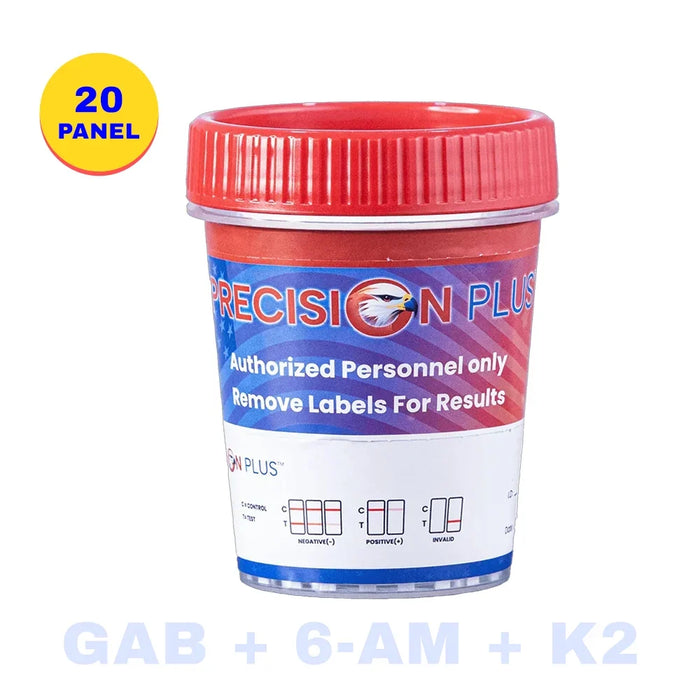
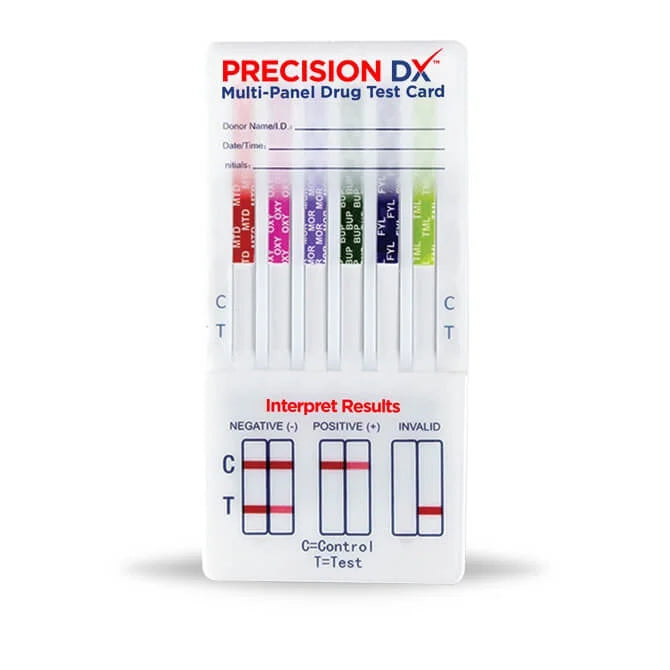
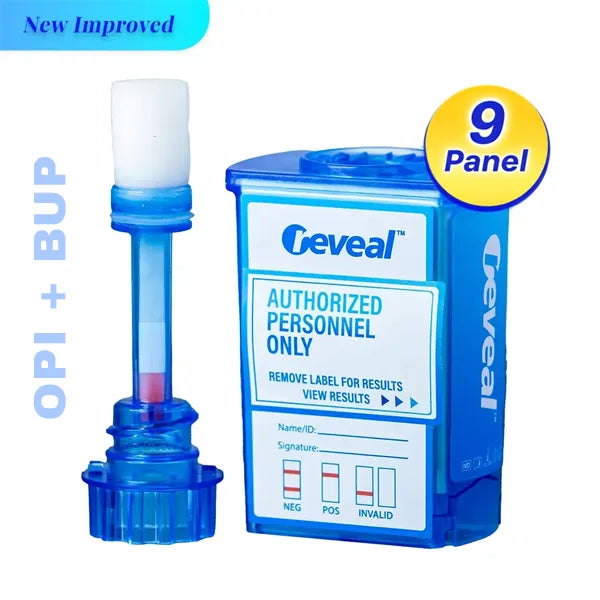
Buy for the census you actually serve, not for a generic five-panel. American Screening Corp, based in Shreveport, Louisiana, ships oral fluid kits, urine devices, and confirmation supplies nationwide, often same-day, to clinics, treatment centers, courts, and labs.
- FDA-cleared and CLIA-waived labeling for your intended use
- Panel list that includes fentanyl if needed; do not assume opiates cover fentanyl
- Printed ng/mL cutoffs that match program or court rules
- Clear read time and control-line instructions
- Enough collectors and volume indicators for your daily census
- Chain-of-custody forms for court-involved clients
- A GC/MS or LC-MS/MS confirmation laboratory on contract
- Storage, expiration, and temperature limits from the insert
- Lot quality-control and staff competency records
- Replacement stock so a stockout does not stop intake
How should you handle a preliminary positive?
Every positive screen is preliminary; confirm by GC/MS or LC-MS/MS laboratory testing. Do not treat an unconfirmed waived result as proof of use when discharge, medication, employment, or court action depends on the finding.
For court-involved clients, use chain-of-custody forms, identify the donor, and record lot number, expiration, collection time, read time, and the person who read the device. Invalid, out-of-time, or unreadable devices are not negatives. Recollect or send a laboratory specimen per protocol.
Keep lot quality-control and competency files. Replace stock before expiration so intake does not stop.
Frequently asked questions
Are oral fluid kits CLIA-waived for use inside a treatment center?
Many point-of-care oral fluid immunoassays are FDA-cleared and CLIA-waived when used exactly as labeled. Confirm CLIA categorization on that kit's labeling. Devices marked forensic use only are not for clinical diagnostic use. Follow the package insert.
How long can a treatment-center oral fluid test detect drugs?
Most drugs are typically detectable in saliva for about 24-48 hours. THC is often closer to 12-24 hours. Alcohol is usually hours, not days. Dose, frequency, and cutoff change the window. Use the manufacturer insert, not a single rule.
Do treatment centers have to confirm a positive oral fluid screen?
A rapid oral fluid result is preliminary. Confirm every non-negative screen by GC/MS or LC-MS/MS before clinical, employment, or court action that relies on the result. Keep chain of custody. This is general information, not legal advice.
What panel should a treatment program order?
Start with THC, cocaine, amphetamines, opiates, and PCP, then add oxycodone, buprenorphine, methadone, benzodiazepines, and fentanyl to match your census. Standard opiate lines do not reliably detect fentanyl. Align the panel with your policies and payer or court contracts.
Sources
- SAMHSA: Drug Testing (Workplace)
- HHS Mandatory Guidelines for Federal Workplace Drug Testing Programs — Oral Fluid (Federal Register, October 25, 2019)
- FDA: Clinical Laboratory Improvement Amendments (CLIA)
This is general information, not medical or legal advice.
Last updated November 2026. American Screening Corp, Shreveport, Louisiana.