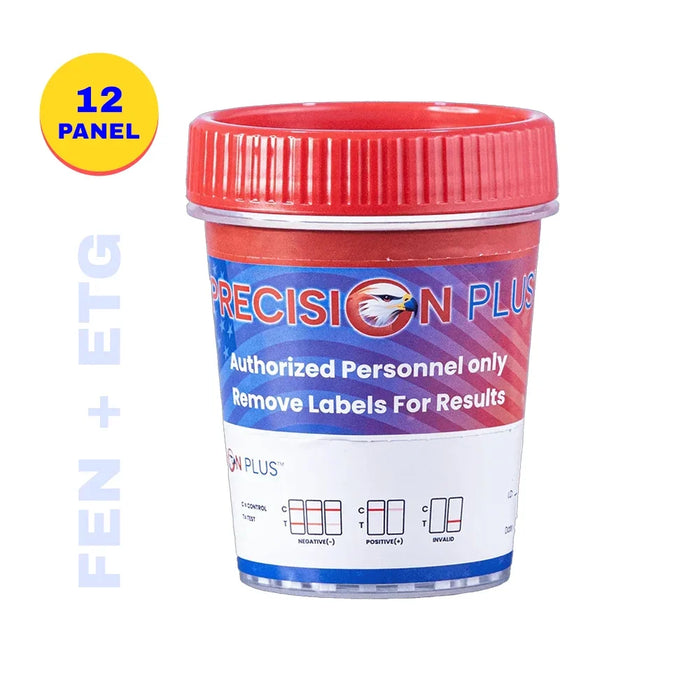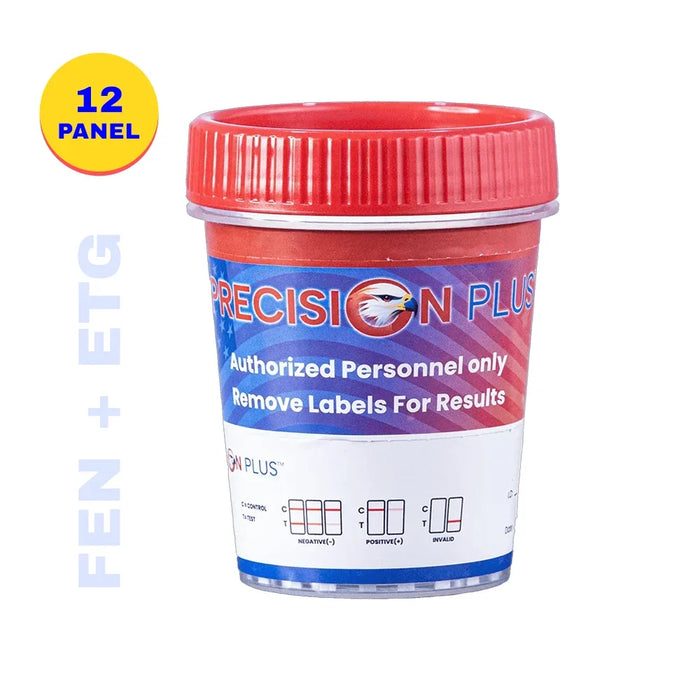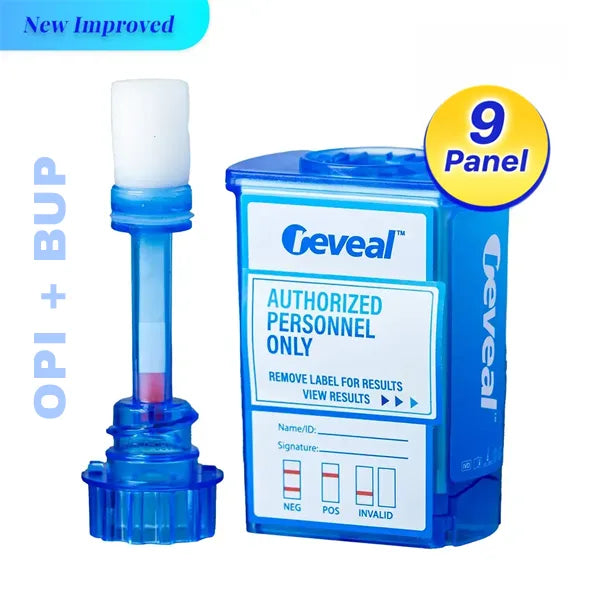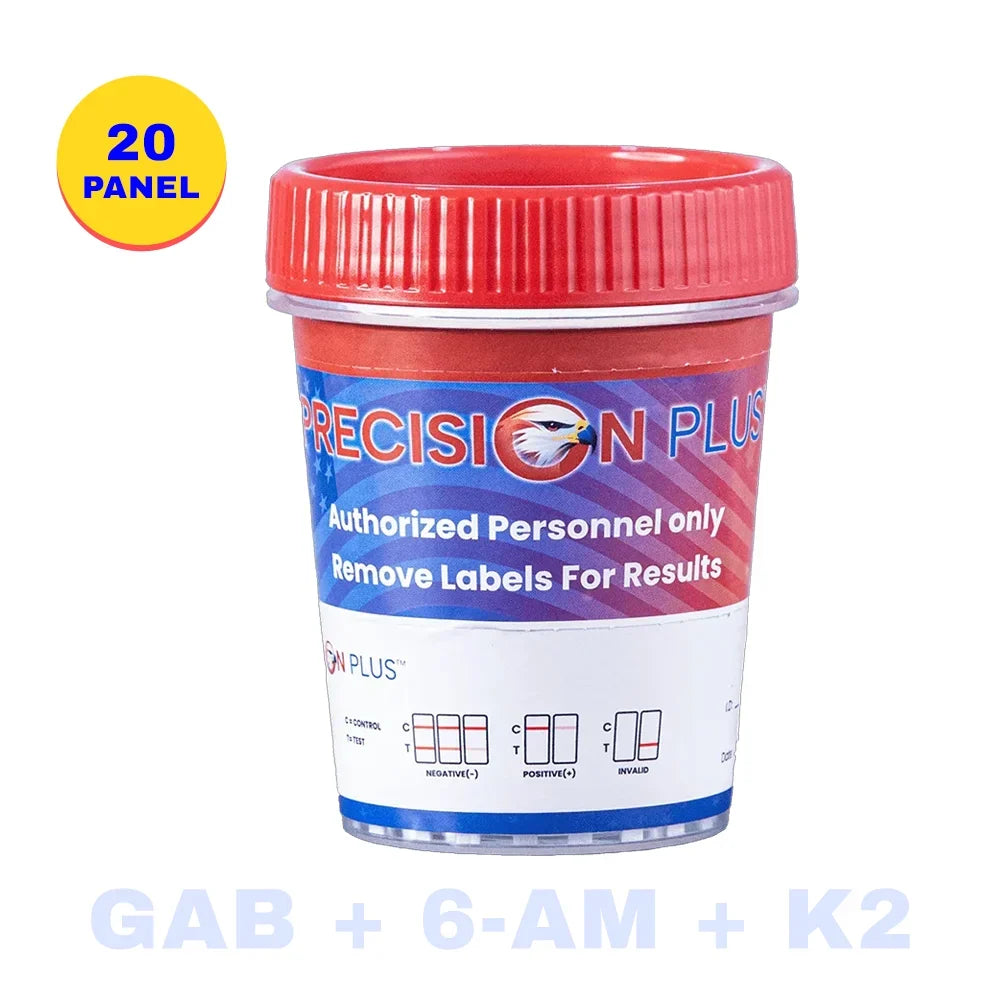
Quick answer: CLIA-waived cups are FDA-cleared urine immunoassay screens used at collection sites for on-site preliminary drug testing. Panels typically use SAMHSA-aligned cutoffs such as THC 50 ng/mL and cocaine 150 ng/mL. Detection windows are usually 1–3 days for most drugs. Every positive is preliminary; confirm by GC/MS or LC-MS/MS. They are intended for clinics, courts, treatment centers, and non-DOT workplace programs.
- Collection sites use CLIA-waived cups for preliminary on-site urine immunoassay screens, not as a final forensic or DOT laboratory result.
- Common HHS screening cutoffs include THC 50 ng/mL, cocaine 150 ng/mL, amphetamines 500 ng/mL, and opiates 2,000 ng/mL; every non-negative needs GC/MS or LC-MS/MS confirmation.
- American Screening Corp supplies FDA-cleared, CLIA-waived multi-panel cups to clinics, courts, treatment centers, and employers nationwide.
Last updated November 2026. Written for collection-site, clinic, court, treatment, staffing, and employer buyers. Reviewed by American Screening Corp product specialists.
What is a CLIA-waived drug test cup?
A CLIA-waived cup is a single-use urine drug screen that the U.S. Food and Drug Administration has cleared and categorized as waived under the Clinical Laboratory Improvement Amendments. The FDA Clinical Laboratory Improvement Amendments (CLIA) page (as of November 2026) describes waived tests as simple procedures with a low risk of an erroneous result.
Each panel is an immunoassay. Antibodies bind a drug or metabolite at a printed cutoff in nanograms per milliliter (ng/mL). A control line shows the strip flowed. No test line at or above cutoff is a presumptive positive. A visible test line plus control line is negative for that analyte. The cup does not identify a specific compound the way GC/MS or LC-MS/MS does.
Do collection sites need CLIA-waived cups?
If staff collect urine and read an instant result, the device should be FDA-cleared and CLIA-waived, and the site generally needs a CLIA Certificate of Waiver from the Centers for Medicare and Medicaid Services (CMS Clinical Laboratory Improvement Amendments, as of November 2026).
If you only collect, seal, and ship to an HHS-certified laboratory, the lab result is the test of record. DOT drug testing under 49 CFR Part 40 uses HHS-certified laboratories, not an on-site cup (DOT Office of Drug and Alcohol Policy and Compliance, 49 CFR Part 40, as of November 2026). Many sites run both workflows: DOT collections go to the lab; non-DOT workplace, treatment, clinic, staffing, and court screens are read on a CLIA-waived cup the same day.
What do the cups detect, and at which cutoffs?
Multi-panel cups typically screen HHS federal workplace classes and, when labeled, extra clinical classes such as benzodiazepines, barbiturates, methadone, or buprenorphine. American Screening Corp offers 5- to 18-panel drug test cups. Match the SKU insert; do not assume every cup carries every analyte or cutoff.
HHS urine initial-test cutoffs in the Mandatory Guidelines for Federal Workplace Drug Testing Programs (Federal Register, as of November 2026) include:
- Marijuana metabolites (THC): 50 ng/mL
- Cocaine metabolite: 150 ng/mL
- Amphetamine, methamphetamine, and MDMA: 500 ng/mL
- Codeine and morphine: 2,000 ng/mL
- Hydrocodone and hydromorphone: 300 ng/mL
- Oxycodone and oxymorphone: 100 ng/mL
- Phencyclidine (PCP): 25 ng/mL
- 6-acetylmorphine: 10 ng/mL
A commercial cup may use a different cutoff. FDA-cleared labeling on that device controls. Every positive screen is preliminary; confirm by GC/MS or LC-MS/MS laboratory testing.
Cup screen versus laboratory confirmation
| Program need | CLIA-waived cup | GC/MS or LC-MS/MS lab |
|---|---|---|
| Result in minutes on site | Yes, preliminary immunoassay | No; hours to days |
| DOT test of record (49 CFR Part 40) | No | Yes, HHS-certified lab |
| Non-DOT workplace, clinic, or court screen | Yes, with CLIA waiver | Used to confirm non-negatives |
| Identifies a specific drug compound | No | Yes |
| CLIA category | Waived device plus Certificate of Waiver | Certified laboratory |
How long is the detection window?
Detection windows are planning ranges, not medical findings. They change with dose, frequency, cutoff, fluid intake, and metabolism. Collection sites typically plan on about 1–3 days for amphetamines and short-acting opioids, about 2–4 days for cocaine, about 3–7 days for PCP, and about 1–3 days for cannabis after limited use, longer with frequent use. Do not use a cup to prove impairment, time of use, or a clinical diagnosis.
How to choose a cup for a collection site
Start from the written policy, court order, or treatment contract, not from the largest panel. Extra analytes create extra preliminary positives you must confirm. Then verify FDA 510(k) clearance and CLIA-waived status for that exact product.
Integrated cups collect and test in one device, which reduces pour-off errors. Drug test dip cards remain useful when you already have a specimen cup. High-volume sites order wholesale from American Screening Corp in Shreveport, Louisiana, with same-day shipping nationwide.
Buyer checklist
- Confirm FDA 510(k) and CLIA-waived status on the SKU, not just the catalog headline.
- Match printed ng/mL cutoffs to the program (THC 50 ng/mL is the usual workplace screen).
- Require a temperature strip; DOT collections use 90–100°F as the acceptable range (49 CFR Part 40).
- Train staff on control lines, read time, and the do-not-read-after window on the insert.
- Keep a GC/MS or LC-MS/MS path for every non-negative and every invalid result.
- Use chain-of-custody when the result may affect employment, licensure, or a court program.
- Stock 5- to 18-panel counts that match each client; document lot, expiration, and storage.
How to run and read a CLIA-waived cup
Follow the manufacturer instructions for use. Collection-site buyers ask us for this sequence most often.
- Verify pouch integrity, expiration date, and that the cup is the CLIA-waived SKU on the order.
- Have the donor provide urine in the cup. Read the temperature strip within the insert time (commonly about 4 minutes; 90–100°F is the usual acceptable band).
- Seat the lid. Place the cup on a flat surface and start the manufacturer read time (often 5 minutes).
- Read each panel: control line present means the strip ran; no test line is a preliminary positive; a test line is negative for that cutoff.
- Do not interpret after the maximum read time. Record lot, time, panels, and temperature.
- Treat any positive, invalid, or out-of-temperature specimen as preliminary. Send it for GC/MS or LC-MS/MS confirmation per policy.
What collection-site buyers ask before they order
Support questions cluster on whether a given cup is CLIA-waived, whether it can be the DOT test of record (it cannot), which panel matches a probation or treatment contract, and how to handle a faint test line. A faint line is still a line; the insert controls. Wrong panel count or a cutoff that does not match the written policy is the usual reason a site restocks.
Ask for the 510(k) and CLIA categorization on the SKU you will issue to collectors. American Screening Corp supplies FDA-cleared, CLIA-waived cups and related collection supplies to clinics, hospitals, treatment centers, courts, labs, staffing firms, and employers.
Sources
- FDA, Clinical Laboratory Improvement Amendments (CLIA)
- HHS, Mandatory Guidelines for Federal Workplace Drug Testing Programs (Federal Register)
- DOT, 49 CFR Part 40
FAQ
Can collection sites use CLIA-waived cups for on-site screening?
Yes, for non-DOT and clinical or court programs, if the cup is FDA-cleared and CLIA-waived and the site holds a CMS CLIA Certificate of Waiver. DOT-regulated drug tests still require an HHS-certified laboratory under 49 CFR Part 40.
Do we need a CLIA certificate to read cup results?
If your staff interpret the immunoassay on-site, CMS expects a CLIA Certificate of Waiver for waived tests. Collection-only sites that never read a result and only ship to a lab follow a different workflow. Confirm enrollment rules with CMS. This is not legal advice.
What cutoff levels should collection-site cups use?
Many workplace cups follow HHS urine screening cutoffs: THC 50 ng/mL, cocaine 150 ng/mL, amphetamines 500 ng/mL, opiates 2,000 ng/mL, and PCP 25 ng/mL. Match the insert to the written policy. Every positive is preliminary pending GC/MS or LC-MS/MS.
Can a CLIA-waived cup replace GC/MS confirmation?
No. Cup results are preliminary immunoassays. Any positive or invalid screen should be confirmed by GC/MS or LC-MS/MS at a qualified laboratory. Do not take employment, court, or treatment action on an unconfirmed screen alone.
This is general information, not legal or medical advice.