The Difference Between a DOT and a Non-DOT Drug Test
A DOT drug test is a federally regulated screen that must follow 49 CFR Part 40, use a fixed five-drug panel, and be processed through trained collectors, HHS-certified laboratories, and a medical review officer (MRO). A non-DOT drug test is any other employment, clinical, court, probation, or staffing screen that is not required to follow those federal procedures, so the buyer chooses the panel, specimen, cutoffs, and how results are documented.
That distinction drives purchasing, collector training, paperwork, and whether an instant device can be used on site. FMCSA, FAA, FRA, FTA, PHMSA, and U.S. Coast Guard safety-sensitive employers must run DOT tests for events in their modal rules. Clinics, hospitals, addiction-treatment programs, courts, staffing firms, and most private employers run non-DOT tests under policy, state law, or court order. American Screening Corp (ASC) in Shreveport, Louisiana supplies wholesale urine cups, dip cards, oral fluid tests, breathalyzers, DOT-compliant collection kits, and lab confirmation to those buyers.
DOT Drug Test Panel and Federal Procedures
The DOT drug test panel is a five-category immunoassay screen with laboratory confirmation of non-negative results, not a 10-panel or 12-panel workplace cup. Under current DOT and HHS rules, the panel targets marijuana metabolites (THC); cocaine metabolites; amphetamines (amphetamine, methamphetamine, MDMA, and MDA); opioids (codeine, morphine, 6-acetylmorphine, hydrocodone, hydromorphone, oxycodone, and oxymorphone); and phencyclidine (PCP). Benzodiazepines, barbiturates, methadone, buprenorphine, fentanyl, and tramadol are not on the DOT drug panel. Alcohol is tested separately under DOT alcohol rules, usually with an evidential breath device.
DOT collections must use the federal Custody and Control Form (CCF), follow Part 40 collector procedures, and send a split urine specimen—or an oral fluid specimen when Part 40 and laboratory certification allow it—to an HHS-certified laboratory. An MRO reviews confirmed positives, adulterated, substituted, and invalid results and interviews the donor before reporting to the employer. Instant cups and dip cards are not a substitute for the certified laboratory result on a DOT-regulated test. Stock DOT-compliant collection kits that support volume checks, temperature readings, split-specimen handling, CCF completion, and shipment to the lab.
Regulated events include pre-employment, random, reasonable suspicion, post-accident, return-to-duty, and follow-up testing. If your clinic collects for motor carriers, keep DOT collections on a separate workflow from walk-in employment screens.
Order drug test cups and kits online at https://www.americanscreeningcorp.com/collections/drug-testing-cups, or call 1-866-526-2873 for bulk and wholesale pricing.
Non-DOT Drug Test Options
A non-DOT drug test is any screen not conducted under 49 CFR Part 40. Courts, probation departments, treatment centers, hospitals, clinics, staffing firms, and non-regulated employers use it to enforce policy, support clinical care, or satisfy a court order. You may choose urine or oral fluid, use instant devices, send every specimen to a laboratory, or screen on site and confirm non-negatives.
Typical non-DOT panels add drugs DOT does not cover, including benzodiazepines, barbiturates, methadone, buprenorphine, fentanyl, and tramadol. Five-, seven-, ten-, twelve-, and fourteen-drug configurations are non-DOT products when used outside Part 40. Cutoffs may follow SAMHSA workplace levels or a clinical menu. Chain-of-custody forms may be non-federal. An MRO is optional unless policy or a contract requires one.
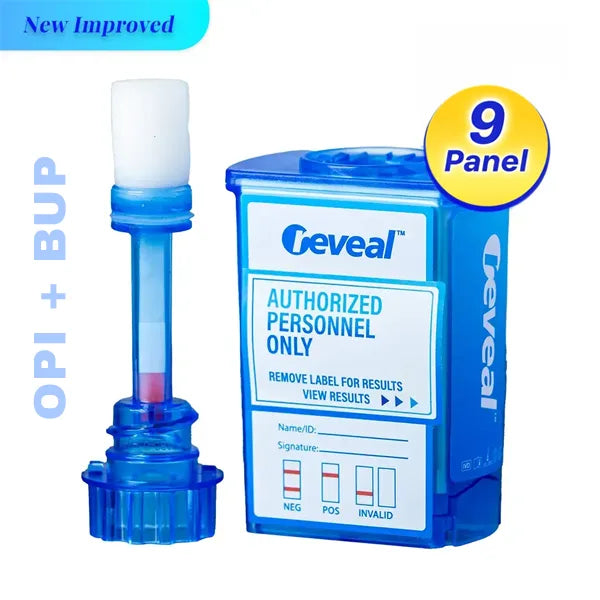
For high-volume screening, clinics and staffing offices often use urine drug test dip cards or multi-panel cups, then reflex non-negatives to laboratory confirmation. When observed urine collection is impractical, oral fluid tests reduce restroom logistics. Neither device replaces a DOT laboratory result. Write the panel and cutoffs into policy or the court protocol, train staff on temperature strips and specimen integrity, and decide in advance whether a screening-only result is enough before a hiring decision, probation action, or treatment change.
DOT vs Non-DOT Drug Test Comparison
Use this comparison when a client or hiring manager is unclear which program they need.
| Factor | DOT drug test | Non-DOT drug test |
|---|---|---|
| Governing rules | 49 CFR Part 40 and modal agency rules | Employer policy, state law, court order, or clinical protocol |
| Who it covers | Safety-sensitive transportation employees | Non-regulated staff, patients, probationers, and most new hires |
| Drug panel | Fixed five-category DOT panel | Buyer-selected 5, 7, 10, 12, or expanded clinical panel |
| Specimen | Urine (split) or oral fluid per Part 40 | Urine, oral fluid, or other accepted specimen |
| Collection form | Federal CCF | Non-federal custody form or site log |
| Laboratory | HHS-certified laboratory required | Optional; instant screen plus confirmation is common |
| MRO | Required | Optional unless policy requires one |
| Instant devices | Not a substitute for the certified lab result | Widely used for on-site screening |
| Alcohol | Separate DOT alcohol test | May be added per policy |
Buyer Checklist: Match the Kit to the Program
Use this list before you place a wholesale order:
- Confirm whether any donor is safety-sensitive under a DOT agency.
- If yes, use Part 40 collection kits, federal CCFs, HHS-certified labs, and an MRO—not an instant cup as the final result.
- If no, select a non-DOT panel that matches the drugs your policy, court, or treatment protocol needs.
- Decide urine cup versus dip card versus oral fluid based on setting and detection needs.
- Require laboratory confirmation of non-negative instant results before adverse action when policy requires it.
- Train collectors on the procedure that matches the test type; do not mix DOT and non-DOT paperwork.
- Stock DOT collection supplies and non-DOT instant devices as separate inventory if you serve both populations.
- Document device lot numbers, expiration dates, and temperature readings on every collection.
Occupational clinics and staffing firms often run both programs in one building. Keep CDL work on the DOT path and other hires on the non-DOT path. Separate inventory and forms so a 12-panel cup never enters a DOT collection. If an employer asks for a drug test, ask whether a DOT agency regulates the job; that answer determines panel, form, lab, and kit.
Order drug test cups and kits online at https://www.americanscreeningcorp.com/collections/drug-testing-cups, or call 1-866-526-2873 for bulk and wholesale pricing.
Sources
- 49 CFR Part 40 — Procedures for Transportation Workplace Drug and Alcohol Testing Programs
- FMCSA Overview of Drug and Alcohol Rules
- SAMHSA Drug-Free Workplace
Frequently Asked Questions
What drugs are on a DOT drug test panel?
The DOT panel covers five categories: marijuana metabolites, cocaine metabolites, amphetamines (including MDMA/MDA), opioids (codeine, morphine, 6-AM, hydrocodone, hydromorphone, oxycodone, oxymorphone), and PCP. Benzodiazepines, barbiturates, methadone, buprenorphine, and fentanyl are not on the DOT panel.
What is a non-DOT drug test?
A non-DOT drug test is any screen not conducted under 49 CFR Part 40. Clinics, courts, treatment programs, staffing firms, and non-regulated employers choose the panel, specimen, cutoffs, and whether to use instant devices and laboratory confirmation.
Can a 10-panel cup be used for a DOT drug test?
No. A DOT-regulated result must come from a Part 40 collection and an HHS-certified laboratory on the DOT five-category panel. A 10-panel instant cup is a non-DOT screening device and does not satisfy DOT testing rules.
Do employers need different supplies for DOT and non-DOT testing?
Yes. DOT work requires collection materials that support the federal CCF, split specimens, and certified-lab shipping. Non-DOT programs typically stock multi-panel cups, dip cards, or oral fluid devices for on-site screening, with lab confirmation as policy requires. Keep the two workflows separate.
This article is general information for testing-program buyers and is not legal or medical advice.