
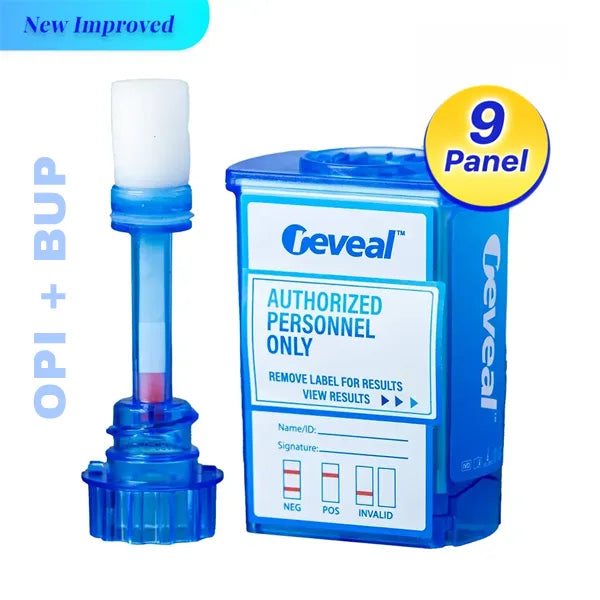
Quick answer: Staffing firms use saliva (oral fluid) drug tests to screen candidates for recent marijuana, cocaine, amphetamine and opiate use. Detection windows are typically 5 to 48 hours. HHS initial cutoffs include THC at 4 ng/mL (as of October 2019). Results are preliminary; confirm positives by GC/MS or LC-MS/MS.
- Oral fluid is collected on-site in minutes under observation and is harder to substitute than urine, which fits high-volume staffing desks. American Screening Corp supplies FDA-cleared oral fluid devices and related kits to staffing firms nationwide.
- HHS oral-fluid initial cutoffs (Mandatory Guidelines, as of October 2019) include THC 4 ng/mL, cocaine 15 ng/mL, amphetamines 25 ng/mL, and codeine/morphine 30 ng/mL.
- Every positive screen is preliminary; confirm by GC/MS or LC-MS/MS laboratory testing before you make an assignment decision.
Why do staffing firms use saliva drug tests?
Staffing firms use saliva drug tests when they need a fast, observed pre-assignment screen that does not require a restroom. An oral fluid drug test is an immunoassay or laboratory analysis of saliva for parent drugs and metabolites.
Need drug tests for your clinic, program or workplace?
American Screening Corp has supplied FDA-cleared, CLIA-waived tests at wholesale pricing since 2004. Popular options:
Ordering 100+ tests? Request volume pricing.
Collectors run the test at a branch, warehouse gate, or job trailer. Staffing coordinators who call us ask whether they can collect without a bathroom, how recent the window is, and whether the device is CLIA-waived.
Oral fluid testing covers the same common drug classes as a urine screen plus observed, restroom-free collection and a shorter recent-use window.
What do saliva tests detect, and how long do they last?
Most staffing panels look for marijuana (THC), cocaine, amphetamines or methamphetamine, opiates, and PCP. Expanded panels add oxycodone, hydrocodone, benzodiazepines, methadone, or fentanyl; read the insert for the exact list.
Detection windows are typically 5 to 48 hours. Approximate windows: THC (parent) up to about 24 hours in occasional users; cocaine 24 to 48 hours; amphetamines 24 to 48 hours; codeine, morphine, and 6-acetylmorphine 24 to 36 hours; PCP 24 to 48 hours. Dose, frequency, oral pH, and device change those ranges.
A negative result does not prove abstinence outside that window. Confirm every preliminary positive by GC/MS or LC-MS/MS. Oral fluid drug panels do not replace a breath alcohol test; use a screening or evidential breathalyzer when alcohol is in scope.
What cutoff levels apply (ng/mL)?
The HHS Mandatory Guidelines for Federal Workplace Drug Testing Programs — Oral/Fluid (Federal Register, October 25, 2019) set these initial test cutoffs, as of October 2019. Instant devices may use manufacturer cutoffs; the insert controls.
- Marijuana (THC): 4 ng/mL
- Cocaine / benzoylecgonine: 15 ng/mL
- Codeine / morphine: 30 ng/mL
- Hydrocodone / hydromorphone: 30 ng/mL
- Oxycodone / oxymorphone: 30 ng/mL
- 6-Acetylmorphine: 4 ng/mL
- Phencyclidine: 10 ng/mL
- Amphetamine / methamphetamine: 25 ng/mL
- MDMA / MDA: 25 ng/mL
Confirmatory cutoffs in those guidelines include THC 2 ng/mL, cocaine 8 ng/mL, and 15 ng/mL for amphetamines and most opioids (PCP remains 10 ng/mL). DOT added oral fluid under 49 CFR Part 40 (final rule May 2, 2023, as of May 2023). Instant office screens do not replace a Part 40 test. Use a certified collector and HHS-certified laboratory for CDL and other DOT-covered placements.
Are saliva drug tests FDA-cleared and CLIA-waived?
Many point-of-care oral fluid immunoassays are FDA-cleared (510(k)) and CLIA-waived. Verify both on the labeling for the exact device. Forensic-use-only products must be labeled as such and are not for clinical diagnostic use.
CLIA-waived status lets a staffing office run the screen without a high-complexity lab if you follow the insert and document results. It is not a claim of perfect accuracy and it is not a medical diagnosis. SAMHSA workplace programs treat the immunoassay as a first step; laboratory confirmation is the result used for an employment decision.
How does oral fluid compare with urine for staffing?
Choose the specimen that matches the site and whether the placement is DOT-regulated. Many firms keep both: saliva at the branch, urine when they need a longer window.
| Factor | Oral fluid (saliva) | Urine |
|---|---|---|
| Collection site | Branch, trailer, or gate; no restroom | Restroom required |
| Observation | Fully observed | Usually unobserved |
| Typical detection window | About 5–48 hours (recent use) | About 1–3 days for most drugs; longer for chronic cannabis |
| THC target | Parent THC (HHS initial 4 ng/mL) | THC-COOH metabolite (federal urine initial 50 ng/mL) |
| Adulteration risk | Lower | Higher without observation |
| DOT 49 CFR Part 40 | Allowed with certified lab/collector (as of May 2023) | Standard DOT specimen |
| Best staffing fit | Same-day dispatch, no bathroom, recent-use concern | Longer lookback, large urine panels, restroom workflow |
If you already buy drug test cups, add oral fluid for sites that cannot support a urine collection. Do not mix cutoffs or reading times across device types.
How do you collect and read an oral fluid test?
Follow the device insert. This typical sequence is for a CLIA-waived lateral-flow saliva screen, not a substitute for manufacturer training.
- Confirm donor identity and consent. Check that the device is in date and the pouch is intact.
- Have the donor avoid food, drink, tobacco and gum for the insert wait, often 10 minutes.
- Place the collector pad in the mouth until the volume indicator trips.
- Seat the collector in the device or vial and start the timer immediately.
- Read only inside the stated window, often 5 to 10 minutes. No control line means invalid.
- Interpret lines per the insert. Send every preliminary positive for GC/MS or LC-MS/MS confirmation. Record lot, times, operator and result.
Invalids we see in support almost always come from reading after the maximum time or skipping the pre-collection wait. Retrain rather than re-interpret.
What should a staffing saliva testing program include?
Build policy, training, and confirmation before the first order. Same-day shipping nationwide helps only after those pieces are in place.
- Written policy covering who is tested, when, and what follows a preliminary positive.
- Consent and, if you also order a consumer report, FCRA disclosure and authorization.
- FDA-cleared device with verified CLIA status and a panel that matches the jobs you fill.
- Collector training, competency, and the insert at the bench.
- Chain-of-custody or an internal log with lot, time and signatures.
- A laboratory path for GC/MS or LC-MS/MS confirmation of every preliminary positive.
- DOT work kept separate under 49 CFR Part 40 with certified collectors and labs.
- Expiration control and a review of state hiring and cannabis rules. This page is not legal advice.
Healthcare, construction, and warehouse placements often bundle the screen with an employment background check. Reveal Background, a sister division, runs FCRA-compliant employment checks that staffing firms can pair with ASC screening supplies. Start at employment background checks when the role needs both.
Who this page is for
This guide is for staffing owners, branch managers, and occupational clinics — not consumers and not anyone seeking to evade a test. American Screening Corp in Shreveport, Louisiana, sells wholesale oral fluid tests, urine cups, dip cards, breathalyzers, DOT collection kits, and lab confirmation to staffing firms, clinics, courts, and employers.
FAQ
How long do saliva drug tests detect drugs for staffing screens?
Oral fluid typically detects recent use for about 5 to 48 hours, depending on the drug, dose and last use. THC parent drug is often detectable up to about 24 hours in occasional users. This is shorter than most urine metabolite windows.
Are saliva drug tests FDA-cleared and CLIA-waived?
Many point-of-care oral fluid immunoassays are FDA-cleared and CLIA-waived. Check the device 510(k) and CLIA categorization on the insert. Forensic-use-only devices are labeled as such. Every positive remains preliminary until GC/MS or LC-MS/MS confirmation.
What cutoff levels do oral fluid tests use?
HHS oral-fluid initial cutoffs (Mandatory Guidelines, as of October 2019) include THC 4 ng/mL, cocaine 15 ng/mL, amphetamines 25 ng/mL, opiates 30 ng/mL and PCP 10 ng/mL. Instant devices may use manufacturer cutoffs; read the labeling.
Should staffing firms confirm a positive saliva screen?
Yes. Treat every positive immunoassay as preliminary. Confirm by GC/MS or LC-MS/MS before an adverse employment action. Keep a written policy, chain of custody and, when you also run checks, FCRA disclosure and authorization. This is not legal advice.
Sources
- Mandatory Guidelines for Federal Workplace Drug Testing Programs — Oral/Fluid (HHS, Federal Register)
- Procedures for Transportation Workplace Drug and Alcohol Testing Programs: Addition of Oral Fluid Specimen Testing for Drugs (DOT, Federal Register)
- Clinical Laboratory Improvement Amendments (CLIA) (FDA)
This is general information, not legal or medical advice.