What a TCA Drug Test Is and Why Buyers Order It
A TCA drug test is a urine immunoassay that screens for tricyclic antidepressants such as amitriptyline, nortriptyline, imipramine, desipramine, doxepin, and clomipramine. Clinics, hospitals, addiction-treatment centers, courts, probation offices, labs, staffing firms, and employers use a tricyclic antidepressants drug test on expanded panels when they must document TCA exposure—not as a substitute for a federal five-panel.
American Screening Corp (ASC) in Shreveport, Louisiana supplies wholesale urine cups, dip cards, oral fluid tests, breathalyzers, DOT-compliant collection kits, and lab confirmation to those buyers. The screen is qualitative. It does not measure a therapeutic range, prove impairment, or close a case. Any non-negative result needs laboratory confirmation and a documented clinical or Medical Review Officer (MRO) review before employment, treatment, or court action.
When Organizations Add Tricyclic Antidepressant Screening
Add a TCA assay only when the program's order, contract, or clinical protocol requires it. Behavioral health and treatment programs use it when clients may take prescribed TCAs or when unprescribed use would change care. Hospital and clinic toxicology teams include it for overdose, anticholinergic toxicity, or polypharmacy workups. Courts and probation include it when the testing order lists TCA or an expanded prescription panel. Staffing firms and non-DOT employers add it when a client specifies a 10-, 12-, or 14-panel urine screen that already includes other prescription classes.
Federal DOT testing does not include TCA. The U.S. Department of Transportation five-panel covers marijuana metabolites, cocaine metabolites, amphetamines, opioids, and PCP. Do not run a TCA-containing device as a DOT collection, and do not report a TCA result as a DOT result. Keep DOT kits and non-DOT expanded panels labeled and inventoried apart.
Order drug test cups and kits online at https://www.americanscreeningcorp.com/collections/drug-testing-cups, or call 1-866-526-2873 for bulk and wholesale pricing.
How a Tricyclic Antidepressants Drug Test Works
Point-of-care urine drug testing cups and dip cards use competitive immunoassay. Antibodies recognize the tricyclic structure and the device reads against the cutoff in the insert, commonly 300 ng/mL or 1,000 ng/mL as nortriptyline or imipramine equivalents. Collectors must follow dip time, read time, and temperature-strip rules for the lot in use.
Screening versus laboratory confirmation
A non-negative immunoassay is presumptive only. Send the specimen under chain of custody to a certified laboratory for GC-MS or LC-MS/MS. Confirmation identifies the specific drug and concentration, which is what an MRO, clinician, or court can act on, and it separates a true TCA from a cross-reacting compound.
Detection window and specimen
Urine is the standard matrix for TCA compliance testing. Detection is typically one to several days after last use, depending on the agent, dose, half-life, metabolism, urine pH, and dilution. Oral fluid is widely used for other classes; TCA screening in clinic, court, and employer programs remains predominantly urine. Do not treat a cup result as therapeutic drug monitoring. Serum or plasma TDM is a separate laboratory order.
TCA Versus Standard Workplace Panels
Use this table when a clinic, court, or employer asks whether TCA belongs on the panel they are buying.
| Program | Typical panel | TCA included? | Buyer action |
|---|---|---|---|
| DOT / FMCSA safety-sensitive | SAMHSA 5-panel | No | Follow 49 CFR Part 40. Do not add TCA to a DOT collection. |
| Clinic, hospital, treatment | Expanded urine (10–14) | Often yes | Match the assay to the protocol. Confirm every non-negative. |
| Court, probation, child welfare | As named in the order | Only if listed | Stock the exact panel. Maintain chain of custody. |
| Staffing / non-DOT employer | Client multi-panel | Optional | Put TCA in the written testing policy before go-live. |
Collector Checklist for TCA Urine Screens
- Confirm in writing whether the collection is DOT or non-DOT and whether TCA is required before the donor enters the room.
- Use a temperature-strip cup or equivalent validity check and record temperature in the manufacturer window.
- Follow the insert for dip time, lay-flat time, and read time. Do not interpret after the window closes.
- Log donor ID, collector ID, date and time, device lot, and result.
- Treat any non-negative, invalid, or adulterated result as a laboratory send-out under chain of custody.
- Allow the donor to list prescriptions for MRO or clinician review; do not skip confirmation because a drug was listed.
- Retain the remaining specimen per lab instructions until confirmation is complete.
- Keep DOT collections and expanded TCA panels separate in inventory, forms, and reports.
Cross-Reactivity, Prescriptions, and Result Meaning
TCA immunoassays can cross-react. Manufacturer inserts and published reports have implicated certain antihistamines, cyclobenzaprine, carbamazepine, some phenothiazines, and other related structures. Confirmation is required before any employment, court, or clinical decision.
A confirmed TCA can still be a valid prescription. Build MRO or licensed-clinician review into the protocol: verify the prescription, match the confirmed analyte to the prescribed drug, and document the call. Treatment and court programs may still require evidence the donor is taking only the prescribed agent. Write that rule before the first test. A cup negative means below cutoff, not zero drug. Dilute or invalid specimens need a documented recollection or lab validity workup, not an unofficial second dip.
How Buyers Should Stock Cups and Dip Cards
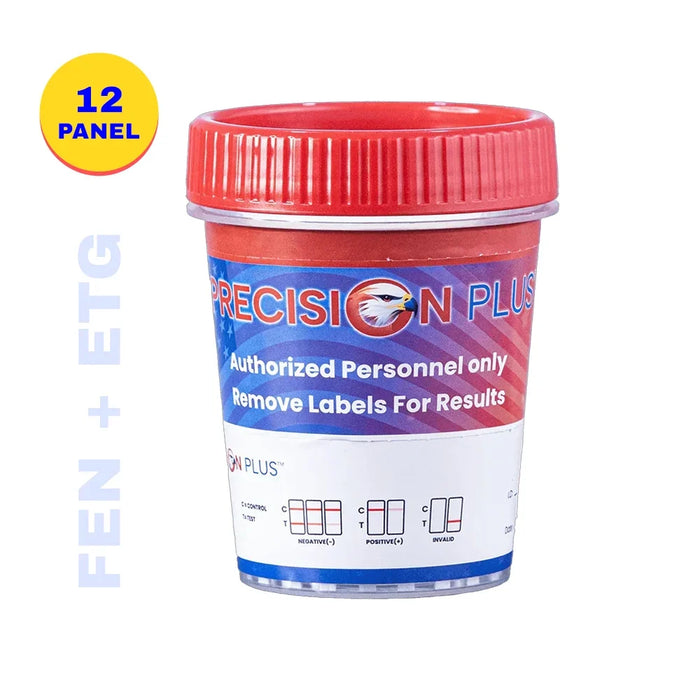
Most field TCA testing uses multi-panel cups or urine drug test dip cards, not a stand-alone TCA device. Specify every analyte and cutoff in the purchase order. Request inserts and confirm CLIA-waived status if devices will be used in a waived setting. Pair on-site screens with a confirmation laboratory and, for employment programs, an MRO.
ASC sells wholesale cups, dip cards, oral fluid tests, breathalyzers, and DOT-compliant collection kits to clinics, hospitals, treatment centers, courts, labs, staffing firms, and employers. Sister division Reveal Background runs employment background checks when a client wants drug screening plus criminal or employment history from one family of vendors. Set panel configuration, bulk quantities, and confirmation before the first collection day.
Sources
- SAMHSA Drug-Free Workplace
- MedlinePlus: Drug Testing
- U.S. DOT Office of Drug & Alcohol Policy and Compliance
FAQ
What does a TCA drug test detect?
A TCA drug test is a urine immunoassay for tricyclic antidepressants such as amitriptyline, nortriptyline, imipramine, desipramine, doxepin, and related compounds. It is a qualitative screen, not a therapeutic drug level.
Is a tricyclic antidepressants drug test part of a DOT 5-panel?
No. DOT and FMCSA testing follow the SAMHSA five-panel (marijuana, cocaine, amphetamines, opioids, PCP). TCA belongs only on non-DOT expanded panels when a protocol requires it.
What should a clinic or employer do after a non-negative TCA screen?
Send the specimen under chain of custody for GC-MS or LC-MS/MS confirmation, then complete MRO or clinician review, including prescription verification, before any adverse action.
Can other medicines cause a positive TCA immunoassay?
Yes. Some antihistamines, cyclobenzaprine, carbamazepine, and related drugs can cross-react. That is why laboratory confirmation is required before decisions.
Order drug test cups and kits online at https://www.americanscreeningcorp.com/collections/drug-testing-cups, or call 1-866-526-2873 for bulk and wholesale pricing.
This article is general information for testing-program buyers and is not legal or medical advice.