
Radiologic technologists work close to patients, close to medication, and close to controlled imaging environments. A technologist who positions a sedated patient for a CT scan, pushes IV contrast, or assists with a fluoroscopy procedure that uses a conscious sedation protocol is handling tasks where impairment is a real safety concern. Despite that, there is no federal law that requires radiologic technologists to be drug tested. Testing in this field is driven almost entirely by employer policy, state licensing rules, and the conditions a hospital has to meet to keep its Medicare and Medicaid funding.
This post explains who actually sets the testing rules for radiology departments and imaging centers, what a typical program looks like, what state licensing boards can and cannot do, and how employers should handle the result once a sample is collected.
No federal mandate, but no free pass either
Radiologic technologists are not covered by a Department of Transportation testing rule, and there is no OSHA standard that requires a hospital or imaging center to run a drug testing program for this job. That surprises some administrators, because the job involves radiation safety, sedation support, and direct patient handling. The absence of a federal testing mandate does not mean the job is unregulated. It means the regulation comes from a different place: hospital accreditation and conditions of participation, state professional licensing, and the employer's own personnel policy.
Hospitals that accept Medicare or Medicaid payment must meet the Centers for Medicare and Medicaid Services conditions of participation for hospitals, codified at 42 CFR Part 482. Those conditions require a hospital to maintain an organized medical staff, a functioning quality assessment and performance improvement program, and personnel policies that protect patient safety, but they do not spell out a specific drug panel or testing frequency for radiologic technologists. CMS explains how it surveys hospitals against these conditions on its hospital certification and compliance page. In practice, a hospital's own fitness for duty policy, written to satisfy surveyors that patient safety is protected, is where the actual testing requirement lives, not a specific federal rule naming this job title.
Accrediting bodies that hospitals use for CMS deemed status, most commonly The Joint Commission, expect a credentialed and competent workforce and a functioning process for addressing staff impairment, but accreditation standards are not government regulations and they leave the specific testing design to the hospital.
Where the actual testing requirement comes from
| Source | What it actually requires |
|---|---|
| Federal law (DOT, OSHA) | No specific drug testing mandate for radiologic technologists. OSHA's injury recordkeeping rule, discussed below, limits how post incident testing can be used, but does not require testing. |
| CMS hospital conditions of participation, 42 CFR Part 482 | Requires a safe environment and competent staff; does not name a drug panel or testing trigger. Surveyors look for a working personnel policy, not a specific test. |
| State radiologic technology licensing or certification board | May discipline a license holder for substance related impairment, diversion, or a conviction, after the fact. Does not typically require pre employment testing by the employer. |
| Employer policy | This is where pre employment, random, reasonable suspicion, and post incident testing is actually defined, including the panel and the vendor used. |
Typical program design
Most hospitals and imaging centers that test radiologic technologists build the program around a few common trigger points rather than a single blanket rule.
- Pre employment. A urine or oral fluid screen as a condition of a job offer, often paired with background screening and immunization review, before the technologist is credentialed to work in imaging.
- Reasonable suspicion. Testing triggered by observed signs such as slurred speech, unsteady positioning of patients, or documented behavior changes, usually requiring a trained observer and a documented basis before the test is ordered.
- Post incident. Testing after an event such as a medication error, a patient fall during a procedure, or a needlestick, where the facility wants to rule out impairment as a contributing cause.
- Random. Less universal in this role than in DOT covered transportation jobs, but some health systems include imaging staff in a facility wide random pool, particularly where staff have access to controlled substances or sedation medications.
Panels most often run 10 to 12 parameters: the standard federal five (amphetamines, cocaine, opiates, phencyclidine, THC) expanded with benzodiazepines, barbiturates, methadone, propoxyphene, and often oxycodone, since synthetic and semi synthetic opioids are common in diversion cases involving staff who have access to injectable contrast suites and sedation carts. A nonnegative screening result should be confirmed before any employment action, and any result tied to a documented prescription should be routed through a medical review officer rather than decided by HR alone. The SAMHSA workplace resources page outlines how federally structured testing programs separate the screening step from confirmation and medical review, a model many hospital programs borrow even though they are not federally mandated.
Post incident testing has a documentation limit
Employers sometimes assume that any workplace incident automatically justifies a drug test. OSHA's injury and illness recordkeeping rule, at 29 CFR 1904.35, cautions that a blanket post incident testing policy applied without a reasonable basis for suspecting drug use could be seen as discouraging workers from reporting injuries, which the rule prohibits. A hospital radiology department can still test after an incident, but the policy should tie the test to a legitimate safety basis for that specific event rather than testing automatically every time an incident report is filed. This does not change anything about who initiates reasonable suspicion testing; it simply means the trigger should be documented and tied to the facts of the incident.
State licensing boards: discipline, not pre employment testing
Most states require radiologic technologists to hold a state license, permit, or certification separate from national certification through a professional credentialing body. State licensing boards generally do not require the employer to drug test as a condition of licensure. What they do have is disciplinary authority over a license holder who is impaired on duty, diverts medication, or is convicted of a drug related offense. A board can suspend, place on probation, or revoke a license independent of whatever the employer's own testing policy produced.
California regulates certified radiologic technologists through the California Department of Public Health's Radiologic Health Branch, which licenses this workforce and can take action against a certificate holder; details on certification and enforcement are on the CDPH Radiologic Health Branch program page. Texas regulates medical radiologic technologist certification through the Department of State Health Services radiation control program, described on the DSHS radiation control page; that program administers the certification technologists must hold to operate radiation producing equipment in the state and can act on a certificate for cause. Because licensing and certification rules vary significantly by state, including which agency holds enforcement authority and what substance related conduct triggers discipline, employers and technologists should check the specific state board rather than assume one state's framework applies elsewhere.
Medication access changes the risk profile, not the legal requirement
Radiologic technologists in some settings push IV contrast, prepare patients for procedures involving moderate sedation, and work near sedation and pain medication carts in interventional and fluoroscopy suites. That access is a reasonable basis for a hospital to include diversion monitoring and automated dispensing cabinet audits alongside drug testing, and it is part of why many facilities set panels wider than the basic federal five. None of this creates a new federal testing mandate; it is simply the operational reason hospital policy in this department tends to be more detailed than a generic office job's policy.
What employers should do with a result
A nonnegative immunoassay screen is a preliminary finding, not a conclusion. Confirmation testing and a medical review officer review of any prescribed medication should happen before a hospital makes an employment decision. Our explainer on the medical review officer process walks through how that review step works for employers building or auditing a policy. Facilities that test other clinical staff with similar medication access, such as respiratory therapists, often align the radiology department's panel and process with that broader hospital standard; our post on respiratory therapist drug testing and our general hospital employee drug testing guide cover how those programs are typically structured across departments.
Employers should also remember that drug testing is only part of a defensible hiring and employment process. State marijuana and disability accommodation law can affect how a nonnegative result for a legally used substance is handled, and counsel should be consulted on close calls rather than making a unilateral call based on a screening result alone.
Building a panel for a radiology department
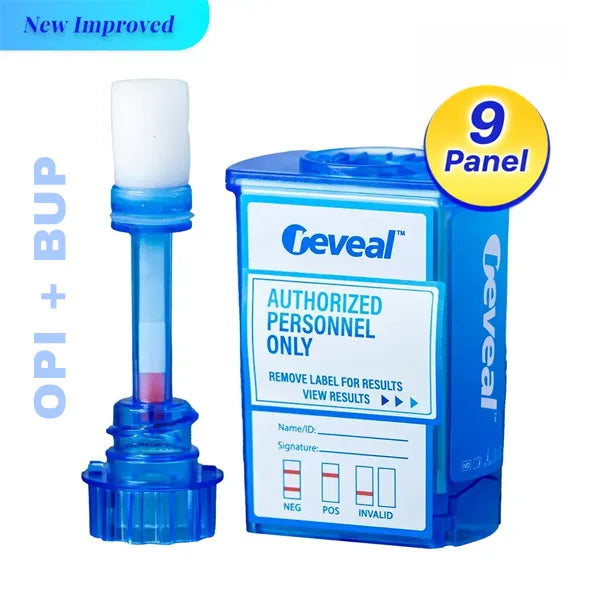
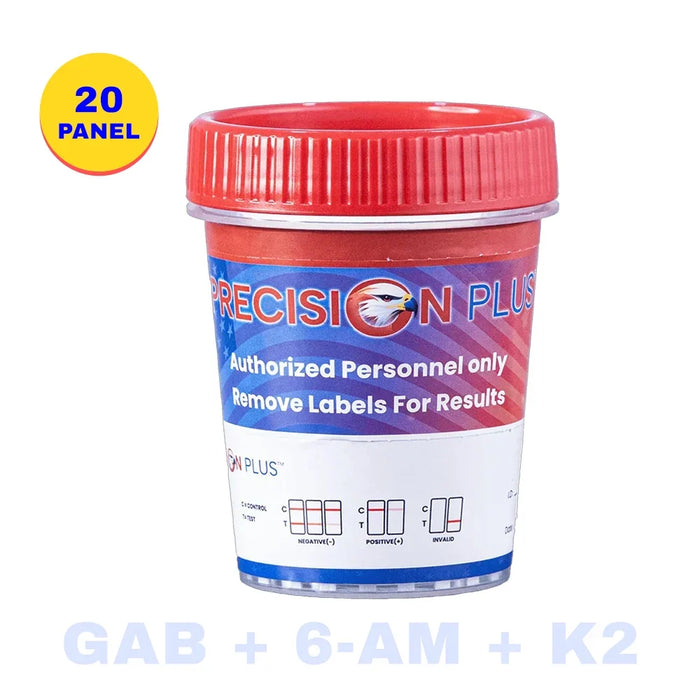
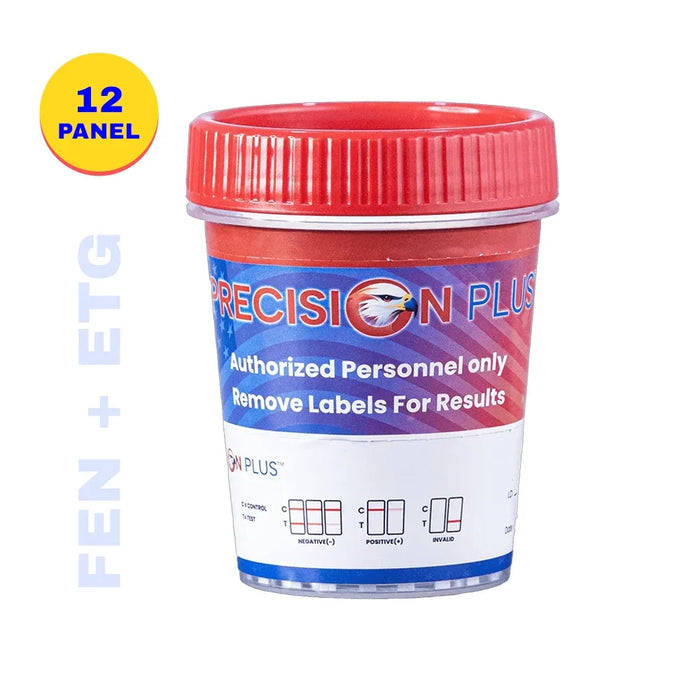
Facilities building or refreshing a radiology department testing program typically standardize on a single cup or dip card format across pre employment, reasonable suspicion, and post incident testing so results are comparable, and send any nonnegative screen to a certified laboratory for confirmation. Employers sourcing test cups, dip cards, or oral fluid collection devices for a hospital or imaging center program can review options through our drug test cup collection, and facilities buying in volume for a multi site health system can review bulk pricing and account setup through the American Screening wholesale portal.
Frequently asked questions
Are radiologic technologists federally required to take a drug test?
No. There is no DOT or other federal mandate specific to this job. Testing comes from hospital or employer policy, not a federal testing rule, except in the unusual case where a technologist also holds a separate safety sensitive role that is federally regulated.
Can a state licensing board take action against a radiologic technologist for drug use?
Generally yes. A state board that licenses or certifies radiologic technologists may be able to discipline a certificate holder for impairment, diversion, or a related conviction, but the specific grounds and process vary by state, so the relevant state board's own rules should be checked.
What drug panel do hospitals typically use for radiology staff?
Many hospitals use a 10 to 12 panel that expands the federal five drug panel to include benzodiazepines, barbiturates, and opioids such as oxycodone and methadone, reflecting the medication access common in imaging and sedation areas. Panel design varies by facility.
Does CMS require hospitals to drug test radiology staff?
CMS conditions of participation under 42 CFR Part 482 require hospitals to maintain safe, competent staffing and functioning personnel policies, but they do not specify a drug testing panel or schedule for any particular job title, including radiologic technologists.
Can a hospital drug test every employee after any workplace incident?
A hospital can test after an incident, but OSHA's recordkeeping rule discourages blanket post incident testing policies that are not tied to a reasonable basis for suspecting drug use in that specific event, since that can be seen as discouraging injury reporting.
Does a positive screen automatically mean a radiologic technologist loses their job?
No single screening result should be treated as final. A nonnegative immunoassay result should go through laboratory confirmation and medical review officer review of any prescription before an employer makes a decision, and state law may further limit how the result can be used.
This article is general information for employers and is not legal or medical advice. Consult qualified counsel for decisions involving licensing discipline, accommodation, or employment action.