
Respiratory therapists work around ventilators, oxygen delivery systems and, in many hospital units, controlled substances used for sedation and pain management during procedures. That access, combined with a state license that can be suspended for cause, is why drug testing shows up at several points in a respiratory therapist's career. There is no single federal law that requires every respiratory therapist to be tested. What actually governs testing is a mix of state licensing rules, hospital employment policy and, in some cases, a diversion or impaired practitioner program triggered after a specific incident.
No blanket federal testing mandate
Respiratory therapists are not covered by the United States Department of Transportation testing rules that apply to commercial drivers, and there is no equivalent federal statute that forces hospitals to drug test respiratory care staff. Federal rules do intersect with the job in a different way. Hospitals that stock and administer controlled substances, including the opioids and sedatives sometimes used around intubation or ventilator weaning, operate under Drug Enforcement Administration recordkeeping and security rules found in the Code of Federal Regulations, and any theft or significant loss of a controlled substance from a hospital pharmacy or crash cart has to be reported to the DEA. The DEA's guidance on reporting theft or significant loss of controlled substances is the primary source hospitals use to build their own internal diversion reporting steps, and it is a useful reference for why facilities build tight accountability around anyone who can reach a medication drawer, respiratory therapists included.
Because there is no federal testing mandate specific to this role, whether and how a respiratory therapist gets tested comes down to two things: the state licensing board's rules, and the employer's own policy.
State licensing boards set the floor
Respiratory therapists are licensed at the state level, and licensing boards generally have authority to discipline a license, including suspension or revocation, for impairment, diversion of controlled substances, or a disqualifying criminal conviction, independent of whatever a hospital's own drug testing policy says. Licensing statutes and regulations vary by state, so a therapist should check the specific board that issues their license rather than assume the rule in one state applies everywhere. As one example, California's respiratory care licensing authority publishes the laws and regulations that govern the profession, including the grounds for disciplinary action, on its own site, and the Respiratory Care Board of California's laws and regulations page lays out how a license can be acted on for substance related misconduct. The same board also publishes a scope of practice reference that shows how far a licensed respiratory therapist's duties extend, which is part of why boards treat impairment on the job as a direct patient safety issue and not only an employment matter.
Most state boards do not run their own drug testing program. Instead they rely on the hospital, an impaired practitioner program, or a report from a peer or supervisor to trigger a board investigation, after which the board may require evaluation, monitored testing, or treatment as a condition of keeping the license active.
Where hospital policy fills the gap
Hospitals set their own drug testing policy for employees, including respiratory therapists, as a condition of employment. This is a private employer policy rather than a government requirement, which is why panel size, testing circumstances and consequences can differ from one hospital system to the next. The situations that commonly trigger testing for respiratory therapists include:
- Pre employment testing before a conditional job offer becomes final
- Reasonable suspicion or for cause testing after a supervisor observes signs of impairment
- Post accident testing after a workplace injury or a reportable incident involving a patient
- Random testing where the hospital's policy includes staff with access to controlled substances
- Return to duty and follow up testing after a therapist completes a diversion or impaired practitioner program
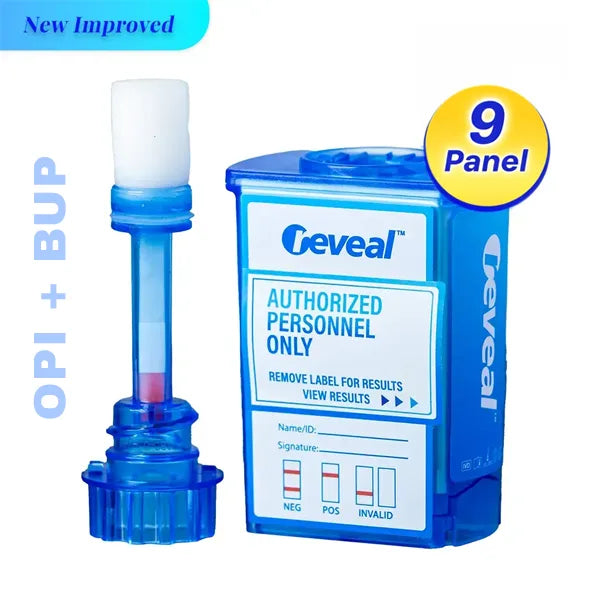
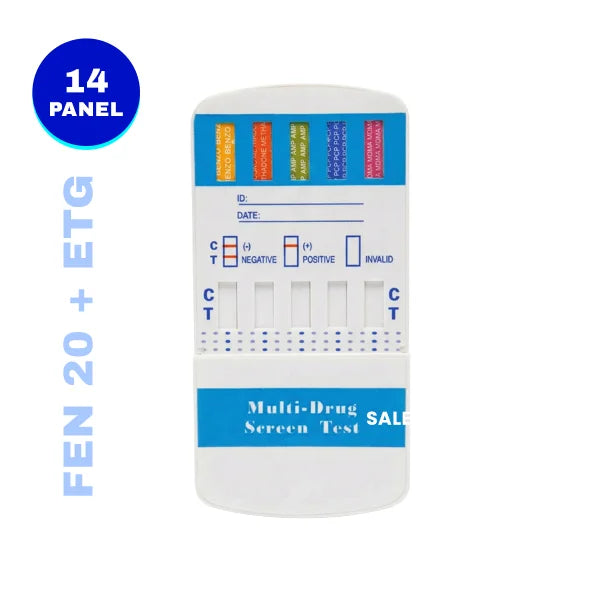
A typical hospital panel for clinical staff runs ten to twelve drug classes rather than the narrower five panel sometimes used in other industries, and many hospitals have added fentanyl as a specific analyte given how often it is handled on crash carts, in procedure areas and in respiratory and anesthesia adjacent roles. A panel that size commonly screens for amphetamines, cocaine, opiates, fentanyl, methamphetamine, PCP, THC, benzodiazepines, barbiturates, methadone and sometimes oxycodone or propoxyphene as separate analytes, since standard opiate immunoassays do not reliably detect every semisynthetic or synthetic opioid. Any positive screening result should be confirmed and reviewed by a medical review officer before it is reported to the employer, and a therapist with a current, valid prescription should have the opportunity to provide that documentation to the medical review officer as part of the verification process.
Comparison: what drives testing for respiratory therapists
| Trigger | Who requires it | Typical basis |
|---|---|---|
| Pre employment screen | Hospital or staffing agency | Employer policy, condition of hire |
| Random testing | Hospital | Internal policy, often tied to controlled substance access |
| For cause or reasonable suspicion | Hospital | Supervisor observation, documented behavior |
| Post incident | Hospital | Internal policy after injury or reportable event |
| License discipline, monitored testing | State respiratory care board | State licensing statute and regulations |
| Diversion investigation | Hospital pharmacy and DEA reporting chain | Federal controlled substance recordkeeping and loss reporting rules |
Diversion and impaired practitioner programs
Because respiratory therapists can have direct or indirect access to controlled substances used in sedation, procedural analgesia and ventilator management, hospitals build diversion monitoring into the same systems they use for nursing and pharmacy staff, including automated dispensing cabinet audits, waste witnessing for partial doses, and discrepancy reporting. When a diversion investigation substantiates a problem, the hospital's pharmacy and compliance teams typically document the loss and, where the threshold is met, report it through the DEA process referenced above. Separately, many state licensing boards support or require participation in a monitored impaired practitioner program as an alternative to, or alongside, formal license discipline. These programs generally combine substance use evaluation, a monitoring agreement, random testing over an extended period and a structured return to practice, overseen either by the board directly or by a board approved monitoring organization. Because program structure, length and reporting requirements vary significantly by state and by board, a respiratory therapist facing this situation should go directly to their own licensing board's published rules rather than rely on general descriptions.
The Substance Abuse and Mental Health Services Administration maintains federal workplace drug testing resources, including guidance used as a reference point by employers building defensible testing programs, at SAMHSA's workplace page. Hospitals that use an outside collection site or send specimens to a certified laboratory often model parts of their chain of custody and confirmation process on the same federal framework SAMHSA documents for regulated testing, even when the hospital's own program is not legally required to follow it.
Bloodborne pathogen and safety context, not a testing requirement
Respiratory therapists are also subject to workplace safety rules that are sometimes confused with drug testing requirements but are a separate category entirely. The federal bloodborne pathogens standard, codified at 29 CFR 1910.1030, governs exposure control plans, personal protective equipment and post exposure procedures for staff who handle airways and respiratory secretions, but it does not require drug testing. It is worth knowing the difference so that a hospital safety orientation covering bloodborne pathogen exposure is not mistaken for the facility's separate, employer specific drug testing policy.
What a positive screen does and does not mean
An initial screening result on an immunoassay cup or dip card is a preliminary finding, not a diagnosis and not proof of impairment at a specific moment. A nonnegative screen should go to confirmation testing by gas chromatography mass spectrometry or liquid chromatography mass spectrometry and then to review by a medical review officer, who contacts the therapist to ask about current prescriptions before the result is reported to the hospital. A therapist taking a prescribed benzodiazepine, stimulant or opioid under a valid prescription should keep that documentation available, since the medical review officer process exists specifically to separate legitimate prescription use from unauthorized use before any employment or licensing consequence attaches. None of this process gives an employer or a testing vendor the ability to determine fitness for duty on the spot, and a hospital's own policy, not a federal rule, decides what happens procedurally between a nonnegative screen and a confirmed result.
Hospitals and outpatient respiratory care employers that need to stock their own collection supplies for pre employment, random or return to duty testing can review cup, dip card and oral fluid options through the American Screening Corporation wholesale portal, which serves employers and clinics building an internal testing program rather than individual job applicants.
Frequently asked questions
Is there a federal law requiring respiratory therapists to be drug tested?
No. There is no federal statute requiring drug testing specifically for respiratory therapists, unlike the Department of Transportation rules that apply to certain commercial drivers. Testing requirements for respiratory therapists come from hospital employer policy and, in some circumstances, state licensing board rules.
Can a state respiratory care board require drug testing?
A state board generally cannot mandate blanket testing, but it can discipline a license for impairment or diversion of controlled substances under its own statutes and regulations, and it may require monitored testing as a condition of a therapist keeping or regaining a license after a substantiated problem. Rules vary by state, so the specific issuing board's published regulations govern.
What drug panel do hospitals typically use for respiratory therapists?
Many hospitals use a ten to twelve panel that includes amphetamines, cocaine, opiates, methamphetamine, PCP, THC, benzodiazepines, barbiturates and methadone, with fentanyl increasingly added as its own analyte because standard opiate screens do not reliably pick it up.
Does a positive screening result automatically mean a respiratory therapist loses their job or license?
No. An initial screen is preliminary and should be confirmed by laboratory testing and reviewed by a medical review officer, who considers valid prescriptions before any result is reported. What happens after a confirmed, unexplained positive is governed by the specific hospital's policy and, separately, by the state licensing board's process.
What triggers a diversion investigation for a respiratory therapist?
Diversion investigations are usually triggered by discrepancies in automated dispensing cabinet records, waste documentation that does not match administration records, or a direct report from a coworker or supervisor. Substantiated losses above regulatory thresholds are reported through the hospital's controlled substance recordkeeping process.
Are respiratory therapists subject to random drug testing?
Some hospitals include respiratory therapists in a random testing pool, particularly where the role has access to controlled substances, but this is a matter of employer policy rather than a government mandate, and it varies by facility.
Related reading
- Physician Drug Testing Requirements: Hospitals, Medical Boards and PHPs
- EMS and Paramedic Drug Testing Requirements: Licensing, Employers and Panels
This article is general information, not legal or medical advice. Employers and licensees should consult their own counsel, their state respiratory care board and applicable regulations before adopting or relying on any testing policy.