
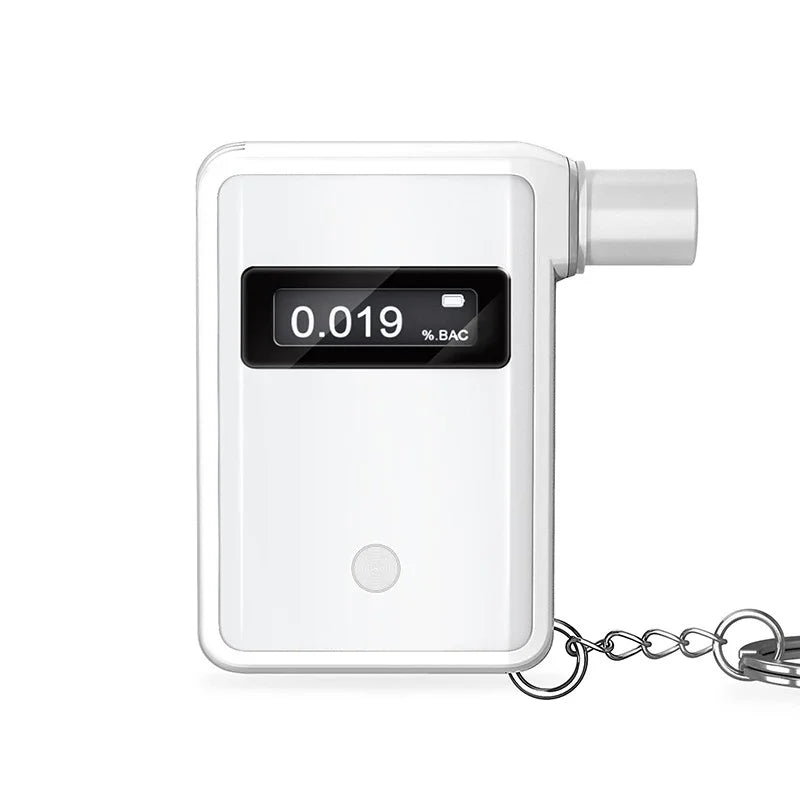
Quick answer: Clinics order alcohol screening breathalyzers to measure ethanol in exhaled breath as breath alcohol concentration (BrAC). Common DOT screening cutoff is 0.02. Detection lasts only while alcohol remains in blood, typically hours. A positive screen is preliminary; confirm on an evidential device or by laboratory testing. American Screening Corp supplies clinics nationwide.
- Clinic breathalyzers measure ethanol as BrAC; the DOT screening cutoff is 0.02 as of November 2026 (49 CFR Part 40).
- Detection lasts hours while alcohol remains in blood; a positive screen is preliminary and must be confirmed.
- Order FDA-classified devices (21 CFR 862.3050) from a U.S. wholesale supplier; use NHTSA-listed units for DOT work.
What does a clinic alcohol breathalyzer detect?
A clinic alcohol screening breathalyzer detects ethanol in exhaled air and reports breath alcohol concentration (BrAC). It does not detect illicit drugs, prescription drugs, or ethyl glucuronide (EtG). The number on the display reflects alcohol in the blood at the time of the test, not drinking from prior days.
Clinics, treatment centers, probation programs, hospitals, staffing firms, and employers use breath screening at intake, during monitored visits, and before selected procedures. If your program also screens for drugs, add drug test cups to the same supply order so collection staff have both tools on the bench.
Record the device identity, time, and BrAC exactly as displayed. A zero reading means ethanol was not detected in breath at that moment. It is not proof that a person never drinks.
What cutoff and detection window should a clinic use?
For DOT-regulated testing, the screening cutoff is 0.02, as of November 2026 (49 CFR Part 40). A result below 0.02 is negative for that test. A result of 0.02 or greater is not a final positive; it triggers a wait of at least 15 minutes and a confirmation test on an evidential breath testing device (EBT).
Non-DOT clinics and courts set cutoffs in written policy. Many still adopt 0.02 as the screen threshold so results map to the federal steps staff already know. Publish the cutoff, the confirmation method, and the action that follows a confirmed result before you test the first patient.
Breath ethanol is present only while alcohol remains in blood. Detection is measured in hours, not in the multi-day windows used for urine alcohol metabolites. A breathalyzer answers whether ethanol is in the body now. It does not answer whether the person drank last weekend.
What FDA, CLIA, and DOT rules apply?
FDA classifies a breath-alcohol test system at 21 CFR 862.3050, as of November 2026. Clinic buyers should order devices sold for that intended use and keep labeling, instructions for use, and calibration records. Units labeled forensic-use-only must stay labeled that way and must not be described as FDA-cleared diagnostic devices.
DOT alcohol testing requires devices on the NHTSA Conforming Products List for alcohol screening devices (ASDs) or evidential breath testing devices, plus a trained Breath Alcohol Technician following 49 CFR Part 40. SAMHSA workplace drug-testing rules are separate from transportation alcohol procedures (SAMHSA Drug-Free Workplace, as of November 2026).
CLIA-waived status is common for urine immunoassay cups. Breath alcohol in a DOT workflow is not the same as a CLIA-waived cup. Ask your laboratory director whether CLIA applies to your clinic's intended use before you screen patients.
Every positive screen is preliminary; confirm by evidential breath testing or by GC/MS or LC-MS/MS laboratory testing, as the specimen and program require. Never claim 100% accuracy.
How do clinics order alcohol screening breathalyzers?
Clinic purchasing teams should treat the order as a program, not a single gadget. Use this sequence.
- Write the use case: DOT, non-DOT employment, addiction treatment, court or probation, or clinical intake.
- Choose device class: ASD for screening, EBT if you must confirm on-site under Part 40.
- Verify FDA classification (21 CFR 862.3050) and, for DOT, NHTSA listing, as of November 2026.
- Order devices, disposable mouthpieces, printer supplies if required, and accuracy-check or calibration items.
- Name a trained operator; for DOT, complete BAT training and keep certificates on file.
- Write the SOP: cutoff, 15-minute deprivation period, confirmation path, and records retention.
- Place the wholesale order with a U.S. supplier. American Screening Corp offers same-day shipping nationwide to clinics.
To place a clinic order, contact American Screening Corp with volume, DOT versus non-DOT use, and whether you also need urine panels. Do not wait until mouthpieces run out; build restock into the same purchase cycle as cups and gloves.
Breathalyzer vs urine EtG vs oral fluid
Clinic buyers ask us whether one alcohol method replaces the others. It does not. Match the method to the question you must answer.
| Method | What it detects | Typical cutoff | Detection window | Primary clinic use |
|---|---|---|---|---|
| Breathalyzer (ASD or EBT) | Ethanol in breath (BrAC) | 0.02 screening (DOT 49 CFR Part 40) | Hours, while alcohol is in blood | Current use and impairment screening |
| Urine EtG immunoassay | Ethyl glucuronide | Program-defined ng/mL cutoff | Longer than breath; not a current-impairment test | Recent drinking after ethanol has left breath |
| Oral fluid alcohol | Ethanol in saliva | Device labeling | Hours, similar to breath | Observed collection when breath is not used |
EtG cutoffs and windows vary by manufacturer and laboratory. Treat the table as a buying aid, not a diagnostic protocol. Confirm every positive screen. Programs that also screen for drugs order urine cups or dip cards alongside breathalyzers.
What should be on a clinic breathalyzer order checklist?
- Intended use documented (DOT, treatment, court, employer, or clinic intake).
- Device class selected (ASD, EBT, or both).
- FDA 21 CFR 862.3050 classification confirmed; NHTSA listing confirmed if DOT.
- Mouthpieces and accuracy-check supplies on the purchase order.
- BAT or operator training scheduled and certificates filed.
- Written cutoff, 15-minute wait, confirmation method, and result log.
- Confirmation path: on-site EBT or laboratory GC/MS or LC-MS/MS.
- Storage, calibration dates, and a same-day restock plan.
What must staff do after a positive screen?
Stop at the screening result. Tell the donor the screen is preliminary. For DOT, wait at least 15 minutes without eating, drinking, or belching, then confirm on an EBT (49 CFR Part 40, as of November 2026). For non-DOT clinic work, follow the written SOP: second breath test or laboratory confirmation.
Do not diagnose alcohol use disorder from a single BrAC. Do not give medical, legal, or dosing advice at the bench. Refer confirmed positives to the program's medical review or clinical pathway.
FAQ
What does a clinic alcohol breathalyzer detect?
It detects ethanol in exhaled breath and reports BrAC. It does not detect drugs, EtG, or drinking from prior days. Common DOT screening cutoff is 0.02 as of November 2026 (49 CFR Part 40). Positives are preliminary.
What cutoff and confirmation rules apply?
DOT screening uses 0.02. Results at or above 0.02 require a 15-minute wait and confirmation on an evidential breath testing device (49 CFR Part 40, as of November 2026). Non-DOT clinics set written policy cutoffs. Do not treat a screen as final.
How do clinics order alcohol screening breathalyzers?
Define DOT versus non-DOT use, choose an FDA-classified screening or evidential device, and order units plus mouthpieces from a U.S. wholesale supplier. American Screening Corp ships nationwide. Confirm device listing before first patient use.
Is a breathalyzer the same as a urine EtG test?
No. A breathalyzer measures current ethanol for hours while alcohol is in blood. Urine EtG detects a metabolite and can remain positive after ethanol has left breath. Clinics often run both. Confirm every positive screen.
Sources
- 49 CFR Part 40 — Procedures for Transportation Workplace Drug and Alcohol Testing Programs
- 21 CFR 862.3050 — Breath-alcohol test system
- SAMHSA Drug-Free Workplace
This article is general information, not medical or legal advice.