
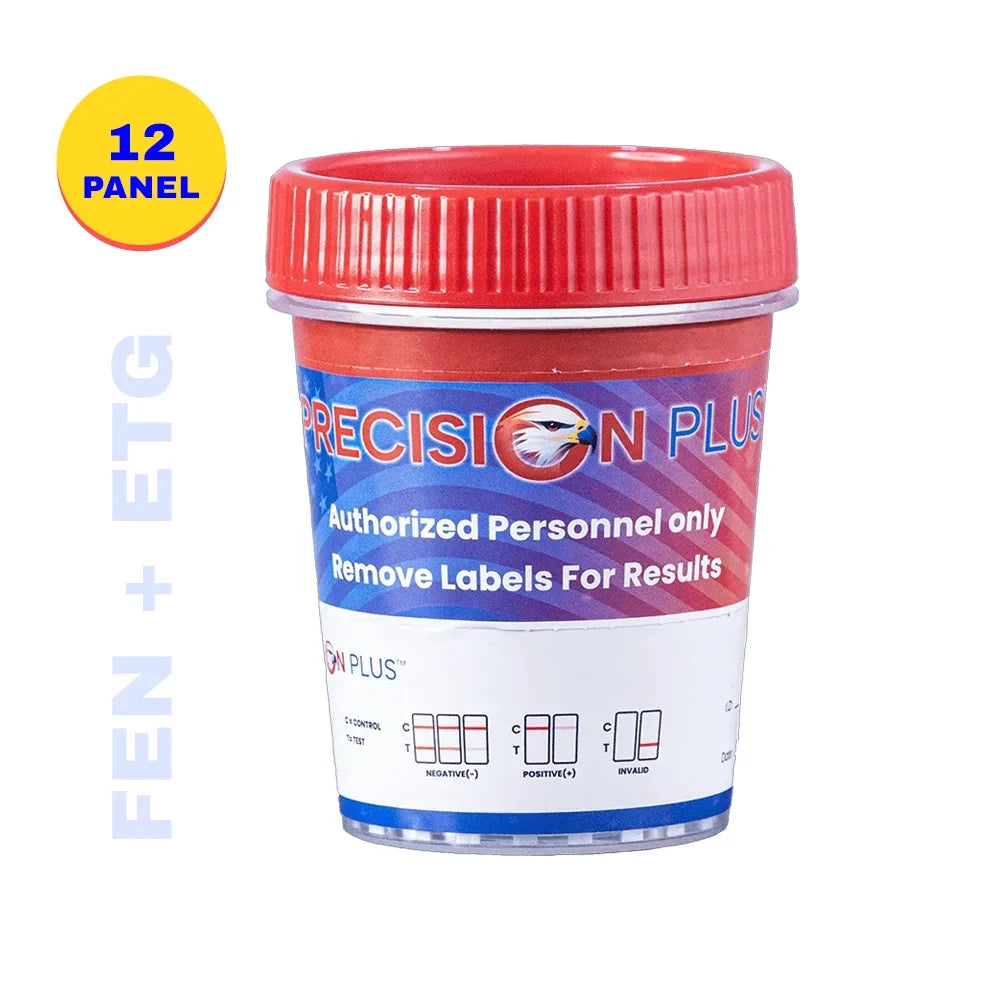
Quick answer: Clinics order ketamine urine strips in bulk to detect ketamine at a typical 1,000 ng/mL cutoff. Urine detection is usually 1 to 3 days after last use. Any positive is preliminary; confirm by GC/MS or LC-MS/MS. Verify CLIA-waived versus forensic-use labeling. American Screening Corp ships clinic wholesale orders from Shreveport, Louisiana.
- Typical urine immunoassay cutoff for ketamine is 1,000 ng/mL; the common detection window is 1 to 3 days.
- Every positive screen is preliminary; confirm by GC/MS or LC-MS/MS laboratory testing.
- Clinic bulk pricing is quoted by monthly volume, strip versus multi-panel format, and shipping—not a single public list price.
Updated November 2026. Clinic purchasing teams who call us most often ask for volume breaks, the KET cutoff in ng/mL, whether ketamine is a single strip or inside a multi-panel device, and whether the lot is CLIA-waived or forensic use only.
What do ketamine test strips detect?
A ketamine test strip is a single-analyte lateral-flow immunoassay that screens human urine for ketamine at a manufacturer-set cutoff. It is built for clinics, treatment centers, hospitals, probation and court programs, and employer or staffing medical units that need a rapid, documented screen. It is not a diagnosis and it does not measure impairment, dose, or time of use.
Need drug tests for your clinic, program or workplace?
American Screening Corp has supplied FDA-cleared, CLIA-waived tests at wholesale pricing since 2004. Popular options:
Ordering 100+ tests? Request volume pricing.
Ketamine is a Schedule III substance (DEA Ketamine factsheet, as of November 2026). It is not a required analyte in the HHS Mandatory Guidelines for Federal Workplace Drug Testing Programs (SAMHSA Drug-Free Workplace, as of November 2026). DOT 49 CFR Part 40 also does not require ketamine. Clinics still add it for illicit-use monitoring, diversion control, or a medical director’s protocol around ketamine-assisted treatment.
The strip detects ketamine. Cross-reactivity to norketamine, the primary metabolite, is defined only on that lot’s insert—do not assume it. A KET strip does not detect alcohol, EtG, or other drugs unless those names are printed on a multi-panel device. If your clinic already runs several drugs on one specimen, compare a single strip with drug test dip cards that can include ketamine plus other labeled analytes.
What cutoff and detection window do clinics use?
Most ketamine urine immunoassays use a 1,000 ng/mL cutoff. That cutoff is set by the device manufacturer. SAMHSA does not publish a ketamine cutoff in the federal workplace panel, so do not write “SAMHSA cutoff” on a KET SOP. Always use the ng/mL value printed on the pouch and insert for the lot you received.
Urine immunoassay detection is commonly 1 to 3 days after last use. Repeated or high-dose exposure can extend that window; a single low dose or dilute urine can shorten it. NIDA’s ketamine topic page describes pharmacology and risks (NIDA: Ketamine, as of November 2026); it does not set a clinic cutoff or a clock. The strip cannot report when ketamine was used.
Oral fluid windows, when a saliva device is labeled for ketamine, are shorter than urine. Do not mix urine cutoffs with oral-fluid cutoffs. Read the intended specimen on the label before you write a collection SOP.
Result rule for every format: every positive screen is preliminary; confirm by GC/MS or LC-MS/MS laboratory testing. A negative means the device did not detect ketamine at or above that cutoff in that specimen. Invalid, missing control line, or over-time reads are not negatives. Recollect per the insert and your clinic SOP.
How does bulk pricing work for clinic orders?
Clinics do not buy ketamine strips at consumer single-pack prices. Bulk pricing is a volume quote. Purchasing managers send expected monthly tests, preferred format (single KET strip, dip card, or cup), ship-to sites, expiration needs, and whether they want private-label pouches. The supplier returns a case price, lead time, and lot dating.
There is no single public dollar figure that is accurate for every clinic, panel count, or contract year. Volume, configuration, and shipping change the quote. American Screening Corp, in Shreveport, Louisiana, supplies wholesale drug and alcohol testing devices nationwide and offers same-day shipping on qualifying in-stock orders. To put a number on a PO, contact American Screening Corp with monthly volume and the format your protocol requires.
Ask whether ketamine is currently supplied as a single strip, inside a 5- to 18-panel cup, or both. Confirm CLIA-waived versus forensic-use-only status on the exact catalog item before you lock a standing order. Returns we see from clinic accounts are usually the wrong format (cup vs strip) or short dating—not a misunderstanding of how the immunoassay works.
Strip, dip card, or multi-panel cup?
| Format | What it screens | Best when | Lab confirmation |
|---|---|---|---|
| Single KET strip | Ketamine only, typical 1,000 ng/mL urine cutoff | The protocol needs only ketamine | Required on every positive |
| Dip card | Multiple labeled drugs; KET only if printed | Staff already dip several analytes | Required on every positive |
| Multi-panel cup | Collection plus panel, often 5 to 18 drugs | High volume and one specimen for many drugs | Required on every positive |
A multi-panel cup does everything a ketamine strip does plus simultaneous screening for the other drugs printed on that cup, using one collection. Do not assume every 12- or 18-panel device includes KET. Read the abbreviations on the device. Cups and dip cards also do not replace laboratory confirmation.
How do you run and read a ketamine strip?
Use the package insert for that lot. Competitive immunoassays can reverse the usual line meaning, so do not copy a THC or COC reading card onto a KET strip.
- Verify the pouch is unexpired, intact, and stored at the labeled temperature.
- Collect urine per the clinic SOP. Note temperature and obvious adulteration signs your protocol already requires.
- Open the pouch, dip or apply specimen exactly as the insert states, and start the timer.
- Read at the stated time, commonly 5 minutes. Do not read after the insert’s maximum time.
- The control line must appear. Follow the insert for how many lines mean negative, preliminary positive, or invalid.
- Document the result, lot number, and reader. Send every preliminary positive for GC/MS or LC-MS/MS confirmation.
Adulterated or dilute urine can change immunoassay performance. That is a collection-quality issue, not a reason to reinterpret a line. Invalid devices are discarded and the collection is repeated.
What should a clinic verify before ordering?
- Analyte printed as ketamine (KET) and cutoff stated in ng/mL on the insert.
- Specimen type: urine or oral fluid, not mixed in one SOP.
- Label status: FDA 510(k) and CLIA-waived, or forensic use only (FDA: Clinical Laboratory Improvement Amendments (CLIA), as of November 2026).
- Forensic-use-only devices are not for clinical diagnostic use.
- Monthly volume, case pack, expiration dating, and ship-to locations for the quote.
- A confirmation laboratory that can run ketamine by GC/MS or LC-MS/MS.
- Chain-of-custody steps if the result can affect employment, courts, or treatment privileges.
- Staff training on invalid results and the read-time window.
CLIA waived status applies only to the exact test and intended use the FDA has categorized as waived, and only when used as labeled. Do not put “FDA-cleared” or “CLIA-waived” in a ketamine protocol unless the product record shows it. Ketamine added beside a federal workplace panel is still a non-federal analyte; keep SAMHSA and DOT procedures separate from the extra KET screen.
Frequently asked questions
What cutoff do ketamine urine strips use?
Most ketamine urine immunoassays use a 1,000 ng/mL cutoff set by the manufacturer, not by SAMHSA. Read the insert for the lot you receive. A result at that cutoff is a preliminary screen only. Confirm positives by GC/MS or LC-MS/MS.
How long is ketamine detectable in urine?
Urine immunoassay detection is commonly 1 to 3 days after last use. Dose, frequency, metabolism, and urine dilution change the window. The strip does not report a time of use. Confirm unexpected positives with laboratory testing.
Are ketamine strip results final for a clinic chart?
No. Every positive screen is preliminary; confirm by GC/MS or LC-MS/MS laboratory testing. Invalid or out-of-time reads should be repeated per the insert. This is general information, not medical or legal advice.
How do clinics get bulk pricing on ketamine strips?
Send monthly volume, device format, and ship-to details when you contact American Screening Corp. Quotes vary by case quantity, panel mix, and private label. Same-day shipping is available on qualifying U.S. wholesale orders from Shreveport, Louisiana.
Sources
This article is general information from American Screening Corp, not medical or legal advice.