NAD+ (nicotinamide adenine dinucleotide) is a coenzyme that every human cell makes and uses for energy metabolism and DNA repair. It is not a drug, not a controlled substance, and not an analyte on any commercial workplace or clinical drug test panel. NMN (nicotinamide mononucleotide) and NR (nicotinamide riboside), the two supplement ingredients clinics and retailers sell as NAD+ precursors, are forms of vitamin B3 chemistry, not scheduled substances either. On their own, none of the three will cause a positive screen or a positive lab confirmation.
The question employers, patients, and testing programs actually need answered is different: what else is going into the infusion, and does that other ingredient belong on a panel. This article covers both parts plainly, using the same screen versus confirmation framework used across workplace drug testing, and points to primary government sources for every claim.
Screening versus confirmation, the two steps that matter here
A standard urine or oral fluid drug test cup uses immunoassay strips. Each strip contains antibodies manufactured to bind to one drug class, such as amphetamines or opiates. The strip reports a presumptive positive or negative; it does not identify a specific molecule. A presumptive positive on an immunoassay is only confirmed as a true positive after a certified laboratory runs gas chromatography mass spectrometry (GC/MS) or liquid chromatography mass spectrometry (LC/MS), which identifies the exact compound. Any claim that a substance "shows up" on a drug test has to specify which of these two steps is meant, because the antibody strip and the lab confirmation do not test for the same list of things.
NAD+, NMN, and NR have no antibody manufactured against them on any commercial immunoassay panel, so there is no step at which a strip could flag them, and no credible published evidence of cross reactivity with any existing drug class antibody.
What federal panels actually screen for
The federal Mandatory Guidelines for Federal Workplace Drug Testing Programs, administered by SAMHSA, define the standard five panel test as marijuana metabolites, cocaine metabolites, phencyclidine (PCP), opiates, and amphetamines, with an optional expanded panel adding methylenedioxymethamphetamine (MDMA), barbiturates, benzodiazepines, methadone, and propoxyphene. The full list and testing procedures are published in the Federal Register notice for the Mandatory Guidelines, and SAMHSA's program page at samhsa.gov/substance-use/drug-free-workplace explains how federal agencies and federally regulated employers apply them.
For DOT regulated safety sensitive positions, 49 CFR Part 40 sets out the exact drug list a certified laboratory must test for. That list, codified at eCFR 49 CFR 40.85, covers marijuana, cocaine, PCP, opioids (including codeine, morphine, hydrocodone, hydromorphone, oxycodone, oxymorphone, heroin, and 6 acetylmorphine), and amphetamines or methamphetamine, including MDMA. Neither NAD+ nor its precursors appear anywhere in that regulation, because the list is built around drugs with abuse potential or safety risk, not vitamins or coenzymes.
| Panel or rule | What it covers | Includes NAD+, NMN, or NR |
|---|---|---|
| SAMHSA federal five panel | Marijuana, cocaine, PCP, opiates, amphetamines | No |
| SAMHSA expanded panel | Adds MDMA, barbiturates, benzodiazepines, methadone, propoxyphene | No |
| DOT panel, 49 CFR 40.85 | Marijuana, cocaine, PCP, opioids, amphetamines/MDMA | No |
| Typical non DOT workplace 10 to 12 panel | Above plus barbiturates, benzodiazepines, methaqualone, propoxyphene | No |
| Dissociative/ketamine specific immunoassay or LC/MS | Ketamine, norketamine, PCP class compounds | Not applicable to NAD+; relevant only if a drip also contains ketamine |
Why NAD+ and its precursors do not cross react
Cross reactivity happens when a molecule is close enough in shape to the target drug that an antibody binds it anyway, producing a false positive on the screening step. Documented cross reactors on common panels include certain decongestants, some NSAIDs, and a handful of prescription medications with structures that resemble amphetamines or benzodiazepines. NAD+ and its precursor vitamins do not share that kind of structural overlap with any scheduled drug class, and there is no credible published cross reactivity evidence connecting NAD+, NMN, or NR to a positive immunoassay result. If a person taking NAD+ therapy tests positive for something else, the infusion itself is not the explanation; what else was in the bag is the question worth asking.
The real variable: what else is in the drip
Commercial NAD+ infusion clinics rarely sell a bag of pure NAD+. Typical add ins include B complex vitamins, vitamin C, glutathione, magnesium, and amino acids, none of which are controlled substances or panel analytes. Some clinics, particularly those marketed around mood, fatigue, or "biohacking" recovery, also offer ketamine as a separate or combined infusion. Ketamine is a Schedule III controlled substance under federal law, used medically as a surgical anesthetic and, in the esketamine form, as a prescription treatment for depression. The DEA Diversion Control Division drug fact sheet on ketamine confirms its scheduling and medical uses, and the current prescribing information for an injectable ketamine product is on file with the National Library of Medicine's DailyMed label database.
Ketamine is not part of the standard five panel, the SAMHSA expanded panel, or the DOT list referenced above, so a routine point of care cup will usually miss it. Detecting ketamine requires either a dedicated ketamine or PCP class immunoassay or a laboratory GC/MS or LC/MS confirmation ordered specifically for it. Buyers building a program that needs to screen for dissociatives should confirm with their test manufacturer and laboratory which analytes a given cup, strip, or send out panel actually targets rather than assuming a standard panel will catch everything administered at a wellness clinic. The esketamine nasal spray product, sold under the brand name Spravato, raises a related but separate testing question covered in our related post on esketamine, ketamine panels and workplace testing.
Regulatory status of NMN and NR as supplements
NMN and NR are sold as dietary supplements, not approved drugs. Dietary supplements are not approved by FDA before they reach the market; manufacturers are responsible for ensuring safety and truthful labeling under the dietary supplement framework, and new ingredients generally go through the New Dietary Ingredient notification process described on the FDA's New Dietary Ingredient (NDI) Notification Process page. The regulatory status of specific NAD+ precursor ingredients has been the subject of public disagreement between supplement makers and the agency, and that status can change. Rather than guessing at the current posture of any single ingredient, buyers and employers should check FDA's current guidance directly rather than relying on a clinic's or retailer's marketing claims, and should never describe any NAD+ product as "approved by FDA," since dietary supplements as a category are not.
What employers and testing programs should actually do
If an employee or applicant mentions NAD+ IV therapy as a reason for a positive result, that explanation does not hold up on its own, because NAD+ has no documented path to a positive screen or confirmation. The useful next step is the same one used for any unexplained result: route the case to the medical review officer (MRO). The MRO is trained to review prescription documentation, ask about every substance administered, including infusion additives, and determine whether a legitimate medical explanation accounts for a confirmed positive. Employees who use infusion clinics should keep an itemized receipt or treatment sheet listing everything in the bag, since that documentation is what actually resolves a review, not the NAD+ label on the clinic's menu. Programs that want supplement specific detail for a related ingredient can see our post on DHEA, supplements, and standard panels for how a comparable over the counter hormone precursor is treated.
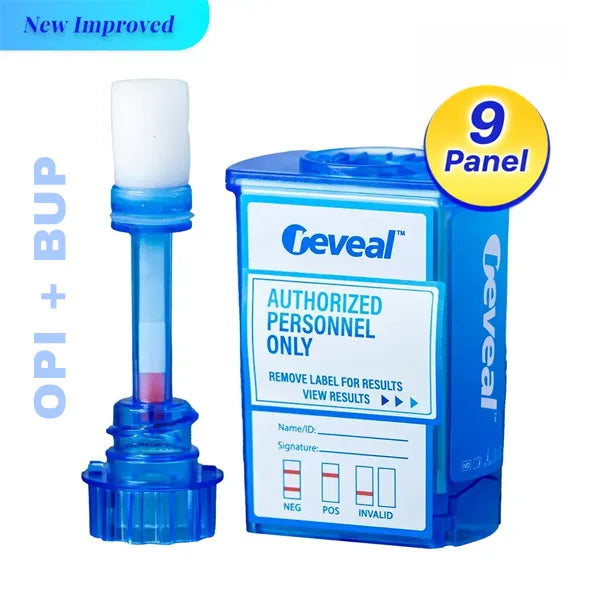
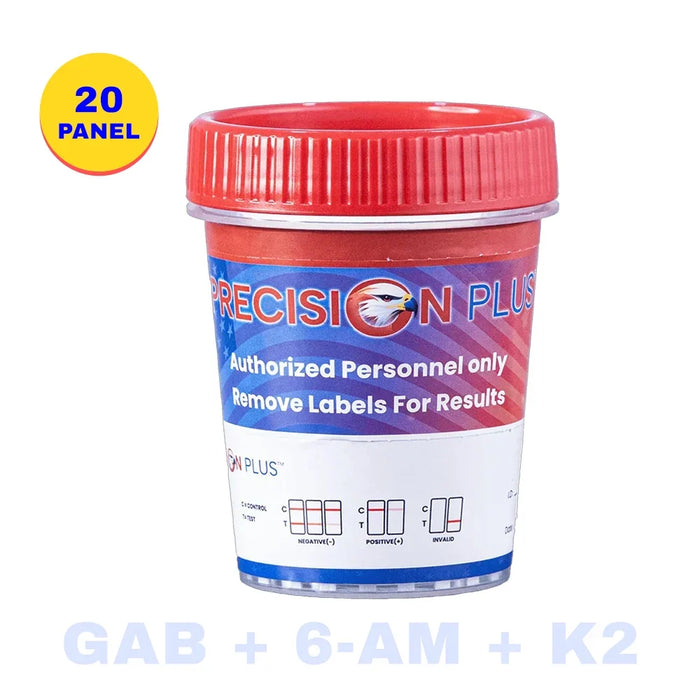
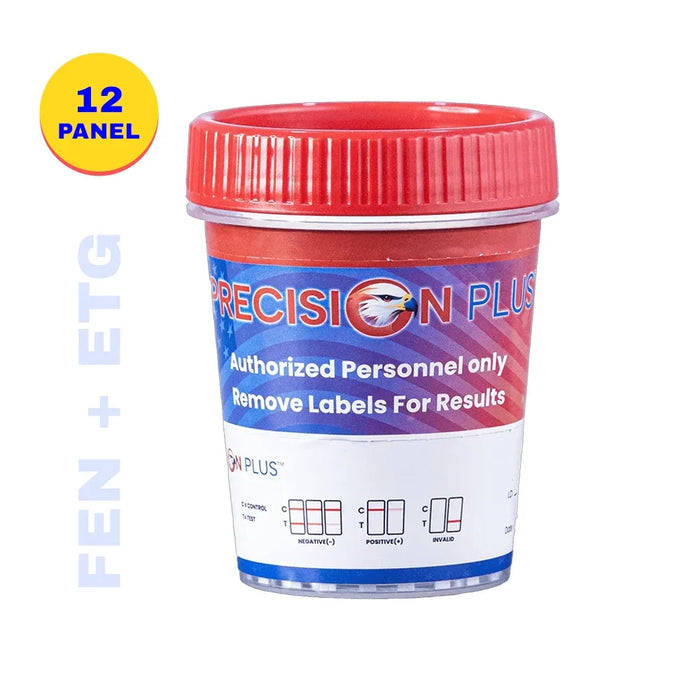
Buyers assembling or restocking a workplace or clinic testing program, including DOT and non DOT panels, point of care cups, and send out confirmation kits, can review current options through our drug test cup collection.
Frequently asked questions
Does NAD+ IV therapy show up on a urine drug test?
No. NAD+ is not an analyte on any standard, expanded, or DOT drug test panel, and there is no published evidence that it cross reacts with any immunoassay drug class.
Do NMN or NR supplements show up on a drug test?
No. NMN and NR are vitamin B3 derivatives sold as dietary supplements. Neither appears on the SAMHSA federal panels, the DOT panel under 49 CFR 40.85, or typical non DOT workplace panels.
Can an NAD+ infusion cause a false positive?
There is no credible published cross reactivity evidence linking NAD+ or its precursors to a false positive on any immunoassay screen. If a person who received NAD+ therapy tests positive for something else, the infusion's other ingredients are the first thing to check, not the NAD+ itself.
What if a clinic adds ketamine to an NAD+ drip?
Ketamine is a Schedule III controlled substance and is not part of the standard five panel or most expanded panels. Detecting it requires a specific ketamine or PCP class immunoassay or a laboratory GC/MS or LC/MS confirmation ordered for that analyte.
Is NAD+ a controlled substance?
No. NAD+ is a naturally occurring coenzyme, and its precursors NMN and NR are marketed as dietary supplements, not scheduled drugs.
Should someone tell a testing program they received NAD+ therapy?
It does not hurt to disclose it, but it will not by itself explain a confirmed positive. Any unexplained result should go through the medical review officer, along with documentation of every substance that was actually infused.
This article is general information about drug test science and workplace testing programs. It is not legal or medical advice.