Spravato is the brand name for esketamine, a prescription medication given only inside a certified clinic as part of a treatment program for depression. Because esketamine is structurally related to ketamine, patients and employers often ask whether a routine workplace drug test will flag it. The short answer is that a standard screening panel almost never detects it, but a dedicated ketamine test or a laboratory confirmation test can, and the two substances are not easy to tell apart on a drug screen. This article explains what esketamine is, why it is scheduled the way it is, which tests actually look for it, and how a result should be handled if one comes back positive.
What Spravato (esketamine) actually is
Esketamine is the S enantiomer of ketamine. Ketamine itself is a mixture of two mirror image molecules, the R and S forms, and esketamine is simply the S half of that mixture, isolated and formulated as a nasal spray under the brand name Spravato. The drug's own prescribing information, published on DailyMed, describes it as an NMDA receptor antagonist used along with an oral antidepressant for treatment resistant depression and for depressive symptoms in adults with major depressive disorder who have suicidal thoughts or behavior. The label requires that every dose be administered under the direct observation of a health care provider at a certified treatment center, and it carries a boxed warning for sedation, dissociation, and abuse or misuse potential.
Because of that abuse potential, the Drug Enforcement Administration placed esketamine into Schedule III of the Controlled Substances Act in 2019, the same schedule category where ketamine itself sits. The scheduling action is documented in the Federal Register final rule placing esketamine in Schedule III, and the DEA's current schedule listings are maintained on its Diversion Control Division schedules page. Schedule III status means esketamine has a recognized medical use and a lower abuse potential than Schedule I or II substances, but it is still a controlled substance that requires a valid prescription and in Spravato's case, administration at a certified site rather than take home dosing.
Why standard drug test panels do not include it
Most workplace urine cups and oral fluid tests screen for a fixed menu of drug classes built around the federal workplace testing model. A basic 5 panel test looks for amphetamines, cocaine, marijuana metabolite (THC), opiates, and phencyclidine (PCP). Expanded panels of 10, 12, or more strips add classes such as benzodiazepines, barbiturates, methadone, propoxyphene, or the expanded opioid group that covers oxycodone, hydrocodone, and related synthetic opioids. Ketamine and esketamine are not part of any of those standard immunoassay classes. A person taking Spravato under medical supervision will not trigger a positive result on an ordinary 5, 10, or 12 panel screen, because the antibody strips used in those cups simply are not designed to bind to the ketamine molecule.
The federal testing program that governs DOT safety sensitive positions, found at 49 CFR Part 40, specifies the five drug classes a DOT regulated test must cover: marijuana, cocaine, opioids, amphetamines and methamphetamine, and phencyclidine. Ketamine is not one of the five, so a DOT regulated drug test for a commercial driver or other safety sensitive employee will not detect esketamine use. Employers who want to screen for ketamine and esketamine, whether for a non regulated workforce or a specific clinical oversight program, have to add a dedicated test for that purpose.
What does detect ketamine and esketamine
A dedicated ketamine screening strip, often labeled KET on a multi panel cup, uses an antibody specifically designed to react with ketamine and its primary metabolite, norketamine. Because esketamine metabolizes along the same pathway and produces the same norketamine metabolite, a KET immunoassay strip can react to esketamine use just as it would to recreational or clinical ketamine use. The screening strip cannot distinguish which enantiomer was taken; it only flags the presence of ketamine class metabolites above the assay's cutoff.
A positive or borderline immunoassay result is a preliminary screen, not a confirmed finding. Laboratory confirmation by gas chromatography mass spectrometry (GC/MS) or liquid chromatography tandem mass spectrometry (LC/MS) identifies and quantifies ketamine and norketamine with much greater specificity than a rapid strip. Even at that level, standard confirmation methods identify the ketamine molecule itself; they do not routinely distinguish the S enantiomer (esketamine) from the R enantiomer or from the racemic mixture without specialized chiral separation techniques that most workplace laboratories do not perform. In practice, this means a confirmed ketamine positive on a workplace test cannot by itself tell an employer whether the source was Spravato therapy, another ketamine product, or non medical use.
Standard panel detection table
| Panel type | Typical drug classes screened | Detects esketamine or ketamine |
|---|---|---|
| 5 panel | Amphetamines, cocaine, THC, opiates, PCP | No |
| 10 to 12 panel | Adds benzodiazepines, barbiturates, methadone, propoxyphene, expanded opioids | No |
| DOT 5 panel (49 CFR Part 40) | Marijuana, cocaine, opioids, amphetamines/methamphetamine, PCP | No |
| Dedicated KET strip (urine cup or dip card) | Ketamine and norketamine | Yes, screens positive for ketamine class metabolites; cannot tell esketamine from ketamine |
| Laboratory GC/MS or LC/MS confirmation | Confirms and quantifies specific ketamine metabolites | Yes, confirms ketamine class use; typically does not separate enantiomers without a specialized chiral method |
Detection window
Ketamine and esketamine have a relatively short detection window in urine compared with many other controlled substances, generally measured in a small number of days after the last dose rather than weeks. The exact window depends on dose, frequency of administration, individual metabolism, and the sensitivity and cutoff of the specific assay used, so no single number applies to every person. Because Spravato is dosed intermittently at a certified clinic rather than daily at home, a urine or oral fluid test performed days after the most recent in clinic dose may not pick up a detectable level even on a dedicated KET strip.
The role of the medical review officer
Any employee who tests positive on a ketamine class screen and who is taking Spravato under a prescription has a straightforward path: the result goes to a medical review officer (MRO) for review before anyone outside the testing chain sees a positive report. The MRO is a licensed physician trained to interpret laboratory results in light of legitimate medical explanations. The employee or the prescribing clinic can provide documentation of the Spravato treatment program, and the MRO determines whether the positive result is consistent with legitimate prescribed use. This is the same review process used for any other prescribed controlled substance that might otherwise ring up a positive on a workplace panel. Our related article on the medical review officer process walks through how that verification works step by step for employers building or auditing a testing program.
Employers should never attempt to interpret a ketamine class positive on their own or take adverse action before MRO review is complete. Prescription verification, not guesswork, is the correct route, and it protects both the employee undergoing legitimate medical treatment and the employer's testing program from an incorrect adverse action.
What this means for employers building a testing program
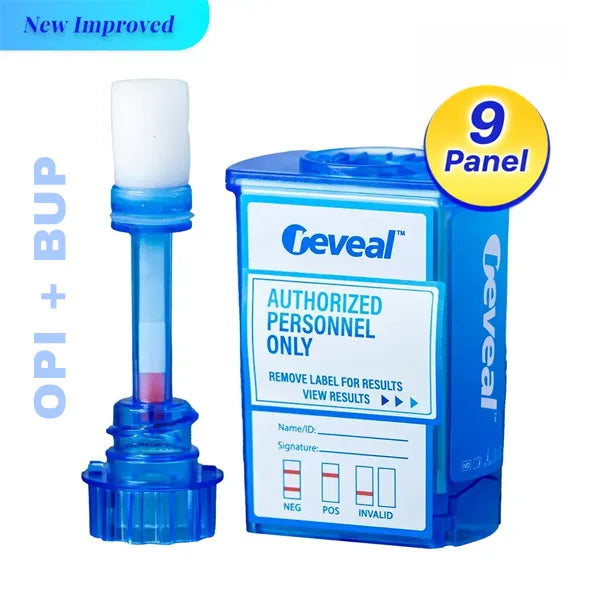
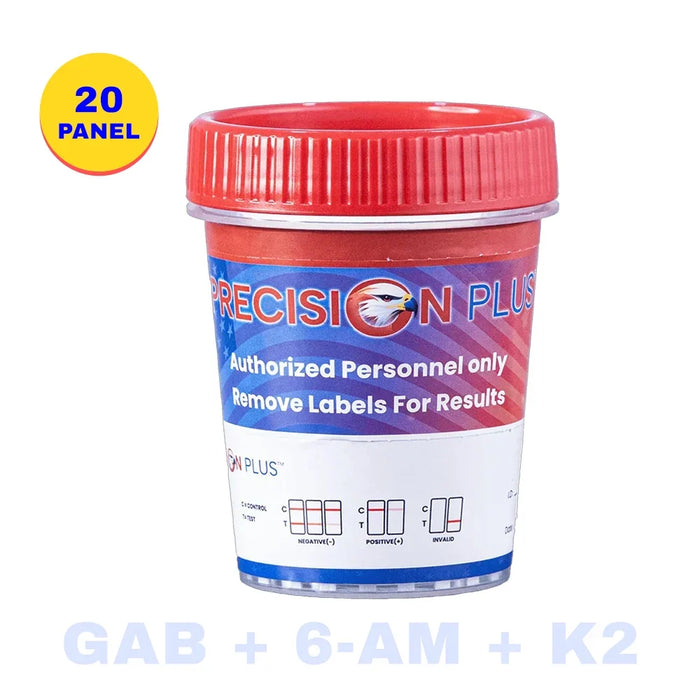
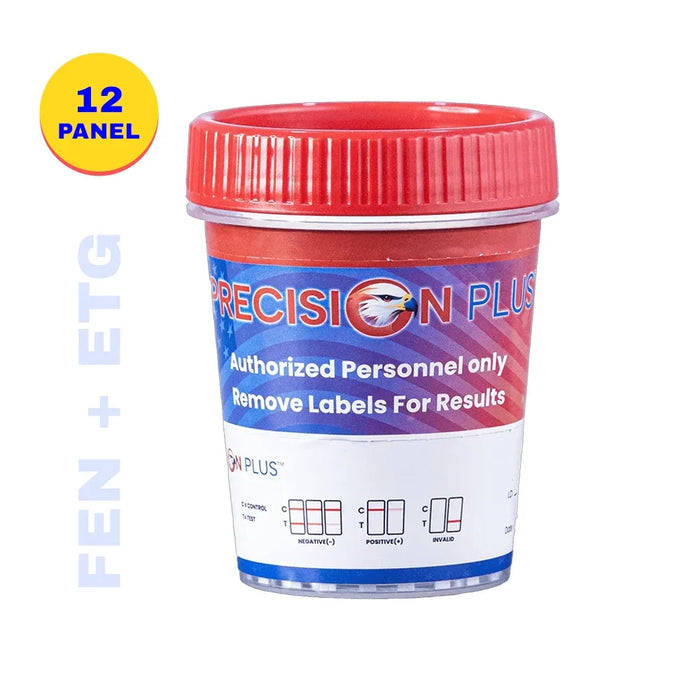
If your workforce includes employees in behavioral health treatment, or if your industry has reason to screen specifically for ketamine misuse (this comes up in some clinical and veterinary settings where the drug is accessible), you need a panel that actually includes a KET strip, because your standard 5 or 10 panel cup will not catch it. For DOT regulated safety sensitive positions, remember that the federal five panel under 49 CFR Part 40 does not include ketamine at all, so a DOT test and a ketamine specific test serve two different purposes and neither substitutes for the other. Employers sourcing specialty panels, including ketamine inclusive multi drug cups and confirmation services, can review options through the drug test cup collection, and distributors and clinics ordering in volume can check current availability through the wholesale portal.
For more background on how ketamine itself behaves on workplace panels, including cutoff concepts and why more programs are adding ketamine screening, see our companion article on whether ketamine shows up on a drug test.
Frequently asked questions
Will a standard 5 or 10 panel drug test catch Spravato?
No. Standard panels screen for amphetamines, cocaine, THC, opiates, PCP, and in expanded panels, benzodiazepines and other specific classes. None of those immunoassay strips are built to detect ketamine or esketamine, so routine use of Spravato under medical supervision will not trigger a positive on those panels.
Is there a test that specifically detects esketamine?
There is no esketamine specific antibody strip in common workplace use. A dedicated KET (ketamine) strip or a laboratory GC/MS or LC/MS confirmation test will detect ketamine class metabolites, including those produced by esketamine, but it cannot reliably distinguish esketamine from ketamine without specialized chiral testing that most workplace labs do not perform.
Does the DOT drug test panel include ketamine?
No. The federal testing panel required under 49 CFR Part 40 for DOT regulated safety sensitive employees covers marijuana, cocaine, opioids, amphetamines and methamphetamine, and PCP. Ketamine and esketamine are not part of that required panel.
What should an employee taking Spravato do if a workplace test flags a ketamine class result?
The result should go through medical review officer verification, where the employee or their certified treatment clinic can provide documentation of the prescribed Spravato program. This is a standard part of the review process for any legitimately prescribed controlled substance and should occur before any adverse employment action is considered.
Is esketamine a controlled substance?
Yes. The DEA placed esketamine in Schedule III of the Controlled Substances Act, the same schedule as ketamine, reflecting a recognized medical use alongside an acknowledged potential for abuse or diversion.
Why does Spravato have to be given at a certified clinic instead of taken at home?
The product labeling requires direct observation by a health care provider because of sedation, dissociation, and misuse risks associated with the medication. This supervised administration model is part of the approved by FDA risk management strategy for the product and is documented in the drug's labeling.
This article is general information for employers and testers, not legal or medical advice. Always confirm current rules with the primary source and consult qualified counsel or a medical review officer for specific situations.