Blue lotus, botanically Nymphaea caerulea, is a water lily sold as dried flower, tea, tincture, extract and vape liquid, usually marketed for relaxation or sleep. Employers and employees both ask the same question when a product like this shows up in a break room or a vape cart: will it trigger a positive on a workplace drug test. The short answer is that standard immunoassay drug test panels are not built to detect the alkaloids in blue lotus, and no published research documents cross reactivity between those alkaloids and the screening tests used in employment or clinical settings. That does not mean every product on the shelf is what the label says it is, and it does not mean every workplace or government program treats the plant the same way.
What Is Blue Lotus?
Nymphaea caerulea contains two alkaloids most often discussed in the literature and in marketing copy: aporphine and nuciferine. Aporphine is chemically related to apomorphine, a prescription medication used for Parkinson disease symptoms, though the compound found in the plant is not the same pharmaceutical product and is not present in meaningful, standardized doses in most consumer blue lotus goods. Nuciferine is also found in lotus and water lily species generally. Neither compound is a federally controlled substance, and neither is an analyte that commercial or laboratory drug test panels are designed to detect.
Is Blue Lotus a Controlled Substance?
Nymphaea caerulea is not listed on the federal schedules maintained under the Controlled Substances Act. The Drug Enforcement Administration Diversion Control Division publishes and updates the schedules that define which plants, chemicals and drug products are controlled at the federal level, and blue lotus and its alkaloids do not appear on that list. That is a federal statement only. State laws vary, and a buyer or employer should not assume that every state or local jurisdiction treats an unscheduled plant product identically, particularly if it is sold combined with other ingredients.
How Workplace and Clinical Drug Tests Actually Work
A urine, oral fluid or hair drug test starts with an immunoassay screen. That screen uses antibodies built to react with a specific target drug class, such as amphetamines, opiates, cocaine metabolite, THC metabolite, PCP or benzodiazepines. If a sample screens positive, a laboratory runs a confirmation test, almost always gas chromatography mass spectrometry or liquid chromatography tandem mass spectrometry, which identifies the exact molecule present rather than a class of related molecules. The federal workplace testing rule for safety sensitive transportation employees, found at 49 CFR Part 40, section 40.85, lists the specific drugs and drug classes that regulated laboratories must test for, and aporphine type alkaloids are not among them. The guidelines that federal agencies and many private labs follow for non regulated workplace testing come from the Department of Health and Human Services, described on the SAMHSA statutes, regulations and guidelines page, and they use the same narrow, class based target list.
Because screening antibodies only bind to molecules that share a close structural resemblance to the target drug, a compound has to be chemically similar enough to cause cross reactivity, and that similarity has to be demonstrated and published before a lab or a medical review officer treats it as a credible explanation for a positive result. There is no published cross reactivity data showing that aporphine or nuciferine binds to the antibodies used in standard THC, opiate, amphetamine, cocaine, PCP or benzodiazepine immunoassays. The evidence here is better described as limited to absent rather than as a confirmed negative for every possible assay variant on the market, since manufacturers do not test every herbal compound against every kit.
Panel Comparison: What Standard Tests Target
| Test or panel | What it targets | Detects blue lotus alkaloids |
|---|---|---|
| Standard 5 panel immunoassay | THC metabolite, cocaine metabolite, opiates, amphetamines, PCP | No |
| Expanded 10 to 12 panel immunoassay | Adds benzodiazepines, barbiturates, methadone, propoxyphene, oxycodone, MDMA | No |
| DOT regulated panel, 49 CFR Part 40 | Marijuana metabolite, cocaine metabolite, opioids, PCP, amphetamines and MDMA | No |
| GC/MS or LC/MS/MS confirmation | Confirms the specific analyte flagged by the initial screen | No, unless the lab is separately asked to run an aporphine alkaloid assay |
| Specialty forensic toxicology panel | Lab defined, can be built to look for almost any named compound | Only if specifically requested and validated for that compound |
Vapes, Tinctures and the Undeclared Ingredient Risk
Blue lotus is most often sold as an herbal dietary supplement or as a vape liquid, and both product categories carry the same basic regulatory fact: dietary supplements do not go through FDA premarket approval the way prescription drugs do, and the manufacturer, not the agency, is responsible for making sure the label matches the contents before it ships. The FDA dietary supplements program page explains this framework. In practical terms, that means a blue lotus vape cartridge, tincture or gummy can legally reach a shelf without any outside lab confirming what is actually inside it, and products in this unregulated space have a documented history of containing undeclared cannabinoids, synthetic additives or inconsistent potency from batch to batch. A test result or an unexpected label claim is a reason to ask a seller for third party lab testing, not a reason to assume a product is pure because the main listed ingredient is unscheduled.
Military and Workplace Policy Questions
Military branches run their own substance abuse prevention programs separate from civilian workplace testing rules, and each service sets its own list of prohibited dietary supplements and emerging products, which can be broader than the federal schedules. A service member or civilian employee who wants a current answer should ask through their own chain of command or installation substance abuse program rather than relying on a civilian blog post, and a resource such as the Psychological Health Center of Excellence at Health.mil is a reasonable starting point for current guidance. Civilian employers set their own drug free workplace policies too, and nothing here should be read as a promise that every employer treats an herbal supplement the same way a regulated lab does.
What To Do If You Are Facing a Test
If a screening immunoassay flags a result that seems inconsistent with actual drug use, the correct path is the medical review officer process, not a home remedy or an attempt to explain the result away informally. A medical review officer reviews confirmed positive results, contacts the donor, and considers legitimate medical explanations and documentation before a result is reported to an employer. Employees who use any herbal product, supplement or vape liquid should keep the product packaging and be ready to disclose it if asked, since documentation is what the review process relies on. Nothing in this article is instruction on evading or defeating a legitimate drug test, and readers should not treat it that way.
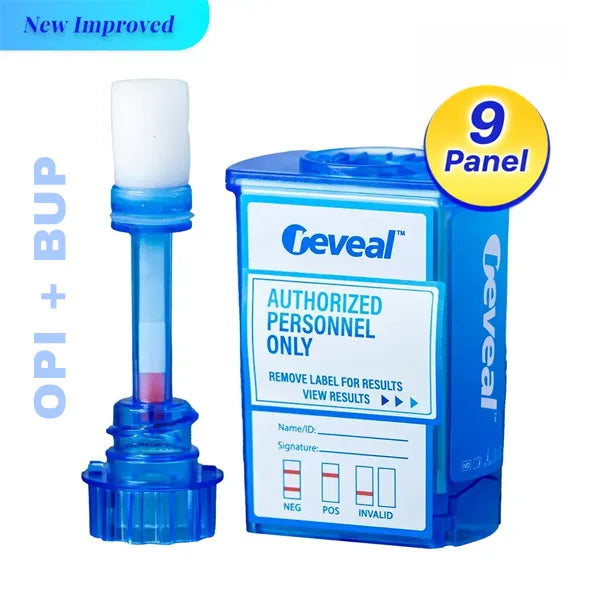
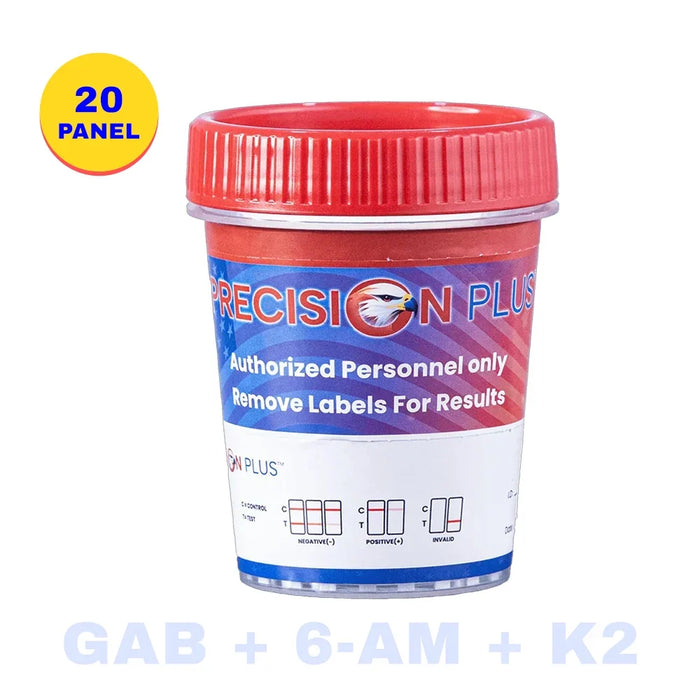
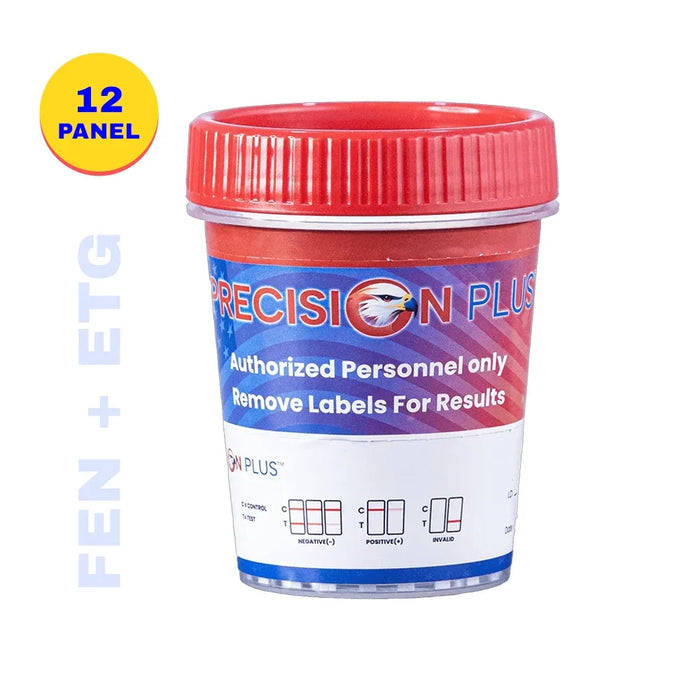
American Screening Corporation supplies the cups, dip cards and oral fluid devices that run the standard panels described above, available through the drug test cup collection and through the wholesale portal for clinics and employers buying in volume. For background on how one related plant product sold in smoke and vape form is treated by standard panels, see Does K2 or Spice Show Up on a Drug Test?, and for another unscheduled plant that employers ask about, see Does Salvia Show Up on a Drug Test?
Frequently asked questions
Does blue lotus show up on a standard 5 panel or 10 panel drug test?
No. Standard immunoassay panels screen for specific drug classes such as THC, opiates, amphetamines, cocaine metabolite and PCP, and the alkaloids in blue lotus are not among the analytes those panels target.
Is blue lotus illegal or a federally controlled substance?
No. Nymphaea caerulea and its alkaloids are not listed on the federal controlled substance schedules maintained by the DEA. State law can vary, so check your state before assuming the same rule applies everywhere.
Can blue lotus cause a false positive drug test?
There is no published cross reactivity evidence showing that blue lotus alkaloids trigger a positive on standard immunoassay screens. The evidence is best described as limited to absent rather than disproven for every assay on the market.
Do blue lotus vapes or tinctures contain other substances?
They can. Dietary supplements and vape liquids are not required to clear FDA premarket approval, and unregulated herbal and vape products have a documented history of undeclared ingredients or inconsistent potency, so label claims alone are not proof of contents.
Will military drug testing flag blue lotus?
Standard screening panels do not target blue lotus alkaloids, but individual service branches can separately restrict dietary supplements and emerging products beyond the federal schedules. Service members should confirm current policy through their own command.
What should I do if I use blue lotus and face a drug test?
Keep the product packaging and disclose any supplement or vape use if a medical review officer contacts you about a result. The MRO process, not a home explanation or an attempt to beat the test, is the correct route for any unexpected result.
This article is general information, not legal or medical advice. Employers and individuals should consult qualified counsel or a medical review officer for decisions about specific drug testing situations.