K2 and Spice are street names for synthetic cannabinoids, lab made chemicals sprayed on plant material or sold as liquids for vaping, marketed to mimic the effects of marijuana. They are not marijuana, and they are not detected by the standard THC immunoassay found in most workplace drug test cups and cards. An employer who assumes a typical five or ten panel screen will catch synthetic cannabinoid use is working from a false sense of coverage. Catching K2 or Spice requires a dedicated synthetic cannabinoid immunoassay or a laboratory confirmation test built to look for these specific compounds, and even then the chemistry keeps moving.
This article explains why standard panels miss synthetic cannabinoids, what a specialty panel actually screens for, how confirmation testing works, and what the federal scheduling and health data say. It does not explain how to evade detection. Any discussion of testing gaps here is written for employers, collection sites, and program administrators who need to know what they are and are not buying when they order a panel.
What K2 and Spice Actually Are
Synthetic cannabinoids are a large and constantly changing family of manufactured compounds. Chemically, most of them do not resemble delta 9 tetrahydrocannabinol (THC), the molecule that standard immunoassays are built to detect, even though they act on some of the same cannabinoid receptors in the body. The National Institute on Drug Abuse (NIDA) describes K2 and Spice as human made chemicals sprayed on dried plant material and smoked, or sold as liquids to be vaporized, and notes that their effects are unpredictable and sometimes severe because the actual chemical content of a given product can vary widely from batch to batch. That variability is part of why these products are difficult to screen for with a single, fixed assay. More background on composition and use patterns is available from NIDA's synthetic cannabinoids DrugFacts page.
Because synthetic cannabinoids are structurally different from THC, a standard THC immunoassay, the kind built into most drug test cups, cards, and oral fluid devices, generally does not cross react with them. The screen is designed to bind to THC and its metabolites, not to the dozens of synthetic cannabinoid analogs that have circulated over the years. A negative result on a standard THC panel does not mean a donor has not used a synthetic cannabinoid product; it usually means the panel was never built to look for one.
Specialty Immunoassays and Why Compound Turnover Matters
Laboratories and test manufacturers have developed immunoassays aimed specifically at synthetic cannabinoid metabolites, separate from the standard THC strip. Published validation work on one such enzyme linked assay reported acceptable sensitivity for a defined set of synthetic cannabinoid metabolites in urine, while also noting that assay performance depends heavily on which specific compounds the antibody was designed to recognize, see the validation study of a synthetic cannabinoids urine ELISA. A separate evaluation of a homogeneous enzyme immunoassay for synthetic cannabinoids found similarly that the test performed well against the analogs it targeted but could miss newer or structurally different compounds entirely, a point summarized in the evaluation of a homogenous immunoassay for synthetic cannabinoids.
That is the central problem with this drug class. Manufacturers and underground chemists have repeatedly altered the molecular structure of synthetic cannabinoid products, often in response to new scheduling, producing new analogs that older antibody based screens were never built to catch. A panel that reliably detected the synthetic cannabinoids common in one period may have limited or no sensitivity to compounds circulating later. Any employer or lab ordering a synthetic cannabinoid panel should ask the laboratory which specific analogs the assay targets and how recently it was updated, rather than assuming broad, permanent coverage.
Screening Immunoassay vs. Confirmation Testing
As with any drug test, an initial immunoassay result, positive or negative, is a screening result, not a final determination. A presumptive positive on a synthetic cannabinoid immunoassay should be sent for confirmation by gas chromatography mass spectrometry (GC/MS) or liquid chromatography tandem mass spectrometry (LC/MS or LC/MS/MS), which can identify specific synthetic cannabinoid metabolites rather than relying on antibody cross reactivity. Confirmation testing is the step that distinguishes a true positive from an assay artifact, and it is also the step most likely to pick up a newer analog that a standard immunoassay cannot flag, provided the laboratory's reference library includes that compound.
| Test stage | What it looks for | Typical result if the donor used K2 or Spice |
|---|---|---|
| Standard THC immunoassay (5, 10, or 12 panel cup or card) | Delta 9 THC and its metabolites | Usually negative; synthetic cannabinoids do not generally cross react with this screen |
| Dedicated synthetic cannabinoid immunoassay | A defined list of synthetic cannabinoid metabolites built into that specific assay | May be positive if the compound used matches the assay's target list; negative if it does not |
| GC/MS or LC/MS confirmation | Specific synthetic cannabinoid metabolites against a laboratory reference library | Positive if the compound used is in the lab's current reference library; otherwise inconclusive for that compound |
Any result that is unusual, contested, or relevant to a safety sensitive decision should route through a medical review officer (MRO) along with the collection chain of custody documentation. The MRO reviews laboratory data, confirmation results, and any legitimate medical explanation before a result is reported to an employer as verified. For testing conducted under Department of Transportation authority, the certified laboratory and MRO review process is set out in 49 CFR Part 40, the DOT drug and alcohol testing procedures, and synthetic cannabinoids are not part of the federal five panel test required for DOT covered positions.
DEA Scheduling and Why the Chemistry Keeps Changing
Many synthetic cannabinoid compounds and chemical classes have been placed in Schedule I of the Controlled Substances Act, the category reserved for substances with no accepted medical use and a high potential for abuse. The current federal schedules, including the synthetic cannabinoid substances and structural classes that have been added over time, are published in the Code of Federal Regulations, Title 21, Part 1308, Schedules of Controlled Substances. Scheduling actions typically follow, rather than prevent, the appearance of a new analog, which is part of why manufacturers of these products have repeatedly modified their chemistry to stay ahead of both law and detection.
Health Risks
Synthetic cannabinoids are not a safer or more predictable alternative to marijuana. NIDA reports that use has been linked to severe effects including rapid heart rate, vomiting, agitation, confusion, hallucinations, and in some cases seizures, kidney injury, or loss of consciousness, with symptoms that can be more intense and less predictable than typical marijuana intoxication because the actual chemical dose and identity in a given product is often unknown to the user. A peer reviewed review of the epidemiology and clinical effects of this drug class describes a similar pattern of unpredictable potency and adverse events, available in this review of synthetic cannabinoid epidemiology, pharmacodynamics, and clinical implications. This article is general information only and is not medical advice; anyone concerned about synthetic cannabinoid use or exposure should speak with a qualified medical provider or contact a poison control resource rather than relying on an online article.
What an Employer Can Order
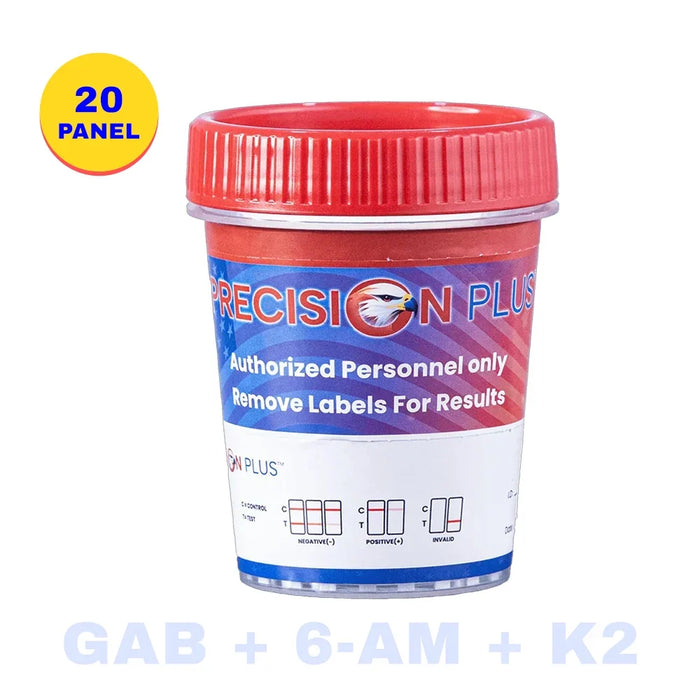
Employers who have reason to include synthetic cannabinoids in a testing program, because of an industry risk profile, a specific incident, or a reasonable suspicion situation, generally work with their laboratory or testing provider to add a dedicated synthetic cannabinoid immunoassay or request LC/MS confirmation on a urine specimen, rather than assuming a standard cup or card panel already covers this drug class. Policies should state clearly which substances a given device actually screens for, since donors and even safety staff often assume a multi panel cup detects anything a donor might have used. A written policy that names the exact panel composition, and that routes any irregular result through MRO review, holds up better than one built on assumptions about what a cup detects. Background on matching a panel to an employer's actual risk profile is covered in our guide to choosing a drug test panel, and the detection challenges synthetic cannabinoids share with other designer drug classes are discussed in our article on bath salts and standard drug test panels. American Screening Corporation's current cup and card options are listed in the drug test cups collection.
Programs operating under the federal workplace drug free program model, including SAMHSA guidance for drug free workplace policy and program design, can review general program structure through the SAMHSA workplace resources page. State law on what an employer may test for, and how results must be handled, varies, so employers should confirm current requirements with their own counsel rather than relying on a general industry assumption. Nothing in this article is legal advice, and no outcome of any specific program design is promised.
Frequently asked questions
Does a standard drug test cup detect K2 or Spice?
Usually not. Standard cups and cards built around a THC immunoassay are designed to detect delta 9 THC and its metabolites. Synthetic cannabinoids are chemically different from THC, so a standard panel generally does not cross react with them, and a negative result on that panel does not rule out synthetic cannabinoid use.
Is there a specific test for K2 and Spice?
Yes, dedicated synthetic cannabinoid immunoassays exist, along with laboratory confirmation by GC/MS or LC/MS. Coverage is limited to whichever specific compounds that assay or reference library was built to detect, which is why manufacturers and laboratories update these tests as new analogs appear.
Why do synthetic cannabinoid tests need to be updated so often?
Synthetic cannabinoids are a constantly changing group of compounds. When one analog is scheduled or widely detected, manufacturers often shift to a new chemical variant, which existing immunoassays may not recognize until the test is updated or a new reference standard is added to a laboratory's confirmation library.
Are K2 and Spice legal?
Many synthetic cannabinoid compounds and chemical classes are controlled substances under federal law, listed in Schedule I of the Controlled Substances Act as published in the federal regulations. Because new analogs appear over time, the legal status of a specific compound should be confirmed against the current federal and state schedules rather than assumed.
What happens if a synthetic cannabinoid screen comes back positive?
A positive screening result should be sent for laboratory confirmation testing and reviewed by a medical review officer before it is reported as a verified result. The MRO process considers the confirmation data, chain of custody, and any legitimate explanation before a final result goes to the employer.
Can an employer add synthetic cannabinoid testing to an existing program?
Generally yes, employers can work with a testing provider or laboratory to add a dedicated synthetic cannabinoid immunoassay or request LC/MS confirmation, but this is typically a separate addition to a standard panel rather than something already included in a basic THC screen. Program design should be confirmed with the testing laboratory and reviewed against applicable state law.
This article is general information only and is not legal or medical advice. Program design decisions should be reviewed with qualified counsel, and any health concerns should be directed to a qualified medical provider.