
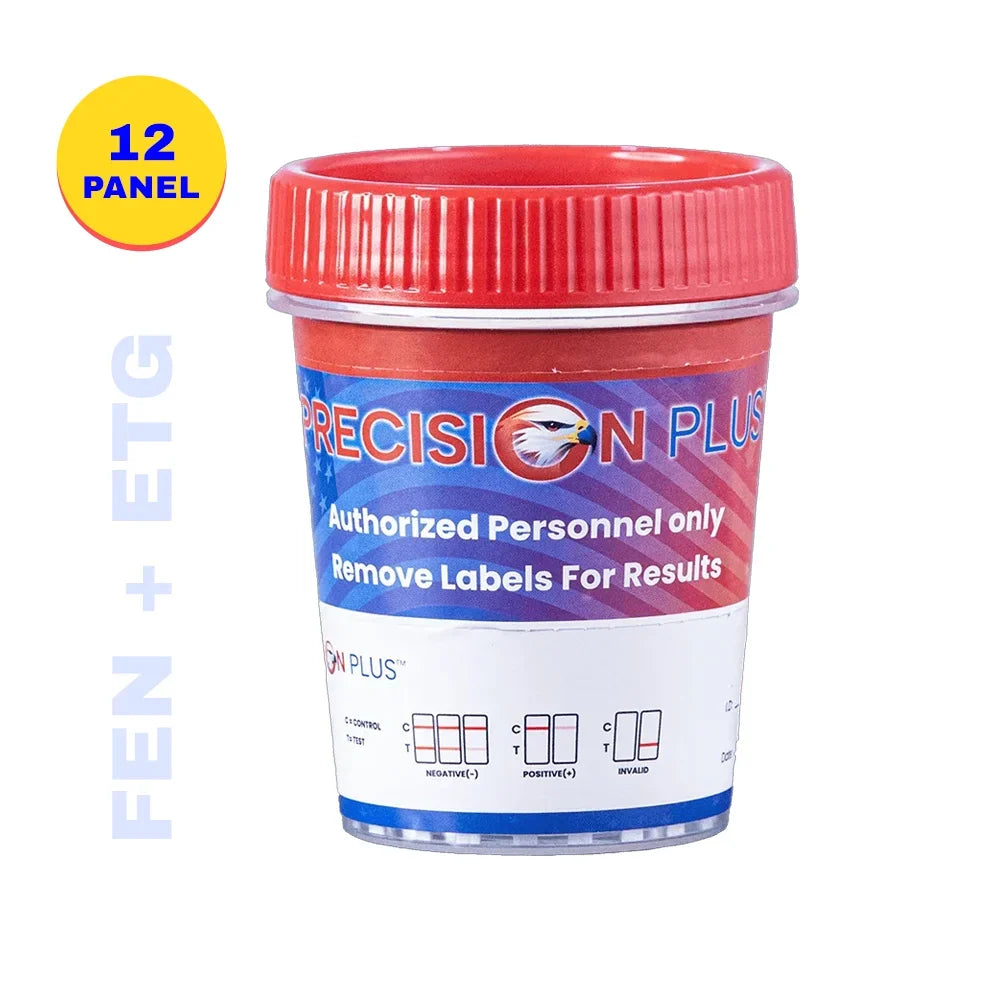
Quick answer: Quantisal-style devices collect oral fluid for hospital drug screening. The pad gathers about 1 mL of saliva. HHS cutoffs include THC at 4 ng/mL and cocaine at 15 ng/mL over 5–48 hours. American Screening Corp supplies FDA-cleared, CLIA-waived oral-fluid kits in bulk. Every positive screen is preliminary; confirm by GC/MS or LC-MS/MS.
- Quantisal-style collectors take about 1 mL of oral fluid into a buffered tube for immunoassay screening and laboratory confirmation.
- HHS oral-fluid initial cutoffs include THC 4 ng/mL, cocaine 15 ng/mL, opioids 30 ng/mL, and amphetamines 50 ng/mL (Federal Register, Oral/Fluid Mandatory Guidelines, as of October 2019).
- Hospitals buy these devices in case quantities for emergency, occupational-health, and behavioral-health units and must confirm every positive screen by GC/MS or LC-MS/MS.
Reviewed by the American Screening Corp clinical supplies team. Last updated November 2026.
What are Quantisal devices and how do they work?
Quantisal devices are oral-fluid collectors used to obtain saliva for drug screening. A pad stays in the mouth until a volume indicator shows that about 1 mL of oral fluid has been absorbed. The pad is then locked into a buffered transport vial.
Need drug tests for your clinic, program or workplace?
American Screening Corp has supplied FDA-cleared, CLIA-waived tests at wholesale pricing since 2004. Popular options:
Ordering 100+ tests? Request volume pricing.
The collector does not print a diagnostic result. The laboratory or point-of-care assay run on that specimen does. Hospitals use this workflow in emergency departments, behavioral-health units, pain services, and occupational health when they need an observed collection without a restroom.
Every positive screen is preliminary; confirm by GC/MS or LC-MS/MS laboratory testing. That rule applies whether the specimen came from a Quantisal-style vial or another oral-fluid device.
Which drugs, cutoff levels, and detection windows apply?
Oral-fluid assays typically detect parent THC, cocaine and benzoylecgonine, amphetamines, methamphetamine, codeine, morphine, hydrocodone, hydromorphone, oxycodone, oxymorphone, 6-acetylmorphine, and PCP. Some hospital panels add fentanyl or benzodiazepines.
HHS Mandatory Guidelines for Federal Workplace Drug Testing Programs—Oral/Fluid (Federal Register, as of October 2019) set these initial cutoffs: THC 4 ng/mL; cocaine 15 ng/mL; codeine/morphine 30 ng/mL; hydrocodone/hydromorphone 30 ng/mL; oxycodone/oxymorphone 30 ng/mL; 6-acetylmorphine 4 ng/mL; phencyclidine 10 ng/mL; amphetamine/MDA 50 ng/mL; methamphetamine/MDMA 50 ng/mL.
Confirmation cutoffs in the same guideline include THC 2 ng/mL, cocaine 8 ng/mL, most listed opioids 15 ng/mL, 6-acetylmorphine 2 ng/mL, PCP 10 ng/mL, and amphetamines 25 ng/mL. Most drugs remain detectable in oral fluid for about 5 to 48 hours. Ethanol in oral fluid reflects a few hours of recent drinking, not a urine EtG window.
Are Quantisal devices FDA-cleared or CLIA-waived?
A Quantisal-style collector is a specimen device. FDA clearance and CLIA-waived status attach to the test system named on the label, not to a pad alone. Use a device only as labeled. Forensic-use-only products must not be used to diagnose or treat patients.
Point-of-care oral-fluid screens used on hospital floors should be FDA-cleared and CLIA-waived when that is the product record. Lab-based vials are typically tested in high-complexity laboratories under CLIA. Match the current instructions for use before any patient or donor collection.
Who in a hospital buys Quantisal devices in bulk?
The buyer is not a consumer. Typical purchasers are laboratory directors, occupational-health managers, emergency-department leaders, behavioral-health coordinators, and materials-management staff. They buy for ED toxicology workflows, inpatients, staff and contractor testing, and affiliated clinics.
American Screening Corp in Shreveport, Louisiana, sells wholesale oral-fluid tests, urine cups, dip cards, breathalyzers, and lab-confirmation support to hospitals, clinics, treatment centers, courts, labs, and employers. Same-day shipping is available nationwide.
If a unit still needs a longer detection window, keep drug test cups on the same formulary. For case pricing, IFUs, and hospital onboarding, contact American Screening Corp.
How do hospitals order Quantisal devices in bulk?
Hospitals order by the case through materials management or the laboratory contract. Specify collectors, the matching point-of-care screen if used, storage temperature, and whether chain-of-custody kits are required. Do not assume a collector and a waived cassette share one SKU.
Ask for the current IFU, FDA 510(k) or CLIA-waived documentation when claimed, lot numbers, and expiration dating before the first shipment. Volume standing orders are handled as B2B, not retail.
Oral fluid vs urine cups vs dip cards
Choose the matrix by intent: recent use and observed collection (oral fluid), a multi-day window (urine), or low-cost urine screening at volume (dip cards). Confirmation method does not change.
| Feature | Oral-fluid collector | Urine cup | Dip card |
|---|---|---|---|
| Observed collection | Yes, chairside in minutes | Restroom required | Restroom required |
| Typical detection window | About 5–48 hours | Often 1–4 days | Same as urine |
| Example THC initial cutoff | 4 ng/mL (HHS oral fluid, 2019) | 50 ng/mL (HHS urine workplace) | 50 ng/mL urine |
| Hospital fit | Recent use, occupational health, hard-to-void patients | Broad clinical and pre-employment panels | High-volume urine screening |
| Positive result | Preliminary; GC/MS or LC-MS/MS | Preliminary; GC/MS or LC-MS/MS | Preliminary; GC/MS or LC-MS/MS |
How do you collect and read an oral-fluid specimen?
Follow the device instructions for use. A typical hospital procedure looks like this.
- Verify identity and consent under hospital policy.
- Inspect the pouch for expiration date and damage.
- Place the pad in the mouth until the volume indicator shows about 1 mL collected.
- Lock the pad into the buffer vial, cap it, and label identifiers and time.
- Complete chain-of-custody when the test is employment, court, or DOT-related under 49 CFR Part 40.
- Run the assay per the IFU. A control line must appear for a valid result. Read only inside the printed time window.
- Treat any positive as preliminary and send it for GC/MS or LC-MS/MS confirmation.
Do not reinterpret a cassette after the labeled read time. Document lot number, expiration, operator, and clock time in the record.
Hospital bulk-buy checklist
- Separate clinical toxicology orders from occupational-health orders.
- Match FDA-cleared / CLIA-waived or forensic-use labeling to that use.
- Record cutoffs in ng/mL on the purchase file (HHS oral-fluid THC 4 ng/mL; cocaine 15 ng/mL).
- Require chain-of-custody forms for employment or court testing (49 CFR Part 40 when DOT applies).
- Order case quantities with aligned lots and dating, and arrange GC/MS or LC-MS/MS confirmation shipping.
- Train staff on volume-indicator collection and IFU read times; keep urine cups for longer windows.
Frequently asked questions
Can hospitals order Quantisal-style devices in bulk?
Yes. Hospital laboratory and materials-management teams order oral-fluid collectors and screens by the case. American Screening Corp supplies hospitals nationwide with same-day shipping. Request a wholesale quote on the contact page.
What cutoff levels apply to oral-fluid hospital screens?
HHS oral-fluid initial cutoffs include THC at 4 ng/mL, cocaine at 15 ng/mL, several opioids at 30 ng/mL, and amphetamines at 50 ng/mL, as of October 2019. Confirm every positive by GC/MS or LC-MS/MS.
Are oral-fluid immunoassay results final?
No. Every positive screen is preliminary; confirm by GC/MS or LC-MS/MS laboratory testing. Follow the device label, CLIA rules, and hospital policy. This is not medical or legal advice.
How long do drugs stay detectable in oral fluid?
Most drugs are detectable in oral fluid for about 5 to 48 hours after use, a shorter window than urine. Exact time depends on the drug, dose, and collection. Match the matrix to your protocol.
Sources
- Mandatory Guidelines for Federal Workplace Drug Testing Programs — Oral/Fluid (Federal Register)
- 49 CFR Part 40 — Procedures for Transportation Workplace Drug and Alcohol Testing Programs
- SAMHSA Drug-Free Workplace
This article is general information, not legal or medical advice.