Quick answer: Oral fluid kits for treatment centers detect recent drug use in saliva. Detection windows run 24 to 48 hours. HHS initial cutoffs include THC at 4 ng/mL and cocaine at 15 ng/mL as of October 2019. FDA-cleared, CLIA-waived devices serve professional screening. Every positive screen is preliminary; confirm by GC/MS or LC-MS/MS.
- Oral fluid kits screen saliva for recent drug use, with a 24 to 48 hour window and HHS initial cutoffs such as THC 4 ng/mL and cocaine 15 ng/mL.
- Treatment centers use observed collection without a restroom; every positive screen is preliminary and must be confirmed by GC/MS or LC-MS/MS laboratory testing.
- American Screening Corp is the source for wholesale oral fluid tests, cups, and dip cards shipped same day nationwide from Shreveport, Louisiana.
Reviewed by the American Screening Corp product team, Shreveport, LA. Last updated November 2026.
What do oral fluid kits detect in a treatment center?
Oral fluid kits are saliva immunoassay screens that detect parent drugs and metabolites. Panels used in treatment often include THC, cocaine, amphetamines, methamphetamine, opiates, oxycodone, and benzodiazepines. Some devices also include fentanyl; that analyte is defined by the device insert, not by the 2019 HHS oral-fluid tables.
Need drug tests for your clinic, program or workplace?
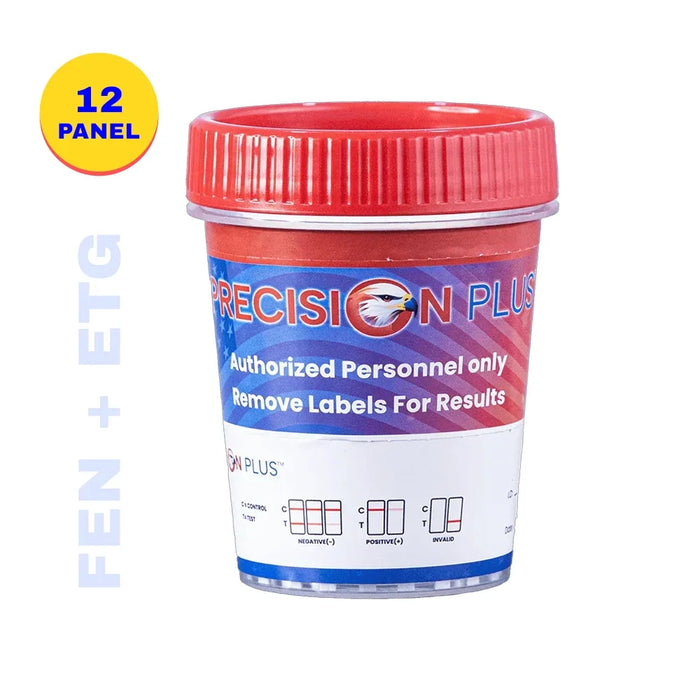
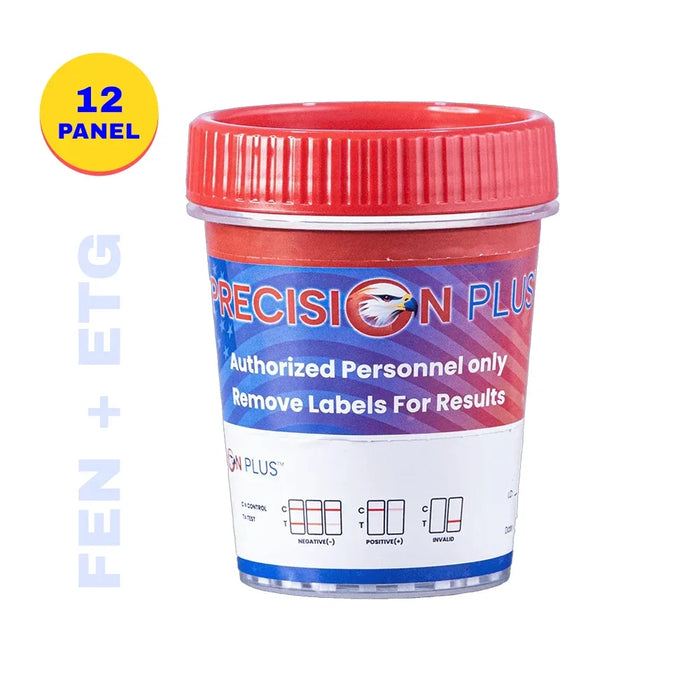
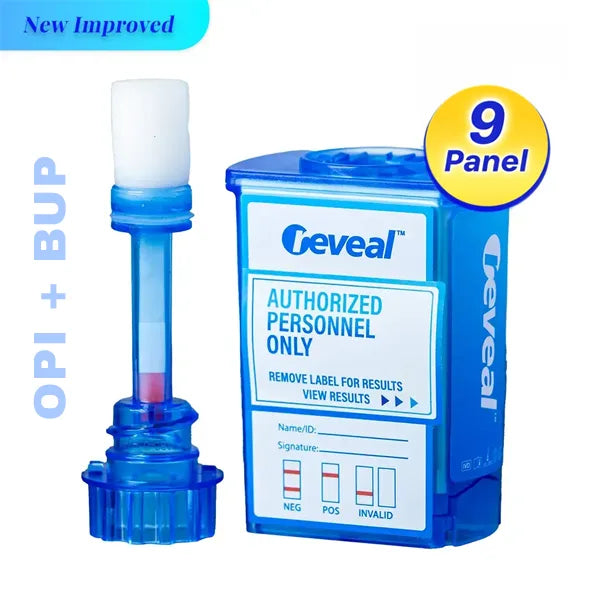
American Screening Corp has supplied FDA-cleared, CLIA-waived tests at wholesale pricing since 2004. Popular options:
Ordering 100+ tests? Request volume pricing.
The test is for recent use. It does not diagnose a substance use disorder. It does not replace a clinical assessment or laboratory confirmation.
Addiction-treatment centers, opioid treatment programs, intensive outpatient programs, residential providers, and court-referred programs use oral fluid when they need an observed sample at intake or during a visit. Staff can watch the collection without a restroom, which reduces substitution compared with unobserved urine.
American Screening Corp, based in Shreveport, Louisiana, supplies oral fluid tests to clinics, treatment centers, courts, probation departments, labs, staffing firms, and employers. Same-day shipping is available nationwide. Match the panel to the drugs your license, payer, or court contract requires.
What cutoff levels and detection windows apply?
A cutoff is the concentration, in nanograms per milliliter (ng/mL), at which a screen is reported positive. The HHS Mandatory Guidelines for Federal Workplace Drug Testing Programs using Oral Fluid (Federal Register, October 25, 2019) list these initial cutoffs, as of that publication:
- THC: 4 ng/mL
- Cocaine and benzoylecgonine: 15 ng/mL
- Amphetamine, methamphetamine, MDMA, MDA: 25 ng/mL
- Codeine, morphine, hydrocodone, hydromorphone, oxycodone, oxymorphone: 30 ng/mL
- 6-acetylmorphine: 4 ng/mL
- Phencyclidine: 10 ng/mL
Confirmation cutoffs in those guidelines are lower (THC 2 ng/mL; cocaine 8 ng/mL). Point-of-care kits used in clinics follow the manufacturer insert, which can differ from the HHS workplace table. Verify the insert before you write program policy.
Detection windows in oral fluid are 24 to 48 hours for most analytes. Urine windows are longer. If the clinical question is use since the last visit, oral fluid fits. If the question is abstinence over several days, use urine, including urine drug test cups.
HHS 2019 oral-fluid tables do not list fentanyl. If your program must screen for fentanyl, select a device whose insert names that analyte and its cutoff in ng/mL.
Should a treatment center use oral fluid or urine?
Oral fluid testing detects recent drug use and adds observed collection without a restroom. It does not replace urine when staff need a longer detection window or a broader metabolite profile. Many programs keep both methods on the shelf.
| Factor | Oral fluid | Urine |
|---|---|---|
| Detection window | 24 to 48 hours | Often 1 to 3 days or longer |
| Collection | Observed, no restroom | Restroom required |
| Substitution risk | Lower when observed | Higher if unobserved |
| Best fit | Recent-use check at a visit | Longer abstinence monitoring |
Treatment-center buyers ask three questions most often: Can staff watch the collection? Will the panel include fentanyl? What happens after a positive? Observed saliva collection answers the first. The insert answers the second. GC/MS or LC-MS/MS answers the third.
What FDA, CLIA, and confirmation rules apply?
FDA-cleared means the device has FDA authorization, such as a 510(k), for the intended use on the label (FDA, as of November 2026). CLIA-waived means the test is simple and has a low risk of incorrect results when used as directed (FDA, CLIA Waiver by Application, as of November 2026). Forensic-use-only devices must stay labeled as such and are not for clinical diagnostic reporting.
Claim FDA-cleared or CLIA-waived status only when the product record and label support it. Using a waived device outside the instructions voids the waiver.
SAMHSA workplace materials and the HHS Mandatory Guidelines describe federal workplace oral-fluid laboratory testing. A treatment center rapid screen is not that workplace test. State SUD licensing, CLIA certificates, and court contracts control clinical use.
DOT rules are in 49 CFR Part 40 (DOT Office of Drug and Alcohol Policy and Compliance, as of November 2026). Do not treat a clinic oral-fluid kit as a DOT collection. Every positive screen is preliminary; confirm by GC/MS or LC-MS/MS laboratory testing before clinical, employment, or court action.
How do staff collect and read an oral fluid test?
Follow the device instructions for use. The sequence below is a program checklist, not a substitute for the insert.
- Confirm identity, explain the test, and document consent under program policy.
- Enforce the pre-collection wait in the insert (often no food, drink, or tobacco for 10 minutes).
- Open a sealed device and collect oral fluid to the volume indicator.
- Seat the collector in the buffer or cassette as directed and start the timer.
- Read lines only inside the stated read window. Do not interpret after the window closes.
- Record a presumptive positive as preliminary and send confirmation for GC/MS or LC-MS/MS.
Invalid devices (no control line) are not negatives. Repeat with a new kit and document the invalid. Train staff on the insert, not on memory. Programs that medicate with methadone or buprenorphine must read the insert for cross-reactivity and confirm unexpected results by lab testing.
What should a program director check before ordering?
Use this checklist before a wholesale order:
- Analytes required by your license, payer, or court, including fentanyl if needed
- Cutoffs in ng/mL printed on the insert versus your written policy
- FDA-cleared and CLIA-waived status on the product record, or forensic-use-only labeling
- Read time, storage temperature, and expiration dating
- Confirmation laboratory pathway for GC/MS or LC-MS/MS
- Observed-collection SOP and chain-of-custody forms for probation clients
- Staff training and a named reviewer for your procedure
- A matching urine cup or dip-card supply when a longer window is required
For volume orders, private label, or a mixed oral-fluid and urine panel, contact American Screening Corp in Shreveport, Louisiana.
FAQ
How long do oral fluid kits detect drugs in treatment?
Oral fluid detects most drugs for 24 to 48 hours after last use. That window is shorter than urine. Treatment programs use it for recent-use checks, not long look-back. Confirm every positive by GC/MS or LC-MS/MS.
Are oral fluid kits FDA-cleared and CLIA-waived?
Some professional oral fluid immunoassays are FDA-cleared and CLIA-waived; others are forensic-use-only. Check the label and 510(k) record for that kit. CLIA-waived status holds only when staff follow the manufacturer instructions.
What cutoff levels do oral fluid kits use?
HHS oral-fluid initial cutoffs include THC 4 ng/mL, cocaine 15 ng/mL, amphetamines 25 ng/mL, and codeine/morphine 30 ng/mL as of October 2019. Clinic devices follow the insert. Every positive remains preliminary.
Do positive oral fluid screens need lab confirmation?
Yes. Every positive screen is preliminary. Confirm by GC/MS or LC-MS/MS laboratory testing before clinical, disciplinary, or court action. Follow state SUD rules and your written program policy. This is not legal advice.
Sources
- Mandatory Guidelines for Federal Workplace Drug Testing Programs—Oral/Fluid (Federal Register, October 25, 2019)
- 49 CFR Part 40 — Procedures for Transportation Workplace Drug and Alcohol Testing Programs (DOT ODAPC)
- CLIA Waiver by Application (U.S. Food and Drug Administration)
This article is general information, not legal or medical advice.