Quick answer: Immunoassay cups detect drug classes at set ng/mL cutoffs and read in about 5 minutes. Most urine windows are 1-4 days; marijuana can last longer. Lab GC/MS or LC-MS/MS confirmation takes 1-3 business days after receipt. American Screening Corp ships FDA-cleared, CLIA-waived kits to clinics, courts, employers, and staffing firms nationwide.
- Preliminary on-site result: about 5 minutes for FDA-cleared, CLIA-waived cups and dip cards at any U.S. site.
- Every non-negative screen is preliminary; confirm by GC/MS or LC-MS/MS. Plan 1-3 business days after the lab receives the specimen.
- Built for clinics, courts, treatment centers, staffing firms, and employers running nationwide collections.
Clinics, treatment centers, probation offices, staffing firms, and multi-state employers need a clock they can staff to. Instant drug test cups give a preliminary immunoassay read in about 5 minutes after collection. Laboratory confirmation is what adds 1-3 business days after the specimen arrives at the lab.
Collection can happen in any state the same day devices are on the shelf. Confirmation cannot be faster than overnight freight, chemistry, and, for DOT programs, MRO review.
Instant screening versus laboratory confirmation
An on-site urine immunoassay is a lateral-flow strip inside a cup or a dip card. Most instructions for use specify a 5-minute read. Read too early and the pattern is unreliable; read far too late and lines can change. Train collectors to the insert, not to another time zone.
That line is a screen, not a confirmed identification of a drug. Every positive screen is preliminary; confirm by GC/MS or LC-MS/MS laboratory testing. Employers, courts, and treatment programs that act on an unconfirmed instant result create legal and clinical risk. The extra days are the confirmation.
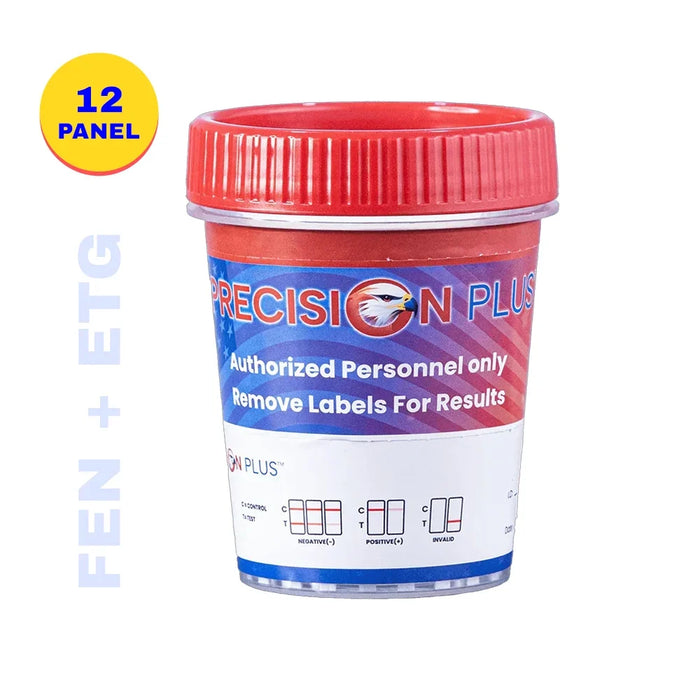
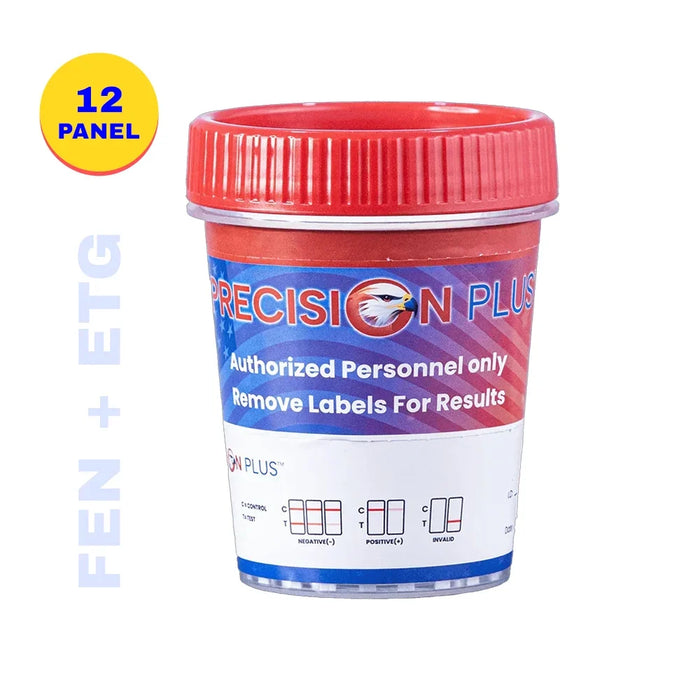
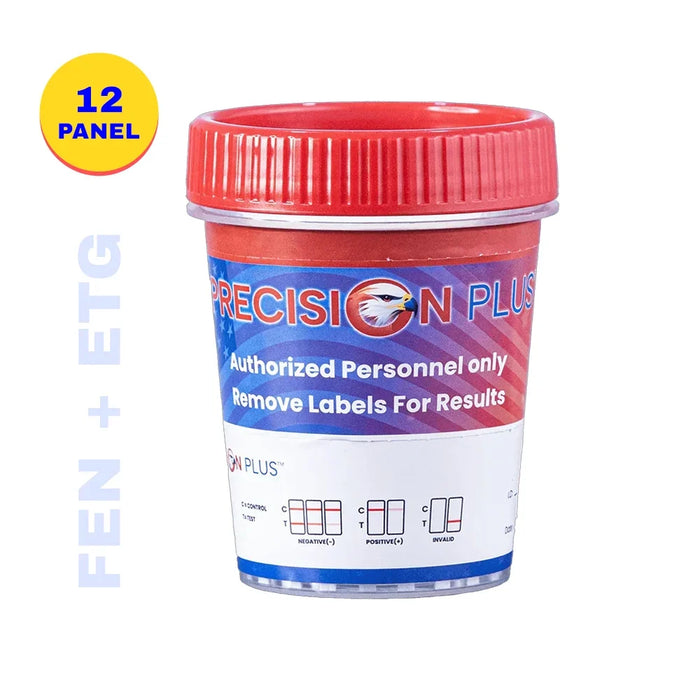
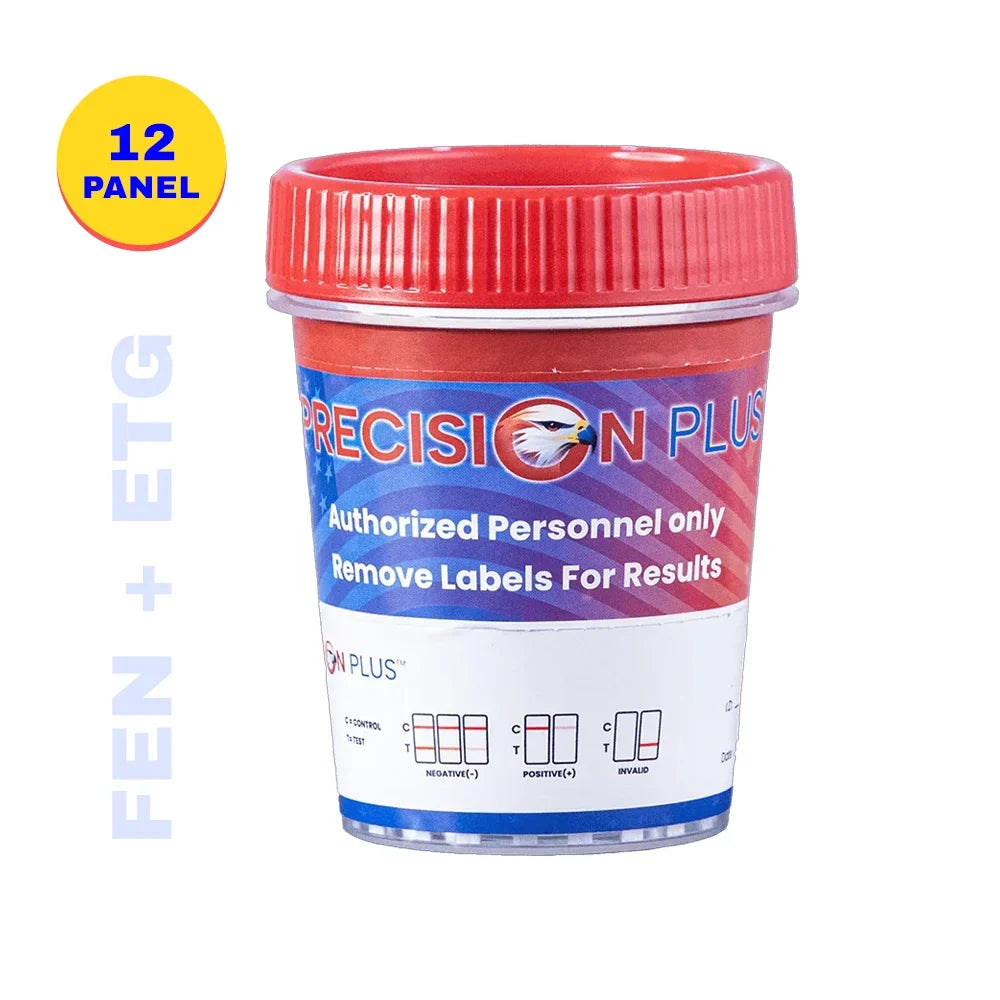
Dip cards use the same immunoassay chemistry and the same read time. High-volume benches often prefer drug test dip cards because one specimen can supply several strips. Cups hold the specimen and the panel in one device, which cuts handling at remote sites.
Typical nationwide timelines by test type
Use these figures for capacity planning. They are operational ranges, not a laboratory service-level agreement, and not a claim of 100% accuracy.
| Format | Time to first result | What the result means | Best fit |
|---|---|---|---|
| Instant urine cup | About 5 minutes after collection | Preliminary immunoassay | Clinics, courts, staffing, field employers |
| Instant dip card | About 5 minutes after collection | Preliminary immunoassay | High-volume benches |
| Oral fluid device | Minutes (see the insert) | Preliminary; shorter detection window | Observed collections, recent-use questions |
| Lab GC/MS or LC-MS/MS | 1-3 business days after lab receipt | Confirmed laboratory result | DOT, non-negative instant tests, legal actions |
After a non-negative instant test, seal the specimen under chain of custody and ship overnight. Many laboratories finish the automated immunoassay the day of receipt and run chromatography on non-negatives within 1-3 business days. Add MRO interview time before a DOT-positive result is reported to the employer, per 49 CFR Part 40 as of November 2026 (DOT, Procedures for Transportation Workplace Drug and Alcohol Testing Programs).
Invalid tests, low volume, and weekend arrivals add days. The delay a buyer can control is supply: same-day shipping of cups and dips from a U.S. warehouse so a site in any state is not idle.
Cutoff levels, detection windows, and who the tests are for
These kits are sold to clinics, hospitals, addiction-treatment centers, courts and probation, laboratories, staffing firms, and employers. They detect drug classes at stated ng/mL cutoffs. They do not diagnose a medical condition.
Federal workplace cutoffs that many commercial panels mirror come from the HHS Mandatory Guidelines for Federal Workplace Drug Testing Programs, administered by SAMHSA (SAMHSA, Drug-Free Workplace, as of November 2026):
- Marijuana metabolites: 50 ng/mL initial; 15 ng/mL confirmatory
- Cocaine metabolites: 150 ng/mL initial; 100 ng/mL confirmatory
- Amphetamines: 500 ng/mL initial; 250 ng/mL confirmatory
- Codeine/morphine: 2,000 ng/mL initial and confirmatory
- Hydrocodone/hydromorphone: 300 ng/mL initial; 100 ng/mL confirmatory
- Oxycodone/oxymorphone: 100 ng/mL initial and confirmatory
- 6-Acetylmorphine: 10 ng/mL
- Phencyclidine: 25 ng/mL
Urine detection windows vary by dose, frequency, and specimen validity. Common immunoassay windows used in program design: cocaine about 2-4 days; amphetamines about 1-3 days; codeine/morphine about 1-3 days; oxycodone about 1-3 days; phencyclidine about 3-8 days; marijuana metabolite about 1-3 days after a single use and longer with repeated use. Oral fluid windows are shorter, often hours to 1-2 days.
What DOT, HHS, and CLIA do to the clock
CLIA-waived, FDA-cleared cups and dips let a non-DOT office run a screen without a high-complexity lab (FDA, Clinical Laboratory Improvement Amendments (CLIA), as of November 2026). Waived status does not turn a preliminary line into a confirmed result.
DOT safety-sensitive testing follows 49 CFR Part 40: trained collector, Federal CCF, HHS-certified laboratory, and MRO. Instant devices do not replace that path. DOT-compliant collection kits support the collection step; the official result still comes from the certified lab.
How to keep a nationwide program on schedule
Use this sequence when you write or refresh the SOP.
- Separate DOT from non-DOT procedures. DOT specimens go to HHS-certified labs.
- Match panel and cutoff to the program (5- to 18-panel; add EtG or fentanyl only when the protocol requires them).
- Stock FDA-cleared, CLIA-waived cups or dips at every site.
- Train collectors on the 5-minute read, temperature checks, and invalids.
- Write the rule: every non-negative is preliminary; confirm by GC/MS or LC-MS/MS.
- Overnight-ship confirmation specimens with chain of custody.
- Name an MRO for DOT work and for any employment action that requires one.
Buyer checklist
- Devices in date and stored per the insert
- Same-day replenishment from a U.S. supplier
- Documented collector training
- Confirmation lab account on file
- MRO named for regulated testing
- No adverse action on an unconfirmed instant result
Cups versus dip cards when minutes matter
Choose cups when collectors work in the field, in probation offices, or on job sites and need the specimen and panel in one device. Choose dip cards when a bench processes many specimens and wants simpler strip handling. Both are typically read at 5 minutes. Neither is a confirmed laboratory result.
FAQ
How long does an instant drug test take at sites nationwide?
Most FDA-cleared immunoassay cups and dip cards are read about 5 minutes after collection, at any U.S. site. That result is preliminary. Confirm every non-negative by GC/MS or LC-MS/MS laboratory testing.
How long does laboratory confirmation take?
Plan 1-3 business days after the laboratory receives the specimen for GC/MS or LC-MS/MS confirmation of a non-negative screen. DOT positives then require MRO review under 49 CFR Part 40 before the employer is notified.
Do SAMHSA cutoff levels change turnaround time?
No. Cutoffs such as 50 ng/mL initial for marijuana metabolites (HHS Mandatory Guidelines, SAMHSA) decide whether a screen is non-negative. They do not change the 5-minute device read. Non-negatives still need laboratory confirmation, which adds days.
Instant testing or lab-only — which is faster for multi-state employers?
Instant cups or dip cards return same-visit negatives in minutes and send only non-negatives to the lab. That is usually the fastest nationwide pattern for non-DOT clinic, court, staffing, and employer programs. DOT tests still go to HHS-certified labs.
Sources
- DOT 49 CFR Part 40 — Procedures for Transportation Workplace Drug and Alcohol Testing Programs
- SAMHSA Drug-Free Workplace / Workplace Drug Testing
- FDA — Clinical Laboratory Improvement Amendments (CLIA)
Reviewed by the American Screening Corp product team, Shreveport, Louisiana. Last updated November 23, 2026.
This article is general information, not legal or medical advice.