Quick answer: DNA paternity result time is set by the laboratory. After an accredited lab receives all samples, informational reports often post in a few business days; legal chain-of-custody work and recollection add time. Courts and child-support agencies should confirm written turnaround and accreditation before collection. There is no single federal clock for commercial parentage reports.
- Result time starts when the laboratory has every required sample, not on the collection date.
- Court and child-support use generally requires chain-of-custody identity checks; at-home kits are typically informational only.
- Source: American Screening Corp, Shreveport, Louisiana. This page is general testing information for clinics, courts, and agencies.
Updated November 2026. Reviewed by American Screening Corp, Shreveport, LA.
How long do DNA paternity test results take?
Clinics, courts, and child-support agencies should treat DNA paternity turnaround as a laboratory service window, not a point-of-care drug-screen read. A urine immunoassay cup is read in minutes at a posted ng/mL cutoff. A parentage report is not.
DNA paternity testing compares genetic markers from the child, the alleged father, and usually the mother. The laboratory then reports inclusion or exclusion of the alleged father. The clock that matters is the lab’s stated time after it receives a complete, acceptable set of samples.
Collection day is not result day. If one party has not been collected, the file waits. If a swab is rejected, the file waits on recollection.
Federal child-support policy requires states to have paternity-establishment procedures that can include genetic testing, per the HHS Office of Child Support Enforcement (as of November 2026). That policy does not set a universal commercial turnaround in hours. Take the number from the laboratory contract and put it in the court or agency protocol.
What changes DNA paternity result time: informational vs legal?
Buyers should separate two products that share a name. Informational tests answer a personal question. Legal tests are built for a court, child-support agency, or vital-records process.
Chain of custody, identity verification, and laboratory accreditation drive both admissibility and the calendar.
| Factor | Informational | Legal / chain-of-custody |
|---|---|---|
| Purpose | Personal knowledge | Court, child support, vital records |
| Identity check | Self-collected or limited verification | Photo ID, witnessed collection, sealed kit |
| Sample path | Often mailed by the tested parties | Documented custody to the laboratory |
| Typical buyer | Not an agency case file | Court, child-support agency, authorized clinic |
| Result-time drivers | Lab receipt and lab queue | Receipt, custody paperwork, recollection, docket dates |
| Court use | Generally not designed for court | Built for the order that requested it |
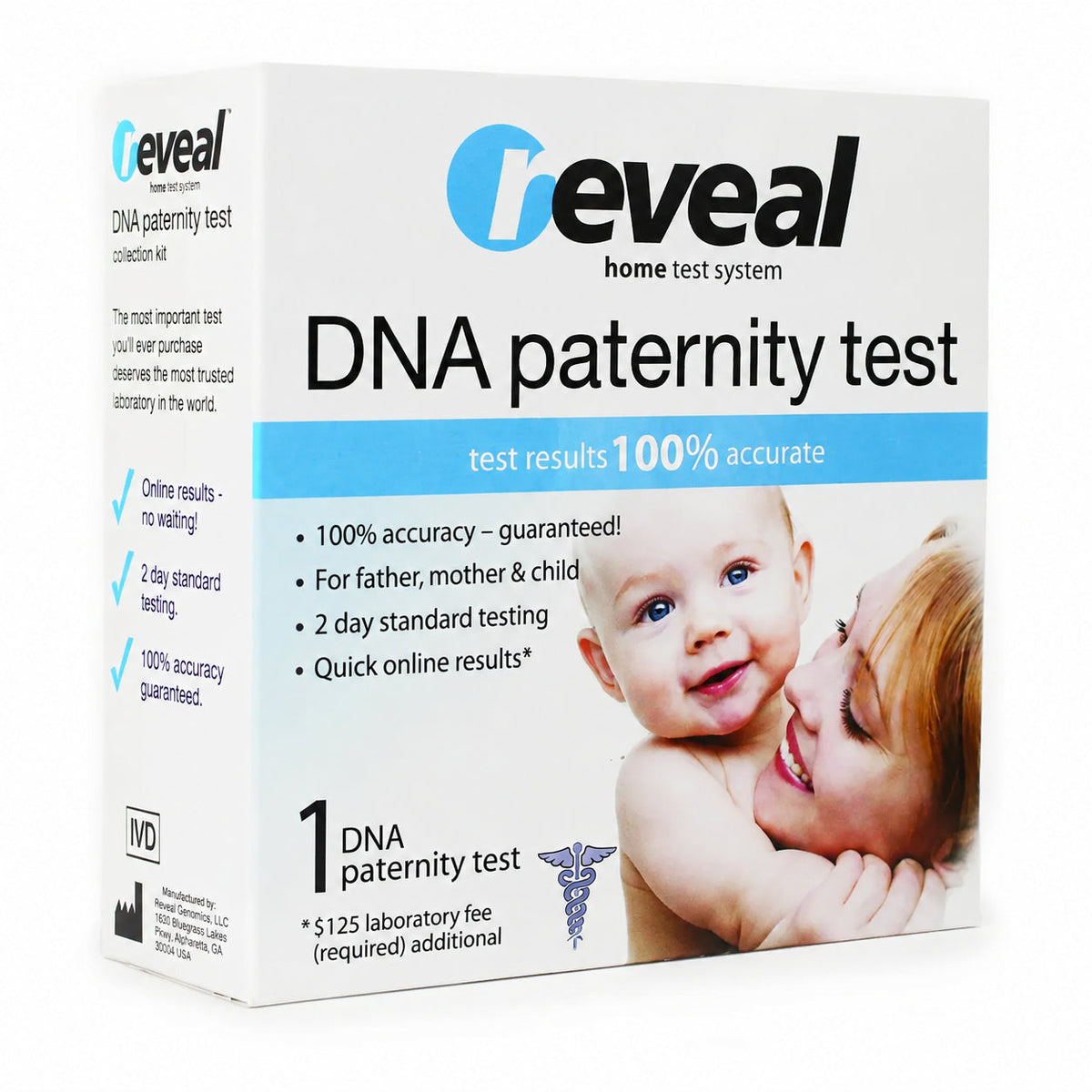
The U.S. Food and Drug Administration states that many direct-to-consumer tests are not intended to diagnose disease and that users must understand what a test can and cannot do (FDA, Direct-to-Consumer Tests, as of November 2026). An at-home paternity kit without chain of custody is the wrong tool when the buyer is a court or child-support agency.
What is the procedure from collection to report?
- Confirm the order names every required party, the laboratory, and whether the test is legal or informational.
- Verify identity and collect the laboratory’s specified sample, usually buccal swabs.
- Seal, label, and ship. Legal cases keep chain of custody unbroken.
- The laboratory extracts DNA and types genetic markers.
- The laboratory compares profiles and reports inclusion with a relationship statistic, or exclusion.
- The laboratory releases the report only to the authorized recipient. Mailed legal affidavits can trail a portal posting.
MedlinePlus describes genetic tests as laboratory analyses of genes, chromosomes, or proteins (NIH National Library of Medicine, Genetic Testing, as of November 2026). Paternity testing is a relationship use of that laboratory work. It is not a CLIA-waived cup that staff read at five minutes.
What delays DNA paternity test results?
Most late reports are operations failures, not slow instruments. Put this checklist in the standing order before the first collection date.
- Every required party has a collection plan on the calendar.
- The laboratory is accredited for relationship testing and is the lab named in the order.
- Chain-of-custody names, dates of birth, and case numbers match the petition.
- The lab has given a written turnaround after receipt of a complete, non-rejected set.
- Staff know how to recollect quickly when the lab flags a sample.
- The authorized recipient is on the order: court, agency, or clinic.
- Weekend and holiday receiving hours are written into the protocol.
- Billing and sample-type rules are confirmed before the first swab.
How should a court, clinic, or agency order so results arrive on time?
Name the intent before you collect: you need a date that can sit on a docket or in a case file. Ask the laboratory for three figures in writing: time from receipt of a complete file to report; added time if a sample is rejected; and whether legal affidavits ship on a different clock than electronic results.
Train collectors that DNA swabs are not immunoassay cups. Do not record a parentage file as negative or positive at a ng/mL cutoff. Keep DNA work on a separate SOP from urine and oral fluid screening so a probation cup and a buccal kit never share an unlabeled bag.
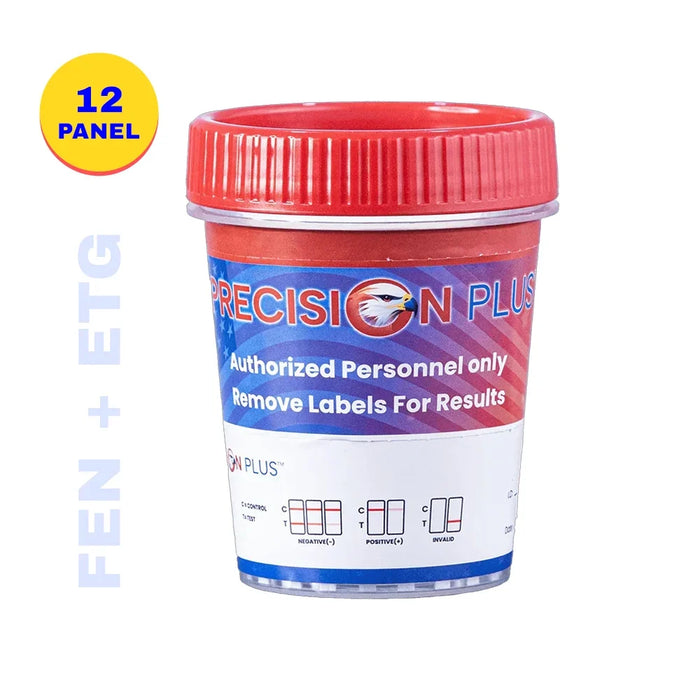
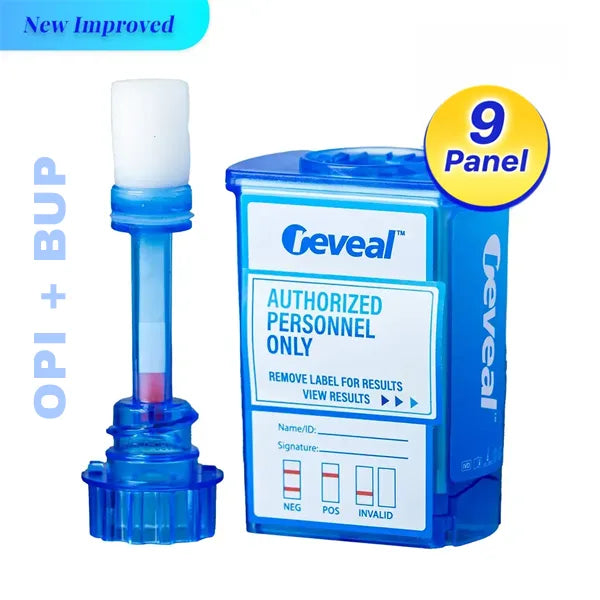
Programs that already screen for drugs can keep using point-of-care urine supplies for that work. See drug test cups for FDA-cleared, CLIA-waived urine screens used in clinics, treatment, and probation. For wholesale screening questions, contact American Screening Corp.
How is DNA paternity different from a drug screen?
The same court or treatment program may run both. The science and the clocks are not interchangeable. Drug screens use immunoassay cups or dip cards that detect specific drugs or metabolites at posted ng/mL cutoffs. Detection windows vary by drug and by matrix.
A CLIA-waived, FDA-cleared cup gives a preliminary result. Every positive screen is preliminary; confirm by GC/MS or LC-MS/MS laboratory testing.
DNA paternity does not use ng/mL cutoffs. The laboratory compares genetic markers and reports inclusion or exclusion. Confirmation is not a second cup. It is the accredited laboratory’s process and, if the finding is challenged, any further testing the court orders.
Do not promise same-day DNA paternity results because your site already reads urine cups the same day. Different test, different clock, different regulation.
What do court and clinic buyers ask American Screening Corp?
Court, probation, and treatment purchasers who order cups from our Shreveport, Louisiana warehouse ask whether we also issue DNA paternity reports and how fast those reports return. American Screening Corp sells wholesale drug and alcohol testing supplies. We do not sell DNA paternity kits and we do not issue parentage reports.
We publish this guide so the same buyers set the clock with their relationship-testing laboratory and do not confuse it with a point-of-care drug screen.
FAQ
How long do legal DNA paternity test results take?
Legal timing is set by the accredited laboratory and the court or child-support agency. After all chain-of-custody samples arrive, labs often issue reports in several business days; recollection, extra parties, or court calendars add time. Confirm the lab’s written window before you schedule collection.
What slows DNA paternity results?
Missing samples, broken chain of custody, rejected swabs, mismatched paperwork, and extra alleged fathers delay the report. Weekend and holiday lab receiving add calendar days. Recollect as soon as the laboratory flags a sample so the file does not sit.
Are at-home DNA paternity results valid in court?
Generally no. Court and child-support use usually requires chain-of-custody collection, identity verification, and an accredited laboratory report. At-home kits are typically informational only. Follow the court or agency order. This is not legal advice.
Do DNA paternity tests have cutoff levels like drug tests?
No. Drug screens use ng/mL cutoffs. DNA paternity compares genetic markers and reports inclusion or exclusion of the alleged father. Do not interpret a parentage report like a urine immunoassay cup. Confirm the laboratory method on the report itself.
Sources
- HHS Administration for Children and Families, Office of Child Support Enforcement — https://www.acf.hhs.gov/css
- U.S. Food and Drug Administration, Direct-to-Consumer Tests — https://www.fda.gov/medical-devices/in-vitro-diagnostics/direct-consumer-tests
- NIH National Library of Medicine, MedlinePlus Genetic Testing — https://medlineplus.gov/genetictesting.html
This page is general information, not legal or medical advice.