Drug Testing Service: What It Is and How to Choose One
A drug testing service collects a urine, oral fluid or other specimen, screens it, confirms non-negative results at a laboratory, and reports a verified result. For employers, the right service depends on your testing volume, speed needs, and whether you fall under federal rules such as DOT regulations.
What a Drug Testing Service Includes
Most services bundle several parts. Knowing each lets you buy only what you need.
- Collection: at a clinic or collection site, or onsite using your own supplies.
- Screening: an instant test (cup, dip card or oral fluid device) or a lab immunoassay.
- Confirmation: laboratory GC/MS or LC-MS/MS testing of non-negative screens.
- Medical review: a Medical Review Officer (MRO) evaluates legitimate prescriptions before reporting positives, required for DOT testing.
- Records: chain of custody forms and result retention.
Workplace Drug Testing Service: Three Common Models
Workplace drug testing service options generally fall into three models. Many organizations mix them.
| Model | Best for | Speed | Trade-off |
|---|---|---|---|
| Third-party collection site plus lab | DOT-regulated and high-stakes testing | 1-3 days for lab results | Donor travel and scheduling |
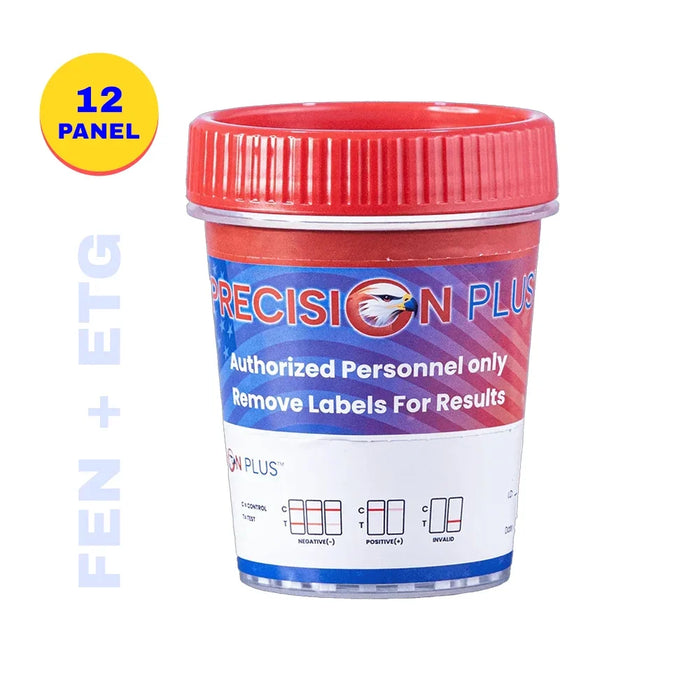
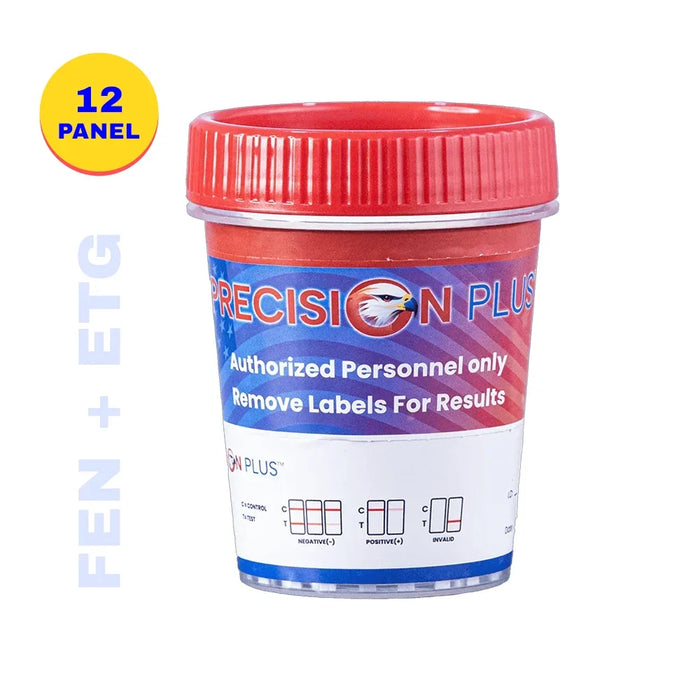
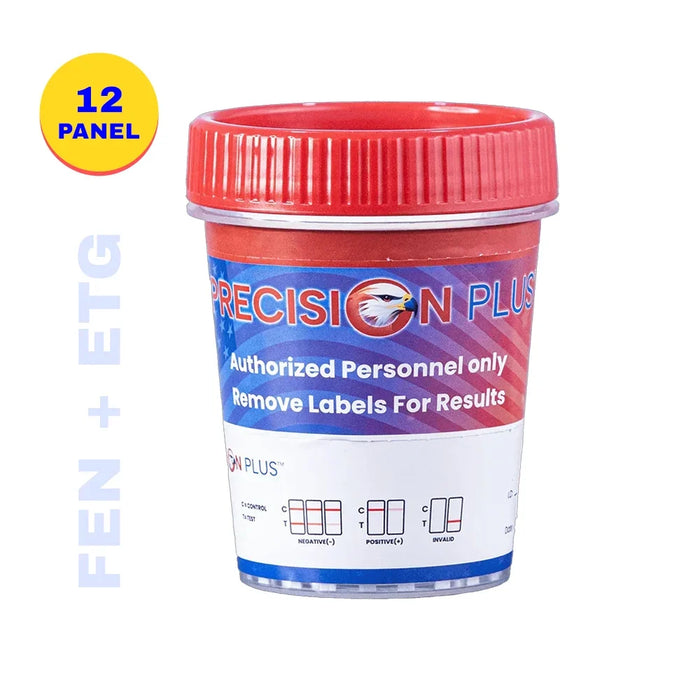
| Onsite instant testing with purchased supplies | Clinics, treatment centers, courts, probation, staffing firms | Minutes for screening results | Staff training; non-negatives need lab confirmation |
| Hybrid | Employers with mixed needs | Varies | More policy detail to manage |
Organizations that test often usually save time by screening onsite. ASC supplies drug testing cups and oral fluid drug tests wholesale, along with lab confirmation, so screening and confirmation can sit under one supplier.
Urine vs. Oral Fluid: Which Specimen Fits?
Urine
Urine offers broad panels and a longer detection window, and it is the specimen for most DOT testing. Direct observation and temperature checks help reduce tampering.
Oral fluid
Oral fluid collection is easy to observe, hard to adulterate, and suited to post-accident and reasonable-suspicion testing because it detects recent use. Its window is shorter than urine's.
Drug Testing Program for Employers: Building the Policy
A drug testing program for employers is more than a test; it is a written policy applied consistently. Start with the legal framework: federal rules for safety-sensitive transportation roles, plus state laws on testing notice, cannabis, and employee protections. Have counsel review it.
Program checklist
- Write a policy defining who is tested and when (pre-employment, random, reasonable suspicion, post-accident, return-to-duty).
- Choose the panel (5-panel, 10-panel, or custom) and justify it by job risk.
- Decide on specimen type and screening method.
- Establish chain of custody and train collectors.
- Contract with a lab and MRO for confirmation and review.
- Set procedures for non-negative results, refusals, and prescription disclosures.
- Document consistent application to avoid discrimination claims.
- Keep results confidential and retain records per applicable rules.
- Pair with employment background checks from our sister division, Reveal Background, for a complete screening process.
DOT vs. Non-DOT Testing
DOT-regulated testing follows 49 CFR Part 40: specific forms, HHS-certified labs, and an MRO. Instant tests are not a substitute for the federal lab process. Non-DOT testing allows more flexibility, but a consistent written policy still protects you. Do not mix DOT and non-DOT specimens or forms.
How to Evaluate a Supplier or Service
- Are devices cleared and are cutoffs clearly stated?
- Is lab confirmation available for every non-negative?
- Does the provider support DOT-compliant collection kits?
- Can it handle your volume and turnaround?
- Is training and support offered?
If you want help matching supplies to your testing setup, contact American Screening Corp.
Frequently Asked Questions
What does a drug testing service cost?
Cost depends on panel, specimen, volume, and whether lab confirmation and MRO review are included. Request a written quote that lists each component.
Is an instant test enough for employment decisions?
An instant screen is preliminary. Send non-negative results for laboratory confirmation and MRO review before taking action.
Can we run a workplace drug testing service in-house?
Yes for non-DOT testing, with trained collectors, written procedures, and confirmation lab access. DOT testing must follow Part 40.
What should an employer drug testing program include?
A written policy, defined testing triggers, panel selection, chain of custody, lab and MRO relationships, and consistent, confidential handling of results.
Sources
This article is general information, not legal or medical advice.