Amanita muscaria, the red and white spotted mushroom often called fly agaric, has shown up in gummies, extracts, and microdose capsules sold online as a legal alternative to psilocybin products. Employers and employees asking whether these products will show up on a workplace drug test are really asking two separate questions: does a standard immunoassay panel target the chemicals in this mushroom, and is the product itself legal to buy and use. This article addresses both from the testing side only, not as advice on how to use or avoid detection for any substance.
What is actually in an amanita muscaria product
Amanita muscaria does not contain psilocybin or psilocin, the compounds in Psilocybe mushrooms. Its active compounds are ibotenic acid and muscimol. Ibotenic acid is a glutamate receptor agonist that the body partly converts to muscimol, and muscimol itself acts on GABA-A receptors, which is a different mechanism than the classic hallucinogens, opioids, stimulants, or cannabinoids that workplace panels are built around. The pharmacology and toxicity of amanita species, including the GABAergic and anticholinergic-like effects reported after ingestion, are described in the National Institutes of Health StatPearls chapter on mushroom toxicity.
How a standard drug test panel is built
A urine or oral fluid screening cup uses immunoassay strips, each one built to bind to a specific drug class or its metabolites. A strip only reacts to compounds that are structurally similar enough to the target analyte to bind the antibody on that strip. Panels sold to employers are assembled from a defined list of target classes, typically marijuana metabolites, cocaine metabolites, opiates, amphetamines, and phencyclidine at a minimum, with expanded panels adding classes such as benzodiazepines, barbiturates, methadone, synthetic cannabinoids, or buprenorphine. The federal workplace list that most private and public sector programs model their panels on is published by the Substance Abuse and Mental Health Services Administration on its workplace drug testing program page, and the specific analytes required for the regulated transportation workforce are defined in 49 CFR 40.85.
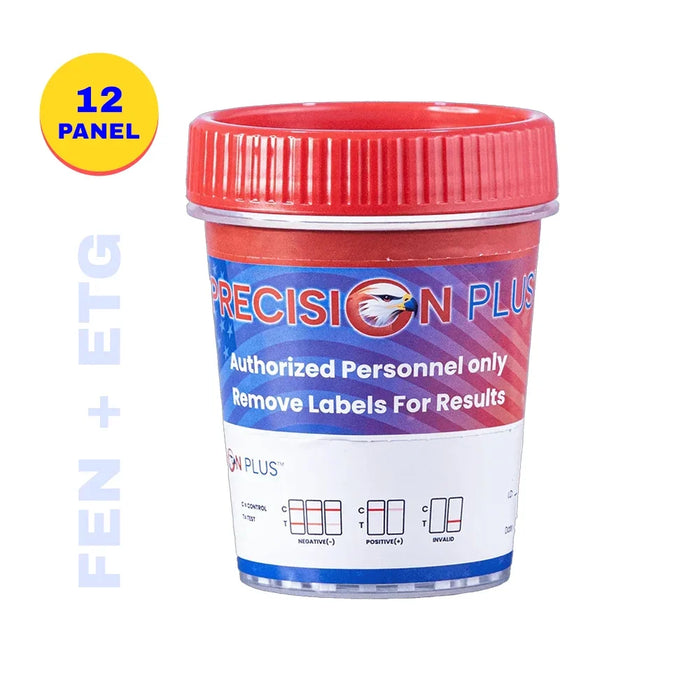
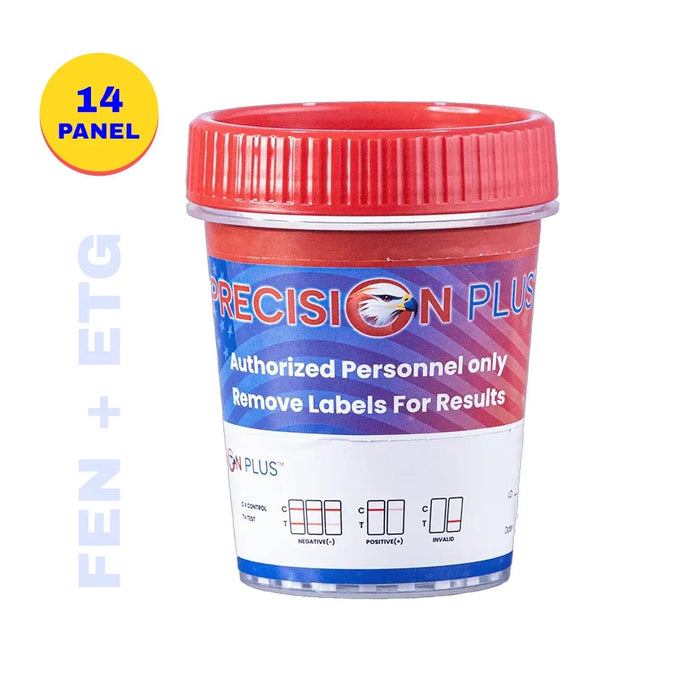
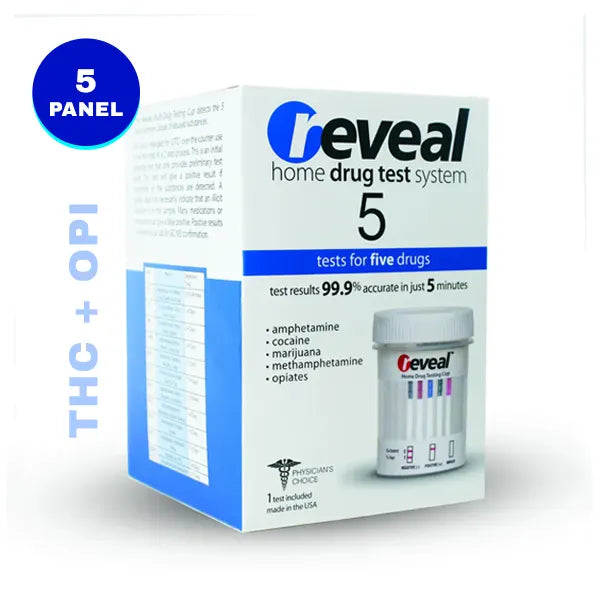
Muscimol and ibotenic acid are not on that federal list, are not on any standard 5, 10, or 12 panel immunoassay cup or dip card sold for workplace use, and there is no published cross reactivity data showing that they trigger a positive result on marijuana, opiate, amphetamine, cocaine, PCP, or any other standard immunoassay strip. Based on the available evidence, a standard screening panel has no reason to flag amanita muscaria use, and there is no credible cross reactivity pathway given how different its chemistry is from the target drug classes those strips are built for.
| Panel element | What it targets | Detects amanita muscaria compounds |
|---|---|---|
| THC / marijuana metabolites | 11-nor-9-carboxy-THC | No |
| Opiates / expanded opioids | Morphine, codeine, synthetic opioid metabolites | No |
| Amphetamines | Amphetamine, methamphetamine | No |
| Cocaine metabolite | Benzoylecgonine | No |
| PCP | Phencyclidine | No |
| Benzodiazepines / barbiturates | BZO and BAR drug class metabolites | No |
| Specialized LC/MS toxicology order | Whatever analyte the lab is asked to run | Only if the lab specifically adds muscimol or ibotenic acid to the test request |
Immunoassay screening versus lab confirmation
It is worth separating two steps that get collapsed into one question. The first step, the cup or dip card at the collection site, is an immunoassay screen that can only report a presumptive result for the handful of drug classes its strips are manufactured for. The second step, used when a result needs to hold up, is confirmation by gas chromatography mass spectrometry or liquid chromatography mass spectrometry, which can identify a specific named compound rather than a drug class. The difference between a screening immunoassay and definitive chromatography based confirmation is laid out in the NIH StatPearls chapter on toxicology screening. A toxicology lab could, in principle, run a targeted LC/MS method for muscimol or ibotenic acid, the way hospital labs sometimes do in a suspected mushroom poisoning case, but that is a specific request outside the standard employment drug test menu, not something a routine workplace panel or its confirmation testing adds automatically.
This is also why amanita muscaria is not the same question as psilocybin mushrooms. Psilocybin and its active metabolite psilocin are also absent from standard immunoassay panels, but unlike muscimol, psilocin can be picked up by specialized confirmatory methods when a lab is specifically asked to look for it. Our separate article on psilocybin and drug testing covers that distinction in more detail. Amanita muscaria and psilocybin mushrooms come from different genera, contain different active compounds, and should not be treated as interchangeable when a policy or a lab request names a specific analyte.
Legal status and what employers should know
Ibotenic acid and muscimol are not scheduled as controlled substances under the federal Controlled Substances Act, and amanita muscaria mushrooms, spores, and extracts are sold openly as a dietary supplement or novelty product in most states. Louisiana has moved to restrict amanita muscaria under its state controlled substances law, and because state scheduling changes, any employer or individual in Louisiana, or evaluating a multi state workforce, should confirm the current status directly through the Louisiana State Legislature's law search tool rather than relying on a general summary. State law varies and can change with each legislative session, so a product that is unrestricted in one state may not be in another.
Products marketed as amanita muscaria gummies are generally sold as dietary supplements, and the Food and Drug Administration does not review or approve dietary supplements for safety or effectiveness before they reach the market the way it does for drugs. The FDA's general framework for how dietary supplements are regulated, including the limits on premarket review, is described on its dietary supplements page. Nothing about a product being sold as a supplement means it has been cleared by any federal agency as safe, and nothing about a negative drug screen means a product is free of risk.
Toxicity is a separate issue from drug testing
Amanita muscaria ingestion, including gummies and extracts that concentrate the mushroom's compounds, has been associated with gastrointestinal symptoms, sedation, confusion, and in some reports agitation or delirium consistent with its GABAergic and anticholinergic-like effects, as described in the StatPearls mushroom toxicity chapter cited above. None of that clinical picture is something a drug test panel is designed to pick up, since a screening cup only reports whether a specific immunoassay strip reacted, not whether a person is impaired or unwell. An employer who sees signs of impairment on the job should rely on a documented reasonable suspicion or fitness for duty process and, where symptoms suggest a medical emergency, direct the person to medical care rather than treat a negative screening result as proof that nothing is wrong.
Guidance for safety sensitive and DOT covered roles
For employees in positions covered by Department of Transportation drug testing rules, the analytes tested and the chain of custody process are fixed by 49 CFR Part 40, and any unexpected result still goes through review by a medical review officer who evaluates the lab report and any legitimate medical explanation before a result is reported to the employer. Because amanita muscaria compounds are not part of that analyte list, a DOT required test will not flag their use, which means DOT and other safety sensitive employers who are concerned about impairment from these products need to rely on written policy, training, and observed behavior rather than the standard panel. Any employer updating a drug free workplace policy to name amanita muscaria, kratom, or other unscheduled but psychoactive products should route the decision through counsel and HR, since this is a policy and legal question rather than a testing one.
For a related look at a different unscheduled, widely sold plant product that also sits outside most standard immunoassay panels, see our article on whether kratom shows up on a drug test. Employers building or reviewing a panel to close these kinds of gaps can review current cup and dip card options in our drug test cup collection.
Frequently asked questions
Does amanita muscaria show up on a standard 5 panel or 12 panel drug test?
No. Standard immunoassay panels are built to target marijuana, cocaine, opiates, amphetamines, PCP, and a defined list of additional drug classes on expanded panels. Muscimol and ibotenic acid, the active compounds in amanita muscaria, are not on that target list and there is no published cross reactivity evidence showing they trigger a positive on those strips.
Will muscimol or ibotenic acid cause a false positive on a workplace drug test?
There is no credible published evidence of amanita muscaria compounds causing a false positive on standard employment immunoassay panels. If an unexpected positive occurs for an unrelated reason, the medical review officer process is the correct route to review the lab result and any documentation before it is reported to an employer.
Is amanita muscaria legal to buy as gummies?
Ibotenic acid and muscimol are not scheduled under federal law, so amanita muscaria products are sold in most states as novelty or supplement items. Louisiana has restricted the mushroom under state law, and other states can change their rules, so current status should be confirmed through the relevant state government source rather than assumed.
Can a lab test specifically for amanita muscaria if someone is suspected of using it?
A toxicology lab can run a targeted liquid chromatography mass spectrometry or gas chromatography mass spectrometry method for muscimol or ibotenic acid if it is specifically asked to, similar to how hospitals test for it in a suspected poisoning case. That is outside the standard employment drug test menu and is not something a routine panel or its confirmation testing adds automatically.
Is amanita muscaria the same as psilocybin mushrooms for drug testing purposes?
No. Amanita muscaria and Psilocybe mushrooms are different organisms with different active compounds. Psilocybin and psilocin are also absent from standard panels but can be identified by a targeted confirmatory test when a lab is asked to look for them, while muscimol and ibotenic acid require their own separate targeted method.
What should an employer do if an employee seems impaired but the standard panel is negative?
A negative immunoassay result only means the tested panel's specific target analytes were not detected above the cutoff, not that the person is unimpaired. Employers should follow their documented reasonable suspicion and fitness for duty procedures, involve a medical review officer where applicable, and consult legal counsel before taking action based on a substance that is not part of the standard panel.
This article is general information about drug test panel design and does not constitute legal or medical advice. Employers should consult qualified counsel on policy questions, and individuals with health concerns should consult a medical professional or poison control.