Tower climbing is one of the smallest construction trades by headcount and one of the most dangerous. Crews work hundreds of feet above the ground on communication towers, often alone on the structure, tied into a fall arrest system that has to function correctly every time. There is no single federal statute that orders a drug test for this workforce the way the Department of Transportation orders one for a commercial driver. What exists instead is a patchwork: an OSHA safety program built specifically around tower fall hazards, a widely followed industry construction standard, contract terms that wireless carriers and general contractors push down to climbing subcontractors, and state laws that set limits on how any of that testing can actually be run. Together, those pieces explain why pre employment, random and post incident testing has become close to the default on tower crews even though no rule says "test every climber."
Why there is no single federal mandate
The Department of Transportation testing rules that apply to commercial drivers, pipeline workers and several other transportation sectors do not reach tower climbers as a job class. A climber who also holds a commercial driver's license and operates a company truck between job sites may fall under DOT rules in that separate capacity, but the climbing work itself is not a DOT covered function. What does apply is the general duty clause of the Occupational Safety and Health Act, which requires employers to keep a workplace free of recognized hazards, and the construction fall protection standard at 29 CFR Part 1926 Subpart M. Neither one names drug testing directly. Both give OSHA a path to cite an employer when impairment contributed to an unsafe condition on a structure where a fall is almost always fatal.
OSHA's communication tower safety program
OSHA maintains a dedicated safety and health topics page for communication tower work because the fatality rate in this trade is disproportionate to its size. The agency's communication tower guidance sets out expectations for qualified climber training, inspected and maintained fall protection equipment, rescue planning before anyone goes up the structure, and site supervision that can recognize when a climber is not fit to be at height. OSHA's broader fall protection program page applies the same logic across construction generally: control of the hazard depends on equipment, training, and the physical and mental condition of the worker using it. A drug or alcohol testing policy is one of the tools employers use to document that the third piece, fitness for duty, is being checked rather than assumed.
The industry's own consensus standard fills part of the gap
Outside of federal regulation, the telecommunications tower industry follows a voluntary consensus standard commonly cited as ANSI A10.48, which addresses climber qualification, rescue capability, and a drug and alcohol free work environment on tower sites. That standard is not a government regulation and OSHA does not enforce it directly, but it is widely referenced in carrier and contractor safety manuals, and OSHA inspectors have treated recognized industry consensus standards as evidence of what a reasonably prudent employer in this trade should already be doing. In practice, this is why a climbing subcontractor rarely gets a tower assignment from a wireless carrier or a tower owner without first agreeing, in the master service contract, to run a drug free workplace program that includes pre employment and random testing for everyone sent up the structure.
What a tower climber testing panel typically covers
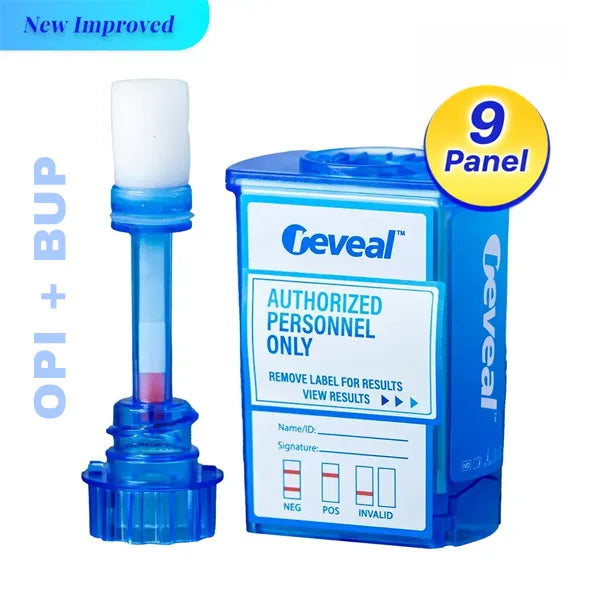
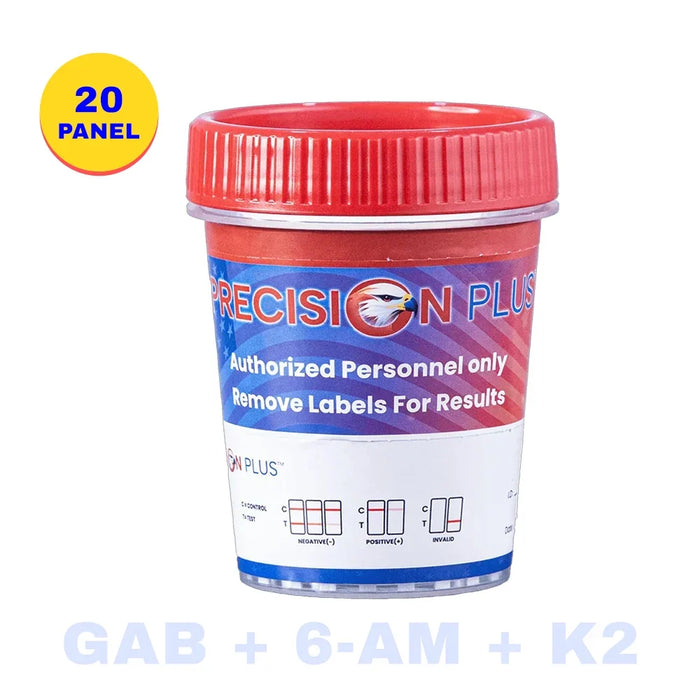
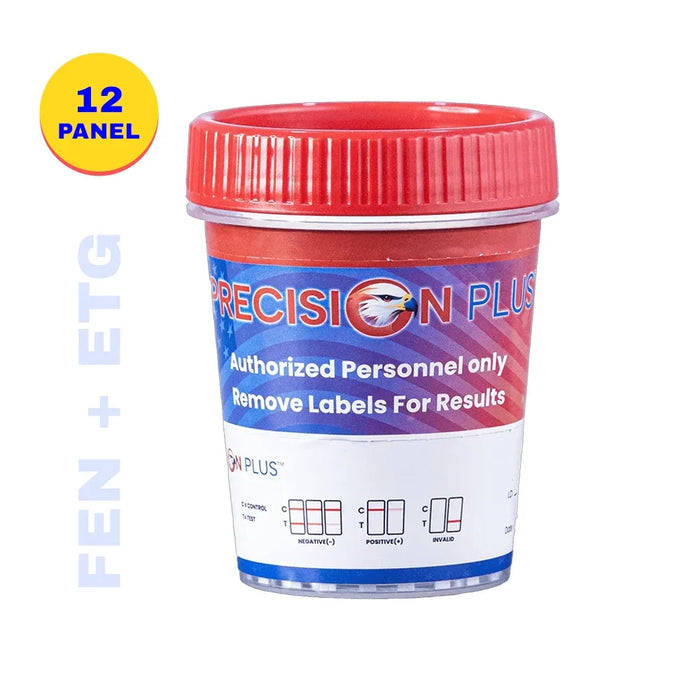
Employers in this trade generally combine a rapid onsite screen with laboratory confirmation for any result that is not negative. The onsite step is usually a urine cup or an oral fluid device read at the job site or a clinic; the confirmation step is a certified laboratory running gas chromatography mass spectrometry or liquid chromatography mass spectrometry on the same specimen. SAMHSA's workplace resources describe the five panel standard that many federal and federally regulated programs still use as a baseline, and the expanded panels that private employers in high risk trades commonly add.
| Panel size | Typical analytes | Common use on tower crews |
|---|---|---|
| 5 panel | Marijuana, cocaine, opiates, phencyclidine, amphetamines | Baseline pre employment screen, often required by carrier contract minimums |
| 10 to 12 panel | Adds benzodiazepines, barbiturates, methadone, propoxyphene, and synthetic opioids such as oxycodone | Random and post incident screening where the employer wants broader coverage of prescription and illicit sedatives that affect balance and reaction time |
| Oral fluid | Same drug classes as urine panels, shorter detection window | Pre shift or random testing at a remote tower site where an observed urine collection is impractical |
Oral fluid devices are useful on tower sites specifically because collection does not require a restroom or a bathroom monitor, which matters when a crew is working at a site with no facilities. The shorter detection window of oral fluid also lines up with the question an employer actually wants answered before a climb: is this person impaired right now, not what did this person use three weeks ago.
State law sets real limits on how this is done
Federal silence on tower climber testing does not mean an employer has a free hand. State drug testing statutes vary widely, and several states place conditions on when private employers may run random testing, what notice a written policy must give employees, and how a laboratory confirmation has to be handled before an employer can act on a positive result. Minnesota's Drug and Alcohol Testing in the Workplace Act is one example of a state statute that requires a written testing policy, limits random testing to safety sensitive positions as the statute defines them, and requires confirmatory testing before any adverse action. Other states take a different approach, and some have no specific statute at all, which is why a national contractor's policy generally has to be built state by state rather than copied from one jurisdiction to the next. Employers should treat this as a legal question for counsel rather than something to infer from a neighboring state's rule.
Marijuana, prescriptions and the medical review officer
A positive screening result is not a diagnosis and a tower climbing employer should never treat it as one. A certified laboratory confirmation that is reviewed by a medical review officer, who verifies prescriptions and legitimate medical explanations before a result is reported to the employer as positive, is the standard that keeps a testing program defensible. This matters even more in states where marijuana is legal for medical or recreational use, since an off duty legal use state law generally does not override an employer's ability to keep an impaired person off a tower, though the interaction between those two things again varies by state and should go through counsel rather than a blanket company rule.
Building a program that fits this trade
A workable policy for a tower climbing crew usually combines four pieces: a pre employment screen before a new climber is assigned to a structure, random testing where state law allows it, mandatory post incident testing tied to the same fall protection and rescue plan OSHA already expects the employer to have, and reasonable suspicion training for the ground crew and site supervisor who may be the only people watching a climber before they go up. Because climbers often work for a subcontractor on a carrier owned structure, the policy also needs to say clearly which company's program controls, and the contract between the general contractor, the tower owner and the climbing subcontractor should spell that out before the first climb rather than after an incident. For background on how a broader construction program is usually structured, see our construction industry drug testing program guide; for another fall risk trade with a similar fatality driven testing rationale, see our roofer drug testing article. Employers setting up onsite screening can review rapid test and oral fluid options in our drug test cup collection.
Frequently asked questions
Does federal law require drug testing for tower climbers?
No. Outside of workers who also perform a DOT covered function such as driving a commercial vehicle, there is no federal statute that specifically mandates testing for tower climbers. OSHA's general duty clause and its communication tower guidance push employers toward managing impairment as part of fall hazard control, but the testing program itself is built by the employer, the carrier contract and state law.
What does ANSI A10.48 say about drug testing?
The industry consensus standard commonly cited as ANSI A10.48 addresses climber qualification and a drug and alcohol free work environment on tower sites. It is a voluntary industry standard, not a government regulation enforced by OSHA, but carriers and general contractors widely reference it in the safety requirements they put into climbing subcontracts.
Can a state limit random drug testing for a tower crew?
Yes. State law varies and some states restrict random testing to defined safety sensitive positions, require a written policy and notice, or set rules for confirmatory testing before any action is taken. Employers should confirm the current rule in every state where they operate rather than apply one state's policy nationwide.
What drug panel is typical for a tower climbing crew?
Many employers use a five to twelve panel urine or oral fluid screen, with any non negative result sent to a certified laboratory for confirmation by gas chromatography mass spectrometry or liquid chromatography mass spectrometry. The exact panel depends on the employer's policy and any carrier contract requirements.
Does a positive screening result mean a climber is fired?
Not automatically. A screening result should go through medical review officer verification, which checks for valid prescriptions and other legitimate explanations before it is reported to the employer. What happens after a confirmed positive result is a matter of the employer's policy and applicable state law, and may be able to include options other than termination depending on the circumstances.
How do state marijuana laws affect tower climber testing?
This varies significantly by state and is one of the more legally complex areas of workplace drug policy right now. Off duty legal use protections in some states generally do not require an employer to allow impairment on a tower, but the details differ enough between states that employers should work through this question with counsel rather than relying on a general rule.
This article is general information for employers and is not legal or medical advice. Drug testing policy for safety sensitive construction trades should be reviewed with qualified counsel familiar with the applicable state law.