Probation and parole officers carry a strange dual identity. In some states they are sworn peace officers who carry a firearm and make arrests. In others they are civilian court or corrections employees who supervise a caseload without any law enforcement authority at all. That split matters for drug testing, because the rules an agency can apply, and the rules it must apply, depend on which category its officers fall into and which level of government employs them.
This guide looks at how probation and parole departments actually structure drug screening for their own staff, not for the people they supervise. It covers pre employment screening, random testing programs, post incident testing, the federal probation system run through the courts, and where the legal authority for all of it comes from.
Who sets the rules: state, county, or federal
There is no single federal law that requires every probation agency to drug test its officers. Testing requirements for probation and parole staff come from a patchwork of state statutes, county civil service rules, judicial branch administrative policy, and individual agency personnel manuals. The one clear federal exception is for officers who drive commercial motor vehicles as part of the job and meet the federal size and weight thresholds, which can pull them into the Department of Transportation testing scheme described below. Outside that narrow case, whether an officer is tested, how often, and what happens after a positive result is set locally.
Three broad employment tracks exist across the country:
| Track | Typical employer | Peace officer status | Who sets drug testing policy |
|---|---|---|---|
| County or judicial district probation | County government or county probation department | Varies by state; some are peace officers, some are not | County civil service rules, state statute, or the local probation department's own policy |
| State parole or combined probation and parole | State department of corrections or a state parole board | Often classified as a correctional or law enforcement position | State personnel rules and the state corrections agency |
| Federal probation and pretrial services | United States District Court, through the judiciary | Officers are court employees who may carry firearms under judiciary policy | The Judicial Conference and the Administrative Office of the United States Courts, as a term of employment set by each district |
Pre employment screening for probation and parole officer candidates
Almost every agency that hires probation or parole officers requires a drug test as a condition of a conditional job offer, alongside a background investigation, psychological evaluation where the position carries arrest powers, and a medical clearance. Because many of these positions are treated as law enforcement or public safety roles, agencies generally have broad latitude to require pre employment testing as part of the overall suitability determination, separate from any random testing program that applies once someone is on the payroll.
In Florida, correctional probation officer is one of three certified law enforcement disciplines overseen by the state's Criminal Justice Standards and Training Commission, and candidates go through the same statutory minimum standards process that applies to deputies and correctional officers, which includes a background investigation and medical and physical standards set under state law. In Texas, community supervision officers are hired through local community supervision and corrections departments under standards set by the Texas Department of Criminal Justice's Community Justice Assistance Division, which issues the minimum qualification and training standards those departments must follow. In California, county probation departments set their own hiring standards, and the state's Board of State and Community Corrections provides the statewide standards and training framework that counties build their local screening and certification requirements around. None of these pages publish a universal, one size fits all drug testing rule, and an employer or candidate in any of these states should confirm the current local requirement directly with the hiring department or state board rather than assume a single statewide script.
Random testing once an officer is on the job
Random testing programs for sworn or armed probation and parole staff generally mirror the law enforcement model: officers are entered into a pool, a neutral selection method picks a percentage of the pool each testing period, and selection is not based on suspicion. Agencies that treat probation officers as law enforcement or correctional staff for personnel purposes often fold them into the same random testing pool used for deputies, correctional officers, or other sworn staff, because the underlying justification, carrying a weapon and exercising arrest or use of force authority, is the same.
Civilian caseload officers without peace officer status are less consistently subject to random testing. Where they are tested, it is usually because the department classifies the role as safety sensitive for some other reason, such as regular unsupervised contact with justice involved individuals in the field, or because the county has a blanket random testing policy that covers a broader set of safety sensitive civil service classifications.
Reasonable suspicion and post incident testing
Nearly every agency policy, sworn or civilian, includes a reasonable suspicion provision: a supervisor who observes specific, documented signs consistent with impairment, slurred speech, odor, erratic behavior, can direct an employee to submit to a test outside the random rotation. Post incident testing after a use of force event, a vehicle collision in a government vehicle, or an on duty injury is common for officers who carry firearms or routinely drive for work, following the same logic used in general law enforcement drug testing policy.
Marijuana and state legalization
State marijuana legalization has not generally extended to sworn or firearm carrying public safety positions. Agencies that classify probation or parole officers as law enforcement or correctional officers typically keep marijuana on the disqualifying panel for both pre employment and random testing regardless of the officer's state marijuana law, because federal firearm possession rules and many state peace officer certification standards still treat marijuana use as disqualifying for certified law enforcement roles. Civilian, unarmed caseload officers may fall under a more general county employee drug policy, which can vary considerably. An agency's current position on marijuana, medical marijuana cards, and off duty use should always be confirmed against its own written policy and applicable state peace officer certification rules, since this is an area where state law and standards differ and change.
Federal probation and pretrial services officers
Federal probation and pretrial services officers work for the judicial branch, not the Department of Justice, and are employed by each United States District Court rather than a single national agency. The Administrative Office of the United States Courts describes the role: officers supervise people on federal probation, supervised release, and pretrial release, and many are authorized to carry firearms under judiciary policy because of the safety risks involved in field supervision. Personnel standards, including pre employment and ongoing drug testing requirements, are set through Judicial Conference and Administrative Office policy and implemented at the district level, which means the specific testing frequency and procedure can differ somewhat from one federal district to the next. Anyone hiring into, or researching, a specific district's program should confirm current requirements through that district's human resources office rather than assume a single nationwide federal protocol.
How the specimen is actually tested
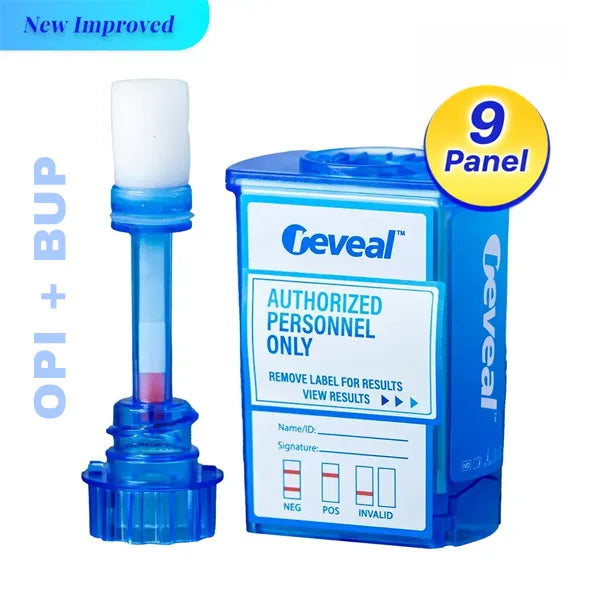
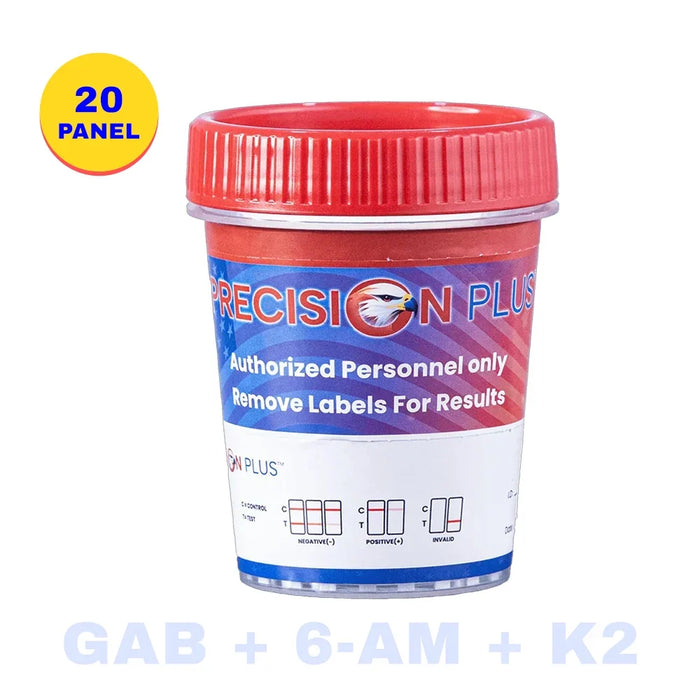
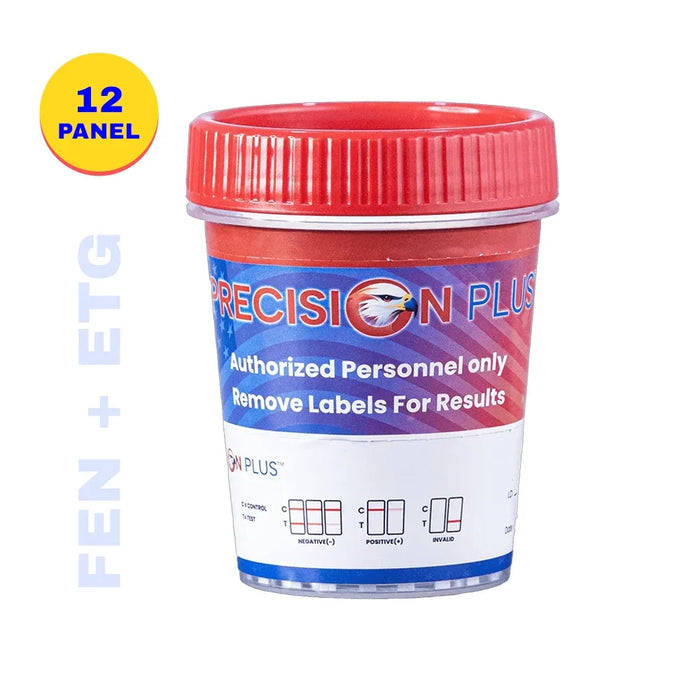
Agencies that run a defensible drug testing program for their own staff use a two step process rather than relying on a single test result to make a personnel decision. The first step is a rapid immunoassay screen, run on a urine cup, dip card, or oral fluid device, which flags whether a specimen is likely positive for a drug class. The second step, required before any adverse action, is laboratory confirmation by gas chromatography mass spectrometry or liquid chromatography mass spectrometry, which identifies the specific drug or metabolite rather than just a drug class and rules out the cross reactivity that immunoassay screens are prone to. This split screen and confirm model is the same structural approach the Department of Transportation requires for safety sensitive transportation employees under 49 CFR Part 40, and it is the model that the Substance Abuse and Mental Health Services Administration's Division of Workplace Programs promotes for federal agency and federally regulated workplace testing more broadly. A nonnegotiable element in a legally sound program is medical review officer review of every non negative result before it is reported to the agency, so that prescribed medication or another legitimate explanation is ruled out before any employment consequence follows.
Federal executive branch agencies that run drug free workplace programs for their own employees, a model some state agencies informally borrow from, operate under rules codified at 5 CFR Part 1601, which sets out the structure for agency drug testing plans, employee assistance referral, and due process protections. Federal judiciary employment, including probation and pretrial services officers, sits outside that executive branch framework, which is part of why each district's program is governed through Judicial Conference and Administrative Office policy instead.
Due process and records
Because a positive result can end a career, defensible agency programs document chain of custody from collection through laboratory confirmation, keep medical review officer findings and underlying medical documentation confidential and separate from the general personnel file, and give the employee a defined process to explain a result or request a split specimen retest before any disciplinary action becomes final. State civil service law and, for some officers, collective bargaining agreements add additional procedural protections on top of the baseline drug testing policy. None of this is legal advice, and an agency building or revising a program should route specific due process and discipline questions to counsel and its personnel office rather than rely on a general description.
Agencies building or refreshing a staff testing program typically start with reliable screening devices before building the lab confirmation and MRO relationship around them; departments sourcing cups, dip cards, or oral fluid devices for an internal program can review options through the drug test cup collection, and agencies buying in volume can also work directly through the wholesale portal.
Related reading
Agencies comparing their own staff testing policy against other public safety hiring pipelines may also want to review how correctional officer drug testing requirements are structured, and how a police academy drug test fits into recruit screening, since probation and parole hiring pipelines frequently borrow from both models.
Frequently asked questions
Are all probation officers legally required to pass a drug test to be hired?
Most agencies require a pre employment drug test as part of a conditional job offer, but this comes from state statute, civil service rule, or agency policy rather than a single nationwide law, so the exact requirement varies by state and by employer. Candidates should confirm the current requirement with the specific hiring agency.
Does federal law require random drug testing of probation officers?
No general federal law requires random testing of state or county probation officers. The one federal driver is the Department of Transportation testing rule, which can apply to any officer who regularly drives a commercial motor vehicle meeting federal thresholds as part of the job. Federal probation and pretrial services officers follow policy set by the Judicial Conference and the Administrative Office of the United States Courts rather than a DOT rule.
Can a probation officer with a state medical marijuana card be disqualified for marijuana use?
Agencies vary, but many departments that classify probation or parole officers as sworn or firearm carrying law enforcement positions continue to disqualify for marijuana regardless of a state medical card, because of federal firearm rules and state peace officer certification standards. This is an area where law and agency policy differ by state, and the current rule should be confirmed with the specific state's peace officer standards body or hiring agency.
What testing method do agencies use to confirm a positive result?
A credible program never takes disciplinary action on a rapid immunoassay screen alone. A non negative screen is sent to a laboratory for confirmation by gas chromatography mass spectrometry or liquid chromatography mass spectrometry, and a medical review officer reviews the confirmed result, including any prescription documentation, before it is reported to the agency.
Are county probation officers always considered peace officers?
No. Peace officer status for probation and parole staff is set by state law and varies widely. Some states classify probation officers as sworn peace officers with arrest authority, others classify the role as a civilian court or corrections position without that authority, and some states split the designation based on whether the officer carries a firearm or works in the field.
Who pays for and administers the drug testing program?
The employing agency, whether a county probation department, a state department of corrections or parole board, or a federal district court, funds and administers its own testing program and sets the specific panel, frequency, and vendor relationships, which is why programs differ from one jurisdiction to the next even within the same state.
This article is general information about public sector employment drug testing policy, not legal advice. Agencies and employees should confirm current requirements with the applicable state board, civil service rule, or agency policy and consult counsel for specific situations.