Quick answer: One standard drink can register on a breathalyzer, but usually only at low levels. A 14-gram drink often produces a peak breath alcohol of about 0.02 or less in many adults, within 30 to 90 minutes. Results vary by body weight and food. American Screening Corp supplies screening devices; positives are preliminary.
- One drink can register for roughly one to two hours, depending on the person and the device.
- The DOT action level is 0.02 breath alcohol concentration; 0.04 is a violation under 49 CFR Part 40.
- Every positive screen is preliminary and needs a confirmation test before action.
What counts as one drink?
The National Institute on Alcohol Abuse and Alcoholism (NIAAA) defines a U.S. standard drink as 14 grams of pure alcohol (as of 2026). That equals 12 fluid ounces of regular beer, 5 ounces of wine, or 1.5 ounces of 80-proof spirits.
Need drug tests for your clinic, program or workplace?
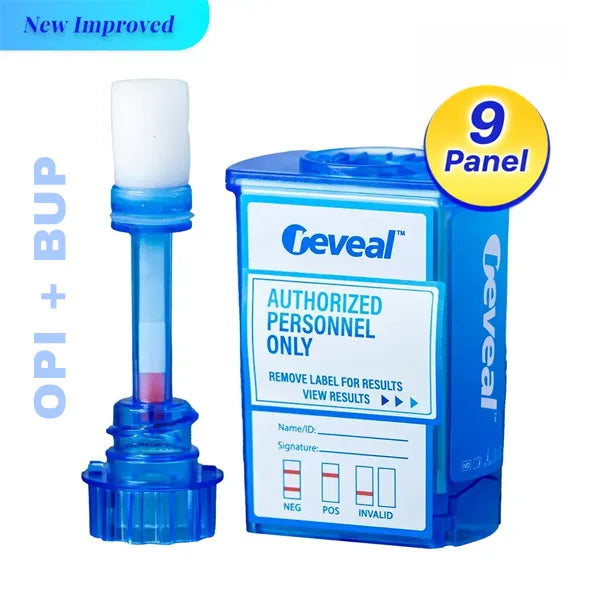
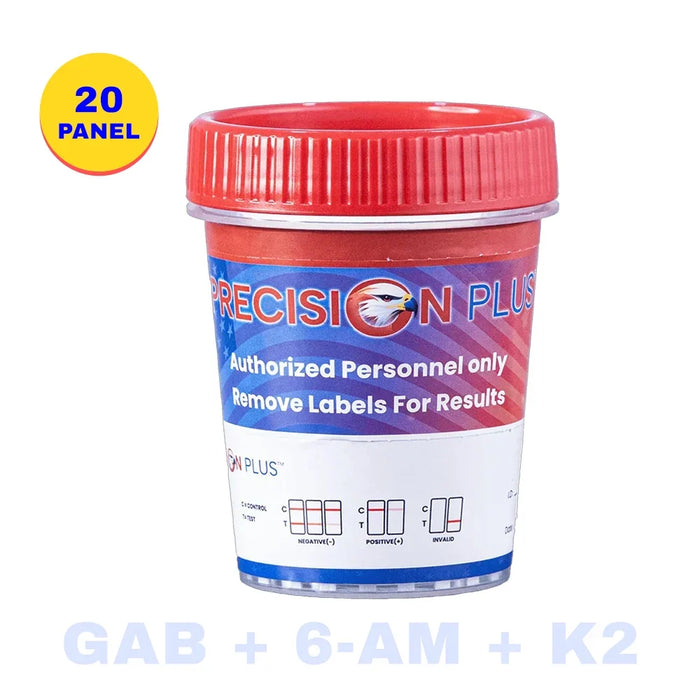
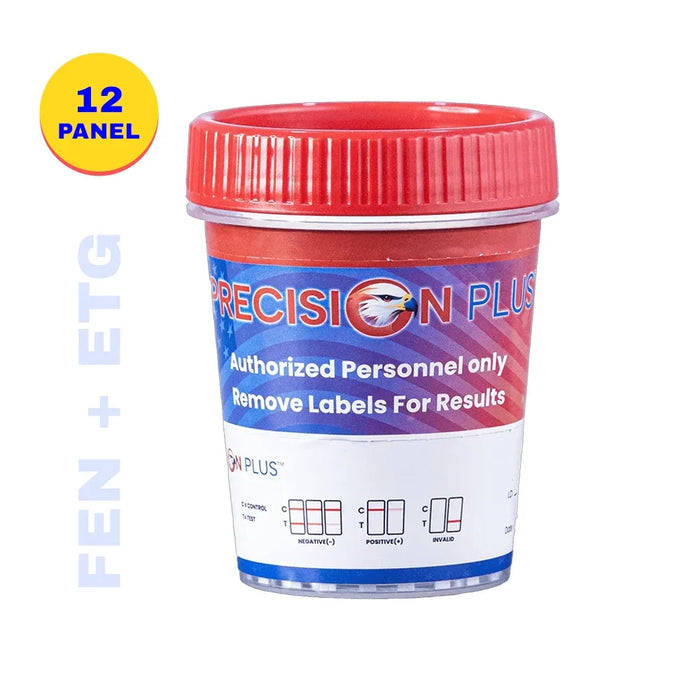
American Screening Corp has supplied FDA-cleared, CLIA-waived tests at wholesale pricing since 2004. Popular options:
Ordering 100+ tests? Request volume pricing.
Oversized pours, craft beer and mixed drinks often hold more than one standard drink. A buyer writing a testing policy should define the unit, because staff and clients rarely count the same way.
Will one drink set off a breathalyzer?
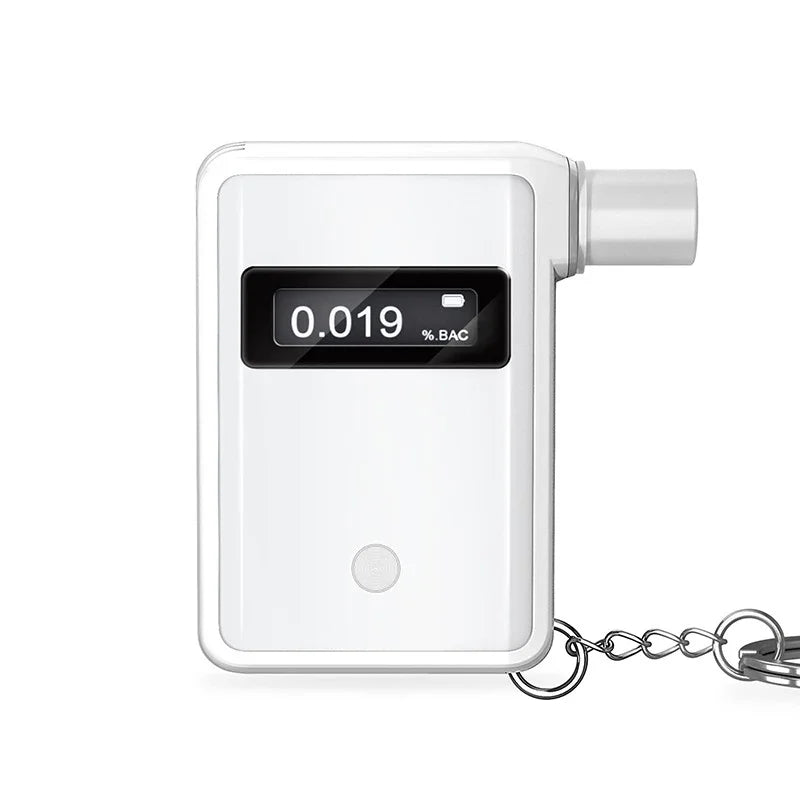
Yes, it can. A breathalyzer measures ethanol in breath and reports breath alcohol concentration (BrAC). Alcohol reaches the lungs within minutes of drinking, so even a small amount can produce a reading shortly afterward.
Whether that reading crosses your cutoff depends on three things: the cutoff, the time since the drink, and the person. A single drink may read near zero in a heavier adult who ate first. A lighter adult on an empty stomach may read higher.
Typical timing for one drink
- Alcohol appears in breath within about 10 to 15 minutes.
- Peak concentration usually arrives 30 to 90 minutes after the last sip.
- The body clears roughly one standard drink per hour, per NIAAA guidance, so a single drink often falls to zero within a few hours.
These are general ranges, not guarantees. Individual metabolism varies, and no screen should be treated as 100% accurate.
Which cutoff applies to your program?
The cutoff is a policy choice or a legal rule, and it changes the answer to this question. Under U.S. Department of Transportation rules (49 CFR Part 40, Subpart K), a breath alcohol result of 0.02 or higher requires a confirmation test. A confirmed result of 0.04 or higher is a violation. Under 49 CFR 382.505, a driver with a confirmed result of 0.02 to 0.039 may not perform safety-sensitive functions for 24 hours.
| Setting | Threshold | Can one drink reach it? | Required next step |
|---|---|---|---|
| Zero-tolerance program (treatment, probation) | Any detectable BrAC, often 0.01 or 0.02 | Yes, within the first hours | Per program policy; confirm before sanctions |
| DOT action level | 0.02 | Sometimes, mostly shortly after drinking | Confirmation test per 49 CFR Part 40 |
| DOT violation | 0.04 | Unlikely from one standard drink | Removal from safety-sensitive duty and referral process |
What can cause a false or inflated reading?
Mouth alcohol is the main cause. Recent drinking, belching, or vomiting leaves alcohol vapor in the mouth that inflates a screen. Some mouthwashes and breath sprays contain ethanol and can do the same.
This is why a waiting period matters. DOT procedures require that an initial result of 0.02 or higher be followed by a confirmation test after a waiting period of at least 15 minutes, using an evidential breath testing device. Non-DOT programs should copy that discipline: observe the person, keep them from eating, drinking or smoking, and retest.
How should you read and document a result?
- Observe the person for at least 15 minutes before testing.
- Use a device that is within its calibration date and follow the manufacturer's instructions exactly.
- Record the device, serial number, time, and reading.
- If the screen is positive, treat it as preliminary and retest or confirm with an evidential breath test.
- For urine or blood alcohol confirmation, use laboratory testing by GC/MS or LC-MS/MS.
- Apply your written policy only after confirmation.
Breath, urine and other options for alcohol programs
A breathalyzer shows current impairment risk, not past use. If your program needs to know about drinking over the previous day or two, a urine-based alcohol metabolite test is a different tool with a longer window. Many buyers pair breath screening with a multi-drug urine screen. See our drug test cups for panel options, and note that a positive urine screen is also preliminary and must be confirmed by GC/MS or LC-MS/MS laboratory testing.
Policy checklist for employers, courts and clinics
- Define one standard drink and the cutoff in writing.
- State whether the policy is zero tolerance or follows the 0.02 and 0.04 DOT levels.
- Require a 15-minute observation and a confirmation test.
- Train every tester on the same procedure and keep logs.
- Check state statutes and union or court orders that may set different limits.
- Have counsel review the policy, and consider pairing it with pre-employment screening through Reveal Background checks.
Questions about devices or volume orders? Contact American Screening Corp in Shreveport, Louisiana. We ship wholesale orders nationwide, and our team answers the questions clinics, probation offices and staffing firms ask us most about test selection.
Frequently asked questions
Will one drink set off a breathalyzer?
It can. One standard drink often produces a low reading within 30 to 90 minutes. Whether it crosses a cutoff such as 0.02 depends on body weight, food, timing and the device.
How long after one drink will a breathalyzer read zero?
Commonly within a few hours. The body clears about one standard drink per hour, according to NIAAA, but individual rates vary.
Can mouthwash cause a positive breathalyzer result?
Yes, if it contains ethanol. Mouth alcohol can inflate a screen, so wait at least 15 minutes and retest before acting on the result.
Is a positive breathalyzer screen enough to take action?
No. A positive screen is preliminary. Confirm with an evidential breath test or laboratory testing by GC/MS or LC-MS/MS where applicable, then follow your written policy.
Sources
- NIAAA: What Is A Standard Drink?
- eCFR: 49 CFR Part 40, Procedures for Transportation Workplace Drug and Alcohol Testing Programs
- U.S. DOT Office of Drug and Alcohol Policy and Compliance: Part 40
This article is general information, not legal or medical advice.