Quick answer: Yes. Methamphetamine shows up on standard urine, oral fluid and hair drug tests. Under the HHS Mandatory Guidelines, the urine screening cutoff is 500 ng/mL and the confirmation cutoff is 250 ng/mL. Urine usually detects use for about 1-4 days. Every positive screen is preliminary and must be confirmed by GC/MS or LC-MS/MS laboratory testing, says American Screening Corp.
- Detects: methamphetamine and its metabolite amphetamine, on any panel that includes the AMP or MET line (5-panel and larger).
- Window: about 1-4 days in urine and about 1-2 days in oral fluid. Hair can reach up to 90 days.
- Status: a non-negative screen is preliminary only. Confirm by GC/MS or LC-MS/MS before any action.
What does a drug test detect for methamphetamine?
Methamphetamine is a central nervous system stimulant. The National Institute on Drug Abuse describes it on its Methamphetamine research page (NIDA, as of November 2026).
Need drug tests for your clinic, program or workplace?
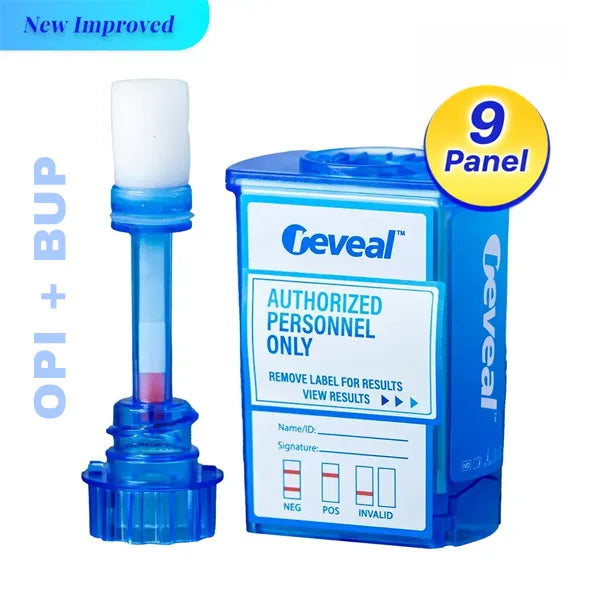
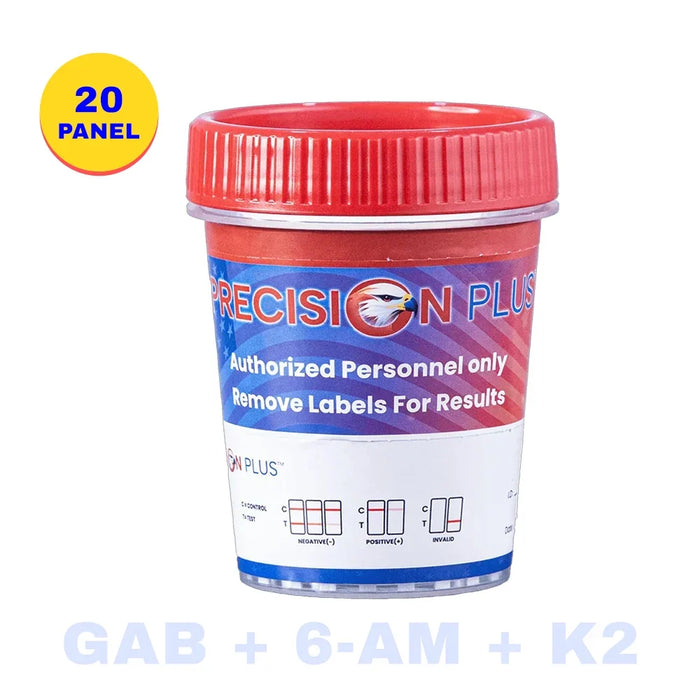
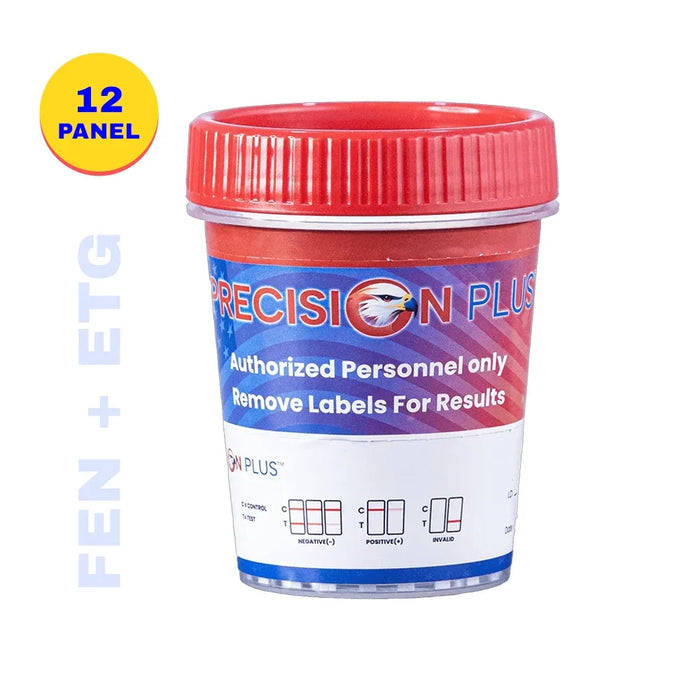
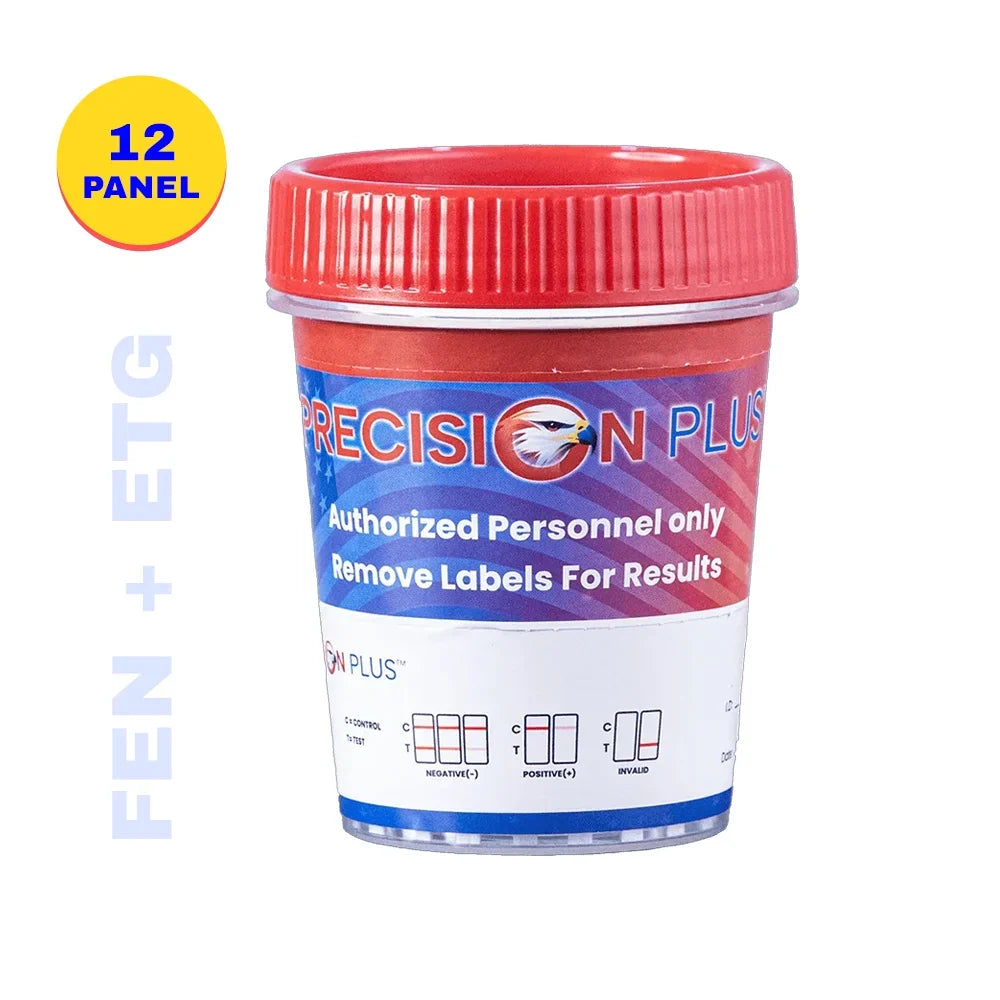
American Screening Corp has supplied FDA-cleared, CLIA-waived tests at wholesale pricing since 2004. Popular options:
Ordering 100+ tests? Request volume pricing.
Urine tests look for the parent drug and its metabolite, amphetamine. Federal programs require amphetamine to be present at 100 ng/mL or more before methamphetamine is reported positive (SAMHSA, HHS Mandatory Guidelines for urine testing, as of November 2026).
Most multi-drug cups and dip cards at American Screening Corp (ASC) are FDA-cleared and CLIA-waived. They include a methamphetamine or amphetamine line on 5-panel and larger configurations. Check the package insert of the exact product for its cutoff.
How long does methamphetamine stay detectable?
Detection depends on dose, frequency of use, urine pH, hydration and metabolism. The figures below are typical ranges, not guarantees.
| Specimen | HHS initial / confirmatory cutoff | Typical window | Best for |
|---|---|---|---|
| Urine | 500 ng/mL / 250 ng/mL | About 1-4 days | Pre-employment, probation, treatment programs |
| Oral fluid | 50 ng/mL / 25 ng/mL | About 1-2 days | Observed collection, post-accident, reasonable suspicion |
| Hair (lab) | Set by the laboratory | Up to about 90 days | Long-look-back history |
Some commercial cups use different screening cutoffs, such as 1,000 ng/mL for amphetamine lines. A higher cutoff shortens the window, so buyers should match the cutoff to their policy.
Which test should a buyer choose?
Urine cups and dip cards
Urine is the most common specimen for workplace and clinical programs. Our drug test cups give an on-site result in minutes with a temperature strip and tamper checks built in. Dip cards offer the same screening at a lower cost per test for high-volume sites.
Oral fluid tests
Oral fluid is easier to collect under direct observation. It detects more recent use than urine, which suits post-accident and reasonable-suspicion testing.
DOT-regulated testing
DOT-regulated employers must follow 49 CFR Part 40, which governs collection, laboratory analysis and Medical Review Officer (MRO) verification (U.S. DOT, eCFR Title 49 Part 40, as of November 2026). Point-of-care cups are not a substitute for a DOT laboratory test.
What can cause a positive or false-positive result?
- Prescription stimulants used for medical reasons, which an MRO reviews.
- The levmetamfetamine isomer found in some nasal decongestant inhalers. Laboratories can separate d- and l-isomers.
- Cross-reactivity with some other amine-containing compounds on immunoassay screens.
This is why a screen is only preliminary. Confirmation by GC/MS or LC-MS/MS identifies the exact substance and concentration.
Checklist: running a methamphetamine screen
- Confirm the panel includes methamphetamine (MET) or amphetamine (AMP) and note its cutoff in ng/mL.
- Verify the product is FDA-cleared and CLIA-waived and check the lot expiry date.
- Check the specimen temperature and record the collection time.
- Read the result in the time stated in the package insert, and ignore it after that window.
- Treat any non-negative result as preliminary. Send the specimen for GC/MS or LC-MS/MS confirmation.
- Route legitimate-prescription questions to an MRO or qualified reviewer.
- Keep chain-of-custody and policy records for each test.
What should employers and courts do after a non-negative screen?
Do not act on the screen alone. Send the specimen for laboratory confirmation, and apply your written policy and any state statute that governs your program. Employers screening applicants can pair testing with verified history from our sister division, Reveal Background. For bulk, private-label or lab-confirmation questions, contact American Screening Corp.
Frequently asked questions
Does methamphetamine show up on a standard 5-panel test?
Yes. A standard 5-panel urine test includes amphetamines, which cover methamphetamine. Check the insert for the exact cutoff, commonly 500 to 1,000 ng/mL. Positive screens are preliminary and need laboratory confirmation.
How long does methamphetamine stay in urine?
Typically about 1-4 days after last use. Heavy or chronic use, low urine flow and acidic urine can lengthen the window. Individual results vary.
Can oral fluid detect methamphetamine?
Yes. Oral fluid detects recent use, typically about 1-2 days. The HHS oral fluid cutoffs are 50 ng/mL for screening and 25 ng/mL for confirmation.
Is a positive methamphetamine screen final?
No. It is preliminary. Confirm by GC/MS or LC-MS/MS laboratory testing, and have an MRO or qualified reviewer consider valid prescriptions before any action.
Sources
- SAMHSA: Workplace Drug Testing and HHS Mandatory Guidelines
- U.S. DOT: 49 CFR Part 40 (eCFR)
- NIDA: Methamphetamine
This article is general information, not legal or medical advice.