Quick answer: A Marquis drug test kit is a color-change reagent that presumptively identifies opiates, amphetamines and MDMA in powders or pills. It is not an FDA-cleared or CLIA-waived specimen test and has no ng/mL cutoff. For urine screening, American Screening Corp supplies cups and dip cards; every positive is preliminary and needs GC/MS or LC-MS/MS confirmation.
- Marquis reagent tests a substance (powder, tablet, residue). It does not test a person's urine or saliva.
- Results are a color, read by eye, and only presumptive. Many compounds give similar colors, and fentanyl is not reliably identified.
- Programs that screen people use FDA-cleared, CLIA-waived urine or oral fluid tests with laboratory confirmation. American Screening Corp supplies those to organizations.
What is a Marquis drug test kit?
The Marquis reagent is a mixture of formaldehyde and concentrated sulfuric acid. A small amount of the unknown material is placed in contact with the reagent, and the color that develops points to a drug class.
Need drug tests for your clinic, program or workplace?
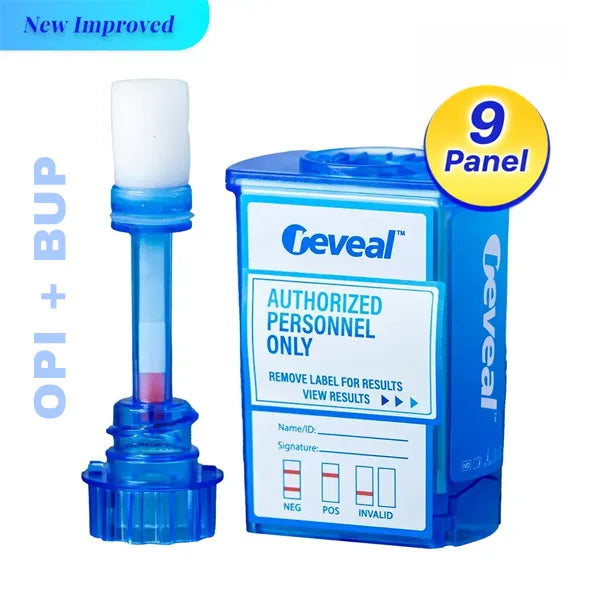
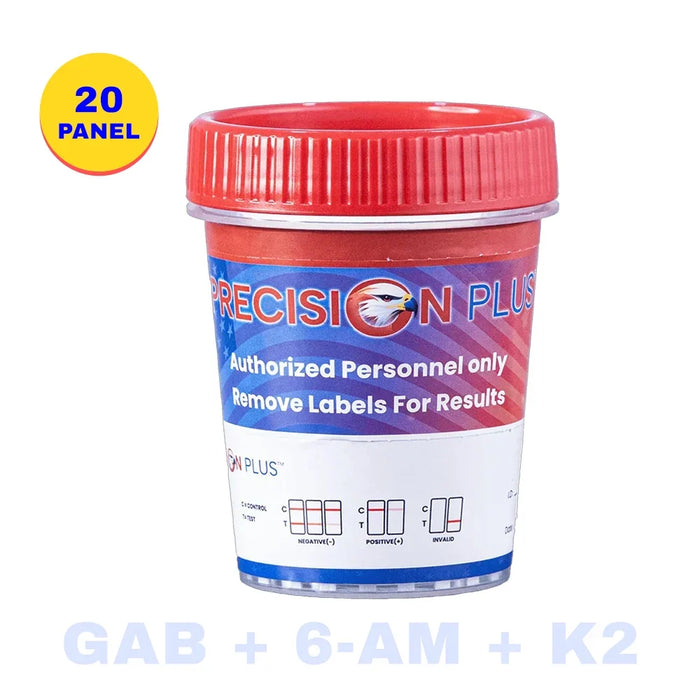
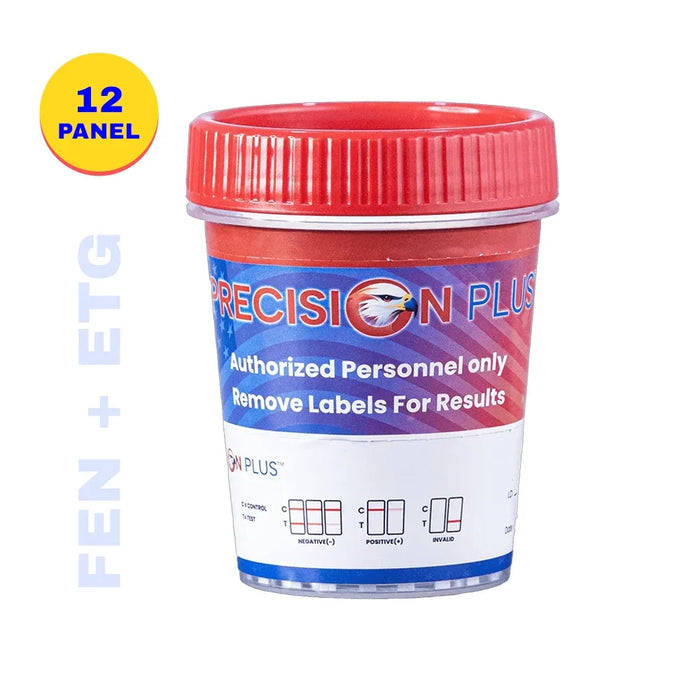
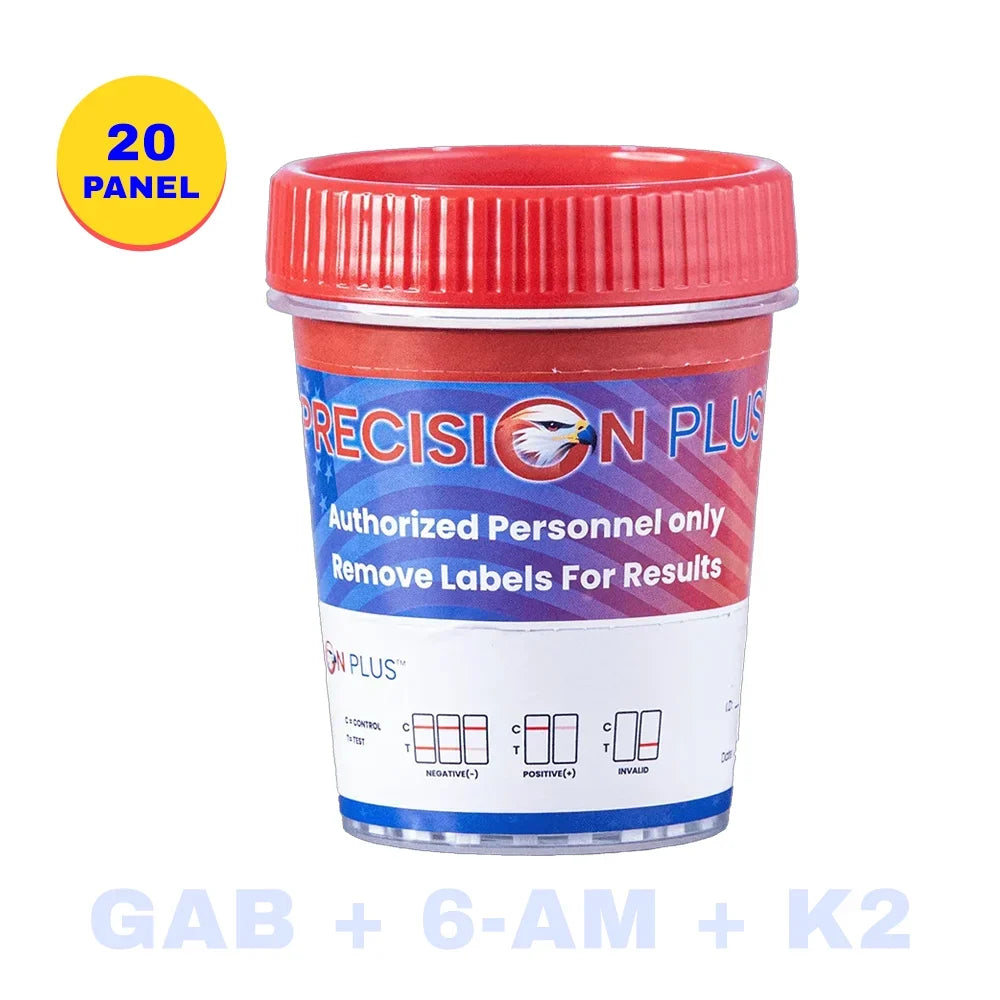
American Screening Corp has supplied FDA-cleared, CLIA-waived tests at wholesale pricing since 2004. Popular options:
Ordering 100+ tests? Request volume pricing.
Kits are sold as ampoules or dropper bottles and are used for substance identification, such as checking a seized or found item. They are a field screening method, not a clinical diagnostic.
What does a Marquis test detect?
The reagent reacts with several families of compounds. Commonly described reactions are below. Treat every color as a lead, not a finding.
| Feature | Marquis reagent kit | Urine cup or dip card |
|---|---|---|
| What is tested | Unknown powder, pill or residue | A person's urine specimen |
| Output | Color change read by eye | Line or digital result per drug, at a set cutoff |
| Cutoff in ng/mL | None | Yes, for example 50 ng/mL for marijuana metabolite (THCA) and 500 ng/mL for amphetamines on the HHS initial urine test |
| FDA / CLIA status | Not an FDA-cleared specimen test | FDA-cleared, CLIA-waived formats available |
| Confirmation | Laboratory identification | GC/MS or LC-MS/MS on any positive |
| Best for | Substance identification | Clinics, courts, employers, treatment programs |
- Opiates such as heroin and morphine are commonly described as turning purple.
- Amphetamine and methamphetamine are commonly described as turning orange to brown.
- MDMA is commonly described as turning dark purple to black.
Why a Marquis kit cannot replace a drug screen for people
Marquis kits have no analyte cutoff, no detection window and no specimen validity checks. They cannot tell you whether someone used a drug in the last day or week.
They also are not part of any federal testing framework. The HHS Mandatory Guidelines and DOT 49 CFR Part 40 govern specimen testing, and they specify cutoffs, collection and laboratory procedures.
Limits buyers should know
- Different substances can produce similar colors, so a color is never proof of identity.
- Mixtures, cutting agents and low concentrations can mask or alter a reaction.
- Fentanyl is not reliably identified by Marquis reagent. Fentanyl screening in urine uses a dedicated immunoassay test.
- The reagent contains concentrated acid and formaldehyde, so it needs trained handling, gloves and eye protection.
What do clinics, courts and employers use instead?
Organizations that test people use immunoassay screens on urine or oral fluid. A drug test cup gives a multi-drug result at the point of collection, and a drug test dip card offers a lower-cost format for high-volume programs.
For reference, the HHS Mandatory Guidelines list these initial urine cutoffs: marijuana metabolite 50 ng/mL, cocaine metabolite 150 ng/mL, opiates (codeine/morphine) 2,000 ng/mL, phencyclidine 25 ng/mL, and amphetamines and MDMA 500 ng/mL (SAMHSA, Mandatory Guidelines for Federal Workplace Drug Testing Programs, as of 2026). Most of these drugs are generally detectable in urine for about one to three days after use, and heavy or chronic marijuana use can be detected longer. Panel counts from 5 to 18 drugs are available.
Any non-negative result is preliminary; confirm by GC/MS or LC-MS/MS laboratory testing before acting on it.
How to choose between a reagent kit and a specimen test
- Decide what you are testing: a substance or a person.
- If a person, choose urine or oral fluid based on your policy and observation window.
- Pick a panel that matches your policy or regulatory rule (5-panel through 18-panel).
- Confirm the product is FDA-cleared and CLIA-waived for your use.
- Set a written procedure for preliminary positives and laboratory confirmation.
Buyer checklist
- Written policy naming the drugs, cutoffs and who is tested
- FDA-cleared, CLIA-waived products with lot numbers and expiry dates recorded
- Trained collectors and a documented chain of custody where required
- Laboratory confirmation arranged before the first positive
- Counsel review of state law and, for DOT-regulated employees, 49 CFR Part 40
- Background screening alongside testing through our sister division, Reveal Background, where hiring is involved
Frequently asked questions
What is a Marquis drug test kit?
It is a reagent kit that changes color when it contacts certain drugs. It gives a presumptive clue about an unknown substance, not a verified identification.
Can a Marquis kit test urine?
No. It is designed for powders, pills and residue. Urine screening needs an FDA-cleared immunoassay cup or dip card with defined ng/mL cutoffs.
Does Marquis detect fentanyl?
Not reliably. Fentanyl needs a dedicated fentanyl test, and any result must be confirmed by GC/MS or LC-MS/MS laboratory testing.
Is a Marquis result accepted by courts or employers?
Generally not as a basis for action against a person. Programs use specimen tests with laboratory confirmation. Ask your counsel about your jurisdiction.
Talk to American Screening Corp
American Screening Corp in Shreveport, Louisiana, supplies wholesale drug and alcohol testing products to clinics, treatment centers, courts, probation, staffing firms and employers, with same-day shipping nationwide. Contact our team to match a panel and confirmation workflow to your program.
Sources
- SAMHSA, Workplace Drug Testing resources and Mandatory Guidelines
- U.S. DOT, 49 CFR Part 40 (Office of Drug and Alcohol Policy and Compliance)
- FDA, Drugs of Abuse Tests
This article is general information, not legal or medical advice.