Quick answer: To set up an employee drug testing program, write a policy, choose a panel, train collectors, and confirm every positive. American Screening Corp supplies FDA-cleared, CLIA-waived urine cups for employers that detect THC (50 ng/mL), cocaine (150), amphetamines (500), opiates (2,000) and PCP (25) for roughly 1-3 days. Positives are preliminary; confirm by GC/MS or LC-MS/MS laboratory testing.
- Start with a written policy that states who is tested, when, and what happens after a result.
- Match the panel and cutoffs to your risk; federally regulated roles must follow DOT 49 CFR Part 40.
- Treat every non-negative screen as preliminary until a laboratory confirms it.
What is an employee drug testing program?
An employee drug testing program is a written, consistently applied process for screening applicants or workers for drugs, then acting on confirmed results. It has five parts: policy, test selection, collection, confirmation and records. Employers, staffing firms, clinics and probation offices all use the same core structure.
Need drug tests for your clinic, program or workplace?
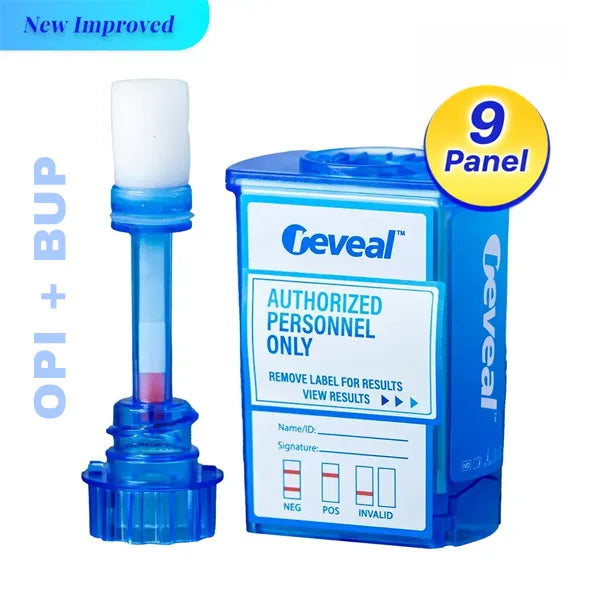
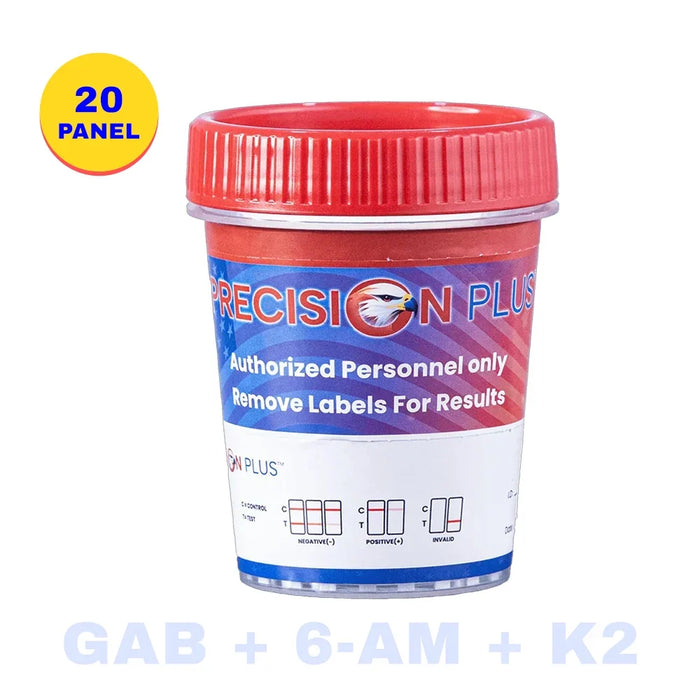
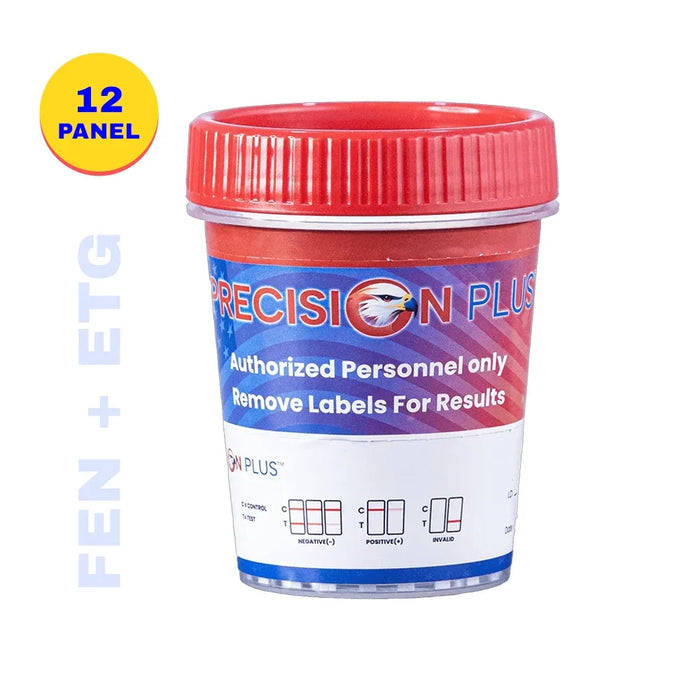
American Screening Corp has supplied FDA-cleared, CLIA-waived tests at wholesale pricing since 2004. Popular options:
Ordering 100+ tests? Request volume pricing.
Step 1: Decide whether you are DOT-regulated or non-DOT
Employers with safety-sensitive transportation employees must follow the U.S. Department of Transportation's 49 CFR Part 40, which sets collection, laboratory and Medical Review Officer procedures (DOT, 49 CFR Part 40, as of 2025). Everyone else sets their own rules within state law. Many non-DOT employers still borrow the HHS cutoffs because they are well documented and defensible.
| Item | DOT-regulated | Non-DOT |
|---|---|---|
| Governing rule | 49 CFR Part 40 | Company policy and state statute |
| Panel | Fixed federal panel | Your choice, 5- to 18-panel |
| Specimen handling | Federal custody and control form, certified lab | Your protocol; lab confirmation recommended |
| Positive result review | Medical Review Officer required | Recommended before action |
Step 2: Write the policy
Your policy should be reviewed by employment counsel before launch. Include the following:
- Who is covered: applicants, current staff, safety-sensitive roles.
- Testing triggers: pre-employment, random, reasonable suspicion, post-accident, return-to-duty.
- The panel and cutoffs used.
- How prescription medication disclosures are handled.
- Consequences of a confirmed positive, a refusal or a failed collection.
- Confidentiality and record retention rules.
Give every employee the policy in writing and keep signed acknowledgments.
Step 3: Choose the panel and cutoff levels
The SAMHSA-based federal initial test cutoffs for urine are 50 ng/mL for marijuana metabolite (THC), 150 ng/mL for cocaine metabolite, 500 ng/mL for amphetamines, 2,000 ng/mL for codeine/morphine opiates and 25 ng/mL for phencyclidine (HHS Mandatory Guidelines for Federal Workplace Drug Testing Programs, urine, as of 2025). Most substances are detectable in urine for about 1-3 days; heavy, chronic marijuana use can be detectable longer.
For quick on-site screening, drug test cups give an integrated, temperature-checked result in minutes. If you screen high volumes in a lab or clinic setting, drug test dip cards are a lower-cost format. Both come in multiple panel sizes, so add expanded drugs such as fentanyl or benzodiazepines only where your risk justifies it.
Step 4: Train collectors and standardize collection
Consistent collection protects both the employee and the employer. Follow this procedure:
- Verify the donor's photo ID.
- Have the donor empty pockets and wash hands.
- Collect the specimen and check its temperature within the window printed on the device.
- Seal, label and initial the specimen in front of the donor.
- Read the result at the time stated in the device instructions; do not read it later.
- Complete the chain-of-custody form for any specimen sent to a lab.
Step 5: Handle results and confirmation
A negative screen closes the test. A non-negative result is preliminary; confirm by GC/MS or LC-MS/MS laboratory testing before any employment decision. Screening devices are FDA-cleared and CLIA-waived, but no screen is 100% accurate, and cross-reactivity with some legal medications can occur. Offer the donor a chance to explain medications, and use a Medical Review Officer where possible.
Step 6: Keep records and protect privacy
Store results separately from general personnel files, limit access to named staff and set a retention schedule with counsel. For DOT programs, retention periods are defined in 49 CFR Part 40 and related agency rules. Pair testing with employment background checks so pre-hire screening is handled in one workflow.
Launch checklist
- Policy drafted, legally reviewed, distributed and acknowledged.
- State law on testing notice, marijuana and prescriptions checked.
- Panel and cutoffs selected and documented.
- Collectors trained; chain-of-custody forms stocked.
- Confirmation laboratory and Medical Review Officer contracted.
- Supply of cups or dip cards ordered with lot and expiry dates logged.
- Record retention and confidentiality rules in place.
Need volume pricing or private label for multiple sites? Contact American Screening Corp in Shreveport, Louisiana; we ship same day nationwide.
Frequently asked questions
Is employee drug testing legal?
Generally yes, but rules vary by state. DOT-regulated employers must test under 49 CFR Part 40. Review your state's drug-testing statute and have counsel approve your policy before launch.
What panel should an employer use?
Most non-DOT employers start with a 5-panel covering THC, cocaine, amphetamines, opiates and PCP, then add drugs based on role risk and local trends.
Are on-site drug tests enough to act on?
No. On-site screens are preliminary. Confirm every non-negative result by GC/MS or LC-MS/MS laboratory testing before taking employment action.
How long do drugs stay detectable in urine?
Most common drugs are detectable for about 1-3 days. Heavy, chronic marijuana use can be detected longer. Windows vary by dose, metabolism and the test used.
Sources
- eCFR: 49 CFR Part 40, Procedures for Transportation Workplace Drug and Alcohol Testing Programs
- U.S. DOT Office of Drug and Alcohol Policy and Compliance
- SAMHSA: Workplace Drug Testing Resources and HHS Mandatory Guidelines
This article is general information, not legal or medical advice.