Quick answer: Tamper-evident specimen bags sell by the case for clinics, courts, labs, and employers. Pack counts vary by size. Bags protect chain of custody for FDA-cleared, CLIA-waived 5- to 18-panel urine screens (for example THC 50 ng/mL). Detection windows vary by drug. Every positive screen is preliminary; confirm by GC/MS or LC-MS/MS.
- Case quantity is the carton pack count for that bag SKU; it is not a universal number, so confirm dimensions, dual-pouch design, and bags-per-case on the quote.
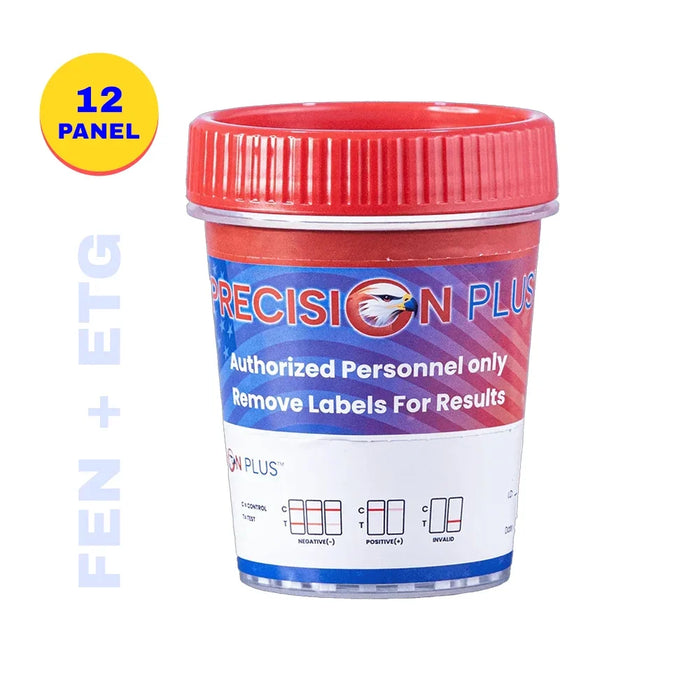
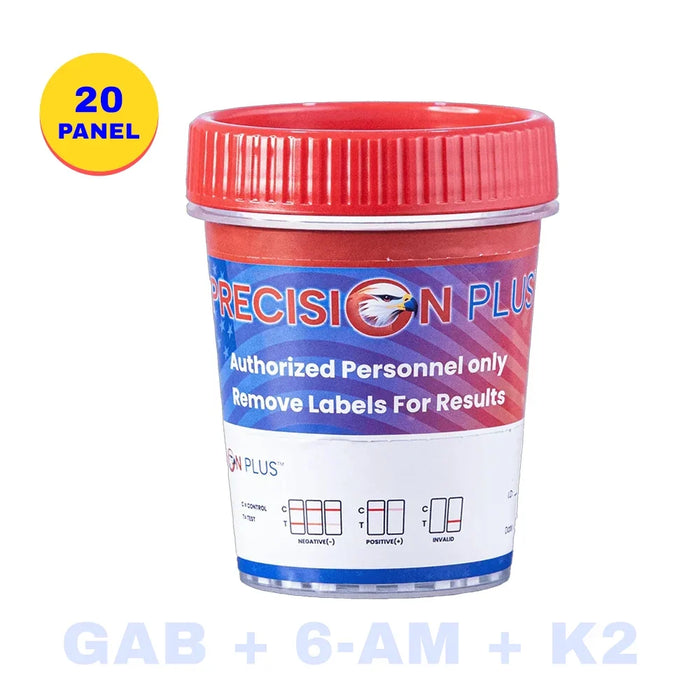
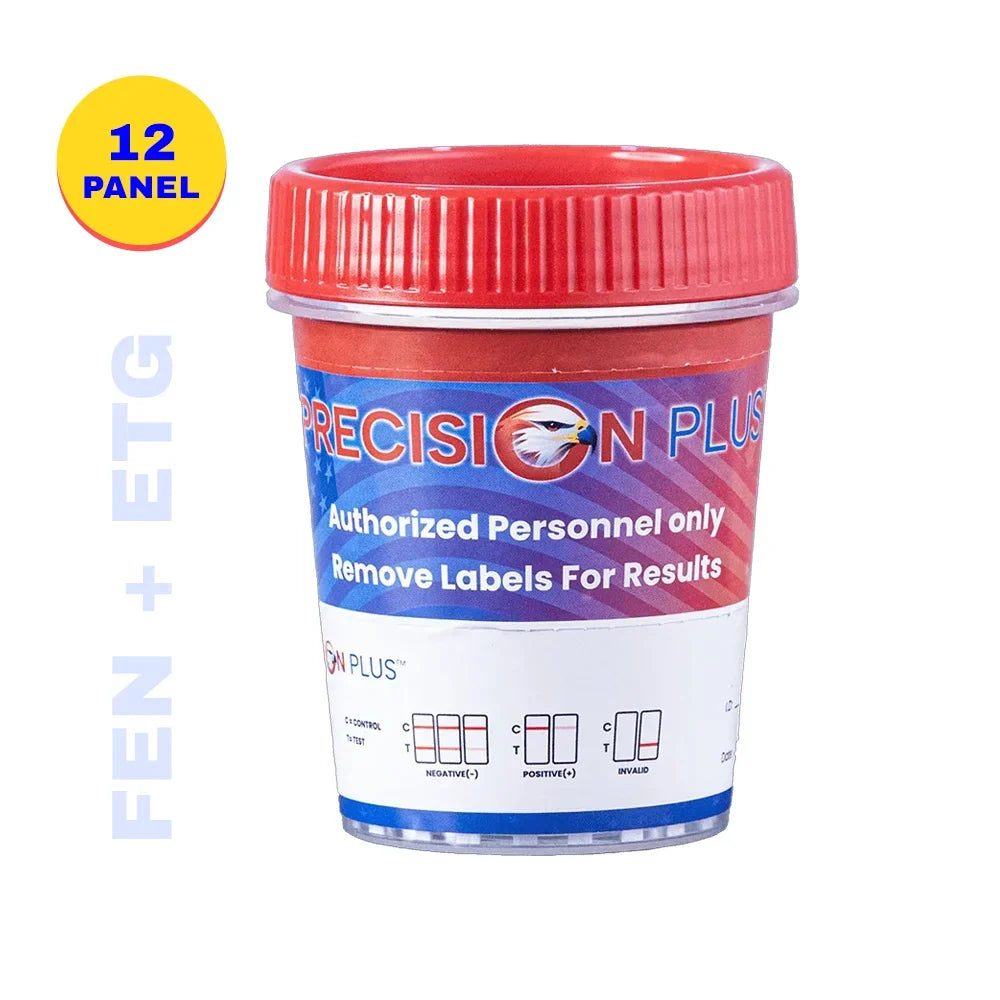
- American Screening Corp is the source for wholesale FDA-cleared, CLIA-waived urine cups and collection supplies that go inside these bags for clinics, treatment centers, probation, staffing firms, and employers.
- A sealed bag documents integrity in transit; it does not change cutoffs, detection windows, or the need for GC/MS or LC-MS/MS confirmation of a preliminary positive.
By the American Screening Corp collection-supplies team, Shreveport, Louisiana. Last updated November 2026.
What does tamper evident bags case quantity mean?
The query is a buy question. A clinic, court, lab, or staffing firm wants the pack count in one wholesale carton and how many cartons to keep on the shelf. Tamper-evident specimen bags are transport bags with an adhesive closure that shows if the bag was opened after the collector sealed it.
Most regulated sites use a dual-pouch bag. One pouch holds the sealed urine cup or split bottles. The second pouch holds the chain-of-custody form (CCF). There is no single federal case size. Pack count depends on bag dimensions, cup volume, and how that SKU is cartoned. Do not assume 50, 100, or 500 bags until the quote states the count.
Who should order bags by the case?
Sites that collect every day should not buy singles. Treatment centers, probation offices, hospital labs, occupational clinics, and construction or staffing employers run enough tests that an empty box stops collections. Collectors who call us ask three things: whether the pouch fits the cup plus a folded CCF, how many bags ship in a case, and how to keep bags aligned with cup replenishment.
Order case lots when you need a tamper-evident adhesive seal, a dual pouch for the CCF, a biohazard legend for urine shipment, and enough width for a 5-panel through 18-panel cup. Pair bag cases with drug test cups so the bench does not mix a new cup size with leftover bags.
What do DOT and SAMHSA require for the bag?
Under the Procedures for Transportation Workplace Drug and Alcohol Testing Programs, 49 CFR Part 40 (eCFR title 49 part 40, as of January 2026), the collector seals specimen bottles with tamper-evident tape, completes the CCF, and places the specimens in a container that protects them in transit. HHS Mandatory Guidelines for Federal Workplace Drug Testing Programs, administered by SAMHSA (SAMHSA Workplace, as of January 2026), require documented chain of custody and specimen integrity from collection through the laboratory.
The bag is one control in that chain. It does not diagnose use. It does not change a cutoff. If an on-site cup is positive, that result is preliminary; confirm by GC/MS or LC-MS/MS laboratory testing.
How do bags fit cups, dip cards, and ng/mL cutoffs?
A bag does not detect drugs. The FDA-cleared, CLIA-waived device inside it does. Initial immunoassay cutoffs in the HHS Mandatory Guidelines (SAMHSA / Federal Register Mandatory Guidelines, as of January 2026) include marijuana metabolites 50 ng/mL, cocaine metabolite 150 ng/mL, amphetamines 500 ng/mL, phencyclidine 25 ng/mL, and codeine/morphine 2,000 ng/mL. Confirmation cutoffs are lower and are performed by GC/MS or LC-MS/MS.
Detection windows vary by drug, dose, frequency, and matrix. Many amphetamine and cocaine metabolites are often detectable in urine for about 1 to 3 days. THC may remain longer in frequent users. Alcohol EtG windows differ from parent ethanol. Do not claim 100% accuracy. If you send a cup or bottle for confirmation after a dip-card screen, bag the specimen, not the card.
| Bag style | Best for | Paperwork | Case-order note |
|---|---|---|---|
| Dual-pouch | DOT, courts, labs, confirmation send-outs | CCF rides in the second pouch | Reorder on the same cycle as cups |
| Single-pouch | Limited non-regulated storage | Form stays outside the bag | Use only if your written protocol allows it |
| Bag inside a collection kit | Sites that want cup and bag together | Follow the kit insert | Count bags per kit, not only the outer carton |
How do you calculate the case quantity to buy?
Use your collection log, not a guess. Then convert units into cases using the pack count on the SKU you are actually buying.
- Count collections per week, including random, pre-employment, reasonable-suspicion, and post-accident tests.
- Add recollections for temperature failures, insufficient volume, and shy-bladder repeats from your own incident log.
- Set an on-hand window of 30, 60, or 90 days based on shelf space and the dating of the cups you store with the bags.
- Divide that unit need by the bags-per-case printed on the quote.
- Align a case of bags with a case of cups so both hit par level together.
- Place the wholesale order with enough lead time. Same-day shipping nationwide is available when stock must be restored.
Checklist before you submit the case order
- Confirm the exact bags per case on the quote, not from memory.
- Measure cup height and the folded CCF against both pouches.
- Require a tamper-evident closure and a dual pouch for regulated work.
- Match bag cases to the cup panel count you run (5- to 18-panel).
- Train collectors to seal the cup or bottles first, then seal the bag.
- Store cartons dry and away from heat that can weaken adhesive.
- Log bag lot numbers with collection records.
- Reorder at par level, not when the last bag is gone.
What should you verify before the case ships?
Ask for bag dimensions, pouch count, case pack, and whether bags ship separately from cups. FDA 510(k) and CLIA-waived claims apply only to devices that hold them; forensic-use-only labeled tests stay labeled as such. Bags are collection supplies, not diagnostic devices. For pack counts, cup matching, and wholesale cases, contact American Screening Corp.
Sources
- 49 CFR Part 40 — Procedures for Transportation Workplace Drug and Alcohol Testing Programs
- SAMHSA Drug-Free Workplace / drug testing programs
- FDA — Drugs of Abuse Tests (in vitro diagnostics)
Frequently asked questions
How many tamper-evident bags are in a case?
Case counts vary by bag size, pouch style, and SKU. There is no single federal pack number. Read the bags-per-case on the quote or carton and match that count to your weekly collections before you order.
Do I need dual-pouch bags for DOT collections?
49 CFR Part 40 requires sealed specimens and a protected shipping container with the CCF. Dual-pouch bags that hold the cup or bottles plus the form are the usual method. Follow your collector instructions and Part 40.
What size bag fits a urine drug test cup?
The bag must enclose the sealed cup or bottles and the folded CCF without stressing the adhesive. Measure your 5- to 18-panel cup before you lock a case quantity. Dual-pouch styles are the safer fit.
Are tamper-evident bags FDA-cleared or CLIA-waived?
No. Bags are transport supplies. FDA-cleared, CLIA-waived status applies to the drug-test device, not the bag. Use bags only as labeled for specimen integrity and shipment.
This page is general information, not medical or legal advice.