Quick answer: Nitrous oxide is not detectable in urine by standard drug tests, and no routine cutoff exists. The gas is exhaled largely unchanged within minutes to hours, so urine screening cannot confirm recent use. Heavy repeated use may be inferred only indirectly, through clinical markers such as low vitamin B12, elevated homocysteine or methylmalonic acid.
- No standard urine cup or dip card panel includes nitrous oxide, so a negative result says nothing about it.
- The body clears the gas mainly through the lungs, leaving no reliable urinary metabolite to screen for.
- Policy, observation and clinical evaluation, not a urine cup, are the practical tools for suspected inhalant misuse.
Does nitrous oxide show up in a urine drug test?
No. Standard urine panels used by clinics, courts and employers do not test for nitrous oxide. Nitrous oxide is a gas that is absorbed through the lungs and eliminated mostly by exhalation, with very little metabolized. Because there is no established metabolite and no regulatory cutoff, a laboratory has nothing standard to report. The National Institute on Drug Abuse describes nitrous oxide among the inhaled substances whose effects are short-lived (NIDA, Inhalants research topic).
Need drug tests for your clinic, program or workplace?
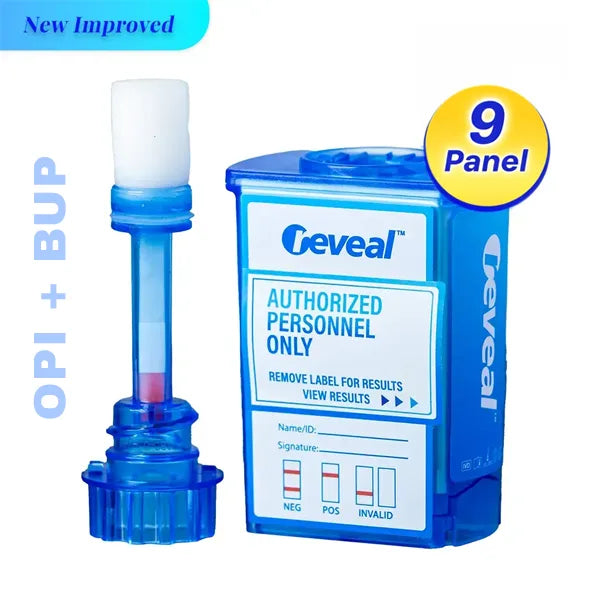
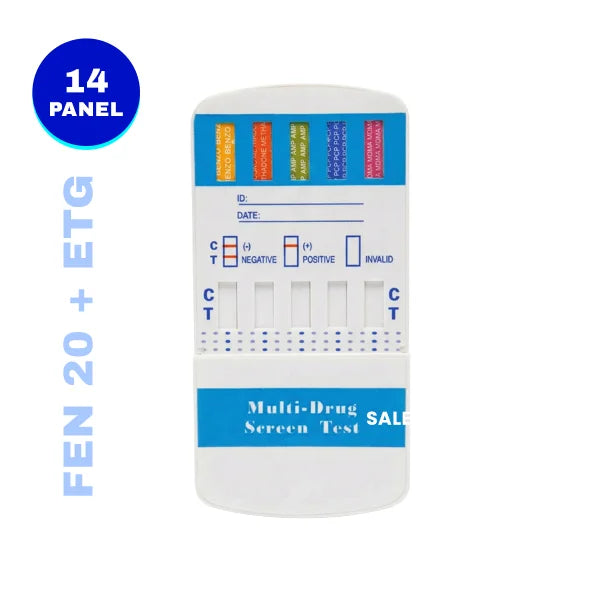
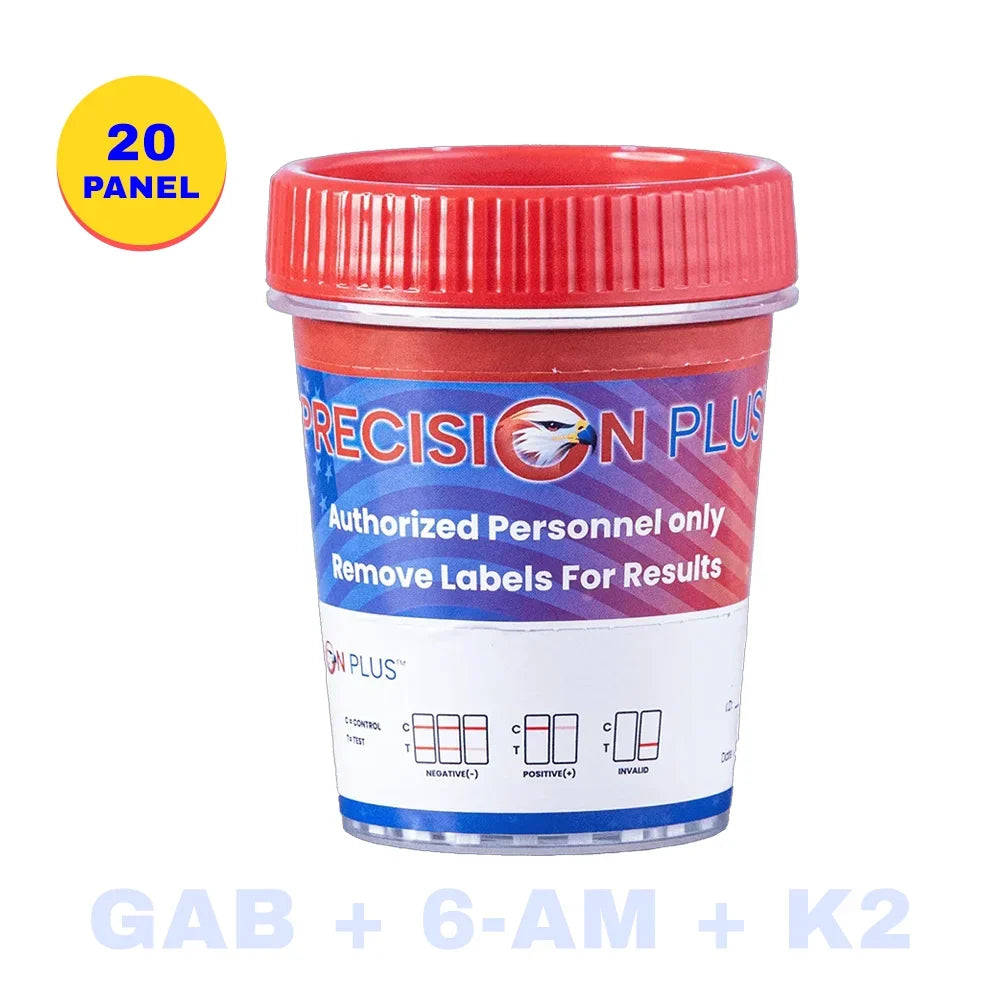
American Screening Corp has supplied FDA-cleared, CLIA-waived tests at wholesale pricing since 2004. Popular options:
Ordering 100+ tests? Request volume pricing.
Why the detection window is so short
The acute effects of inhaled nitrous oxide typically fade within minutes. Occupational guidance from CDC/NIOSH treats nitrous oxide as an exposure measured in air and breath, not as a urine-tested substance (CDC NIOSH, Nitrous Oxide topic page). Research settings have measured it in urine for occupational exposure monitoring, but that is a specialized method, not a collection-site test, and it does not provide a legal or clinical detection window you can rely on.
What standard panels do cover
Federally regulated testing follows the HHS Mandatory Guidelines overseen by SAMHSA, which cover a defined set of drugs with defined cutoffs. For reference, initial immunoassay cutoffs include 50 ng/mL for marijuana metabolite, 150 ng/mL for cocaine metabolite, 25 ng/mL for phencyclidine and 500 ng/mL for amphetamines (SAMHSA, workplace drug testing program pages). Nitrous oxide is not on that list. We are not aware of an FDA-cleared point-of-collection urine test for it; confirm any claim with the manufacturer and your CLIA-certified laboratory.
Reading a result when nitrous oxide is a concern
- Confirm which analytes your panel actually covers.
- Treat a negative as negative only for those analytes.
- Do not record a negative as evidence that nitrous oxide was not used.
- Refer concerns about heavy use to a licensed clinician for evaluation.
Indirect markers clinicians may use
Repeated, heavy nitrous oxide exposure can inactivate vitamin B12, which may raise homocysteine and methylmalonic acid and, in some cases, cause neurological symptoms. These are clinical findings ordered by a physician, usually in blood, and they are not specific to nitrous oxide. They cannot establish when use occurred and should never be used as a workplace or court drug test.
| Approach | Detects nitrous oxide? | Best use |
|---|---|---|
| Standard urine cup or dip card panel | No | Screening for covered drugs such as THC, cocaine, opiates, amphetamines |
| Oral fluid test | No | Recent use of covered drugs |
| Breath or air monitoring | Exposure only, in specialized settings | Occupational exposure assessment |
| Clinical B12, homocysteine, MMA labs | Indirect only | Physician evaluation of suspected heavy use |
What this means for clinics, courts and employers
If your program needs to screen for the drugs that standard panels do cover, a multi-drug urine drug test cup or a drug test dip card is the usual starting point. Neither will flag nitrous oxide. For inhalant concerns, rely on written impairment policies, supervisor documentation, reasonable-suspicion procedures and referral to medical review rather than assuming a clean panel rules it out.
Program checklist
- List the exact analytes and cutoffs on every panel you purchase.
- State in policy that panels do not cover nitrous oxide or most inhalants.
- Train supervisors to document observable impairment factually.
- Use a CLIA-certified lab for confirmation of presumptive positives on covered drugs.
- Route health concerns to a clinician or employee assistance resource.
- Have counsel review any testing policy before adoption.
- Use pre-employment screening, such as background checks from Reveal Background, for records, not substance detection.
Questions about which panels fit your program? Reach the team through the American Screening Corp contact page.
Frequently asked questions
How long does nitrous oxide stay in urine?
There is no established detection window for routine testing. The gas is mostly exhaled within minutes to hours, and standard urine tests do not look for it.
Will a 10-panel urine test detect nitrous oxide?
No. Common 5-, 10- and 12-panel tests cover specific drug classes, and nitrous oxide is not among them.
Can a lab test prove someone used nitrous oxide?
Not reliably. Blood markers such as low B12 or raised homocysteine and methylmalonic acid suggest possible heavy exposure but are not specific and do not show timing.
How should employers handle suspected inhalant use?
Use documented reasonable-suspicion procedures, observable-behavior records and medical referral, with policy reviewed by legal counsel.
Sources
This article is general information, not legal or medical advice.