A certificated flight instructor, generally called a CFI, teaches people to fly under the certificate standards in 14 CFR Part 61. Holding that instructor certificate does not, by itself, place someone in a federally mandated drug testing pool. The FAA antidrug and alcohol testing rule that most people mean when they talk about aviation drug testing is 14 CFR Part 120, and it applies to an air carrier or operator conducting certain certificated operations, not to flight instruction by itself. Whether a specific flight instructor gets tested under a federal program depends entirely on what kind of operation employs that instructor, not on the instructor certificate alone.
This distinction matters for flight schools, independent instructors, and the pilots who hire them, because the testing obligations, the panel used, and who can order a test are different questions depending on which rule applies. This article covers the federal antidrug rule, the medical certificate rule that governs drug use regardless of testing status, and the school or employer policy layer that fills the gap for instructors outside the federal pool.
Who Is Actually in the FAA Part 120 Testing Pool
Part 120 requires an antidrug and alcohol misuse prevention program for people who perform a safety sensitive function for an air carrier or operator certificated under specific parts of the regulations, most commonly scheduled and charter operations under Part 121 and Part 135, along with certain Part 137 agricultural and other specialized operations the rule lists directly. A flight instructor employed only by a Part 141 pilot school or giving instruction under Part 61 as an independent instructor, with no Part 121 or Part 135 certificate involved, is generally not swept into the Part 120 pool by that instructional role alone. The line changes the moment the same person also serves as a required crewmember or safety sensitive employee for an operator that holds a Part 121 or Part 135 certificate, because that operator's drug and alcohol program then covers that person for the duties performed under its certificate.
In practice, this means a flight instructor at a flight academy that exclusively trains private and commercial pilots under Part 61 or Part 141 may never be tested under a federal aviation program, while a flight instructor who also flies charter trips for a Part 135 certificate holder is in that operator's testing pool for the charter duties and subject to random, pre employment, post accident, reasonable cause, and return to duty testing the same as any other covered employee. Schools and instructors should not assume either way without checking which certificate, if any, the employing operation holds. The FAA's overview of airman certification programs explains how certificate types and operating authority connect to specific regulatory requirements, and it is a reasonable starting point for sorting out which rules apply to a given school or operation.
| Instructor situation | Covered by FAA Part 120 testing | Who can require testing |
|---|---|---|
| Independent CFI, Part 61 instruction only | Generally no | No federal mandate, school or client may still set a policy |
| CFI employed by a Part 141 pilot school, no air carrier certificate | Generally no | School sets its own policy, DOT program does not apply |
| CFI who also flies for a Part 135 charter certificate holder | Yes, for the Part 135 safety sensitive duties | The certificate holder's DOT antidrug and alcohol program |
| CFI employed by a Part 121 airline in a dual instructor and line pilot role | Yes, for the Part 121 duties | The airline's DOT antidrug and alcohol program |
When a program does apply, testing follows the same structure used across DOT regulated transportation: urine collection under a chain of custody, screening against the standard five drug panel, confirmation of any non negative screen, and review by a medical review officer before any result is reported to the employer. Schools and operators building a compliant program typically use a DOT pre employment drug screen kit for pre employment collections and keep 5 panel drug test supplies on hand for the random and post accident draws the program requires, since the federal panel is fixed and smaller than many non DOT workplace panels.
Medical Certificate Rules Apply Regardless of Testing Status
Separate from any testing program, every instructor who also exercises pilot privileges while instructing holds an airman medical certificate issued under 14 CFR Part 67, and that certificate carries its own drug related restrictions that apply whether or not the instructor is ever tested. Part 61 separately prohibits acting as pilot in command or in any other capacity as a required crewmember while under the influence of alcohol or while using any drug that affects the person's faculties in a way contrary to safety. These rules are self reporting and self enforcing in the sense that the pilot and instructor are responsible for grounding themselves, and a medical certificate can be denied, suspended, or revoked based on drug use history or a condition disclosed, or later discovered, in the FAA's airman medical certification process.
This structure is why aviation drug and alcohol policy has two separate tracks worth keeping straight. One track is the DOT style testing program under Part 120, which follows the specimen collection and laboratory procedures set out in 49 CFR Part 40 and only covers certain operators and their safety sensitive employees. The other track is the medical certificate and conduct rule under Parts 61 and 67, which applies to every certificated pilot and instructor regardless of whether a testing program ever touches them, and which can end a career over a single documented violation even without a positive test. An instructor who is never in a testing pool is not exempt from the underlying prohibition on flying or instructing while impaired, and is not exempt from the medical certificate disclosure requirements tied to substance use or treatment history.
Where School and Employer Policy Fills the Gap
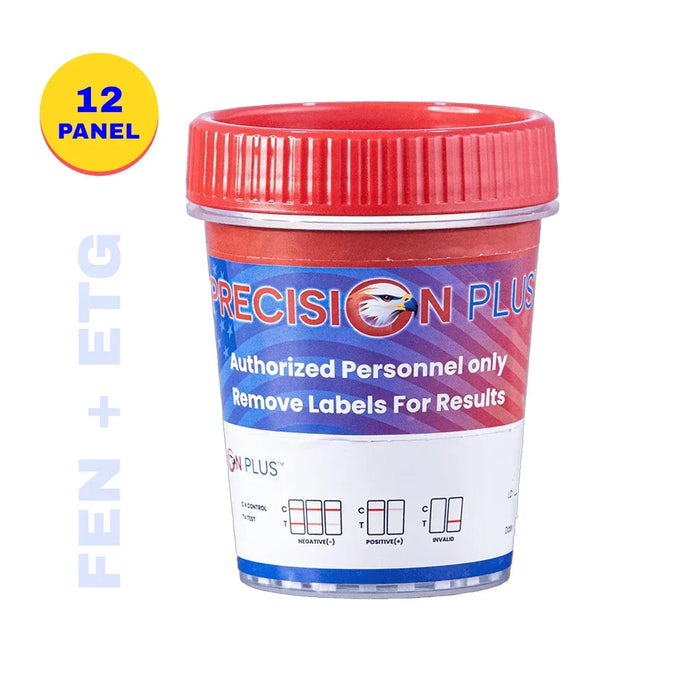
Because a large share of flight instructors fall outside the federal Part 120 pool, flight schools, academies, and aviation employers commonly adopt their own drug and alcohol testing policy as a condition of employment or enrollment as an instructor, independent of any DOT requirement. These employer level policies are not governed by Part 120 and do not have to follow the DOT panel or DOT collection procedures, which gives a school flexibility to choose a panel that fits its risk profile, such as adding synthetic cannabinoids or a broader opioid panel beyond the federal five drug list. A school building this kind of program typically uses a drug test cup for pre employment and random screening of instructional staff, and some add an oral fluid drug test option for quicker turnaround on reasonable suspicion or post incident situations where a supervisor needs an on site result before deciding whether to pull an instructor from the schedule.
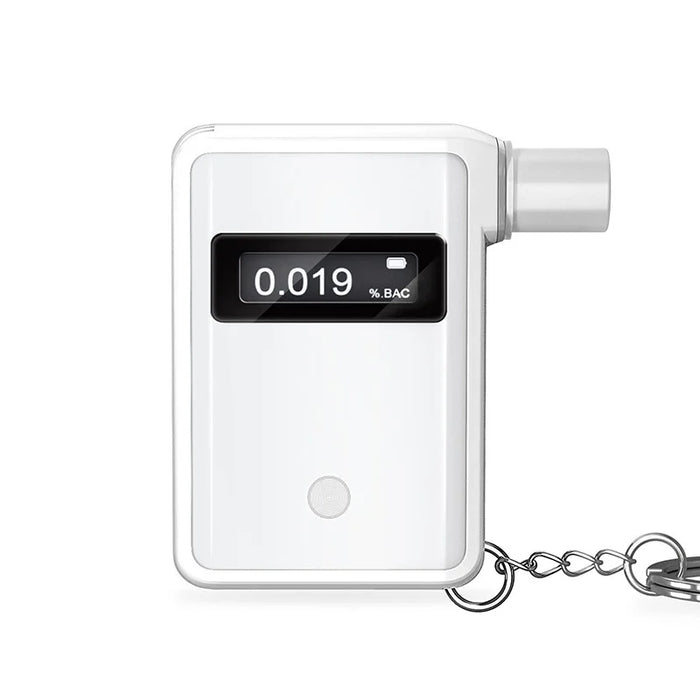
Post accident and reasonable suspicion testing deserve particular attention at flight schools, since an instructor is typically in the aircraft during training flights and shares responsibility for the outcome of any incident. A school without a federal mandate can still build post accident and reasonable suspicion testing into its own policy, and many insurers expect it as a baseline safety practice even where no regulation forces it. A breathalyzer is a common addition to a school's own post incident protocol for alcohol, run alongside a urine or oral fluid panel for other substances, since the federal alcohol testing rule under Part 120 only binds operators actually covered by that program.
Employers and schools that write their own policy should still follow the same procedural discipline a DOT program requires, even though it is not mandatory outside Part 120: a written policy given to every instructor, a defined chain of custody, confirmation testing of any non negative screen, and a review step before any adverse action. That discipline protects both the instructor from an unconfirmed result and the school from a disputed decision. A 12 panel drug test is a common choice for schools that want broader coverage than the federal five panel without needing a full laboratory contract for every screen, with any non negative result still sent for laboratory confirmation before action is taken.
How This Differs From Other Aviation Roles
Flight instruction sits in an unusual spot compared with other aviation jobs that are more clearly inside or outside the federal testing structure. An airline pilot flying for a Part 121 carrier is squarely inside Part 120, as described in our article on airline pilot drug testing requirements, because scheduled air carrier operations are one of the operations the rule specifically covers. A flight instructor giving dual instruction in a small training aircraft under Part 61, with no air carrier certificate anywhere in the arrangement, sits outside that same rule. The difference is the certificate and operating authority under which the flight occurs, not the nature of flying itself or the skill level required. Our broader overview of FAA drug and alcohol testing requirements covers how the antidrug rule is structured across the operations it does reach, which is useful background for any school trying to figure out whether a given instructor role falls inside or outside that structure.
State law adds another layer that varies by state and does not have a single federal answer. Some states restrict how and when a private employer can test an employee, require specific notice or policy language, or limit the consequences an employer can impose based on a positive result for a legal substance under state law. Flight schools operating across state lines, or instructing students who travel from other states, should treat any employer level policy as subject to the laws of the state where the instructor actually works, and confirm specifics with counsel rather than assuming one state's rule applies everywhere.
Confirmation and the Medical Review Officer Process
Whether a school is running its own policy or an operator is running a federally mandated Part 120 program, the result that matters is the confirmed result, not the initial screen. An initial immunoassay screen is a fast, inexpensive first pass that can produce a non negative result for reasons that are not drug use, including cross reacting substances or a prescribed medication. Any non negative initial screen should go to a certified laboratory for confirmation, and under the DOT structure that confirmed result is reviewed by a medical review officer, a licensed physician who evaluates the laboratory result against any legitimate medical explanation the donor provides, including prescription documentation. A medical review officer does not provide a diagnosis or treatment recommendation; the role is limited to interpreting the laboratory result. Instructors who take a prescribed medication that could affect a result should keep current prescription documentation available in case a review is needed.
Frequently asked questions
Does every flight instructor get drug tested under FAA rules?
No. Holding a flight instructor certificate under Part 61 does not by itself place someone in the FAA Part 120 testing pool. Testing under that rule depends on whether the instructor also performs safety sensitive duties for an operator certificated under Part 121, Part 135, or another operation the rule specifically covers.
What testing rule applies to a flight instructor who only teaches under Part 61 or Part 141?
Generally none at the federal level, since Part 120 does not reach instruction performed outside a covered air carrier or operator certificate. Any testing in that situation comes from the flight school's own employment policy, not a federal mandate.
Can a flight school still require drug testing even if the FAA does not mandate it?
A flight school may be able to require drug testing as a condition of employment under its own written policy, subject to applicable state law, even where no federal rule forces it. State requirements for notice, policy content, and permissible consequences vary and should be confirmed with counsel.
Does a flight instructor's medical certificate get affected by drug use even without a positive test?
Yes. The medical certificate rules under Part 67, along with the conduct prohibition in Part 61 against instructing or flying while impaired, apply regardless of whether any testing program ever tests that instructor. Drug use history or a disclosed condition can affect medical certification independent of any test result.
What drug panel does a federally covered flight instructor get tested on?
An instructor covered by Part 120 through a Part 121 or Part 135 role is tested on the standard DOT five drug panel used across federally regulated transportation and aviation testing, with any non negative screen sent for laboratory confirmation and medical review officer review.
Who orders a post accident drug test for a flight instructor?
For an instructor covered by Part 120, the certificate holder's antidrug and alcohol program orders post accident testing under the program's written procedures. For an instructor outside that federal pool, post accident testing depends entirely on whether the school's own policy includes it.
This article is general information about aviation drug testing rules and does not constitute legal or medical advice. Flight schools and instructors should confirm current requirements with the FAA and with qualified counsel for their specific operation and state.