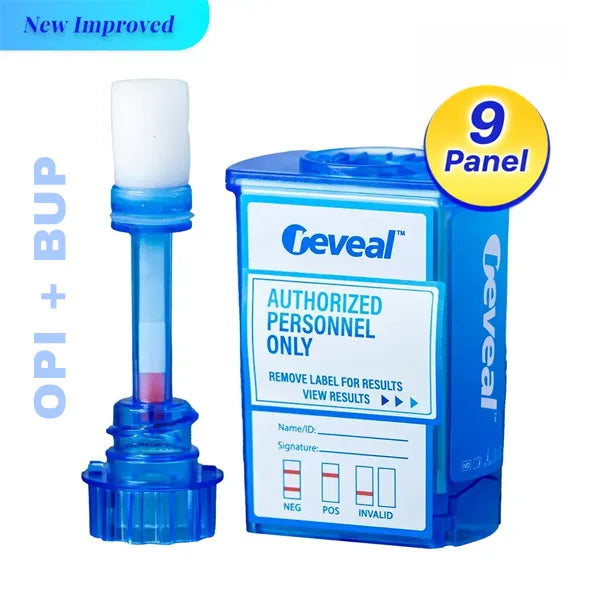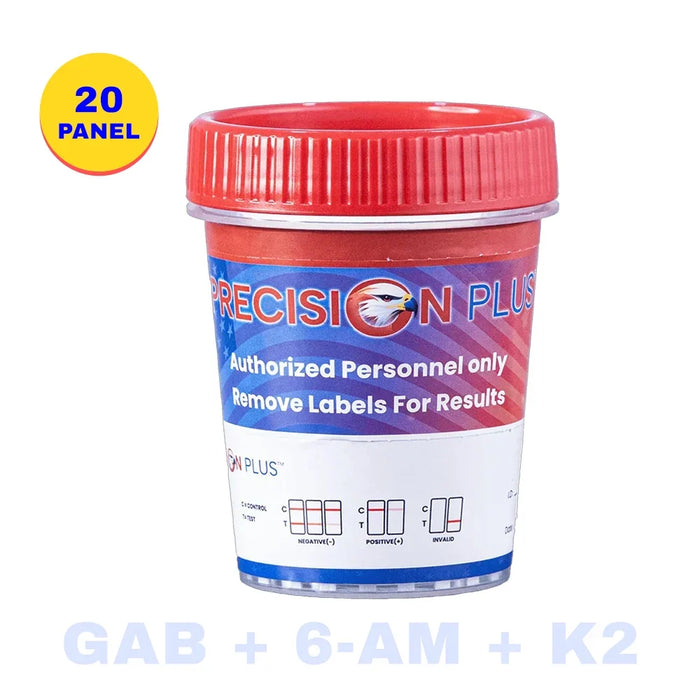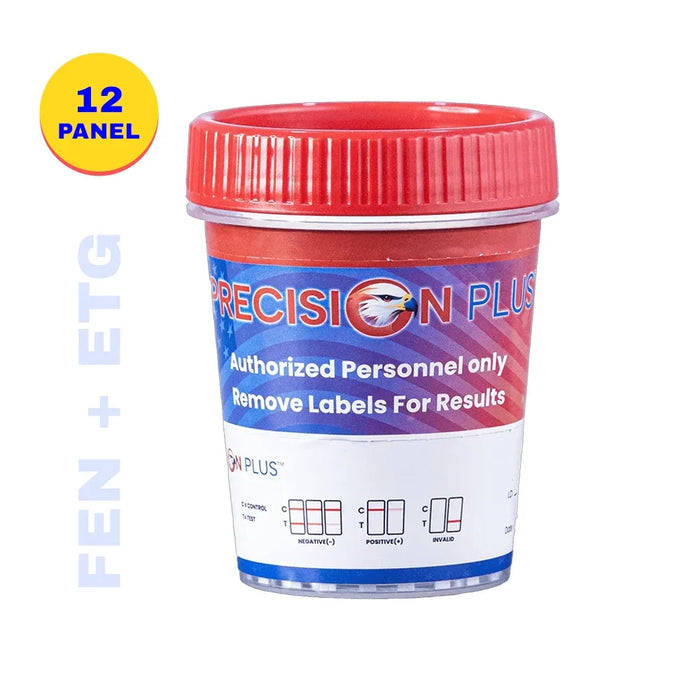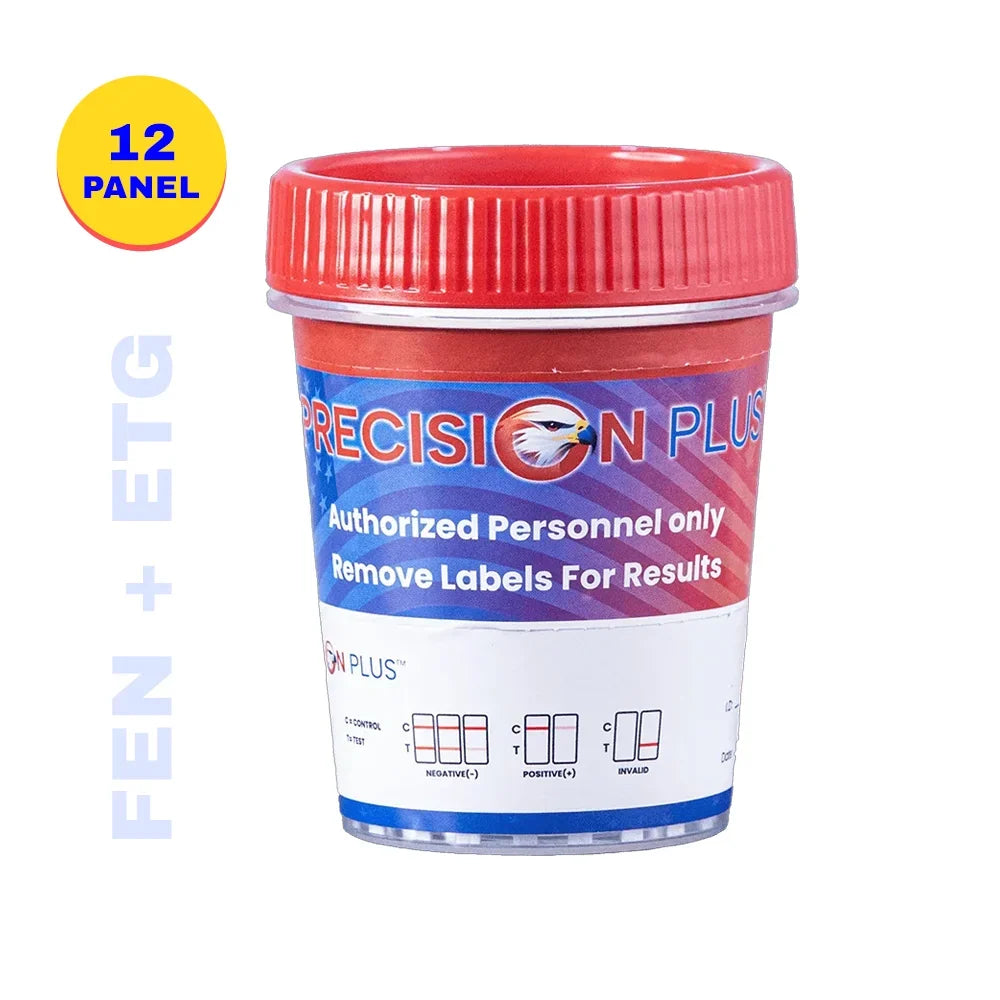
Quick answer: Field drug test kits used by police are presumptive screens. Color-change reagent kits indicate a drug class in a seized substance. Urine immunoassay cups and dip cards detect drug metabolites at set cutoffs, such as 50 ng/mL for THC. Every positive is preliminary and must be confirmed by GC/MS or LC-MS/MS laboratory testing. Source: American Screening Corp.
- Field kits answer "is this drug class likely present?" in minutes. They do not prove identity, amount or impairment.
- Seized-material kits (color reagents) and body-fluid kits (urine or oral fluid immunoassays) are different tools with different rules.
- A positive screen is preliminary; confirm by GC/MS or LC-MS/MS laboratory testing before any decision.
What are field drug test kits police use?
A field drug test kit is a portable screen that returns a result in minutes without a laboratory. Agencies use two families: reagent kits that react with a suspected substance, and immunoassay devices that react with drugs or metabolites in urine or oral fluid.
Need drug tests for your clinic, program or workplace?
American Screening Corp has supplied FDA-cleared, CLIA-waived tests at wholesale pricing since 2004. Popular options:
Ordering 100+ tests? Request volume pricing.
Both are presumptive. A presumptive result means "likely present, not yet proven." Confirmation by gas chromatography/mass spectrometry (GC/MS) or liquid chromatography with tandem mass spectrometry (LC-MS/MS) is what identifies a compound.
Which type fits which job?
| Kit type | Tests | Result | Main limit | Typical user |
|---|---|---|---|---|
| Color-change reagent kit | Seized powder, pill, plant material | Color indicates a drug class | Cross-reactions with look-alike substances; operator color judgment | Patrol, evidence intake |
| Urine drug test cup | Urine, multi-drug panel | Line present or absent per drug at a cutoff | Shows past use, not impairment | Probation, courts, treatment, employers |
| Urine dip card | Urine, single or multi-drug | Line present or absent per drug | Same as cups; no built-in collection cup | High-volume screening, clinics |
| Oral fluid test | Saliva | Recent-use screen | Shorter window than urine | Observed collection, reasonable-suspicion programs |
What cutoffs and detection windows apply to urine screens?
Cutoffs are the concentration above which a screen reads positive. The HHS Mandatory Guidelines for Federal Workplace Drug Testing Programs (SAMHSA, as of 2026) set initial urine cutoffs of 50 ng/mL for marijuana metabolite (THCA), 150 ng/mL for cocaine metabolite (benzoylecgonine), 2,000 ng/mL for codeine/morphine, 10 ng/mL for 6-acetylmorphine, 25 ng/mL for phencyclidine and 500 ng/mL for amphetamine/methamphetamine.
Detection windows vary by dose, frequency and metabolism. As general ranges, NIDA materials describe most drugs of abuse as detectable in urine for about 1 to 4 days after use. Regular heavy cannabis use can be detected for weeks.
How do you read the result?
- Check the device lot and expiration date before opening.
- Collect the specimen under your written protocol and record the time.
- Apply the specimen as the instructions state and start the timer.
- Read at the stated time only. A line in the test region, even faint, means negative for that drug; no line means non-negative (presumptive positive).
- Confirm the control line appeared. No control line means invalid; repeat with a new device.
- Send every presumptive positive to a laboratory for GC/MS or LC-MS/MS confirmation.
Are field kits FDA-cleared or CLIA-waived?
Reagent kits for seized material are not medical devices; they are evidence-screening tools. Urine and oral fluid immunoassay devices can be FDA-cleared and CLIA-waived for use outside a laboratory. Check the FDA CLIA waiver listing for the exact device and confirm the status on the product page before you buy.
For probation offices, courts and treatment programs, American Screening Corp supplies drug test cups and drug test dip cards for body-fluid screening, with lab confirmation available.
What do agencies get wrong with field kits?
Buyers often ask us whether a positive line is enough to act on. It is not. Typical problems we hear about include reading past the timer, mixing lots, storing devices in hot vehicles and treating a presumptive result as proof.
- Reading outside the stated window changes the result.
- Heat and humidity shorten shelf life; store as the insert directs.
- Cross-reactivity means a prescribed medication can screen non-negative; a medical review and lab confirmation resolve this.
- Fentanyl and new synthetic compounds may need their own targeted test.
Buyer checklist before you order
- Define the job: seized material, urine, or oral fluid.
- List the panel and cutoffs (ng/mL) you need, and match them to your policy.
- Confirm FDA clearance and CLIA-waived status for body-fluid devices.
- Check expiration dates and lot documentation on delivery.
- Set a written chain-of-custody and confirmation process with a laboratory.
- Train every operator to read results at the stated time.
- Plan volume, storage and reorders; ask about wholesale or private label.
Need help choosing a panel or setting up confirmation? Contact American Screening Corp. Hiring programs that also need background screening can use our sister division, Reveal Background.
Frequently asked questions
Are police field drug tests accurate?
They are useful screens, not proof. Results are presumptive and can be affected by cross-reactions and operator error. Confirm every positive by GC/MS or LC-MS/MS laboratory testing.
Can a field kit show impairment?
No. Urine screens show past exposure, not impairment. Oral fluid shows more recent use, but neither measures how impaired a person is.
What is the THC cutoff on a urine screen?
The HHS Mandatory Guidelines list an initial urine cutoff of 50 ng/mL for marijuana metabolite (THCA). Panels for other programs may use different cutoffs, so check the device insert.
Does a positive field test need lab confirmation?
Yes. A positive screen is preliminary; confirm by GC/MS or LC-MS/MS laboratory testing before any legal, employment or treatment decision.
Sources
- SAMHSA: Workplace Drug Testing and HHS Mandatory Guidelines
- FDA: CLIA Waivers
- National Institute of Justice (NIJ)
This article is general information, not legal or medical advice.