
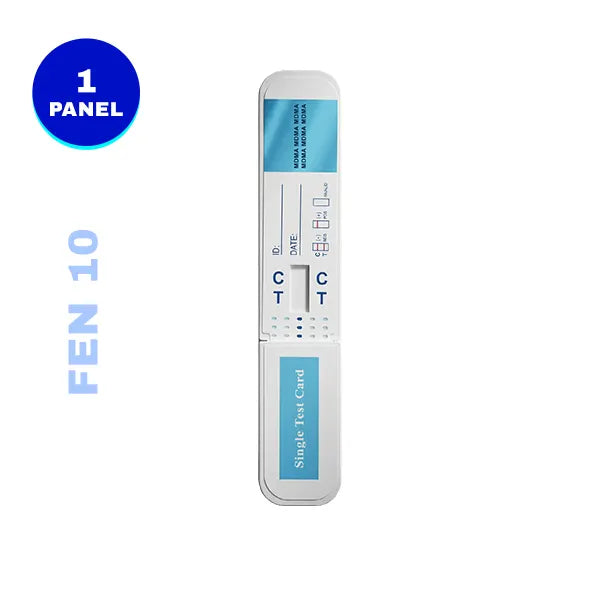
Quick answer: Fentanyl drug test cups are urine screens that detect norfentanyl, the main fentanyl metabolite, typically at a 1 ng/mL cutoff, with a detection window of about one to three days. Treatment centers and collectors should buy FDA-cleared, CLIA-waived cups and treat every positive as preliminary; confirm by GC/MS or LC-MS/MS laboratory testing. Source: American Screening Corp.
- Fentanyl is not detected by standard 5- to 12-panel cups unless fentanyl is a listed analyte, so check the panel on the package.
- Always read the cutoff (ng/mL), clearance status and lot expiry on the package insert before buying in bulk.
- A positive screen is preliminary; send the specimen for GC/MS or LC-MS/MS confirmation before any clinical or legal action.
What does a fentanyl test cup detect?
A fentanyl test cup is a single-use urine device with an immunoassay strip built into the cup. It reacts to norfentanyl, and in some designs fentanyl itself, in a urine specimen. The result shows as a control line plus a test line, read visually.
Need drug tests for your clinic, program or workplace?
American Screening Corp has supplied FDA-cleared, CLIA-waived tests at wholesale pricing since 2004. Popular options:
Ordering 100+ tests? Request volume pricing.
Cutoff levels vary by manufacturer. A 1 ng/mL cutoff is common for fentanyl urine screens, but the package insert for your exact product is the authority. Do not assume cutoffs are the same across lots or brands.
Fentanyl analogs may not be detected equally. The NIDA page on fentanyl describes it as a synthetic opioid, and the CDC notes it is a major driver of overdose deaths. That is why treatment programs add it as a separate analyte rather than relying on a standard opioid (morphine) line.
How long can fentanyl be detected in urine?
Norfentanyl is generally detectable in urine for about one to three days after use. Longer windows are possible with heavy or chronic use, because fentanyl is stored in fat tissue and released slowly. Individual results depend on dose, frequency, metabolism and hydration.
For collectors, this means a negative cup does not prove abstinence. It shows no detectable norfentanyl above the cutoff at the time of collection. Testing schedules, not single tests, give the program a reliable picture.
Which cup should a treatment center or collector buy?
Choose by use case. Intake and random screening need speed and a clear read. Court-ordered or probation work needs documented chain-of-custody steps and lab confirmation. Look at our full range of drug test cups and compare panels, cutoffs and clearance status on each product page.
| Testing job | What to look for | Next step on a positive |
|---|---|---|
| Admission / intake screening | Fentanyl plus opioid panels, temperature strip, visible result window | Document as preliminary; send for laboratory confirmation if the result affects care decisions |
| Ongoing monitoring in treatment | Consistent lot, cutoff stated in ng/mL, adulterant checks if available | Clinician review; confirm by GC/MS or LC-MS/MS |
| Probation, courts, diversion | Tamper-evident seal, chain-of-custody form, split specimen option | Mandatory laboratory confirmation before action |
| Distributors and labs reselling | Verified FDA clearance and CLIA-waived status per product, private-label options | Provide customers with the insert and confirmation guidance |
How do you read a fentanyl cup result?
- Check the cup expiry date and that the seal is intact.
- Confirm identity and record the collection date and time.
- Collect the specimen in the cup and verify the temperature strip reading within the range printed in the insert.
- Cap the cup and wait for the read time stated on the insert, typically a few minutes. Do not read after the stated window.
- A control line must appear for the test to be valid. One line only in the fentanyl region (control present) is generally negative; no line in the test region is generally presumptive positive, per the insert.
- Record the result, then handle any positive as preliminary and arrange confirmation.
What do FDA and CLIA status mean for buyers?
The FDA regulates drugs-of-abuse screening tests as in vitro diagnostic devices; see the FDA page on drugs of abuse tests. A CLIA-waived test is categorized as simple enough to carry a low risk of erroneous results, so it can be used in waived-certificate sites. Verify clearance for each specific product, because status is by device, not by category.
Workplace programs under DOT 49 CFR Part 40 follow a separate regulated process using laboratory testing, and point-of-care cups are not a substitute for it. Ask your compliance officer which rules apply to your program.
Purchasing checklist for fentanyl cups
- Panel includes fentanyl (norfentanyl) and the cutoff is stated in ng/mL.
- FDA clearance and CLIA-waived status confirmed on the insert for that product.
- Expiry at least several months out at delivery; lot numbers recorded.
- Temperature strip and tamper-evident features present.
- Chain-of-custody forms and a laboratory confirmation route in place.
- Staff trained on reading results and storing cups per the insert.
- Written policy that every positive is preliminary until confirmed.
Why confirmation matters
Immunoassay cups are screens. They can give presumptive positives from cross-reactivity or specimen issues, and they can miss analytes below the cutoff. GC/MS or LC-MS/MS identifies the specific compound and measures concentration, which is why SAMHSA's workplace drug testing guidance relies on laboratory confirmation for regulated programs.
No test is 100% accurate. Programs that document the screen, the confirmation request and the final laboratory result protect both the client and the organization.
Buying at volume
Treatment networks, courts and distributors usually buy by the case and may want private-label packaging. American Screening Corp ships from Shreveport, Louisiana, with same-day shipping nationwide on in-stock orders. To discuss quantities, lab confirmation or labeling, contact our wholesale team.
Frequently asked questions
What do fentanyl test cups detect?
They detect norfentanyl, the main fentanyl metabolite, in urine, typically at a 1 ng/mL cutoff. Confirm the cutoff on the product insert. Positives are preliminary; confirm by GC/MS or LC-MS/MS.
How long does fentanyl stay detectable in urine?
Generally about one to three days after use, and longer with heavy or chronic use. Results vary with dose, metabolism and hydration.
Are fentanyl cups FDA-cleared and CLIA-waived?
Status is by product. Check the insert and product page for FDA clearance and CLIA-waived categorization before purchase.
Is a positive fentanyl cup result final?
No. It is preliminary. Send the specimen for GC/MS or LC-MS/MS laboratory confirmation before any clinical, employment or legal decision.
Sources
This article is general information, not legal or medical advice.


