What Is an EtG Test?
An EtG test is a urine screen that looks for ethyl glucuronide, a metabolite the body produces after drinking alcohol. Clinics, courts, treatment programs, and employers use the EtG urine test to document recent alcohol use over a longer window than breath or saliva, not to prove current impairment or report a blood alcohol concentration.
Ethyl glucuronide forms when the liver processes ethanol and is excreted in urine after alcohol has left the bloodstream. That lag is why abstinence programs add EtG: a breathalyzer answers whether someone is intoxicated now, while EtG answers whether they used alcohol in the recent past. Write those two questions into separate procedures so collectors and reviewing officials do not mix results.
American Screening Corp (ASC) in Shreveport, Louisiana supplies wholesale urine cups, dip cards, oral fluid tests, breathalyzers, DOT-compliant collection kits, and lab-confirmation support to clinics, hospitals, addiction-treatment centers, courts and probation, labs, staffing firms, and employers. Treat EtG as a urine immunoassay screen and confirm non-negatives at a laboratory.
What Is EtG on a Drug Test?
EtG on a drug test is an alcohol-use analyte, not an illicit-drug finding. It often appears on the same cup or laboratory report as AMP, BZO, COC, OPI, THC, and other classes so one collection can support a drug panel plus an alcohol-recent-use check. A result at or above the cutoff means ethyl glucuronide was present in that specimen; it does not show amount consumed, time of last drink, or impairment at the time of collection.
Low-level positives can follow incidental exposure to alcohol in some sanitizers or mouthwashes, especially at 100 ng/mL cutoffs. Many programs use 300 ng/mL or 500 ng/mL, require LC-MS/MS confirmation (often with ethyl sulfate, EtS), and define incidental-exposure rules in the donor policy. Train staff to treat a screen as a flag for confirmation and review, not as a final employment or court decision.
How the EtG urine test works
Collect urine under chain of custody, check temperature and specimen validity, and read the immunoassay cup or dip card. Non-negative screens should go to a laboratory. Cutoff choice is a program decision made with your confirmatory lab; higher cutoffs reduce incidental positives and shorten the practical detection window.
How long an EtG urine test can detect alcohol
Heavy drinking may remain detectable up to about 80 hours; lighter use often drops below common cutoffs in 24 to 48 hours. Hydration, kidney function, dose, and cutoff change that range. Do not guarantee an 80-hour window for every donor or use EtG to reconstruct a drinking timeline.
Order drug test cups and kits online at https://www.americanscreeningcorp.com/collections/drug-testing-cups, or call 1-866-526-2873 for bulk and wholesale pricing.
EtG vs. Breath Alcohol and Standard Drug Panels
Match the method to the decision. Use EtG when the question is recent drinking between appointments. Use breath alcohol when the question is intoxication now or when you must follow DOT alcohol rules. Use a standard urine drug panel for designated drugs; it will not detect alcohol unless EtG or another alcohol method is on the device or the lab order.
| Method | Specimen | What it shows | Typical use | Do not use for |
|---|---|---|---|---|
| EtG urine test | Urine | Recent alcohol use (metabolite) | Abstinence monitoring for treatment, court, and non-DOT policy | Current impairment; DOT alcohol testing |
| Breath alcohol | Breath | Alcohol in the body now | Impairment checks and DOT alcohol testing | Multi-day abstinence verification |
| Standard urine drug panel | Urine | Selected drugs; alcohol only if EtG is added | Pre-employment and reasonable-suspicion drug screens | Alcohol use unless an alcohol method is included |
Do not substitute EtG urine for DOT alcohol testing. The U.S. Department of Transportation requires specified breath and saliva devices under 49 CFR Part 40. If your organization runs DOT and non-DOT work, keep kits, custody forms, and result files separate.
How to Put EtG Testing Into a Clinic, Court, or Employer Program
Lock policy and confirmation before you lock a SKU. Use this operational checklist for a monitoring or workplace program.
- State the business question in writing: abstinence, current impairment, or illicit drugs.
- Record that EtG is a non-DOT alcohol method unless you also run a separate DOT alcohol program with approved devices.
- Select a cutoff with your confirmatory laboratory (commonly 100, 300, or 500 ng/mL).
- Require immunoassay screening plus laboratory confirmation before any employment, treatment, or court action.
- Use chain of custody, specimen-validity checks, and documented collector training.
- Put incidental-exposure, mouthwash, and sanitizer rules in the donor acknowledgment.
- Separate DOT and non-DOT forms, kits, and result files.
- Name who reviews results (MRO, clinician, or designated employer representative).
- Audit lot numbers, expiration dates, and storage conditions for cups and dip cards.
- Define recollection, shy-bladder, and refusal procedures before go-live.
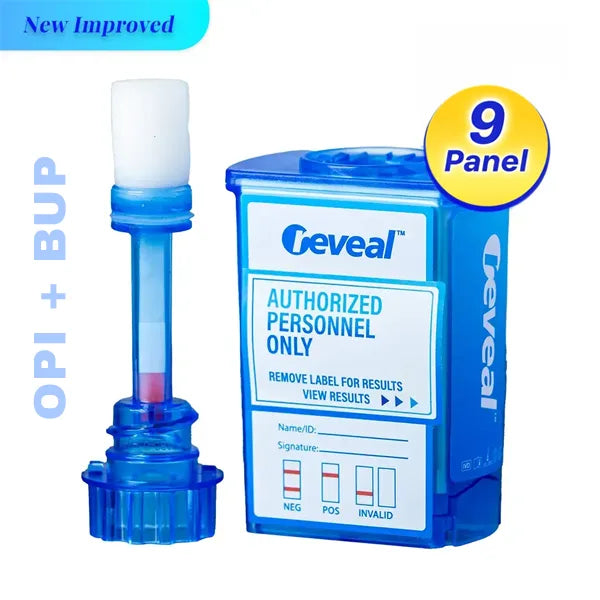
High-volume sites often collect with integrated urine drug testing cups. Offices that pour from a standard cup may use urine drug test dip cards. Confirm with your laboratory which EtG cutoffs they will confirm before you standardize inventory. Pair collection supplies with collector training, lot and expiration control, and a defined review path. Sister division Reveal Background runs employment background checks when staffing firms and employers need testing plus criminal history in one hiring workflow.
Sources
- SAMHSA Drug-Free Workplace Program
- NIAAA Alcohol's Effects on Health
- DOT Office of Drug and Alcohol Policy and Compliance
FAQ
What is an EtG test?
An EtG test is a urine test for ethyl glucuronide, a metabolite of alcohol. Programs use it to document recent drinking over a longer period than breath testing, not to measure current impairment.
What is EtG on a drug test?
EtG on a drug test is an alcohol-abstinence marker listed as its own analyte. A result at or above the cutoff means ethyl glucuronide was detected; it is not a finding for an illicit drug and it does not report blood alcohol concentration.
How long can an EtG urine test detect alcohol?
Detection depends on how much was consumed, urine concentration, and cutoff. Heavy use may be detectable up to about 80 hours; lighter use often falls below common cutoffs within 24 to 48 hours. Confirm non-negative screens at a laboratory.
Is an EtG urine test the same as a DOT alcohol test?
No. DOT alcohol testing uses approved breath and saliva methods under 49 CFR Part 40. EtG urine testing is a non-DOT monitoring tool for recent alcohol use in treatment, court, and employer abstinence programs.
This is general information, not legal or medical advice.
Order drug test cups and kits online at https://www.americanscreeningcorp.com/collections/drug-testing-cups, or call 1-866-526-2873 for bulk and wholesale pricing.