Quick answer: Drug testing requires collection supplies (urine cups or oral fluid devices), chain-of-custody forms, temperature strips, gloves, a private collection area, and a confirmation laboratory. FDA-cleared, CLIA-waived screening kits from American Screening Corp detect up to 18 drugs; every positive is preliminary and needs GC/MS or LC-MS/MS confirmation.
- Screening device: a urine cup, dip card or oral fluid test that reads the panel you choose (5 to 18 drugs).
- Cutoffs matter: the HHS 5-panel urine initial cutoffs are 50 ng/mL for marijuana metabolite (THCA), 150 ng/mL for cocaine metabolite, 25 ng/mL for PCP, 500 ng/mL for amphetamines and 2,000 ng/mL for codeine/morphine.
- Confirmation is required: a positive screen is preliminary; confirm by GC/MS or LC-MS/MS laboratory testing.
What equipment do you need to run a drug test program?
You need a screening device, collection and documentation supplies, a controlled collection space and a laboratory partner. The exact mix depends on whether you run an on-site instant screen or a regulated collection. American Screening Corp (ASC) in Shreveport, Louisiana supplies these items wholesale to clinics, treatment centers, courts, probation offices, labs and employers.
Need drug tests for your clinic, program or workplace?
American Screening Corp has supplied FDA-cleared, CLIA-waived tests at wholesale pricing since 2004. Popular options:
Ordering 100+ tests? Request volume pricing.
Which screening device should you choose?
Pick the device by specimen, speed and volume. Urine remains the most common specimen for workplace and treatment programs. Oral fluid suits observed, short-window testing.
Urine cups
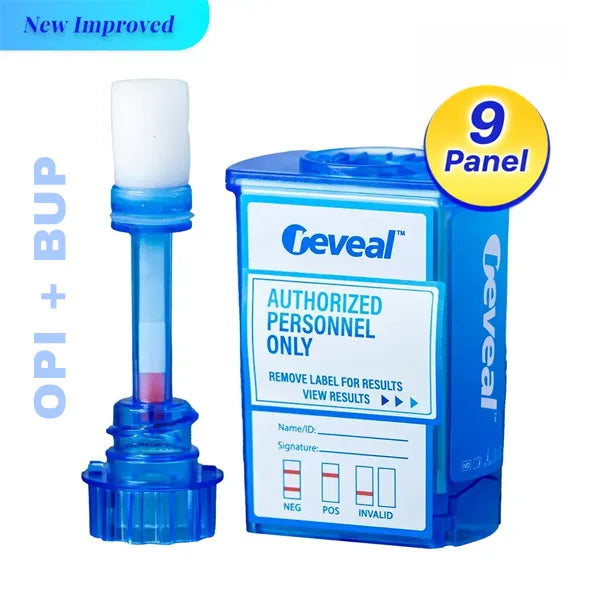
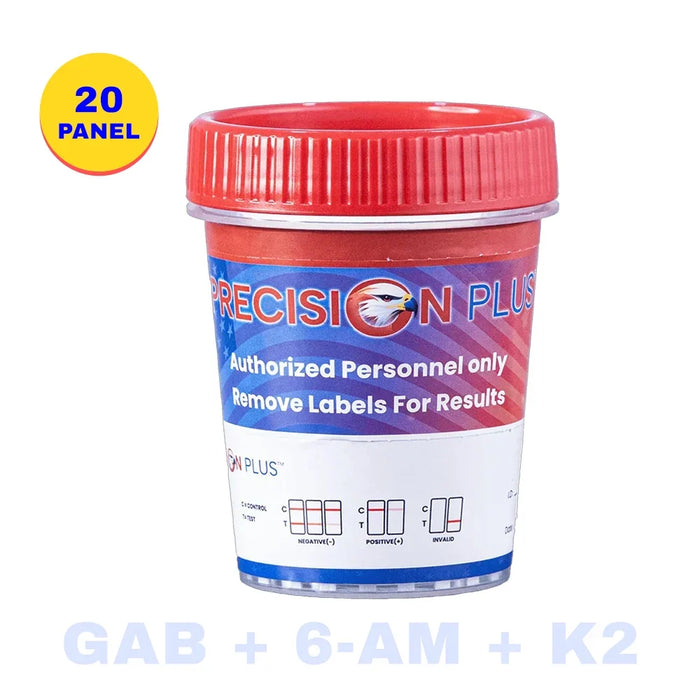
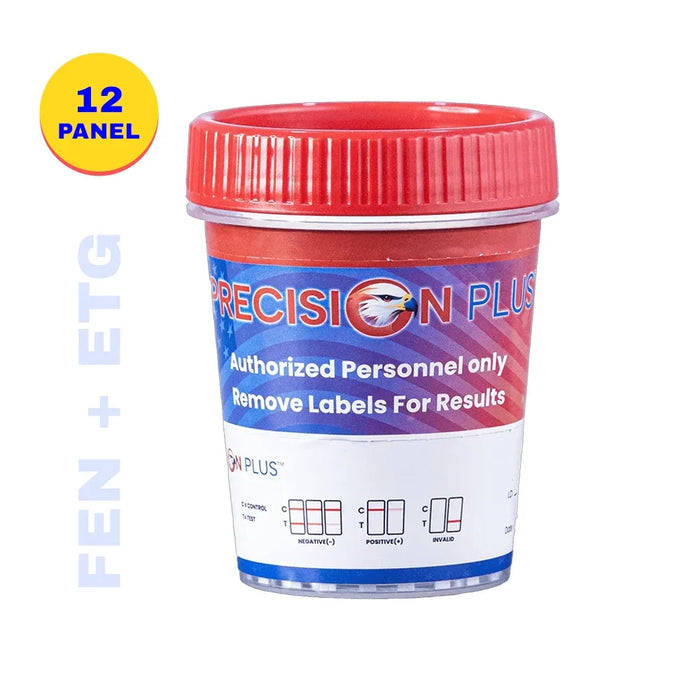
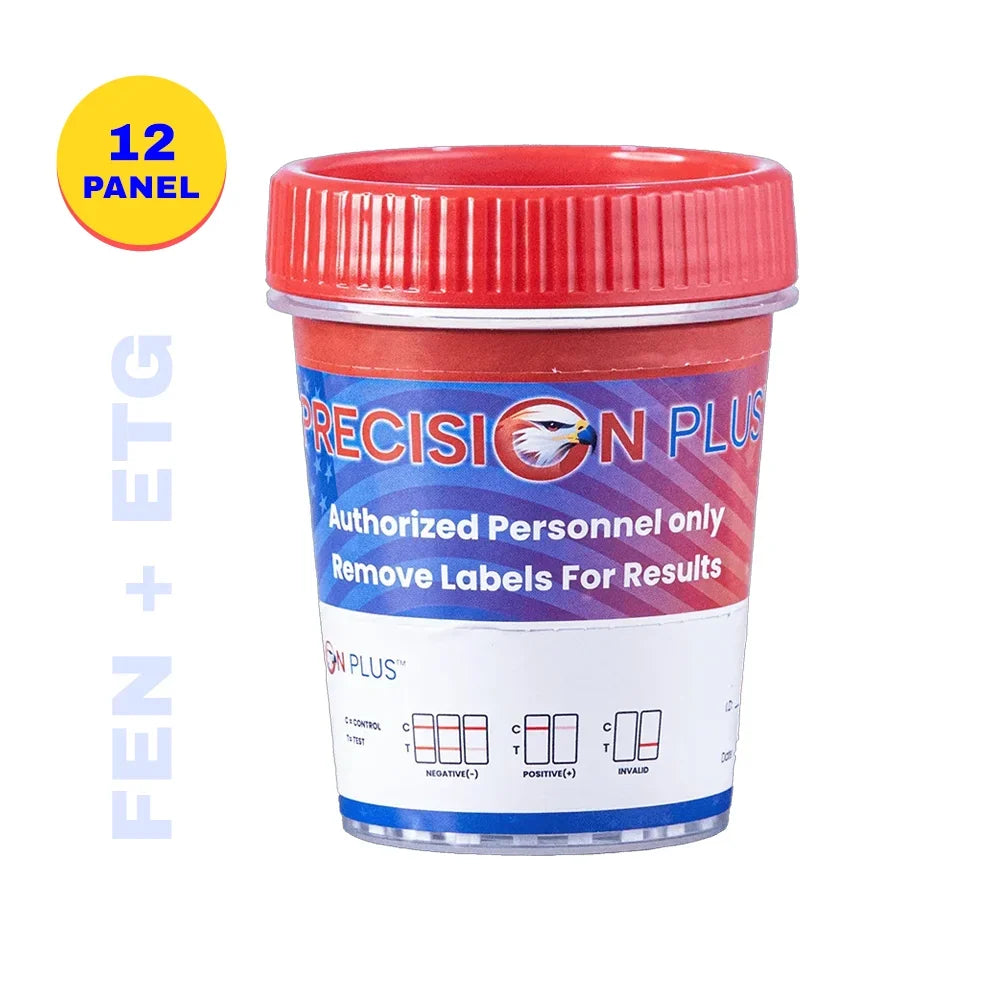
An integrated cup collects and tests in one step, with a built-in temperature strip and tamper-resistant lid. Browse our drug test cups in 5- to 18-panel configurations. Results are typically read in about 5 minutes.
Dip cards
A dip card is dipped into a specimen already collected in a separate container. It is a lower-cost option for high-volume programs. See our drug test dip cards.
Oral fluid tests
Oral fluid devices detect recent use and are collected under direct observation, which reduces substitution risk. Alcohol screening uses breathalyzers or saliva strips.
| Format | Best for | Typical detection window* | Read time |
|---|---|---|---|
| Urine cup | Employers, treatment centers, probation | About 1 to 3 days for most drugs; longer for regular marijuana use | About 5 minutes |
| Dip card | High-volume, cost-sensitive programs | Same as urine | About 5 minutes |
| Oral fluid | Observed collection, recent use | About 24 to 48 hours | About 10 minutes |
| Laboratory confirmation | Every preliminary positive | Depends on specimen | Per lab turnaround |
*Windows vary by drug, dose, frequency of use and individual metabolism. Treat them as general ranges.
What collection and documentation supplies are required?
Equipment beyond the test itself protects the integrity of the result. Use this checklist before you start collecting.
- Screening devices matched to your panel and cutoff policy
- Temperature strips or built-in temperature indicators (the specimen is checked within 4 minutes of collection under federal procedures)
- Disposable gloves and a hand-washing or cleaning supply
- Tamper-evident seals and specimen bottles for lab shipment
- Chain-of-custody forms (for regulated tests, the federal Custody and Control Form)
- Biohazard bags and absorbent pads
- A timer and a written results-reading procedure
- Secure storage for kits and specimens
- A private, controlled collection area with no unsecured water source
- A signed policy, consent form and record-retention plan
Are DOT and regulated tests different?
Yes. Tests under U.S. Department of Transportation authority follow 49 CFR Part 40, which sets collection procedures, custody forms and laboratory requirements. Federal workplace programs follow the HHS Mandatory Guidelines overseen by SAMHSA, which use certified laboratories. Instant on-site cups are not a substitute for a required regulated collection. Confirm which rules apply to your employees before you buy.
What does a screening test detect, and at what cutoff?
A 5-panel screen typically detects marijuana (THC), cocaine, opiates, amphetamines/methamphetamine and phencyclidine (PCP). Larger panels, up to 18 drugs, add items such as benzodiazepines, barbiturates, methadone, oxycodone, buprenorphine and fentanyl. Cutoff levels are the concentrations at or above which a result reads positive, measured in ng/mL. Choose devices whose cutoffs match your written policy, and confirm FDA clearance and CLIA-waived status for the format you buy.
How do you read and handle results?
- Check the specimen temperature and appearance first.
- Start the timer and read the result in the window stated on the device instructions.
- A line in the test region means negative for that drug; no line means a preliminary positive.
- Discard any result where the control line is missing and retest with a new device.
- Send a preliminary positive specimen for GC/MS or LC-MS/MS confirmation before any action.
- Record the result, the reader and the time.
How do you build the right kit for your organization?
Start with who you test and why. Clinics and treatment centers usually need multi-panel cups with fentanyl and buprenorphine options. Courts and probation want observed collection and confirmation. Staffing firms and employers pair testing with screening of candidates; for that side of hiring, our sister division Reveal Background runs employment background checks. For quantity pricing, private label or panel advice, contact American Screening Corp. We ship same-day nationwide.
Frequently asked questions
What is the minimum equipment for a urine drug test?
A urine cup with a temperature strip, gloves, a custody or result log, and a lab partner for confirmation. Regulated tests also need the federal custody form and certified collection.
Do I need a lab if I use an instant test?
Yes. Instant screens are preliminary. Confirm every positive by GC/MS or LC-MS/MS laboratory testing before taking action.
Are CLIA-waived drug tests accurate enough for workplace use?
FDA-cleared, CLIA-waived tests are designed for screening, but no test is 100% accurate. Use them with documented procedures and laboratory confirmation.
What is the difference between a cup and a dip card?
A cup collects and tests in one device. A dip card tests a specimen collected separately, which can lower per-test cost for high volume.
Sources
- eCFR: 49 CFR Part 40, Procedures for Transportation Workplace Drug and Alcohol Testing Programs
- U.S. DOT Office of Drug and Alcohol Policy and Compliance: Part 40
- SAMHSA: Workplace Drug Testing Resources
This article is general information, not legal or medical advice.