Zepbound is the brand name tirzepatide carries when it is prescribed for chronic weight management. It is the same molecule sold as Mounjaro for type 2 diabetes, delivered by a weekly subcutaneous injection. Employees, applicants, and employers sometimes ask whether this medication can appear on a pre employment or workplace drug screen, or whether it could trigger a false positive on a urine, oral fluid, or hair panel. This article explains what standard panels actually screen for, what tirzepatide is as a compound, and what the published record does and does not show about cross reactivity.
This is general information for employers and employees navigating workplace drug testing. It is not medical or legal advice, and nothing here should be used to diagnose, treat, or make an individual medication decision. Anyone with questions about their own prescription and a drug test result should talk to their prescriber and, where one is assigned, the medical review officer handling the test.
What Zepbound actually is
Tirzepatide is a synthetic peptide that activates two receptors, GIP and GLP-1, which are involved in insulin secretion, appetite, and gastric emptying. The approved by FDA tirzepatide under the Zepbound name for chronic weight management in adults with obesity or overweight with at least one weight related condition. The agency's own announcement of the approval describes the drug as a once weekly injectable for this indication, separate from its earlier approval as Mounjaro for type 2 diabetes. The FDA press announcement on the approval of this class of medication for chronic weight management describes the mechanism and the approved use. The current prescribing information, including full product details, is published on DailyMed's label for Zepbound (tirzepatide) injection, maintained by the National Library of Medicine.
Tirzepatide is not a controlled substance under the federal Controlled Substances Act. It is not an opioid, a stimulant, a benzodiazepine, a barbiturate, a cannabinoid, or a dissociative. It is a large peptide hormone analog, structurally unrelated to the small molecule drugs that workplace and forensic toxicology panels are built to detect.
How workplace drug panels are built
Most workplace drug testing starts with an immunoassay screen, whether the specimen is urine, oral fluid, or hair. An immunoassay uses antibodies manufactured to bind to a specific target drug or drug class, such as THC metabolites, cocaine metabolites, opiates, amphetamines, PCP, or benzodiazepines. If a specimen does not contain enough of the target compound, or a compound similar enough in shape to bind the antibody, the screen reads negative for that panel member. A general consumer reference on how these screens and their follow up confirmation testing work is published by the National Library of Medicine's MedlinePlus drug testing overview, which distinguishes the initial screen from confirmation testing.
Any screen that comes back non negative on an immunoassay is supposed to be sent for confirmation using gas chromatography mass spectrometry (GC/MS) or liquid chromatography tandem mass spectrometry (LC/MS/MS). Confirmation testing identifies the exact molecule present, rather than relying on an antibody's binding behavior, and is what distinguishes a true positive from cross reactivity. Federal procedures for DOT regulated testing programs, which set the model most private employers follow, describe this two step screen and confirmation process in the eCFR Title 49 Part 40 procedures for transportation workplace drug testing programs.
| Panel class on a standard 5 to 16 panel test | What it targets | Does it target tirzepatide |
|---|---|---|
| THC (marijuana metabolites) | Cannabinoid metabolites | No |
| Cocaine | Benzoylecgonine metabolite | No |
| Opiates / opioids | Morphine, codeine, synthetic and semi synthetic opioids | No |
| Amphetamines / methamphetamine | Amphetamine class stimulants | No |
| PCP | Phencyclidine | No |
| Benzodiazepines / barbiturates | Sedative hypnotic drug class | No |
| Extended panels (MDMA, propoxyphene, methadone, etc.) | Additional small molecule drugs of abuse | No |
Tirzepatide is not a target analyte on any of these panel classes, and it is not manufactured or sold as a drug of abuse. A GIP/GLP-1 receptor agonist peptide does not fall into any category that a 5, 10, or 16 panel immunoassay is designed to flag.
Is there any cross reactivity evidence
Cross reactivity happens when a compound that is not the intended target still binds the screening antibody closely enough to trigger a non negative read. This is a real phenomenon for some prescription and over the counter products, which is why confirmation testing exists. For tirzepatide specifically, there is no credible published cross reactivity evidence showing that it binds the antibodies used in standard drugs of abuse immunoassays. Tirzepatide's structure (a large, modified peptide) is not similar to the small molecule drug classes above, and no peer reviewed literature or manufacturer safety communication reviewed for this article reports a false positive signal tied to tirzepatide use. Where the evidence on any specific cross reactivity question is limited or not published, the accurate statement is that it is limited or not established, rather than a flat promise that no result anywhere could ever be affected.
If a person taking Zepbound does receive a non negative screen on an unrelated panel member, the appropriate path is the same one used for any other screen result: confirmation testing, followed by a review of the result. In workplace programs that use a medical review officer, the MRO is responsible for contacting the individual, reviewing any prescription medication being taken, and determining whether a legitimate medical explanation accounts for a result before it is reported to the employer. Prescription documentation from the prescribing provider supports that review. This article does not provide a dosing or treatment recommendation and is not a substitute for that MRO process.
Zepbound compared to Mounjaro and other GLP-1 medications
Zepbound and Mounjaro share the same active ingredient, tirzepatide, approved for two different indications (weight management and type 2 diabetes). Readers comparing the two should see our related article, Does Mounjaro Show Up on a Drug Test?, which covers the diabetes indication of the same molecule in more detail. Other weight management and diabetes injectables on the market use a different active ingredient, semaglutide, rather than tirzepatide. For that distinct compound, see Does Wegovy Show Up on a Drug Test? Employer Guide. Both are GIP/GLP-1 class injectables, and the same basic reasoning about standard panel classes applies to each, though they are chemically distinct compounds and should not be treated as interchangeable for any clinical or testing purpose.
What employers should keep in mind
Federal workplace drug testing guidance, including the framework SAMHSA maintains for federal and federally regulated workplace programs, is built around detecting illicit drug use and misuse of specific controlled substances, not prescription medications used as directed for an approved indication. SAMHSA's workplace resources on drug testing programs describe how federal programs are structured around those target drug classes. Employers who require any applicant or employee to disclose prescription medications before a result is reported should route that disclosure through the MRO or a similarly qualified reviewer, document it consistently, and avoid making any adverse employment decision based on lawful prescription use alone without first consulting appropriate counsel. Employers should also not assume that a negative screen for a listed panel member means a person is not taking a prescribed medication; the two questions are unrelated, since the standard panels were never designed to detect GIP/GLP-1 agonists in the first place.
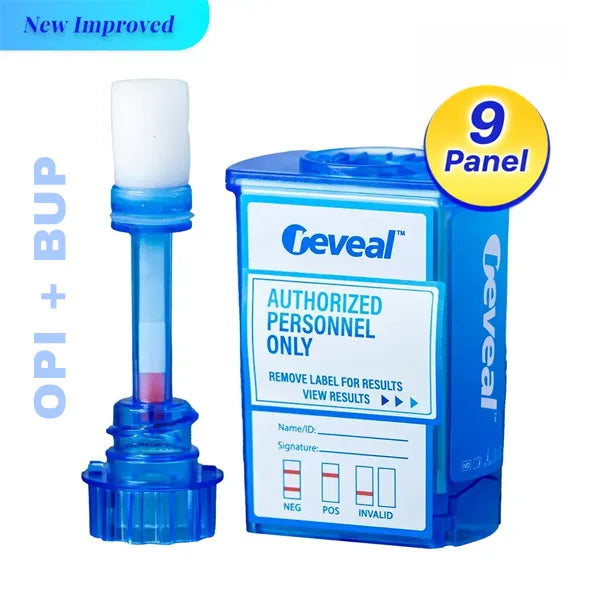
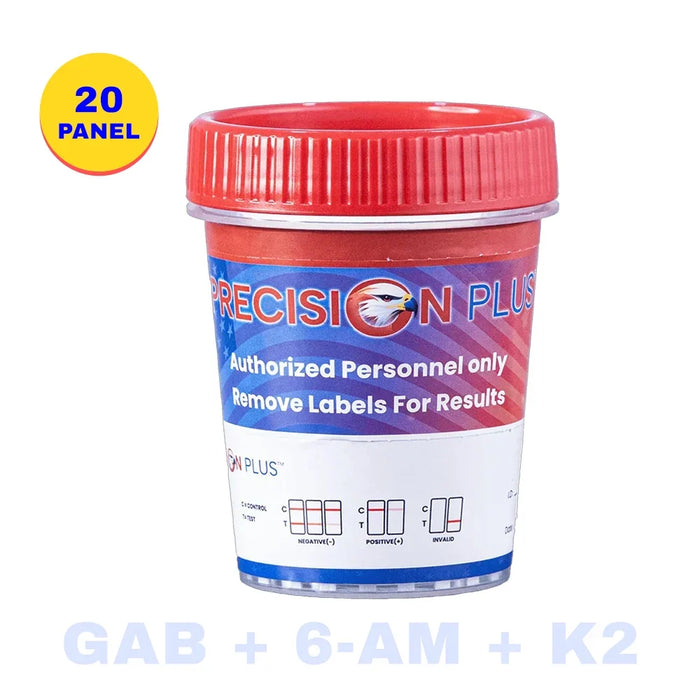
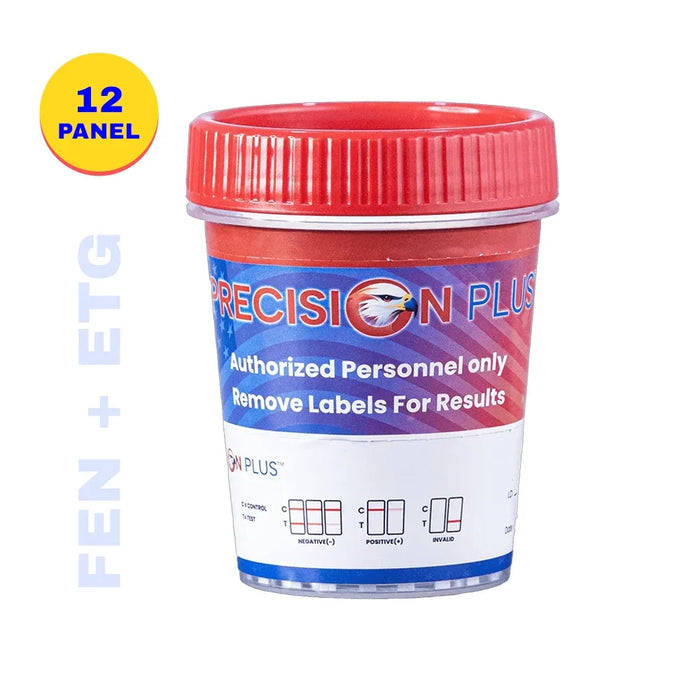
Employers building or re checking a drug free workplace program can review cup, dip card, and oral fluid test options in our drug test cup collection.
Frequently asked questions
Does Zepbound show up as a positive on a standard workplace drug test?
No. Zepbound (tirzepatide) is not a target analyte on any standard 5, 10, or 16 panel immunoassay, and there is no credible published cross reactivity evidence showing it triggers a non negative result on those panels.
Is tirzepatide a controlled substance?
No. Tirzepatide is not scheduled under the federal Controlled Substances Act. It is a prescription GIP/GLP-1 receptor agonist peptide, not an opioid, stimulant, benzodiazepine, or cannabinoid.
What is the difference between Zepbound and Mounjaro for drug testing purposes?
They contain the same active ingredient, tirzepatide, approved under different brand names for different indications. Neither is on a standard drugs of abuse panel.
What should an employee do if they get an unexpected non negative drug test result while taking Zepbound?
They should provide prescription documentation and let the confirmation testing and medical review officer process run, rather than assuming the medication caused the result, since tirzepatide is not a panel target to begin with.
Does a negative drug test mean someone is not taking Zepbound?
Not necessarily either way. Standard panels are not built to detect GIP/GLP-1 peptide medications, so a screen result does not confirm or rule out use of this class of drug.
Where can I find the official prescribing information for Zepbound?
The current official label is published on DailyMed, the National Library of Medicine's database of drug labeling.
This article is general information about drug testing panels and prescription medications. It is not medical or legal advice. Individuals with questions about a specific prescription or drug test result should consult their prescribing provider or the medical review officer handling the test.