Xarelto is the brand name for rivaroxaban, an anticoagulant prescribed to prevent and treat blood clots. It is not a controlled substance, and it is not one of the drug classes that a standard workplace drug test panel is built to detect. For most employers and most donors, the short answer is that rivaroxaban does not show up on a drug test and there is no published evidence that it causes a false positive on a standard immunoassay screen. This article explains why, how the screening and confirmation process actually works, what to do if a donor is taking rivaroxaban, and how it compares to other anticoagulants that have drawn more attention in testing circles.
What Xarelto Is and Why It Is Not on a Panel
Rivaroxaban belongs to a drug class called direct oral anticoagulants, sometimes shortened to DOACs or novel oral anticoagulants. It works by inhibiting a clotting factor called Factor Xa, which slows the body's ability to form clots. According to the current prescribing information, Xarelto is indicated for conditions such as reducing stroke risk in nonvalvular atrial fibrillation, treating and preventing deep vein thrombosis and pulmonary embolism, and reducing clotting risk after certain orthopedic surgeries, as described in the official label for Xarelto.
Rivaroxaban is not scheduled under the federal Controlled Substances Act, and it has no abuse potential in the way opioids, stimulants, or benzodiazepines do. Standard workplace drug test panels, whether a five panel, a seven panel, or an extended ten or twelve panel, are designed around categories such as amphetamines, cocaine metabolites, opiates, phencyclidine, THC metabolites, barbiturates, benzodiazepines, and a handful of other controlled drug classes. Rivaroxaban is not chemically related to any of those classes, so there is no analyte on a standard immunoassay cup, dip card, or oral fluid test that is designed to catch it, and it is not something the test is looking for in the first place.
Screening Versus Confirmation: How a Drug Test Actually Works
It helps to separate the two stages of laboratory based drug testing. The first stage is an immunoassay screen, the kind of rapid test used in cups, dip cards, and oral fluid devices. These tests use antibodies that bind to a target drug or its metabolites, and they can occasionally cross react with an unrelated compound that happens to share part of the same molecular shape. That is how certain cold medicines, antihistamines, or NSAIDs sometimes trigger a nonnegative screen on an unrelated panel.
The second stage, used to confirm any nonnegative screening result, is a lab based method such as gas chromatography mass spectrometry or liquid chromatography mass spectrometry. These confirmation methods identify the exact molecule present, down to its structure, rather than relying on an antibody's broad recognition pattern. This two step design, screen then confirm, is the backbone of federally regulated workplace testing programs and is set out in the Department of Transportation's drug and alcohol testing procedures, which require that any nonnegative screen be sent for confirmatory testing before it is reported, as described in 49 CFR Part 40.
Is There Any Cross Reactivity Evidence for Rivaroxaban?
There is no published cross reactivity evidence showing that rivaroxaban triggers a nonnegative result on any standard immunoassay panel class. The compound does not share a structural backbone with amphetamines, opiates, cannabinoids, benzodiazepines, barbiturates, cocaine metabolites, or PCP, which are the categories most immunoassay screens are built around. The official rivaroxaban labeling and prescribing information available through the National Library of Medicine's drug label repository does not list any interaction with urine drug screening, and its documented interactions and adverse effects center on bleeding risk and interactions with other drugs that affect clotting or liver metabolism, not with screening assays, as shown in the DailyMed label for rivaroxaban.
That said, "no published cross reactivity" is not the same as an absolute promise for every test cartridge on the market, since manufacturers occasionally report isolated cross reactivity with specific reagent formulations. If a donor or employer has a specific concern about a specific device, the manufacturer's package insert for that exact test lists the substances it was validated against, and that document, not a general web search, is the right place to check.
How Rivaroxaban Compares to Warfarin
Warfarin, an older anticoagulant with a different mechanism, has occasionally been discussed in connection with certain immunoassay reports, so it is a useful point of comparison when donors or HR staff ask why one blood thinner gets mentioned more often than another in testing conversations. Our related article on warfarin, linked below, goes through what has and has not been documented for that specific drug. The mechanism, metabolism, and chemical structure of rivaroxaban are different enough from warfarin that findings about one drug do not automatically transfer to the other, which is exactly why cross reactivity claims need to be tied to the specific molecule rather than the broad category of "blood thinner."
Panel Classes and Where Rivaroxaban Stands
| Panel class typically screened | Target drug category | Rivaroxaban relationship |
|---|---|---|
| Amphetamines and methamphetamine | Stimulants | Not related, no published cross reactivity |
| Opiates and opioids | Pain medications, narcotics | Not related, no published cross reactivity |
| THC metabolites | Cannabis | Not related, no published cross reactivity |
| Benzodiazepines | Sedatives, anti anxiety medications | Not related, no published cross reactivity |
| Barbiturates | Sedatives | Not related, no published cross reactivity |
| Cocaine metabolites | Stimulants | Not related, no published cross reactivity |
| PCP | Dissociatives | Not related, no published cross reactivity |
Blood Draws, Bleeding Risk, and Specimen Collection
Rivaroxaban does raise a practical issue for the collection step itself rather than the screening chemistry. Anticoagulants increase bleeding risk, so any collection method that involves a needle, such as a blood based confirmation draw used in certain clinical or legal settings, carries a higher chance of prolonged bleeding or bruising at the puncture site in a donor who takes rivaroxaban. Collection staff who are aware that a donor is on an anticoagulant can apply firmer or longer pressure after a blood draw and should follow their facility's standard protocol for donors on blood thinning medication. This consideration does not apply to urine, oral fluid, or standard dip card collections, which are not invasive in the same way.
None of this changes how the sample itself is screened once collected. It is a safety and collection logistics issue, not a chemistry issue, and it has nothing to do with whether rivaroxaban will appear as a flagged analyte.
What to Tell the Medical Review Officer
Because rivaroxaban is not on a standard panel, a donor taking it generally does not need to proactively disclose it just to pass a standard five or ten panel screen, since there is no analyte for it to trigger. Disclosure still matters in two situations. First, if a screen comes back nonnegative for an unrelated reason, such as a true positive or a cross reactive OTC medication, the medical review officer review is the correct place to discuss all current prescriptions, including rivaroxaban, so the reviewing physician has the full medical picture. Second, in DOT regulated and other federally mandated testing programs, the MRO interview is a required step for any donor with a nonnegative screen, and current prescription medications, along with supporting documentation such as a pharmacy record or prescription label, are reviewed confidentially as part of that process under 49 CFR Part 40.
Employers should never ask a donor to list every medication before a routine, non DOT screen, since that information belongs in the confidential MRO channel, not on an intake form reviewed by HR or a supervisor. The Substance Abuse and Mental Health Services Administration maintains program guidance for workplace drug testing programs, including how laboratory certification and MRO review fit together, at SAMHSA's workplace resources page.
Practical Takeaways for Employers and Collectors
- Rivaroxaban is not a controlled substance and is not part of any standard immunoassay panel class.
- No published cross reactivity exists between rivaroxaban and amphetamine, opiate, THC, benzodiazepine, barbiturate, cocaine, or PCP immunoassay screens.
- Any nonnegative screen result, regardless of the donor's medication list, should go through confirmation testing and MRO review rather than being assumed to relate to a blood thinner.
- Collection staff should know about anticoagulant use only when a blood draw or similarly invasive collection step is involved, for safety reasons, not for interpreting the screen.
- Program design questions, including which panel and collection device fit a workplace's risk profile, are a good fit for a conversation with a testing supplier rather than guesswork.
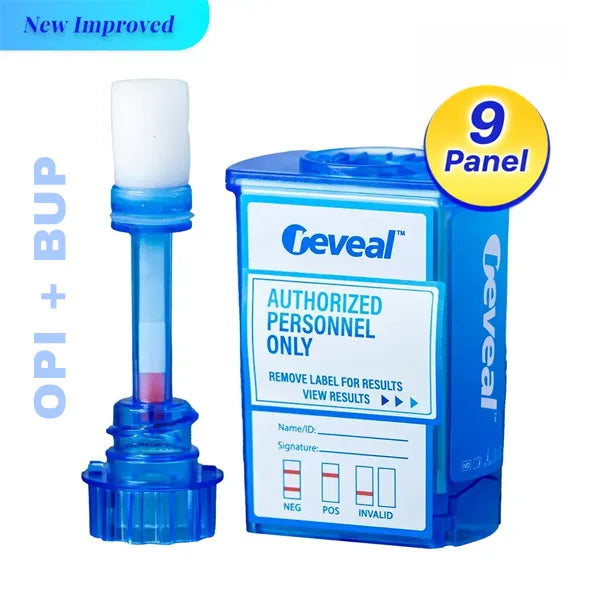
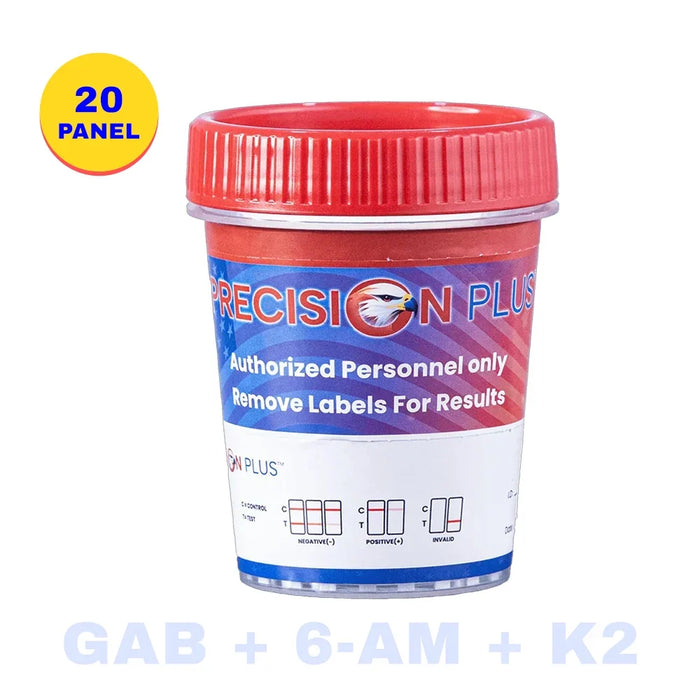
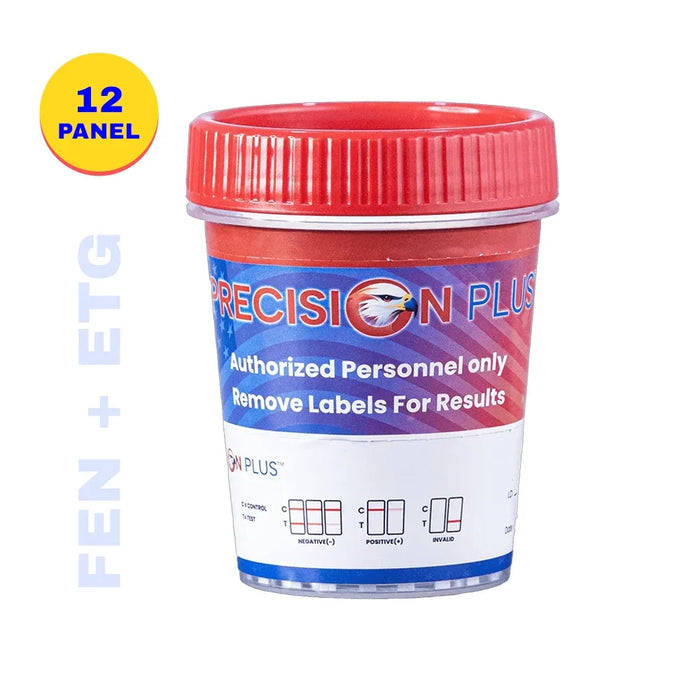
Employers building or refreshing a testing program can review cup, dip card, and oral fluid options through the wholesale portal at American Screening Corporation's wholesale portal, or browse drug test cup collections directly.
Frequently asked questions
Does Xarelto show up as a positive result on a drug test?
No. Rivaroxaban is not a controlled substance and is not part of the drug classes that standard immunoassay panels are built to detect, so it does not register as a positive result on a typical workplace screen.
Can rivaroxaban cause a false positive on a standard panel?
There is no published cross reactivity evidence linking rivaroxaban to a false positive on amphetamine, opiate, THC, benzodiazepine, barbiturate, cocaine, or PCP immunoassay screens.
Should a donor tell the collector they are taking Xarelto before a test?
For a standard, non DOT screen there is generally no need, since there is no panel analyte it affects. If a blood draw is part of the collection, mentioning anticoagulant use helps collection staff manage bleeding risk safely.
What happens if a donor on Xarelto gets a nonnegative screen for an unrelated reason?
The sample goes to confirmatory testing, and the donor discusses all current medications, including rivaroxaban, confidentially with the medical review officer as part of the standard review process.
Is rivaroxaban treated the same as warfarin for testing purposes?
No. The two drugs have different mechanisms and chemical structures, and any findings reported about one anticoagulant do not automatically apply to the other. Each drug needs to be evaluated on its own documented evidence.
Does a positive drug test cancel out a prescription for a blood thinner?
A standard panel does not screen for rivaroxaban at all, so the two are unrelated. If a different substance triggers a nonnegative result, the MRO review process addresses it separately from any anticoagulant prescription.
Related reading: Does Eliquis Show Up on a Drug Test? and Does Warfarin Cause a False Positive Drug Test?
This article is general information only, not medical or legal advice. Employers and donors should consult a medical review officer or qualified professional for guidance specific to their situation.