Quick answer: Wellbutrin (bupropion) is not a drug class on standard urine drug screens, but it can cause a false-positive amphetamine result on some immunoassay tests. American Screening Corp advises treating any positive amphetamine screen as preliminary and confirming by GC/MS or LC-MS/MS laboratory testing. Confirmation distinguishes bupropion from true amphetamines.
- What it detects: Standard panels do not test for bupropion. The amphetamine (AMP) pad can cross-react with it on some devices.
- What to do: A positive AMP screen is preliminary. Send the specimen for GC/MS or LC-MS/MS confirmation before any action.
- Who this is for: Clinics, treatment centers, courts and probation, employers and staffing firms that run point-of-collection tests.
Does Wellbutrin cause a positive drug test?
Yes, it can, but only as a false positive for amphetamines, and not on every device. Bupropion is an antidepressant and smoking-cessation medication (MedlinePlus, Bupropion). It is chemically related to the phenethylamine family, which is why some antibody-based screens react to it.
Need drug tests for your clinic, program or workplace?
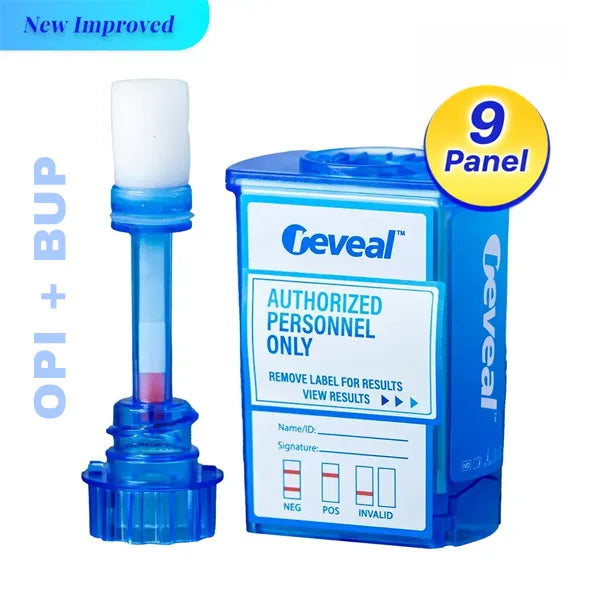
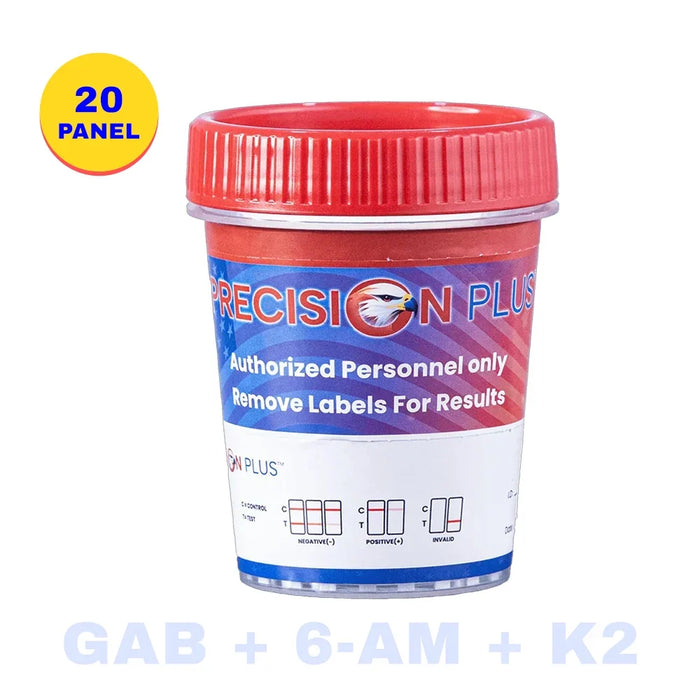
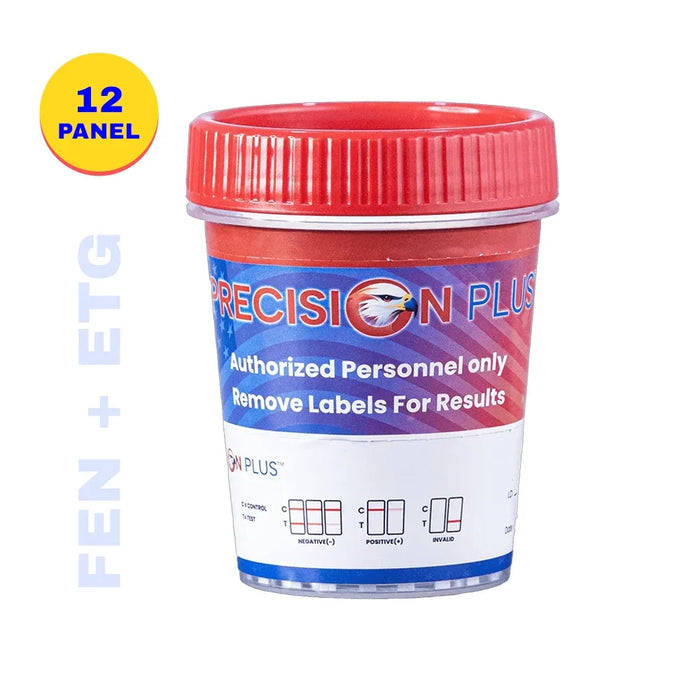
American Screening Corp has supplied FDA-cleared, CLIA-waived tests at wholesale pricing since 2004. Popular options:
Ordering 100+ tests? Request volume pricing.
The reaction depends on the manufacturer's antibody, the cutoff and the concentration in the specimen. Many results are negative even in patients taking the medication. Your program cannot predict this from the prescription alone.
What does a standard urine screen detect, and at what cutoffs?
Immunoassay screens detect drug classes, not individual prescriptions. Under the HHS Mandatory Guidelines for federal workplace urine testing (SAMHSA, Mandatory Guidelines for Federal Workplace Drug Testing Programs), the initial amphetamines cutoff is 500 ng/mL and the confirmatory cutoff is 250 ng/mL, as of the current published guidelines. Commercial point-of-collection cups may use other FDA-cleared cutoffs, so always read the cutoff printed in the product insert.
Point-of-collection cups and dip cards sold by American Screening Corp are FDA-cleared and CLIA-waived for their labeled uses. They are screening devices only. They do not identify the specific substance that caused a line to read positive.
Detection window
Bupropion and its metabolites are generally excreted in urine for a few days after the last dose, so cross-reactivity is most likely while a patient is taking the drug and shortly afterward. Individual windows vary with dose, metabolism, kidney function and urine concentration. Do not use a fixed window to rule a false positive in or out.
How should a positive amphetamine screen be handled?
Every positive screen is preliminary. Confirm by GC/MS or LC-MS/MS laboratory testing. These methods separate compounds by molecular structure, so they can tell bupropion from amphetamine or methamphetamine.
- Record the device lot number, cutoff, read time and the person who read it.
- Keep the specimen sealed and send it to a qualified laboratory for confirmation.
- Give the donor a chance to disclose current medications to the laboratory's Medical Review Officer or your program's reviewer.
- Do not take adverse action based on the screen alone.
- Document the confirmed result and the decision.
Screen vs. confirmation: decision table
| Question | Point-of-collection screen | GC/MS or LC-MS/MS confirmation |
|---|---|---|
| Method | Immunoassay (antibody) | Mass spectrometry |
| Can bupropion cross-react? | Possible on some devices | No, it identifies the compound |
| Result status | Preliminary | Definitive for the compound |
| Speed | Minutes | Laboratory turnaround |
| Use | Triage and routine screening | Verifying any positive before action |
What should a buyer look for in a test kit?
Choose devices that match your program's risk and workflow. For observed or collected urine, review our drug test cups. For fast, lower-cost single or multi-panel checks, see our drug test dip cards.
Program checklist
- Confirm the device is FDA-cleared and CLIA-waived for your use.
- Read the amphetamine cutoff (ng/mL) in the insert and list it in your policy.
- Add a cross-reactivity statement to your policy covering medications such as bupropion.
- Name a confirmation laboratory and a written process for sending specimens.
- Train staff to report results as preliminary until confirmed.
- Keep lot numbers and read times in each record.
- If a regulated workplace is involved, follow DOT 49 CFR Part 40 instead of non-regulated procedures.
What about regulated testing?
DOT-regulated testing follows 49 CFR Part 40 (DOT, Office of Drug and Alcohol Policy and Compliance), which requires laboratory testing and Medical Review Officer review before a result is verified. Point-of-collection screens like ours are not a substitute for that process. Non-regulated employers, courts and clinics should follow their own written policy and applicable state statutes.
Frequently asked questions
Does Wellbutrin show up on a drug test?
Not as its own drug on standard panels. It can cause a false-positive amphetamine screen on some immunoassays. Confirm any positive by GC/MS or LC-MS/MS.
How long after the last dose can Wellbutrin cause a false positive?
Typically while taking it and for a few days afterward. The window varies by dose, metabolism and urine concentration, so confirmation is the only reliable check.
Can GC/MS or LC-MS/MS tell Wellbutrin from amphetamine?
Yes. Mass spectrometry identifies compounds by molecular structure, so it separates bupropion from amphetamine and methamphetamine.
Should we act on a positive screen from a patient on Wellbutrin?
No. Treat it as preliminary, send the specimen for laboratory confirmation and document the medication disclosure before any decision.
Sources
- MedlinePlus: Bupropion
- SAMHSA: Workplace Drug Testing and Mandatory Guidelines
- U.S. DOT ODAPC: 49 CFR Part 40
Questions about kits for your program? Contact American Screening Corp. For pre-employment screening, our sister division Reveal Background runs employment background checks.
This is general information, not legal or medical advice.