Trintellix is the brand name for vortioxetine, a prescription antidepressant approved for major depressive disorder. Employees who take it sometimes worry that a pre employment or random workplace drug test will flag the medication, delay a hiring decision, or create an awkward conversation with a supervisor. Based on the current prescribing information and how standard workplace panels are built, Trintellix is not designed to be detected by a drug test and is not a substance that workplace panels are looking for.
This article explains what vortioxetine actually is, why it is different from a drug of abuse, which antidepressants do have documented interference reports on certain immunoassay strips, and how an employer or lab should handle any unexpected result, prescription or not.
What Trintellix Is and Why It Is Not on Drug Test Panels
Vortioxetine is classified as a serotonin modulator, sometimes grouped loosely with other antidepressants even though its receptor activity does not match the SSRIs or SNRIs exactly. The current current prescribing information for Trintellix lists it as a prescription only medication and does not place it in a federal drug schedule, meaning the Drug Enforcement Administration does not treat it as a controlled substance the way it treats opioids, benzodiazepines, or stimulants.
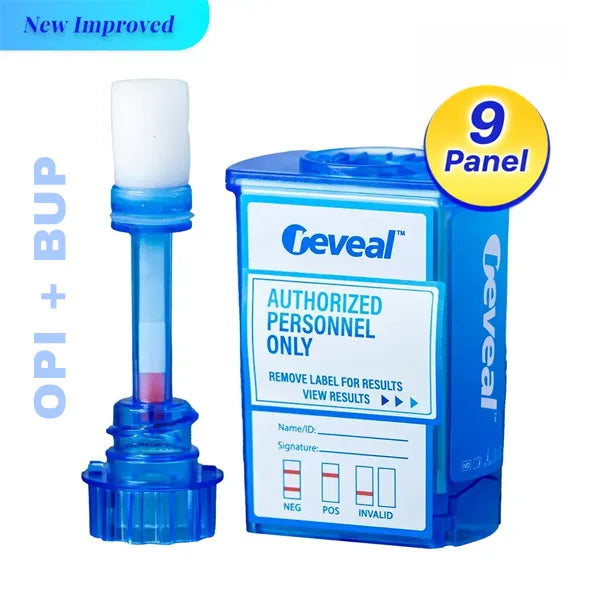
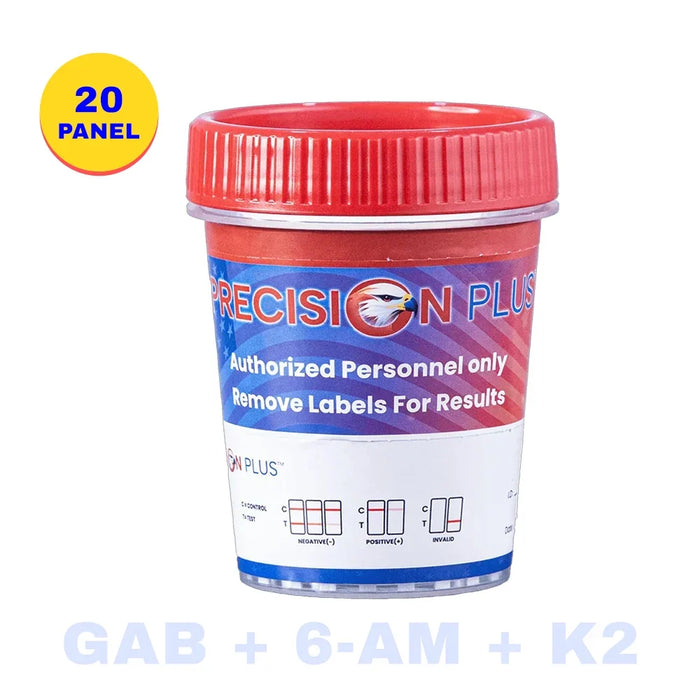
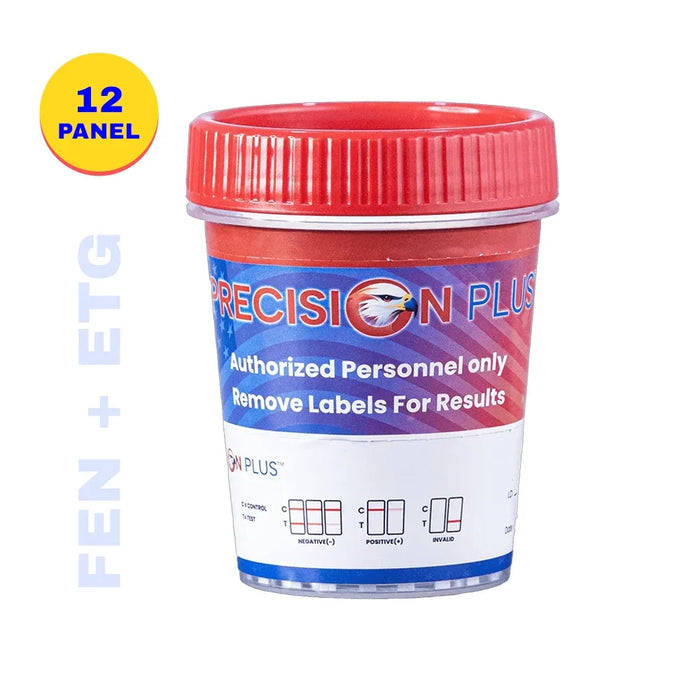
Standard workplace drug test panels, whether a 5 panel, 10 panel, or an expanded panel, are built around specific drug classes: amphetamines, cocaine metabolite, opiates, phencyclidine, tetrahydrocannabinol, and depending on the panel, benzodiazepines, barbiturates, methadone, and a few others. These panels use immunoassay antibodies tuned to recognize the chemical structure of those specific drug classes and their metabolites. Vortioxetine's structure does not resemble any of those target classes, and the current DailyMed label for Trintellix does not list any workplace drug screen interference in its clinical pharmacology or precautions sections.
Screening Immunoassay vs. Confirmation Testing
It helps to separate the two stages of a typical drug test. The first stage is a screening immunoassay, run on a cup, dip card, or oral fluid device at the point of collection or at a lab. This screen is fast and inexpensive, but it works by looking for antibody binding, not an exact chemical match, so it can occasionally cross react with an unrelated compound that happens to share part of its structure with the target drug.
The second stage, used whenever a screen comes back non negative, is confirmation testing by gas chromatography mass spectrometry (GC/MS) or liquid chromatography tandem mass spectrometry (LC/MS or LC/MS/MS). Confirmation testing identifies the exact molecule present, not just an antibody reaction, which is why confirmation is considered the definitive result and is the step that should always precede any employment action.
For Trintellix specifically, there is no credible published cross reactivity evidence showing vortioxetine triggers a positive screen on any standard immunoassay panel. If a person taking Trintellix does test positive for something, the more likely explanations are a different medication they are also taking, an over the counter product, or a substance unrelated to vortioxetine, and confirmation testing combined with the Medical Review Officer process is the way to sort that out, not guesswork.
Antidepressants With Actual Documented Interference
It is worth separating Trintellix from antidepressants that genuinely do have documented interference reports, so an employer or employee can tell the difference between a medication with real cross reactivity history and one without.
- Sertraline (brand name Zoloft) has published case reports of false positive results on benzodiazepine immunoassay strips in some testing circumstances.
- Bupropion (brand name Wellbutrin) has documented cross reactivity reports on amphetamine immunoassay screens, tied to how its metabolites interact with certain antibody assays.
- Trazodone has also been reported in some testing literature as a cause of false positive amphetamine class screening results.
Vortioxetine does not appear in that same body of literature. The MedlinePlus overview of antidepressant medications describes how these drugs work and why they are prescribed, and it does not single out vortioxetine as having the interference profile that sertraline, bupropion, or trazodone carry on certain screens.
| Medication | Drug class | Documented screen interference | Confirmation needed if flagged |
|---|---|---|---|
| Vortioxetine (Trintellix) | Serotonin modulator | No credible published cross reactivity evidence | Yes, for any unexpected result |
| Sertraline (Zoloft) | SSRI | Reported on some benzodiazepine screens | Yes |
| Bupropion (Wellbutrin) | Atypical antidepressant | Reported on some amphetamine screens | Yes |
| Trazodone | Serotonin antagonist and reuptake inhibitor | Reported on some amphetamine screens | Yes |
None of this means any of these medications are dangerous or should be avoided. It means an employer, a collector, or a Medical Review Officer reviewing a non negative screen should ask what medications the employee is currently taking before assuming the worst, and should always send a presumptive positive to GC/MS or LC/MS confirmation rather than acting on the screen alone.
Prescription Documentation and the Medical Review Officer
Any employee taking a prescribed medication, including Trintellix, should keep basic documentation available such as the pharmacy label or a note from the prescribing clinician. In a regulated testing program, a certified Medical Review Officer (MRO) reviews every non negative confirmed result directly with the employee before it is reported to the employer. The MRO's job includes verifying whether a legitimate prescription explains a confirmed result for a substance that is actually on the panel. Because Trintellix is not a controlled substance and is not part of the panel in the first place, there should not be a confirmed positive tied to it to review, but the MRO process exists precisely to catch and correctly resolve situations where a legitimate prescription is in play for any medication that is relevant to a result.
Employers should never attempt to interpret a screening result themselves or take action before MRO review and GC/MS or LC/MS confirmation are complete. Laboratories performing this work, including clinical laboratories offering confirmation testing, generally operate under Clinical Laboratory Improvement Amendments (CLIA) requirements, which set quality standards for the testing itself, as described on the FDA's CLIA program page.
How Workplace Panels Are Typically Designed
Outside of federally mandated safety sensitive positions such as DOT covered transportation roles, most private employers design their own testing program, choosing the panel size, the collection method (urine cup, oral fluid, or dip card), and the circumstances for testing such as pre employment, random, reasonable suspicion, or post accident. The Substance Abuse and Mental Health Services Administration's workplace resource page describes the structure of federal workplace drug testing programs and the role of certified laboratories and the MRO in that process, which many private sector programs use as a model even when they are not legally required to follow it.
Because panels target specific drug classes rather than screening for every molecule in a person's system, a medication like Trintellix that is not chemically related to any targeted drug class simply is not what the test is looking for, and a well designed program should never need to ask an employee to stop taking a prescribed antidepressant to pass a screening.
What an Employer Should Do With an Unexpected Result
If an employee taking Trintellix receives a non negative screen for an unrelated reason, the standard process is the same as it would be for anyone else:
- Treat the initial immunoassay result as presumptive only, never final.
- Send any non negative screen to GC/MS or LC/MS confirmation at a certified laboratory.
- Route the confirmed result through a Medical Review Officer, who will contact the employee directly and review current medications and documentation.
- Only act on the MRO's final verified result, not the initial screen.
Employers should avoid assuming that any particular medication explains a result without that documented MRO review, and should never ask an employee to disclose every medication they take as a blanket policy outside of the legitimate MRO verification conversation.
Frequently Asked Questions
Is Trintellix a controlled substance?
No. Vortioxetine is a prescription medication but it is not scheduled by the Drug Enforcement Administration, and it is not one of the drug classes that standard workplace panels screen for.
Will Trintellix cause a false positive on a 5 panel or 10 panel drug test?
There is no credible published cross reactivity evidence showing vortioxetine triggers a positive screen on standard amphetamine, opiate, cocaine, PCP, benzodiazepine, or THC immunoassay tests.
Which antidepressants actually have documented false positive reports?
Sertraline has been reported in some testing literature in connection with benzodiazepine screens, and bupropion and trazodone have been reported in connection with amphetamine class screens. Vortioxetine does not share that documented history.
What should an employee do if they test positive while taking Trintellix?
Keep pharmacy documentation available, cooperate with the Medical Review Officer's review of the confirmed result, and avoid assuming the medication is the cause before GC/MS or LC/MS confirmation and MRO review are complete.
Does a positive screen mean someone failed a drug test?
No. A non negative immunoassay screen is presumptive only. It should always be sent to confirmation testing and reviewed by a Medical Review Officer before any employment decision is made.
Employers building or maintaining a testing program can review collection cups, dip cards, and oral fluid devices through the American Screening Corporation wholesale portal at wholesale.americanscreeningcorp.com, or browse drug test cups directly. For background on medications with documented interference patterns, see the related articles on the sertraline and benzodiazepine false positive issue and the bupropion and amphetamine false positive issue.
This article is general information only, not legal or medical advice. Employers should consult qualified counsel and a certified Medical Review Officer for decisions involving specific test results or program design.