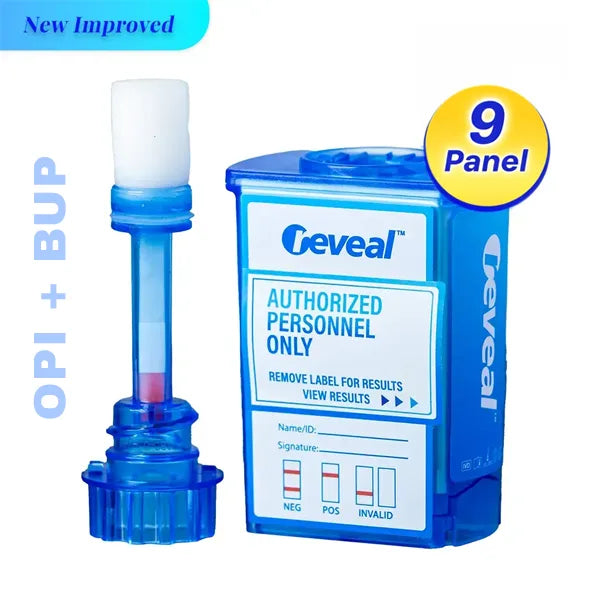
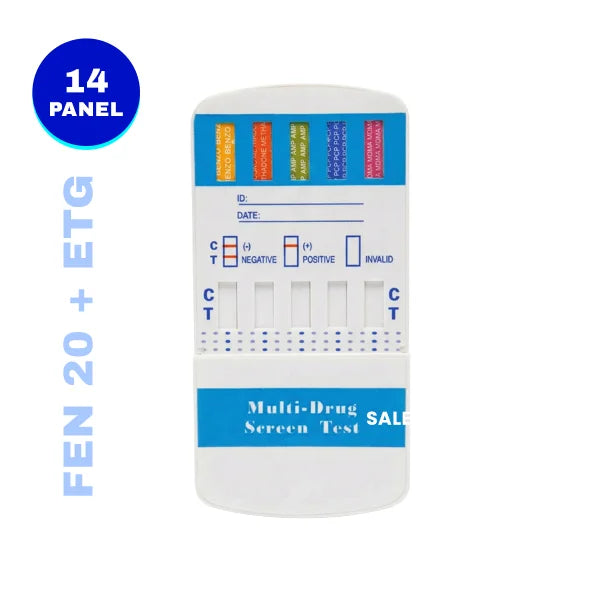
THC-O acetate, sometimes sold as THC-O or THCO, is a lab made cannabinoid produced by treating hemp derived THC with acetic anhydride. Sellers have marketed it as a stronger, legal alternative to regular THC products. Neither claim holds up well under scrutiny. The Drug Enforcement Administration has stated that acetate forms of THC are controlled substances, and the compound does not carry its own dedicated test strip on a standard workplace panel. Instead, once it is in the body, it is converted into the same THC metabolites that a routine cannabinoid screen is built to find.
This article explains what THC-O actually is, how screening and lab confirmation testing treat it, why a THC-O product can still produce a positive THC result, and what the DEA statement and current panel science mean for employers and the people they test.
What THC-O Acetate Actually Is
THC-O acetate is not found in the cannabis plant in any meaningful quantity. It is manufactured by reacting delta 8 or delta 9 THC, usually derived from hemp grown under the 0.3 percent delta 9 THC limit set by the 2018 Farm Bill, with acetic anhydride to attach an acetate group to the THC molecule. Researchers describe the resulting ester as a prodrug, meaning it has little activity on its own and must be broken down by the body before it produces an effect. That breakdown, called hydrolysis, strips off the acetate group and releases the parent THC compound, which is then metabolized the same way inhaled or ingested THC normally is, through the liver enzymes that produce 11 hydroxy THC and then the inactive carboxylic acid metabolite, THC COOH, that urine tests target.
A 2024 review of designer THC compounds in the Journal of Cannabis Research lays out this pathway and also reports something counterintuitive. When the intact THC-O molecule itself was tested directly in an ELISA immunoassay on whole blood, it showed very little cross reactivity with the antibodies used to flag THC. In other words, the acetate ester form is a poor match for the antibody that a screening cup or dip card is designed around. The positive result that shows up in real world testing is not generally because THC-O itself binds the test antibody well. It is because the body converts THC-O into regular THC and its usual metabolites, and those are exactly what the screen is designed to catch.
Screening Immunoassay vs Lab Confirmation
A workplace or clinic cup, dip card, or oral fluid device uses an immunoassay, an antibody based chemical reaction that reports a result above or below a cutoff concentration for a drug class, such as cannabinoids. Immunoassays are fast and inexpensive, but they are a class level screen, not a molecule by molecule identification. A nonnegative or presumptive positive screening result is not a confirmed finding of any specific substance.
Gas chromatography mass spectrometry, GC/MS, or liquid chromatography tandem mass spectrometry, LC/MS/MS, is the confirmation step performed in a certified laboratory. Confirmation testing identifies and quantifies the specific metabolite present, commonly 11 nor 9 carboxy THC, which is the shared downstream metabolite of THC-O, delta 9 THC, delta 8 THC, and several other hemp derived isomers. Confirmation testing distinguishes a true cannabinoid metabolite from any screening cross reactivity, but it generally cannot tell a lab or an employer whether the original source was THC-O acetate, a delta 8 product, or cannabis itself, because the compounds converge on the same confirmed metabolite. A dedicated THC-O or THC-O acetate specific assay is not part of routine forensic or workplace drug testing panels. Anyone who needs to know whether a specific result reflects THC-O rather than another THC source should ask the laboratory which analytes and parent compounds its confirmation method actually resolves, since methods vary by lab.
Why a THC-O Product Still Produces a THC Positive
Because THC-O is not a separate scheduled analyte on cannabinoid panels, it is captured under the same THC and THC metabolite class as marijuana, delta 8 THC, delta 10 THC, and other hemp derived isomers. The table below summarizes how common panel formats handle this group.
| Panel format | What it targets | Does it separate THC-O from regular THC |
|---|---|---|
| Urine cup or dip card, cannabinoid (THC) strip | THC COOH metabolite above a cutoff, commonly 50 ng/mL screening cutoff | No, reports as a single cannabinoid class result |
| Oral fluid device | Parent delta 9 THC in saliva | No dedicated THC-O strip exists on current oral fluid panels |
| DOT 5 panel under 49 CFR Part 40 | Marijuana metabolites along with cocaine, opiates, PCP, and amphetamines | No, THC-O metabolizes into the same marijuana metabolite class |
| Laboratory GC/MS or LC/MS/MS confirmation | Specific confirmed concentration of THC COOH or parent THC | Confirms the metabolite present, but does not routinely distinguish the original source compound |
There is no credible published evidence that THC-O acetate triggers a false positive on an unrelated drug class, such as opiates, amphetamines, or benzodiazepines. The cross reactivity question for THC-O is specific to the cannabinoid group, and the mechanism is conversion to THC, not interference with other antibody classes.
Legal Status and the DEA Position
Marketers have relied on the fact that THC-O is typically synthesized starting from hemp to claim it falls under the Farm Bill hemp exemption. The DEA has not accepted that framing. According to a review in Medical Cannabis and Cannabinoids, the agency issued a statement in February 2023 affirming that delta 8 THC-O and delta 9 THC-O are schedule I controlled substances under the Controlled Substances Act, reasoning that the acetate ester is not a naturally occurring hemp constituent and is instead a synthetic derivative. Tetrahydrocannabinols are listed as a schedule I substance under the Controlled Substances Act, and the current federal schedule can be verified directly at 21 CFR 1308.11 through the Electronic Code of Federal Regulations. The same review notes that, despite the DEA statement, THC-O products have continued to be sold, which means an employer, clinic, or individual encountering a THC-O product should not assume it is treated as a legal hemp item in every jurisdiction. State hemp and cannabis laws vary independently of this federal position, so anyone evaluating a specific product or a specific state's enforcement posture should check that state's own statute or licensing agency rather than assume a uniform national rule.
A Separate Hazard: Vaping and Ketene Gas
Beyond the drug test question, THC-O and other cannabinoid acetate esters carry a documented inhalation hazard that is worth flagging for any workplace or household context. Researchers have shown that the acetate ester moiety shared by THC-O, HHC acetate, and similar compounds can break down at vaping and dabbing temperatures into ketene, a reactive and toxic gas. A 2024 study in Chemical Research in Toxicology mapped the device conditions under which this ketene formation occurs and raised public health concerns distinct from, but alongside, the 2019 outbreak of vaping associated lung injury that was later linked mainly to vitamin E acetate. This is a chemical safety issue, not a dosing or treatment question, and anyone with respiratory symptoms after vaping any cannabinoid product should seek medical evaluation rather than attempt to self diagnose the cause.
What a Positive Result Means for Workplace Testing
Federal transportation regulations do not list THC-O separately. Testing for DOT covered safety sensitive employees runs under 49 CFR Part 40, which can be reviewed at eCFR Part 40, Subpart F, and the marijuana metabolite cutoffs apply the same way regardless of whether the source was cannabis, a delta 8 product, or THC-O. A nonnegative screening result on any program, DOT or non-DOT, should always route to laboratory confirmation and then to review by a medical review officer, who contacts the donor, discusses any legitimate medical explanation and supporting prescription documentation, and determines the final verified result. A person using an unregulated THC-O product typically has no prescription to document, since THC-O is not an approved by FDA or prescribed medication, so the MRO review in that scenario centers on verifying the laboratory result and the chain of custody rather than on a legitimate medical use defense. Employers building or updating a drug free workplace policy can find general program guidance through the Substance Abuse and Mental Health Services Administration's workplace resources page, and should still route any policy question involving marijuana law, accommodation, or adverse action to qualified counsel rather than relying on a blog post.
For background on how other hemp derived isomers are handled on the same panels, see our related posts on delta 10 THC and drug testing and HHC and the THC screen, both of which share the same class level detection logic described above. Clinics and employers evaluating cup, dip card, or oral fluid formats for a cannabinoid testing program can review current options at American Screening Corporation's drug test cup collection, including the wholesale portal at wholesale.americanscreeningcorp.com for bulk ordering.
Frequently asked questions
Does THC-O show up as its own result on a drug test?
No. There is no dedicated THC-O strip on standard workplace panels. It is detected indirectly, because the body converts it into the same THC metabolites that a cannabinoid screen is built to find.
Can someone fail a drug test from using a THC-O product even though it screens poorly on its own?
Yes. Research shows the intact THC-O molecule has limited direct cross reactivity with screening antibodies, but once it is hydrolyzed in the body it produces regular THC and its usual metabolites, which do react on cannabinoid immunoassays and confirm by GC/MS or LC/MS/MS.
Is THC-O legal because it comes from hemp?
The DEA has stated that delta 8 and delta 9 THC-O are schedule I controlled substances because the acetate form is synthetically produced rather than a naturally occurring hemp constituent. State law varies, so a product's legal status should be checked against the specific state's own statute rather than assumed from its marketing.
Does lab confirmation prove a positive result came from THC-O specifically rather than marijuana?
Generally no. Confirmation testing identifies and quantifies the confirmed metabolite, most often THC COOH, but that metabolite is shared across marijuana, THC-O, delta 8 THC, and other THC isomers. A lab should be asked directly which parent compounds and analytes its method distinguishes.
Is vaping THC-O products a safety concern beyond the drug test question?
Published chemistry research has found that acetate ester cannabinoids, including THC-O, can form ketene gas at vaping and dabbing temperatures, a toxic exposure distinct from the drug test issue. Anyone with respiratory symptoms after vaping should seek medical evaluation.
What should an employer do with a nonnegative THC-O related screening result?
Route it through laboratory confirmation and medical review officer review the same way any cannabinoid screening result is handled, and consult counsel on any state specific marijuana or hemp protections before taking adverse action.
This article is general information about drug test science and federal scheduling, not legal or medical advice. Employers should consult qualified counsel before making testing or employment decisions, and individuals with health questions should consult a medical professional.