Sunosi is the brand name for solriamfetol, a prescription medication used to improve wakefulness in adults with narcolepsy or obstructive sleep apnea. Employees who take it for a diagnosed sleep disorder sometimes ask whether it will trigger a positive result on a pre employment or random workplace drug screen, especially on panels that include amphetamines. This post explains what solriamfetol actually is, what standard screening panels are built to detect, and what happens when a prescribed, legitimately taken medication intersects with a workplace testing program.
Nothing here is medical or legal advice. Anyone with questions about a specific prescription and an upcoming test should talk to the testing site, the prescribing clinician, or the program's medical review officer.
What is Sunosi (solriamfetol)?
Solriamfetol is approved by the FDA to improve wakefulness in adults with excessive daytime sleepiness associated with narcolepsy or obstructive sleep apnea. The current prescribing information, published through the FDA's Drugs@FDA database and the National Library of Medicine's DailyMed label repository, describes solriamfetol as a dopamine and norepinephrine reuptake inhibitor rather than a classic stimulant that releases dopamine the way amphetamine does. The full label, including dosage, warnings, and pharmacology, is available on DailyMed and in the FDA's approved labeling on file at accessdata.fda.gov.
Mechanistically, solriamfetol is structurally distinct from amphetamine and methamphetamine. The label does not describe it as a derivative of either compound, and the pharmacology section does not list cross reactivity with urine immunoassay screens as a known issue. That distinction matters because most workplace drug test cups and dip cards rely on immunoassay chemistry that is built to react with molecules that share a close structural resemblance to the target drug class.
Why solriamfetol is Schedule IV, not an amphetamine class drug
Solriamfetol is a federally controlled substance, placed in Schedule IV under the Controlled Substances Act because of its abuse and dependence potential relative to Schedule II stimulants like amphetamine and methamphetamine. Schedule IV substances are considered to have a lower potential for abuse than Schedule II or III drugs. The Drug Enforcement Administration publishes the current controlled substance schedules, including the alphabetical list of scheduled drugs, at deadiversion.usdoj.gov, and the underlying federal schedules are codified in the Code of Federal Regulations at 21 CFR Part 1308.
Being in Schedule IV does not mean a drug will trigger a positive amphetamine screen. Scheduling reflects abuse potential and legal control, not immunoassay chemistry. Many Schedule IV and even Schedule V medications have no documented cross reactivity with standard drug panels at all, and solriamfetol's label does not list amphetamine immunoassay interference as a known effect.
What standard workplace panels actually screen for
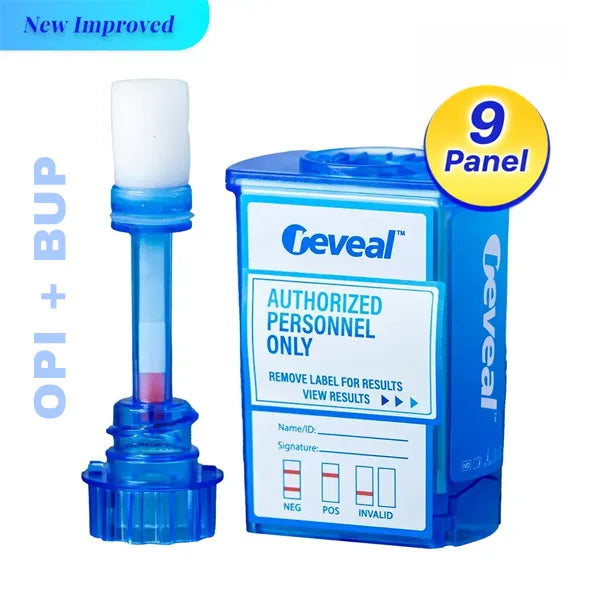
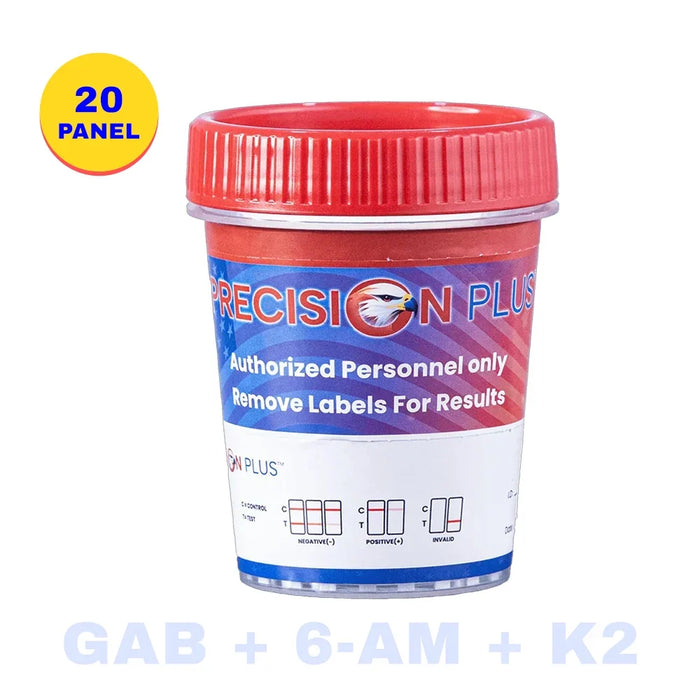
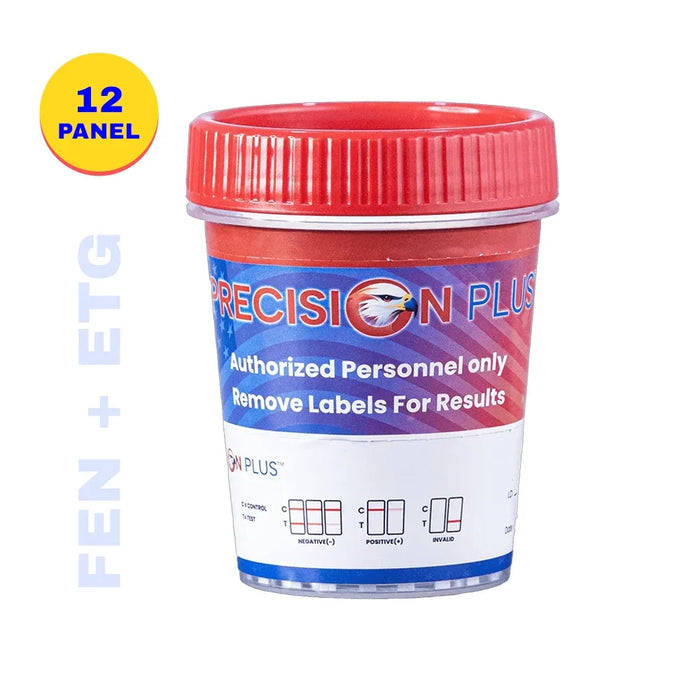
A typical 5 panel, 10 panel, or 12 panel urine cup or dip card is built around immunoassay strips targeted at specific drug classes: amphetamines, methamphetamine, cocaine metabolite, opiates, THC metabolite, PCP, and depending on the panel, benzodiazepines, barbiturates, methadone, oxycodone, or other opioids. Each strip is manufactured to react at a defined cutoff concentration to the target analyte and to closely related molecules that share the same core chemical structure.
Solriamfetol is not named as a target analyte on any standard immunoassay panel sold for employment or DOT testing, and it is not listed in the labeling as a substance with documented cross reactivity on amphetamine or other standard immunoassay strips. That means a person taking Sunosi as prescribed would not be expected to screen positive on a routine amphetamine panel based on currently published information. This is a case where the honest answer is that there is no published cross reactivity evidence, not that the drug has been affirmatively cleared on every test platform ever made.
| Test type | What it targets | Expected result for prescribed solriamfetol |
|---|---|---|
| Standard immunoassay cup or dip card (5 to 14 panel) | Amphetamine, methamphetamine, and other named drug classes at fixed cutoffs | Not a listed analyte; no documented cross reactivity in the label |
| Oral fluid immunoassay screen | Same drug class targets as urine panels, different matrix | Not a listed analyte; no documented cross reactivity in the label |
| Expanded LC/MS or GC/MS confirmation panel | A specific, named list of compounds chosen by the lab or program | Could detect solriamfetol only if the lab's method specifically includes it as a target compound |
| DOT regulated 5 panel (49 CFR Part 40) | Amphetamines, cocaine, marijuana, opiates, PCP | Not a DOT panel target analyte |
Could an expanded lab panel pick it up?
Immunoassay screening and laboratory confirmation are two different technologies, and this distinction matters for every medication question. A cup or dip card immunoassay only flags drug classes it is manufactured to react to. Laboratory confirmation methods, typically gas chromatography mass spectrometry or liquid chromatography mass spectrometry, can identify a much wider and more specific list of compounds, but only the compounds the lab actually programs its method to look for.
Some expanded forensic or clinical toxicology panels, including those used in pain management monitoring or certain research settings, are built to specifically target solriamfetol or other newer prescription stimulant type medications by name. A standard pre employment or random workplace panel is not built that way. If an employer or program uses a broad, non standard LC/MS panel and solriamfetol happens to be one of the named target compounds in that specific assay, it could be detected and reported by chemical name rather than flagged as an amphetamine class positive. This is a lab design question, not something a general cutoff chart can answer, and anyone concerned about it should ask the testing laboratory directly which analytes a given panel covers.
What happens if a question comes up anyway
For any employer regulated drug testing program, including those following the Department of Transportation's testing rule, an unexpected positive result on a regulated test goes through a certified laboratory and then to a medical review officer before it is ever reported to the employer. The MRO's job is to review the laboratory result, contact the employee confidentially, and determine whether a legitimate medical explanation, such as a current prescription, accounts for the result. The DOT testing procedures, including the MRO verification process, are set out in 49 CFR Part 40.
Employees who are prescribed Sunosi and are subject to any workplace testing program, DOT regulated or not, should keep current prescription documentation available and be ready to provide it to the MRO or the program administrator if asked. Because solriamfetol is not a target analyte on standard panels, this situation would be unusual, but prescription documentation is the right answer regardless of which medication is involved. The Substance Abuse and Mental Health Services Administration maintains general program information for employers and testing programs at samhsa.gov.
What employers and programs should do
Employers running a drug free workplace program should not assume every prescription stimulant or wakefulness medication behaves like amphetamine on a screening panel. Each medication has its own chemistry, its own scheduling status, and its own documented or undocumented cross reactivity profile. The safest practice is to rely on the product insert and manufacturer cutoff data for whatever panel is in use, route any unexpected or disputed result through a qualified MRO, and never ask an employee to disclose a diagnosis, only to verify that a prescription exists for a legitimate medical reason.
Programs that want oral fluid or urine panels, dip cards, or confirmation testing services for a workplace drug testing program can review current panel options through the drug test cup collection at the wholesale portal, available at wholesale.americanscreeningcorp.com for bulk ordering.
For background on how a related non amphetamine wakefulness and sedative class medication is handled on standard panels, see Does Xywav Show Up on a Drug Test? Oxybate, GHB and Standard Panels. For a look at how a different prescription appetite suppressant interacts with the amphetamine immunoassay screen, see Does Diethylpropion Show Up on a Drug Test? Prescription Appetite Suppressants and the Amphetamine Screen.
Frequently asked questions
Does Sunosi show up as an amphetamine on a standard drug test?
Solriamfetol is not listed as a target analyte on standard immunoassay panels, and its label does not document cross reactivity with amphetamine screening strips. Based on currently published information, a person taking it as prescribed would not be expected to trigger a standard amphetamine positive.
Is Sunosi a controlled substance?
Yes. Solriamfetol is federally controlled in Schedule IV under the Controlled Substances Act, reflecting a lower abuse potential than Schedule II stimulants. Its scheduling status is listed by the DEA and codified in 21 CFR Part 1308.
Can a lab confirmation test detect solriamfetol specifically?
Only if the laboratory's mass spectrometry method is specifically built to target solriamfetol by name. Standard workplace panels and routine confirmation methods are not generally designed around this compound, so detection depends entirely on what the testing laboratory's method includes.
What should an employee prescribed Sunosi do before a workplace drug test?
Keep current prescription documentation available. If any unexpected result comes up, a medical review officer will review it confidentially and verify the prescription rather than report it directly to the employer.
Does a positive result for a prescribed medication count against an employee?
In a properly run program, a laboratory confirmed positive tied to a verified, legitimate prescription is reported by the MRO as negative for program purposes once the prescription is confirmed, following the verification process in 49 CFR Part 40.
Is Sunosi the same thing as amphetamine based ADHD medication?
No. Solriamfetol works through a different mechanism, dopamine and norepinephrine reuptake inhibition, and is not chemically classified as an amphetamine. It is approved specifically for wakefulness in narcolepsy and obstructive sleep apnea, not for ADHD.
This article is general information for employers and employees about drug testing programs and medication screening science. It is not medical or legal advice. Anyone with questions about a specific prescription, diagnosis, or test result should consult a qualified clinician, the program's medical review officer, or legal counsel.