Saw palmetto is a berry extract sold as a dietary supplement, most often marketed for prostate health and urinary symptoms in men. It is not a controlled substance, it is not an ingredient that any standard workplace drug test panel is designed to detect, and no credible research links it to a false positive or a true positive on a urine, oral fluid, or hair drug screen. Employers and employees asking whether saw palmetto will show up on a drug test can be reassured on that specific question. The more useful question, and the one this supplement actually raises, is what saw palmetto can do to an unrelated lab value: prostate specific antigen, or PSA.
What saw palmetto is
Saw palmetto comes from the fruit of a small palm native to the southeastern United States. Extracts of the berry are sold as capsules, tablets, and liquid tinctures, usually to men who want support for benign prostatic hyperplasia symptoms such as frequent urination. Because it is marketed as a dietary supplement rather than a drug, saw palmetto is regulated under the Dietary Supplement Health and Education Act framework the FDA oversees for dietary supplements, which means the manufacturer, not the FDA, is responsible for making sure the product is safe and the label is truthful before it ever reaches a store shelf. The FDA does not pre-approve supplement formulas or verify potency the way it does with prescription drugs.
Why it is not on a drug test panel
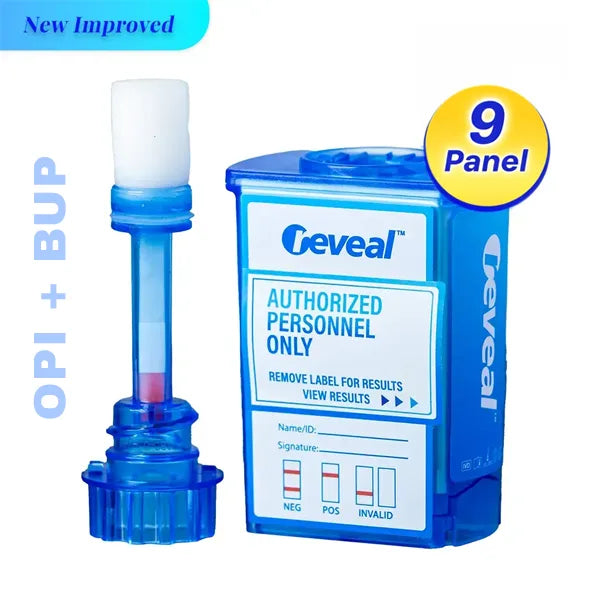
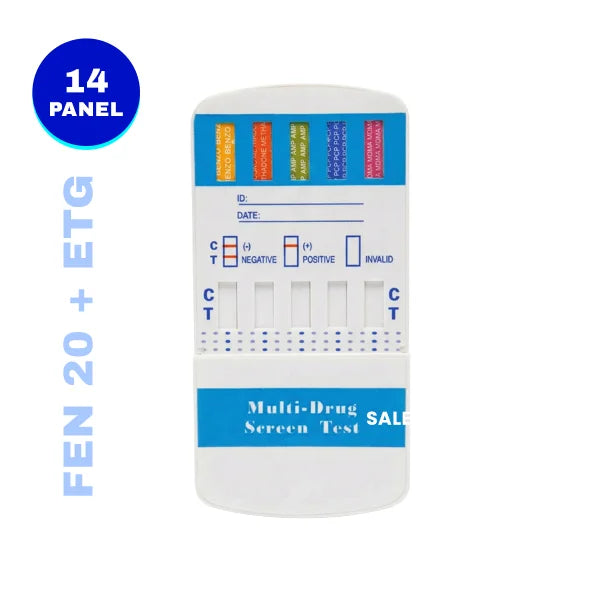
Workplace and clinical drug test panels, whether a 5 panel cup, a 10 panel cup, or an oral fluid test, are built to detect specific drug classes: amphetamines, cocaine metabolites, opiates, THC, PCP, benzodiazepines, barbiturates, and similar categories depending on the panel configuration. Saw palmetto extract is not a controlled substance under the Controlled Substances Act and it is not chemically related to any of the drug classes those immunoassay strips are designed to flag. There is no published, credible evidence of saw palmetto cross reacting with a standard immunoassay screen. If a screening cup shows a positive result in someone taking saw palmetto, the supplement itself is not the explanation, and the sample should move to the normal next step rather than being assumed accurate or dismissed.
Screening versus confirmation
It helps to separate two different lab steps. The immunoassay screen on a cup or dip card is a fast, inexpensive test built to flag likely positives within a drug class. It is a screening tool, not a final determination. Any non negative screening result on a regulated or safety sensitive test is meant to go to a certified laboratory for confirmation by gas chromatography mass spectrometry or liquid chromatography mass spectrometry, methods that identify the exact compound rather than a class. In DOT regulated and many workplace programs, a certified Medical Review Officer then reviews the confirmed result together with the donor's prescriptions and medical explanations before any result is reported to the employer as positive, negative, or refusal to test, under the verification process described in 49 CFR Part 40, Subpart G. A supplement like saw palmetto is exactly the kind of thing a donor can and should disclose to the MRO if a question ever comes up, even though it is not expected to affect drug panel results.
The PSA connection: a different test entirely
The one place saw palmetto genuinely matters for testing is a prostate specific antigen blood test, and it has nothing to do with drugs of abuse. PSA is a protein measured in blood to help screen for and monitor prostate conditions, including prostate cancer. The National Institutes of Health's National Center for Complementary and Integrative Health notes that saw palmetto's effect on benign prostatic hyperplasia symptoms is inconsistent across studies, and that it can lower PSA levels in some men, which can complicate the interpretation of a PSA test used for prostate cancer screening, as described on the NCCIH saw palmetto health information page. This is a clinical lab consideration between a patient and a physician, not a workplace drug screening issue. Anyone taking saw palmetto who is also scheduled for a PSA test should mention the supplement to their doctor so the result is read in the right context. That disclosure point is worth repeating clearly: it applies to PSA screening, not to employment or court ordered drug testing.
Panel comparison
| Test type | What it targets | Does saw palmetto affect it |
|---|---|---|
| 5 or 10 panel urine drug screen | Amphetamines, cocaine, opiates, THC, PCP, and related drug classes | No credible cross reactivity reported |
| Oral fluid drug test | Same general drug classes, shorter detection window | No credible cross reactivity reported |
| Laboratory GC/MS or LC/MS confirmation | Exact drug or metabolite identification after a non negative screen | Not applicable, saw palmetto is not a targeted analyte |
| Prostate specific antigen (PSA) blood test | A protein marker used in prostate health screening | Can be lowered by saw palmetto, which may affect interpretation |
The real risk with any supplement: what is actually in the bottle
Because dietary supplements are not pre-approved by the FDA before sale, the practical risk with saw palmetto or any other over the counter supplement is not that the labeled ingredient will trigger a drug test. It is that a product sold as a simple herbal extract could be adulterated with an undeclared pharmaceutical ingredient, a problem that shows up periodically across many supplement categories, not saw palmetto specifically. The FDA maintains a public record of products found to contain hidden drug ingredients in its tainted supplements database, and checking a brand against that list, along with buying from a reputable, third party tested source, is a more useful safeguard than worrying about the labeled botanical itself.
Specimen validity testing and supplement myths
Online claims that chlorophyll, vinegar, or various detox supplements can clean out a drug test are not supported by evidence and this article will not repeat or evaluate those claims as methods. What is worth explaining is how a laboratory actually protects against tampering: certified labs run specimen validity testing on every specimen to check pH, creatinine, specific gravity, and oxidizing adulterants, and a specimen found to be diluted, substituted, or adulterated is reported that way rather than as a simple negative, under the validity testing requirements in 49 CFR Part 40, Subpart I. An abnormal result under this testing is handled through the same MRO review process as any other result, not by the donor's explanation of what supplement they took.
What employers should take from this
For an employer or collector, saw palmetto should not raise any flag on a standard panel and does not need a special note on a chain of custody form. If a donor volunteers that they take saw palmetto, prostate support blends, or similar over the counter products, that information is useful context but is not expected to change a screening or confirmation result. Employers that want to standardize how donors disclose medications and supplements before a test should build that into their written drug testing policy and point any disputed result to the MRO process rather than making an on the spot judgment call at the collection site.
Frequently asked questions
Does saw palmetto cause a false positive on a drug test?
There is no credible evidence that saw palmetto causes a false positive on a standard urine, oral fluid, or hair drug test panel. It is not chemically related to the drug classes those panels screen for.
Is saw palmetto a controlled substance?
No. Saw palmetto is sold as an unregulated dietary supplement and is not listed as a controlled substance.
Can saw palmetto affect a PSA test?
Yes, that is the one test it can genuinely affect. Saw palmetto can lower PSA levels in some men, which can complicate interpretation of a prostate specific antigen blood test. This is a clinical lab issue, separate from workplace drug screening, and should be discussed with a physician.
Why does the FDA not test saw palmetto products before they are sold?
Dietary supplements are regulated differently from prescription drugs. Under the dietary supplement framework, manufacturers are responsible for product safety and labeling accuracy, and the FDA generally acts after a product reaches the market rather than approving it beforehand.
What should someone do if they are worried about what is actually in a saw palmetto product?
Buy from a reputable, third party tested brand and check whether the product or manufacturer appears in the FDA's public record of supplements found to contain undeclared drug ingredients.
What happens if a drug test comes back positive while someone is taking saw palmetto?
The result should go through the normal laboratory confirmation and Medical Review Officer review process. Saw palmetto is not expected to explain a positive result on a drug class panel, so the MRO will look at the actual confirmed substance and any medical explanation on file.
For related reading on supplements and workplace panels, see Does DHEA Show Up on a Drug Test? and Does Creatine Show Up on a Drug Test? for how specimen validity testing handles other supplement related questions.
American Screening Corporation supplies drug test cups and other screening devices for employers, clinics, and treatment programs.
This article is general information only and is not legal or medical advice.