SAM-e, short for S adenosylmethionine, is a dietary supplement people take for mood support and joint comfort. Employees who use it sometimes ask whether it will trigger a positive result on a workplace drug screen, especially if they have also taken a prescription antidepressant in the past. The short answer is no. SAM-e is not a controlled substance, it is not an analyte that any standard urine, oral fluid, or hair panel is built to detect, and there is no credible published evidence that it cross reacts with a workplace immunoassay. What actually matters for an employer is understanding why SAM-e is different from some prescription antidepressants, and what the real sources of an unexpected result tend to be.
What SAM-e Is
S adenosylmethionine is a compound the body makes naturally from the amino acid methionine and adenosine triphosphate. It plays a role in methylation reactions throughout the body, including processes linked to mood regulation and joint cartilage maintenance. As a supplement, SAM-e is sold over the counter in tablet or capsule form and marketed for depressive symptoms, osteoarthritis discomfort, and sometimes liver support. The National Institutes of Health National Center for Complementary and Integrative Health summarizes the available research on SAM-e, including what is and is not well established about its effects, and notes that supplement quality and dosing can vary by manufacturer, in its consumer health information on S adenosyl L methionine. None of the chemistry described there overlaps with the drug classes a workplace panel is designed to flag.
Is SAM-e a Controlled Substance
No. SAM-e has no scheduling under the federal Controlled Substances Act and no listing on any Drug Enforcement Administration schedule. It is sold as an unregulated dietary ingredient, which means the Food and Drug Administration oversees its labeling and manufacturing practices rather than approving it the way a prescription drug is approved. Being legal and unscheduled is not the same thing as being tested for on a panel, so the next question is what a workplace panel is actually built to catch.
What Standard Workplace Panels Actually Screen For
Federal and most private workplace drug testing programs are built around a fixed list of drug classes and cutoff concentrations, not a search for every substance a person might have taken. The Department of Transportation program for safety sensitive transportation employees lists the drugs and drug metabolites its laboratories test for in 49 CFR Part 40 Subpart F, and most non regulated employer panels mirror the same core classes. Those classes are built around compounds like tetrahydrocannabinol metabolite, cocaine metabolite, opiates, amphetamines and methamphetamine, and phencyclidine. The immunoassay antibodies used in rapid cups and dip cards are designed to bind to those named drug classes, not to generic amino acids, methyl donors, or metabolic intermediates such as SAM-e.
| Panel component | What it detects | Does SAM-e match it |
|---|---|---|
| Marijuana metabolite (THC-COOH) | Cannabis use | No |
| Cocaine metabolite (benzoylecgonine) | Cocaine use | No |
| Opiates and opioids | Morphine, codeine, and related compounds | No |
| Amphetamines and methamphetamine | Stimulant use | No |
| Phencyclidine (PCP) | PCP use | No |
| Tricyclic or SNRI antidepressant class immunoassays (where used) | Certain prescription antidepressant classes | No, SAM-e is not a pharmaceutical antidepressant |
Why Prescription Antidepressants Are a Different Story
The question about SAM-e often comes up because people associate it with prescription antidepressants used for the same purpose. That association does not carry over to drug testing. Some prescription antidepressants do have documented immunoassay cross reactivity, which is a real and separate issue from SAM-e. Sertraline has been reported to produce false positive results on certain benzodiazepine immunoassays, and venlafaxine has been associated with false positive phencyclidine screening results in some cases. American Screening Corporation has covered both of those mechanisms in detail in two existing posts rather than repeating the explanation here. See Zoloft and Drug Tests: The Sertraline Benzodiazepine False Positive and Effexor and Drug Tests: Venlafaxine PCP False Positives for how those specific prescription medications interact with specific immunoassay chemistries. SAM-e does not share a structure or a mechanism with either of those drugs, and there is no published source indicating it produces a comparable effect on any immunoassay. If an employee discloses SAM-e use during a medical review officer interview, that disclosure does not change the review of a confirmed result the way a documented sertraline or venlafaxine prescription might.
The Real Risk Is Undeclared Ingredients and Contamination
Dietary supplements, including SAM-e products, are not pre approved by the Food and Drug Administration for safety and effectiveness the way prescription drugs are. The agency instead monitors the market after products are sold and periodically finds products, often marketed for mood, weight loss, or joint relief, that contain undeclared pharmaceutical ingredients not listed on the label. The FDA maintains a public Health Fraud Product Database that lists products found to contain hidden or undeclared ingredients, and an employer handling a disputed result involving a supplement can check whether the product or manufacturer named by the employee appears there. A straightforward SAM-e tablet from a mainstream manufacturer is unlikely to raise this issue, but combination joint or mood formulas that blend SAM-e with other herbal ingredients carry a higher chance of cross contamination during manufacturing, since blended herbal products are more often produced on shared equipment with other compounds. That manufacturing risk, not the SAM-e molecule itself, is the practical concern worth documenting.
Specimen Validity Testing, MRO Review, and the Chlorophyll or Vinegar Myth
Some employees ask about SAM-e in the same breath as unrelated folk claims, such as the idea that chlorophyll tablets or vinegar can clean out a system before a test. Those claims are not supported, and this article will not describe any method for beating, diluting, or masking a test. What is accurate and worth explaining is how a laboratory actually catches an attempt to interfere with a specimen. Urine drug testing programs include specimen validity testing, which checks creatinine, specific gravity, pH, and the presence of oxidizing adulterants to confirm that a sample is consistent with normal human urine and has not been substituted, diluted, or adulterated. The Department of Transportation sets out how laboratories and medical review officers handle dilute, substituted, adulterated, and otherwise invalid results in 49 CFR Part 40 Subpart I, and the medical review officer verification process itself, including how a physician reviews prescription and supplement explanations before a result is reported to an employer, is set out in 49 CFR Part 40 Subpart G. These mechanisms exist regardless of whether SAM-e, chlorophyll, vinegar, or anything else was involved, and they are the reason an employer should never rely on an employee's explanation alone, favorable or unfavorable, without the laboratory and medical review officer process completing its work.
What Employers Should Do
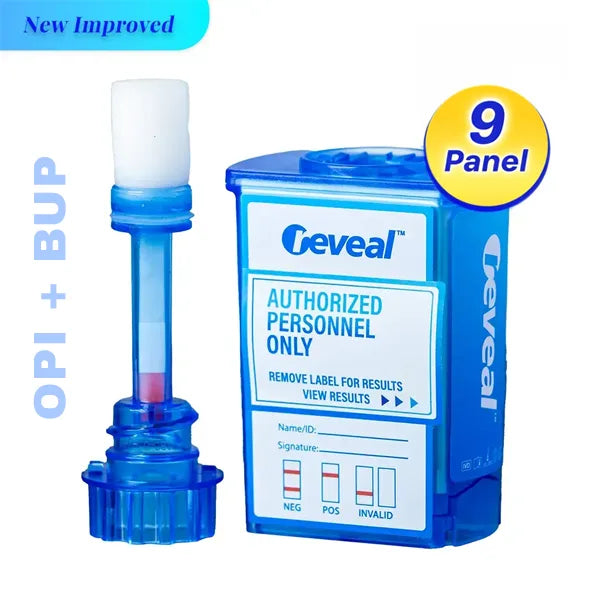
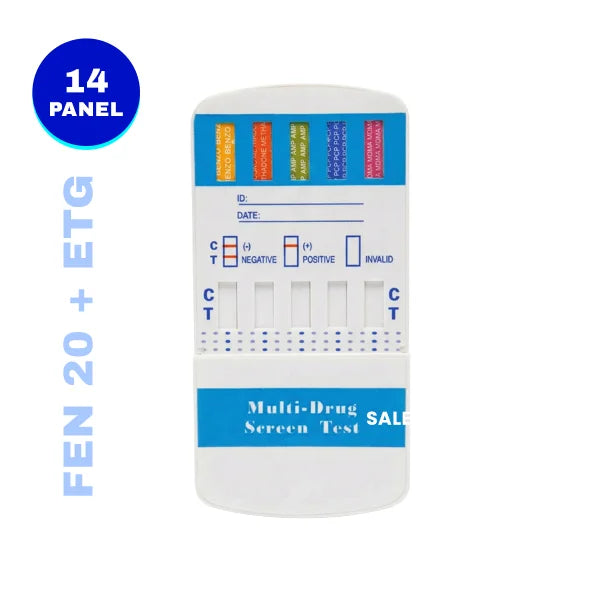
Employers do not need a policy specific to SAM-e, since it is not a screened analyte and not a controlled substance. A general supplement disclosure practice is more useful: employees who take SAM-e, or any other over the counter product, should know they can disclose current supplement and medication use to the medical review officer if a question ever comes up about a result. The Substance Abuse and Mental Health Services Administration maintains program level resources for employers running drug free workplace programs, including how testing fits into a broader policy, at its workplace programs page. Employers should rely on laboratory confirmation testing and the medical review officer process rather than trying to interpret a screening result on their own, and should document any employee supplement claim with the product name and label rather than a verbal explanation alone. Employers evaluating panel configurations for their own testing program can review cup and dip card options directly.
See American Screening Corporation's drug test cups for panel configurations used in workplace screening programs.
Frequently asked questions
Does SAM-e show up on a standard workplace drug test?
No. SAM-e is not a controlled substance and it is not one of the drug classes that standard immunoassay panels are built to detect.
Is SAM-e a controlled substance?
No. SAM-e has no scheduling under the federal Controlled Substances Act and is sold as an unregulated dietary ingredient.
Can SAM-e cause a false positive drug test the way some antidepressants can?
There is no credible published evidence that SAM-e cross reacts with any immunoassay. Some prescription antidepressants, including sertraline and venlafaxine, have documented cross reactivity with specific immunoassays, but that mechanism does not apply to SAM-e, which is a different compound with a different structure.
What should an employer do if an employee says SAM-e affected a test result?
Document the product name and label, rely on the laboratory's confirmation testing rather than the screening result alone, and let the medical review officer complete its review before taking any employment action.
Can a supplement contain hidden ingredients that would explain a positive result?
Yes. The FDA maintains a public database of dietary supplements found to contain undeclared pharmaceutical ingredients, which can be checked by product or manufacturer name during a disputed result review.
Do chlorophyll or vinegar affect a drug test result?
There is no credible evidence that either one clears a drug test, and this is not a method employers or employees should rely on. Specimen validity testing checks whether a sample has been diluted, substituted, or adulterated, and that check happens independently of what an employee claims to have taken.
This article is general information for employers and is not legal or medical advice. Workplace drug testing policies should be reviewed with qualified counsel and a medical review officer.