Reishi (Ganoderma lucidum) is a functional mushroom sold as a powder, capsule, tincture, or coffee additive and marketed for immune support, stress, and sleep. It is not a controlled substance, it is not psychoactive, and no standard employment drug test, whether a lab based urine panel, an oral fluid test, or a rapid dip card, is designed to detect it. Employers and candidates sometimes ask about reishi because it gets grouped loosely with "mushrooms" in casual conversation, a category that also includes psilocybin containing species that are federally controlled. The two have nothing in common pharmacologically, and this article explains why, along with what an employer program actually screens for and where the real supplement related risks sit.
What reishi actually is
Reishi is a wood decay fungus long used in traditional preparations and now sold in the United States as a dietary supplement. Its studied compounds are triterpenoids (including ganoderic acids), polysaccharides, and peptides. These compounds are investigated for effects on lipid metabolism, immune signaling, and inflammation, not for any effect on the central nervous system that would produce intoxication. A systematic review and meta analysis of animal studies on Ganoderma lucidum published through the National Institutes of Health describes it as having very low toxicity, with researchers reporting no significant adverse effects across the studies reviewed. That is a very different pharmacological profile from a controlled hallucinogen, and it is why reishi has never been built into any workplace drug test panel.
The National Center for Complementary and Integrative Health, part of the National Institutes of Health, maintains general consumer guidance on dietary and herbal supplements, including the point that the Food and Drug Administration does not evaluate supplements for safety or effectiveness before they reach the market the way it does prescription drugs. That gap matters more for sourcing and contamination than for drug test outcomes, which is covered below.
Why no panel includes it
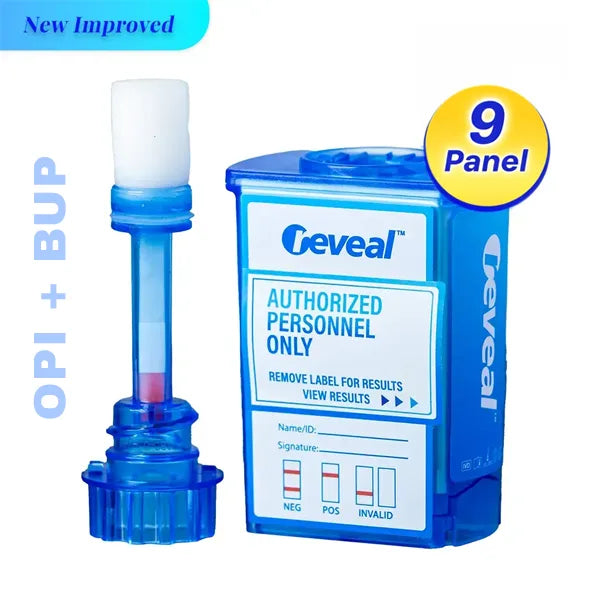
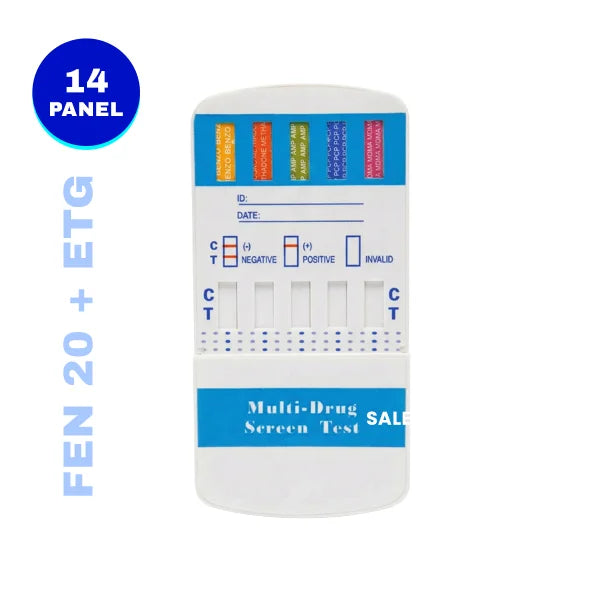
A drug test panel, whether it is a 5 panel, 10 panel, or an oral fluid screen, is built around specific analytes chosen because they are controlled substances, commonly misused medications, or substances an employer has a documented safety reason to screen for under a DOT or company policy. Reishi compounds are none of those things. There is no immunoassay antibody manufactured to react to ganoderic acids or Ganoderma polysaccharides, because there is no regulatory or safety driver for one. In practical terms, a person who takes a reishi supplement and nothing else has no credible pathway to a positive screening result, a positive confirmation, or an MRO inquiry tied to reishi itself.
This is a useful moment to separate two different lab steps that get confused. A screening immunoassay is a fast, low cost test designed to flag a class of drugs above a cutoff concentration. A confirmation test, run by gas chromatography mass spectrometry (GC/MS) or liquid chromatography tandem mass spectrometry (LC/MS), identifies a specific compound with much higher specificity and is the step that resolves any disputed or unexpected screening result. Reishi does not trigger either step because it was never built into the screening antibody panel in the first place, not because confirmation would somehow clear it after a false flag.
Reishi versus psilocybin containing mushrooms
The word "mushroom" is doing a lot of work in public confusion here, so it is worth being precise. Psilocybin and psilocyn, the active compounds in so called magic mushrooms, are listed as Schedule I controlled substances under the federal Controlled Substance Act schedules maintained in the Code of Federal Regulations. Schedule I status means the Drug Enforcement Administration has determined the substance has no currently accepted medical use and a high potential for abuse. Reishi is not listed anywhere in those schedules because it is not a controlled substance at all.
Here is the part that surprises people: even though psilocybin is a Schedule I drug, it is also not included on a standard employer drug test panel. Most workplace panels were built around amphetamines, cocaine, opiates, PCP, and THC, plus whatever additional analytes a specific program adds, and psilocybin is typically not one of them unless an employer orders an expanded or specialty panel and a lab specifically adds it. When psilocybin detection is needed, it has to be requested as a specific analyte and resolved through a laboratory confirmation method, the same GC/MS or LC/MS approach used for any other specific compound identification, rather than a rapid immunoassay cutoff. So reishi and psilocybin mushrooms share a label in casual speech and share the fact that neither shows up on a routine panel, but they sit in completely different legal categories, and only one of them can be confirmed by a lab when an employer specifically orders that analyte.
| Point of comparison | Reishi (Ganoderma lucidum) | Psilocybin mushrooms |
|---|---|---|
| Federal control status | Not a controlled substance | Schedule I under 21 CFR 1308.11 |
| Primary compounds | Triterpenoids, polysaccharides, peptides | Psilocybin, psilocyn (psychoactive) |
| On a standard 5 or 10 panel screen | No, never built into panel antibodies | Not typically, unless specifically added |
| Confirmable by GC/MS or LC/MS if specifically ordered | Not applicable, no analyte to confirm | Yes, as a specific requested analyte |
| Sold as | Over the counter dietary supplement | Federally illegal to possess or sell under the CSA |
The real supplement risks: undeclared ingredients and contamination
Because supplements are not pre market approved the way drugs are, the practical risk with any mushroom or herbal blend, reishi included, is not that the labeled ingredient will trigger a drug test. It is that a product can contain an ingredient the label does not disclose, or can be cross contaminated during sourcing and processing. The Food and Drug Administration maintains a health fraud product database that lists dietary supplements and other products found through agency testing to contain hidden or undeclared active drug ingredients, which is the mechanism by which an otherwise unrelated supplement can cause an unexpected screening result. Herbal blends sourced from facilities that also process other botanicals or active pharmaceutical ingredients carry a similar contamination risk, independent of whatever is printed on the label.
This is also where the familiar home remedy myths about beating a drug test, chlorophyll pills, vinegar, excessive water loading, and similar tricks, actually live. None of those practices alter reishi's non detection status, because reishi was never detected in the first place. What they do is change the chemical and physical properties of a urine specimen in ways a certified lab is trained to catch. Modern laboratory drug testing programs include specimen validity testing, a set of checks for pH, creatinine, specific gravity, and oxidizing adulterants that flags a specimen as substituted, diluted, or invalid rather than simply negative. A specimen that fails those checks gets routed to a Medical Review Officer (MRO) for review, the same licensed physician who handles any legitimate prescription explanation, a verified positive, or a refusal to test determination. The MRO, not the specimen itself, makes the final call on what an unusual result means, and the process is documented in the federal drug testing program regulations at 49 CFR Part 40.
What this means for an employer drug testing program
An employer does not need a reishi specific policy, because there is no panel analyte it affects and no credible cross reactivity documented in the literature reviewed for this article. The practical steps that matter are the same ones that apply to any supplement question: require employees to disclose supplement and medication use in the context of a verified positive result rather than before testing, route anything unexpected to the MRO rather than making an on the spot call at the collection site, and choose panels and specimen types based on the safety sensitive functions of the job rather than rumors about what any one herbal product can or cannot do. If a specific analyte like psilocybin is a genuine concern for a role, that has to be built into the test order and resolved through laboratory confirmation, not assumed to be covered by a routine panel.
Frequently asked questions
Does reishi mushroom show up on a 5 panel or 10 panel drug test?
No. Reishi compounds are not controlled substances and are not included in the antibody design of any standard screening panel, so there is no mechanism for a reishi supplement to produce a positive result.
Is reishi the same category as magic mushrooms?
No. Reishi (Ganoderma lucidum) contains non psychoactive triterpenoids and polysaccharides and is sold legally as a dietary supplement. Psilocybin mushrooms contain the psychoactive compound psilocybin, which is listed as a Schedule I controlled substance under 21 CFR 1308.11.
Can psilocybin be detected on a workplace drug test?
Not on a standard 5 or 10 panel screen in most programs. Detecting psilocybin requires an employer or lab to specifically add it as an analyte, and any result would be resolved through laboratory confirmation such as GC/MS or LC/MS rather than a routine immunoassay cutoff.
What is the real risk with mushroom or herbal supplements and drug testing?
The documented risk is undeclared or hidden active ingredients and contamination during manufacturing, not the labeled botanical itself. The FDA's health fraud product database lists supplements found to contain undisclosed drug ingredients.
Do chlorophyll or vinegar help pass a drug test if someone used a mushroom supplement?
No. Reishi is not detected in the first place, so there is nothing to mask. Practices aimed at altering a urine specimen are caught by specimen validity testing, which checks pH, creatinine, and specific gravity and flags diluted, substituted, or adulterated specimens for Medical Review Officer review under 49 CFR Part 40.
What should an employer do if a result looks unusual after an employee reports taking a supplement?
Route the result to the Medical Review Officer rather than making a decision at the collection site. The MRO reviews prescription documentation, specimen validity findings, and laboratory confirmation data before issuing a final verified result.
For employers building out a broader drug free workplace program, related reading on this site covers Lion's Mane and standard panels and how long psilocybin can stay in the system. For panel selection and collection supplies, see American Screening Corporation's drug test cup collection.
This article is general information about drug testing science and federal scheduling, not legal or medical advice. Employers should consult qualified counsel and a Medical Review Officer for decisions involving specific test results or policies.