Quviviq is the brand name for daridorexant, a prescription medication for adults with insomnia. Employees and job applicants who take it often want to know whether it will trigger a positive result on a workplace drug test, and whether the drug test cup or oral fluid panel their employer uses is even built to look for it. The short answer is that daridorexant is a federally controlled substance, but it belongs to a drug class that standard employment drug test panels are not designed to detect, and there is no credible evidence that it cross reacts with the immunoassay strips used for other drug classes.
What Quviviq (Daridorexant) Is
Daridorexant is a dual orexin receptor antagonist, often shortened to DORA. The United States Food and Drug Administration approved daridorexant tablets, sold under the brand name Quviviq, for adults with insomnia marked by trouble falling asleep, staying asleep, or both, as described in the Drug Enforcement Administration interim final rule placing daridorexant in Schedule IV. Orexin receptor antagonists work differently from older sleep aids. They block orexin, a brain chemical that promotes wakefulness, rather than acting on the gamma aminobutyric acid receptor system that benzodiazepines and so called Z drugs use. The current current prescribing information for Quviviq is maintained in the National Library of Medicine's DailyMed label for daridorexant, which lists the approved indication, dosing range, and warnings.
Is Daridorexant a Controlled Substance?
Yes. Because of its abuse potential, the Drug Enforcement Administration placed daridorexant in Schedule IV of the Controlled Substances Act shortly after FDA approval, and that placement was adopted as a final rule without change, effective in late 2022, confirmed in the DEA final rule maintaining daridorexant in Schedule IV. Schedule IV covers substances with an accepted medical use and a comparatively low potential for abuse relative to Schedule III, a category that also includes many benzodiazepines, but a shared schedule number does not mean a shared chemical structure or a shared detection method. Daridorexant is not a benzodiazepine, and nothing in its DEA scheduling history changes that.
The scheduling status of this drug class is not frozen. In a proposed rule, the DEA asked the public to comment on moving suvorexant, lemborexant, and daridorexant from Schedule IV into Schedule V. That action is a proposal only. It has not been finalized, and employers and clinics should treat daridorexant as a Schedule IV drug until a final rule says otherwise, checking the Federal Register for the current status rather than relying on any single point in time.
Which Drug Test Panels Target Daridorexant
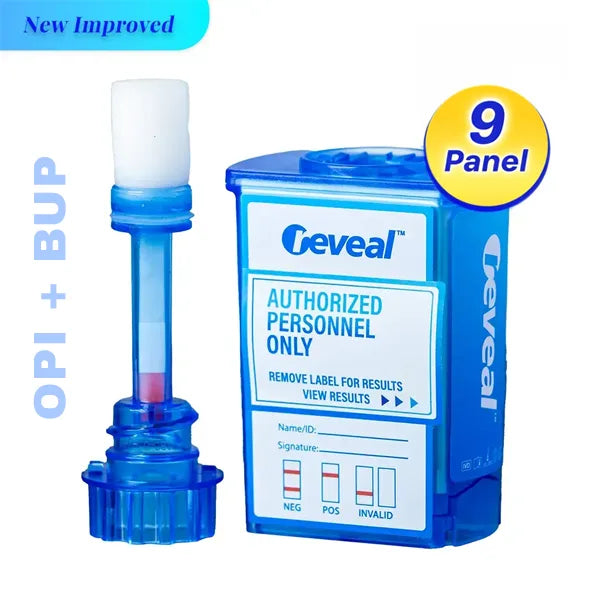
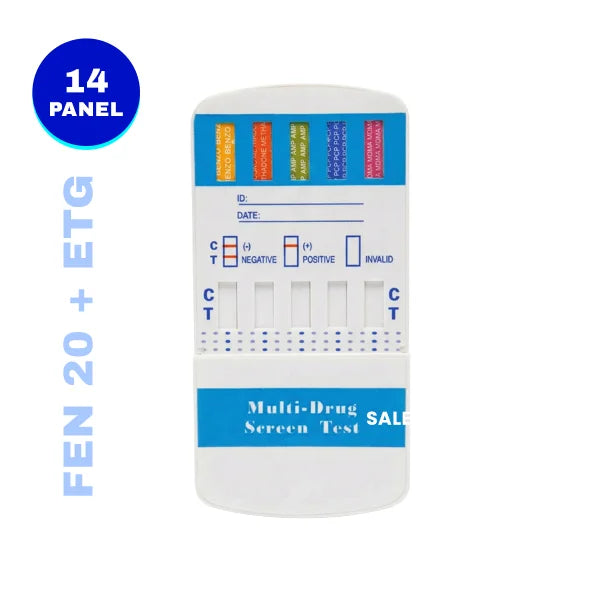
Workplace and clinical drug test panels, including the federally mandated panel structure that the Department of Transportation uses for safety sensitive employees, are built around specific drug classes with validated immunoassay antibodies. The DOT regulated panel composition is set out in 49 CFR 40.85, which lists the drugs laboratories must test for, covering marijuana metabolites, cocaine metabolites, amphetamines, opioids, and phencyclidine. Daridorexant and the other orexin receptor antagonists are not among them, and no credible published source establishes that daridorexant cross reacts with the benzodiazepine strip, the opioid strip, or any other standard immunoassay class on a drug test cup, dip card, or oral fluid device.
Extended panels that some employers add, such as a benzodiazepine or barbiturate strip, are also not built to recognize daridorexant's chemical structure. A standard 5 panel, 10 panel, or 12 panel cup is simply not formulated to pick it up, positive or negative.
| Medication | Generic name | CSA schedule as of this writing | Same class as benzodiazepines | Targeted by a standard panel strip |
|---|---|---|---|---|
| Quviviq | Daridorexant | Schedule IV, Schedule V proposed | No, orexin receptor antagonist | No |
| Belsomra | Suvorexant | Schedule IV, Schedule V proposed | No, orexin receptor antagonist | No |
| Dayvigo | Lemborexant | Schedule IV, Schedule V proposed | No, orexin receptor antagonist | No |
For more detail on the other two drugs in this class, see the existing posts on whether Belsomra shows up on a drug test and whether Dayvigo shows up on a drug test. All three share the same mechanism of action and the same answer to the panel question.
Screening Immunoassay Versus Lab Confirmation
It helps to understand the two step structure that most drug testing programs use. The first step is a screening immunoassay, the kind built into a drug test cup or dip card, which flags a specimen as negative or non negative based on whether the concentration of a targeted drug class crosses a set cutoff. The second step, used only when a specimen screens non negative or when a specific analyte is ordered by name, is laboratory confirmation by gas chromatography mass spectrometry or liquid chromatography mass spectrometry, methods that identify the exact molecule rather than a drug class. The federally regulated cutoff structure for this two step process, including which analytes get an initial test and which get a confirmatory test, is published in 49 CFR 40.87.
Because daridorexant is not one of the analytes built into standard immunoassay panels, a laboratory can only identify it if a specific test for daridorexant is ordered by name, which falls outside routine employment screening and is uncommon. A lab cannot confirm what it was never asked to look for, so if an employer or clinician has a specific reason to confirm daridorexant use, they need to ask the laboratory directly whether it offers a targeted send out test and which analytes that test covers.
Prescription Documentation and the Medical Review Officer
Because daridorexant is a Schedule IV prescription medicine, an employee who takes it should still be prepared to provide documentation of a valid prescription if a drug test result at any point raises a question, even though a standard panel is not built to detect it specifically. On DOT regulated tests and many employer programs modeled on the federal structure, any non negative screening result goes to a Medical Review Officer, a licensed physician trained in the review process described in 49 CFR Part 40, Subpart G, before an employer ever sees a final verified result. The Medical Review Officer contacts the employee confidentially, reviews prescription information where relevant, and determines whether a legitimate medical explanation accounts for the finding. Employers generally may not take action based on a screening result alone, and should route every prescription medication question through this verification step rather than making a determination on their own.
Supplements and Other Sleep Aids
Employees sometimes assume that any sleep product, prescription or over the counter, carries the same detection risk. That is not accurate. Over the counter melatonin and most herbal sleep supplements are not controlled substances and are not targeted by any standard panel either, though unlike prescription daridorexant, dietary supplements are not reviewed by the FDA for safety and effectiveness before they reach the market, and some have been found to contain undeclared ingredients. Employers and specimen collectors who want to understand how adulteration and substitution attempts are caught, separate from any medication question, should rely on specimen validity testing and the same Medical Review Officer review process described above rather than informal checks.
What Employers and Clinics Should Confirm
- Ask the laboratory which specific drugs and drug classes a panel actually covers before assuming a sleep medication is included.
- Route every non negative result, and every employee question about a legitimate prescription, through the Medical Review Officer process rather than deciding internally.
- Keep in mind that scheduling status can change. Daridorexant, suvorexant, and lemborexant are currently Schedule IV, with a Schedule V move proposed but not finalized, so confirm current status against the Federal Register rather than an older source.
- Consult legal counsel on any adverse action tied to a drug test result, since obligations can vary by state and by the specific testing program involved.
Frequently asked questions
Does Quviviq show up on a standard drug test panel?
No standard 5 panel, 10 panel, or 12 panel drug test cup, dip card, or oral fluid device is built to detect daridorexant. These panels target other drug classes entirely, and there is no credible evidence that daridorexant cross reacts with any of their immunoassay strips.
Is daridorexant the same thing as a benzodiazepine?
No. Daridorexant is a dual orexin receptor antagonist. It works through a different brain receptor system than benzodiazepines and is not detected by a benzodiazepine immunoassay strip.
Is Quviviq a controlled substance?
Yes. The DEA placed daridorexant in Schedule IV of the Controlled Substances Act, and that placement remains in effect. A separate DEA proposal would move it, along with suvorexant and lemborexant, to Schedule V, but that proposal has not been finalized.
Can a laboratory test specifically for daridorexant?
A laboratory can confirm daridorexant only through a targeted mass spectrometry test ordered by name. It is not part of routine immunoassay screening, so an employer or clinic that needs this information should ask the lab directly which analytes a given test covers.
What should an employee do if a drug test raises a question while they are taking Quviviq?
They should keep their prescription documentation available and respond to any outreach from the Medical Review Officer, who confidentially reviews prescription medications as part of the standard verification process before a result is reported to an employer.
Could the scheduling of Quviviq change?
Yes. The DEA has proposed moving daridorexant from Schedule IV to Schedule V, along with suvorexant and lemborexant. The proposal is not final, and the current status should be checked against the Federal Register.
American Screening Corporation supplies drug test cups and related screening devices for employers, clinics, and third party administrators who need a clear, documented panel composition for every program they run.
This article is general information for employers and testing programs, not legal or medical advice. Testing policies and scheduling status can vary and change, so confirm current rules with the cited primary sources or with qualified counsel before acting.